Had them out after the back steps started going soft underfoot. He came and looked properly before quoting anything, and told me the structure underneath was still sound — so it ended up a smaller job than I had braced myself for. Turned up when he said he would, cleaned up after himself, and the price at the end was the price we agreed. Not much more you can ask for.
Owner replied
S
Skyler White
9 months ago
Called on a Tuesday and had someone out the same week. What I appreciated most was being told straight what needed doing now and what could safely wait until spring. No pressure and no trying to talk me into the bigger version of the job. It has held up fine through the winter since.
T
Trevor Alford
2 months ago
The quote came through itemised and the final bill matched it, which has honestly not been my experience with everyone around here. They worked around an awkward driveway without once making it my problem, and left the place tidier than they found it. Would have them back.
K
Kaleb Withrow
3 weeks ago
Fair price, showed up on time, tidy work. No complaints.
See something like yours?
Send a few photos and we'll tell you what it'll take — free written quote, no pressure.
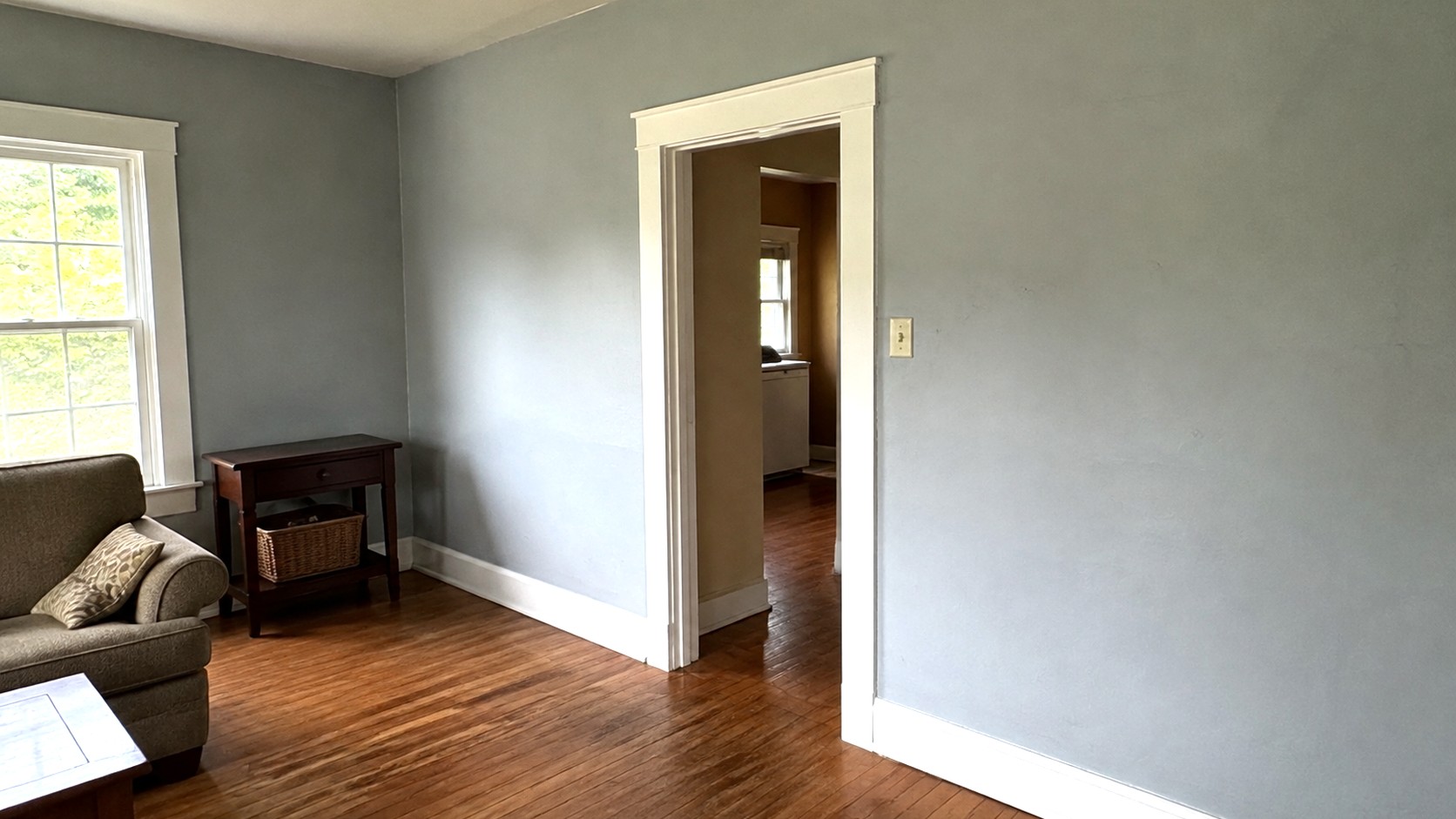
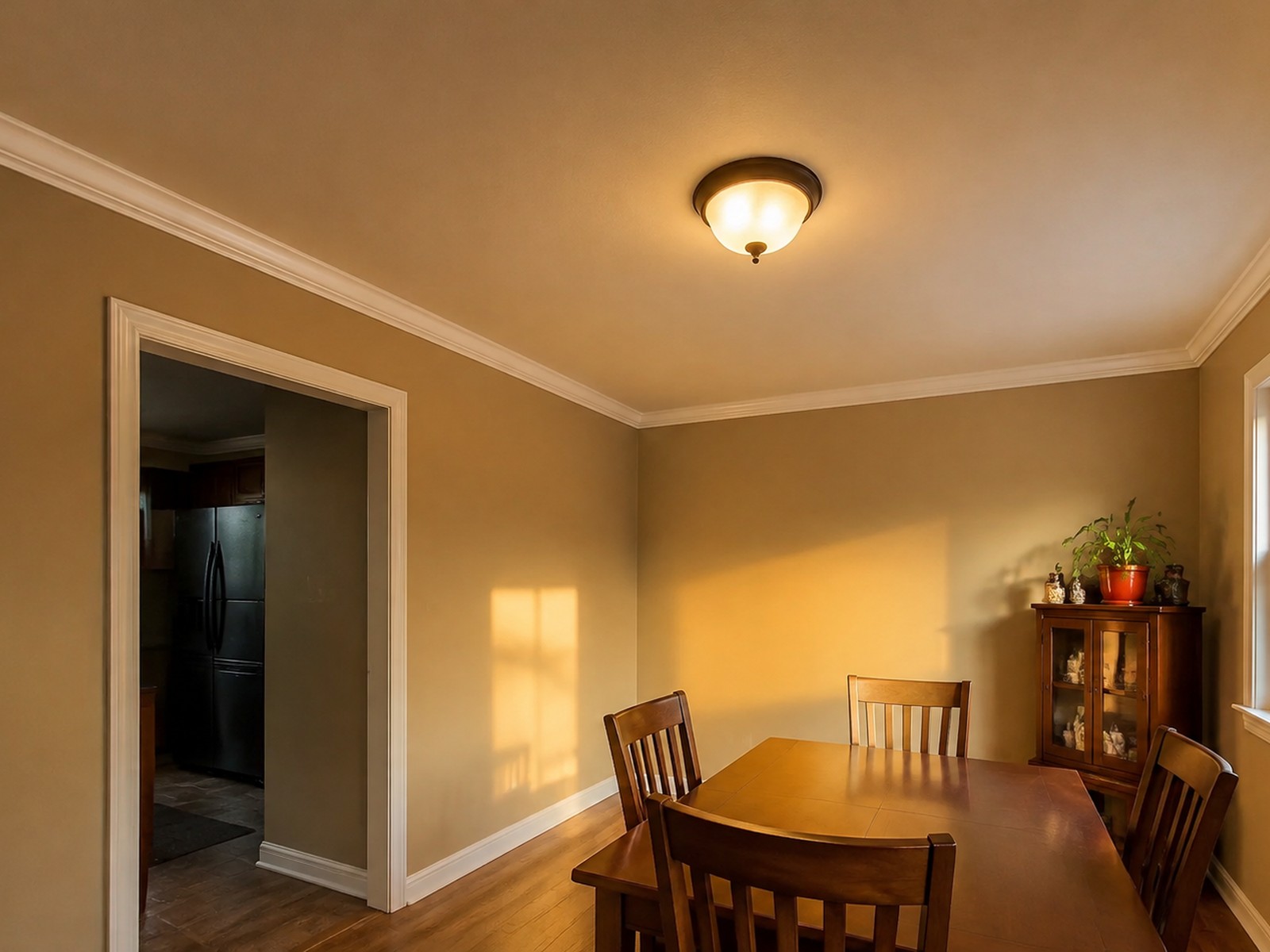
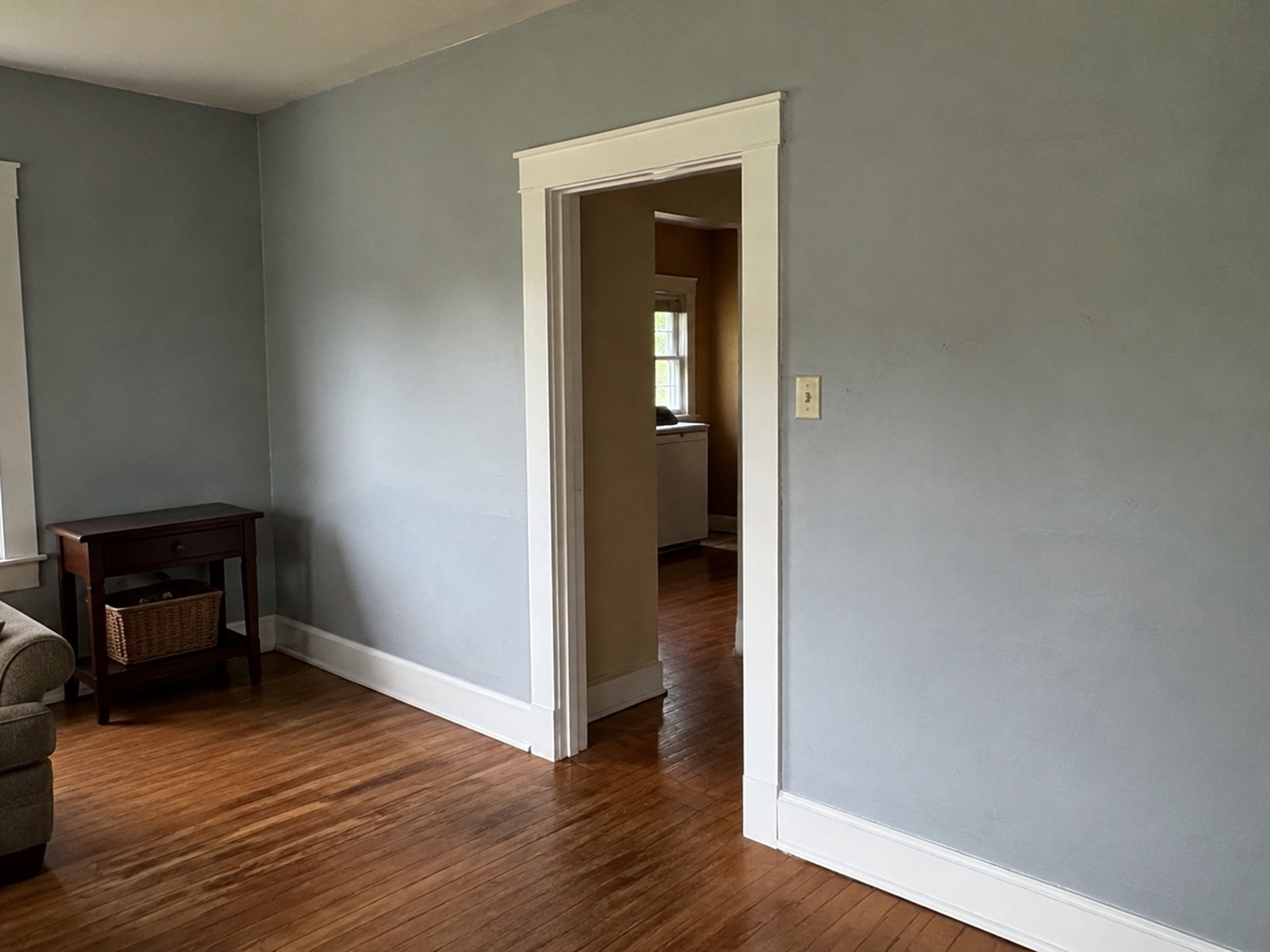
Trim is the last thing that goes into a room and the first thing anyone notices when it's wrong. A gap at a mitre, a baseboard that rides up over a wavy floor, casing that isn't consistent from one door to the next — none of it is structural, and all of it makes a finished room read as unfinished.
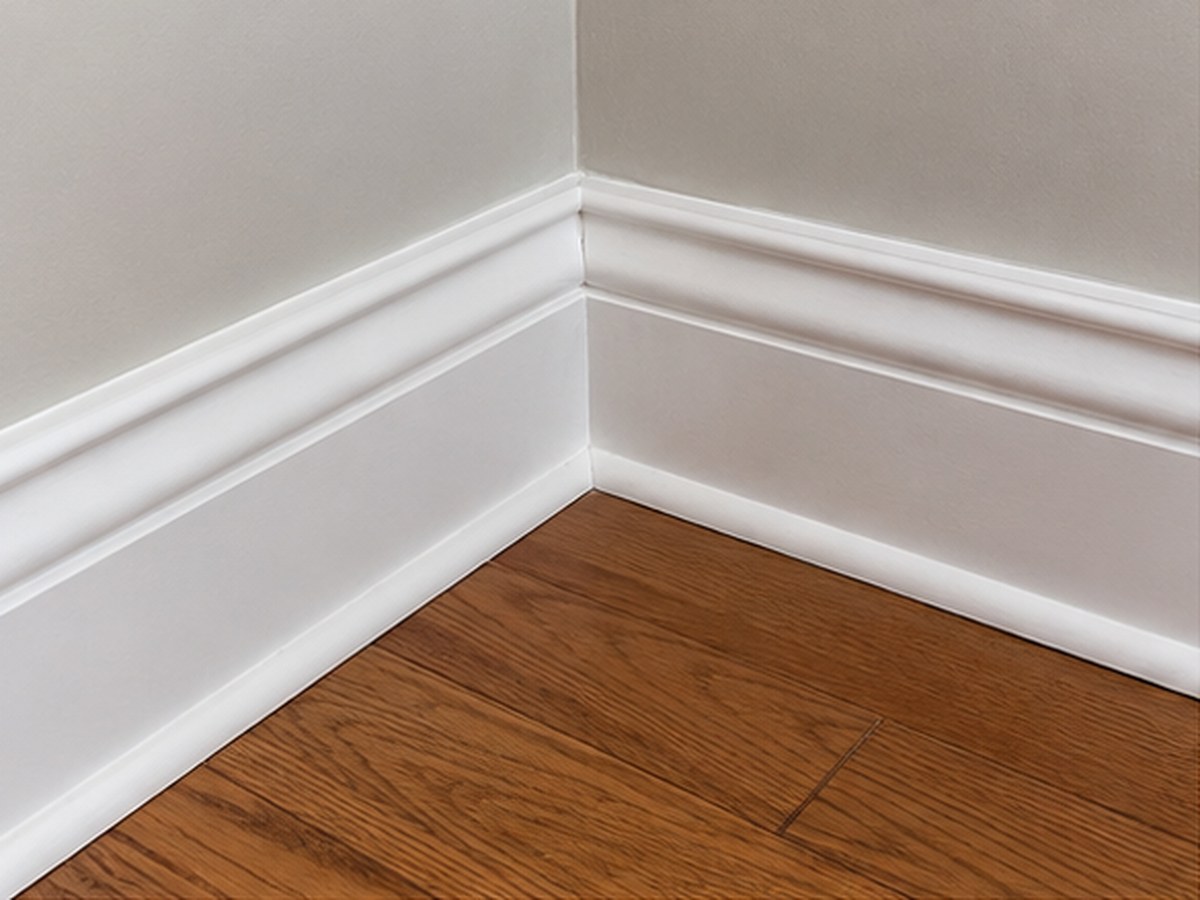
Baseboard and shoe molding
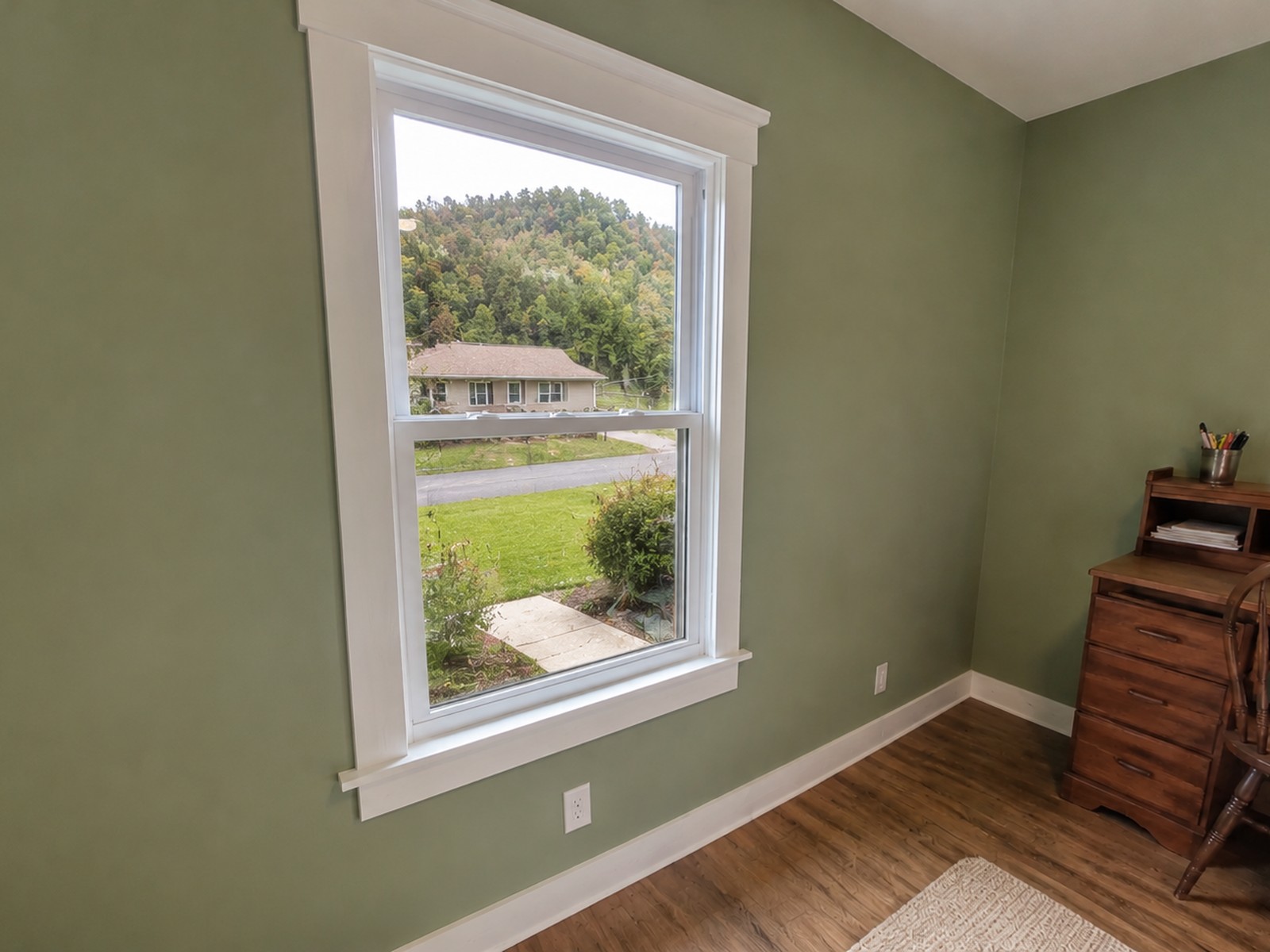
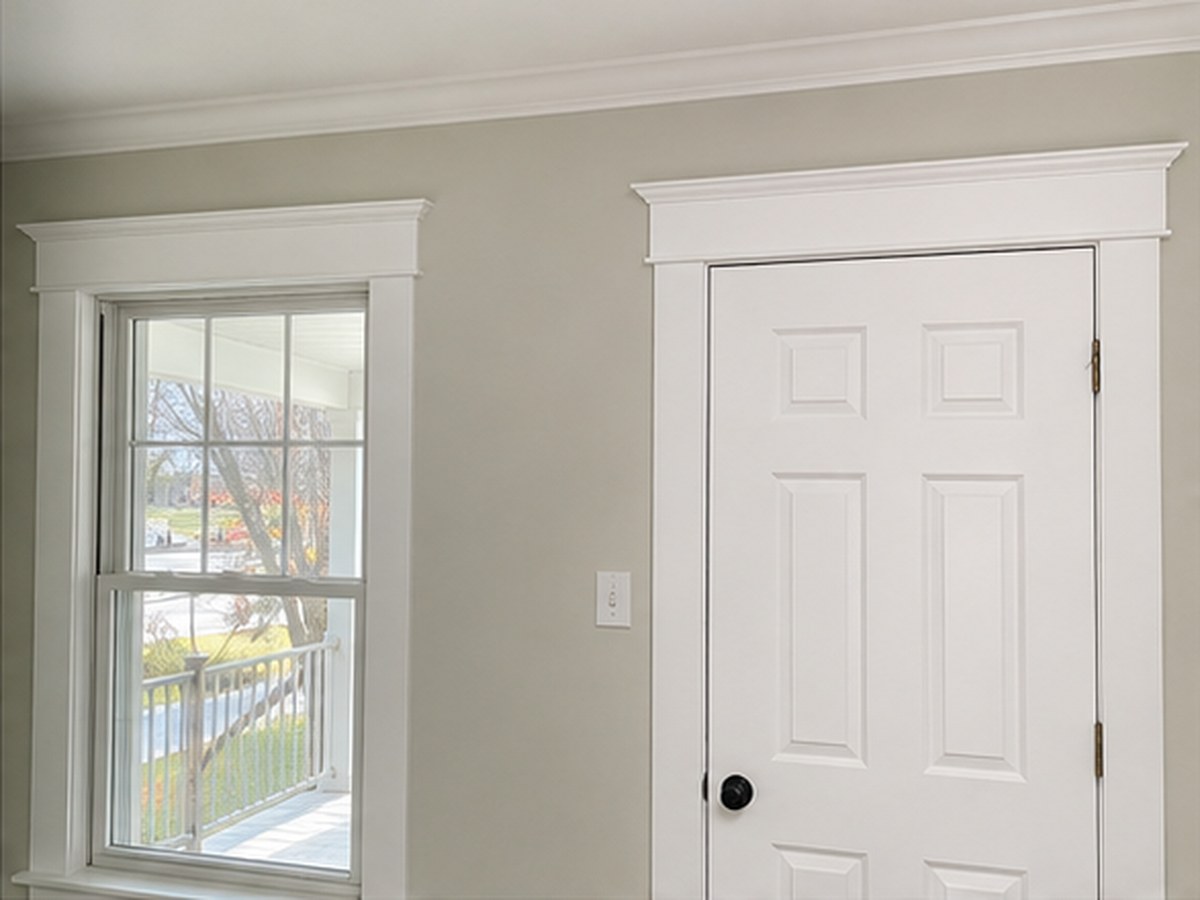
Door and window casing
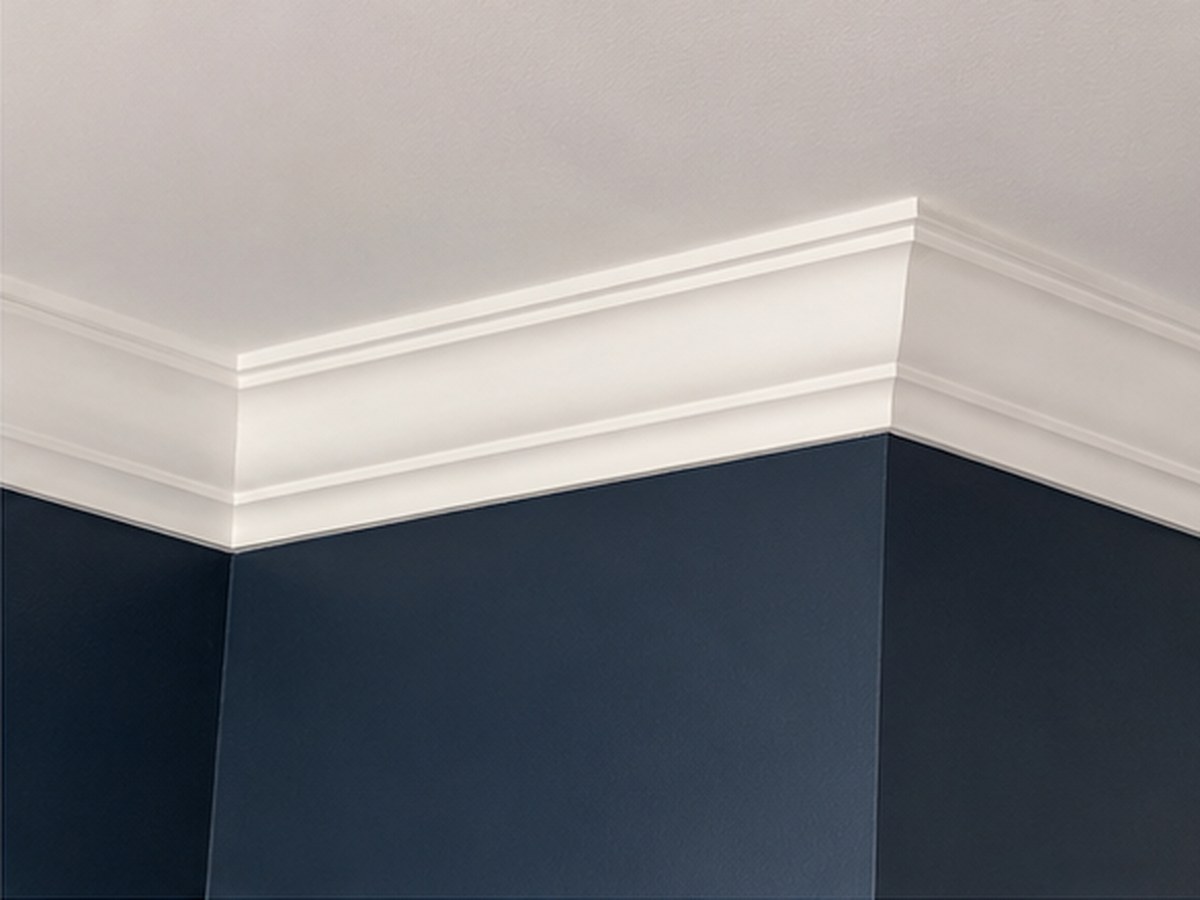
Crown molding and cove
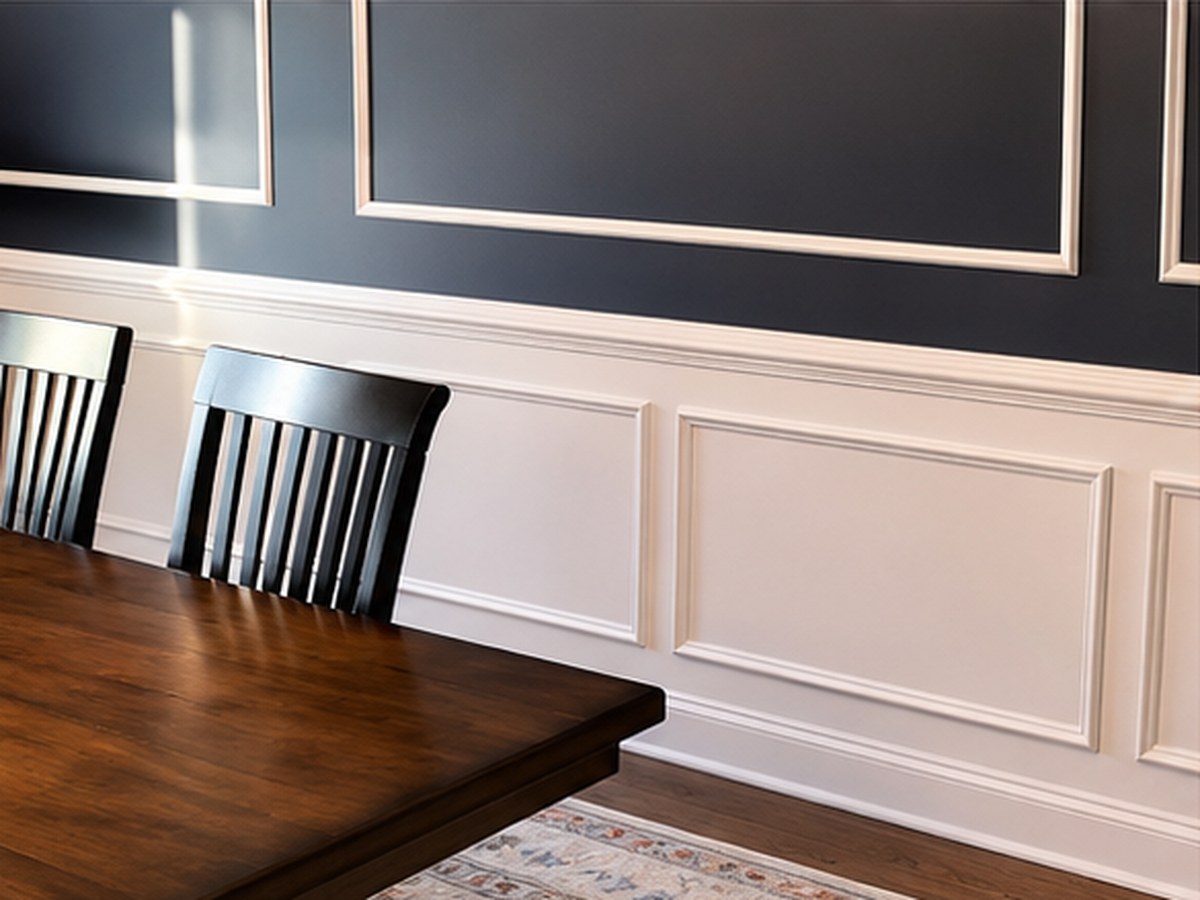
Chair rail, picture rail, and wainscoting
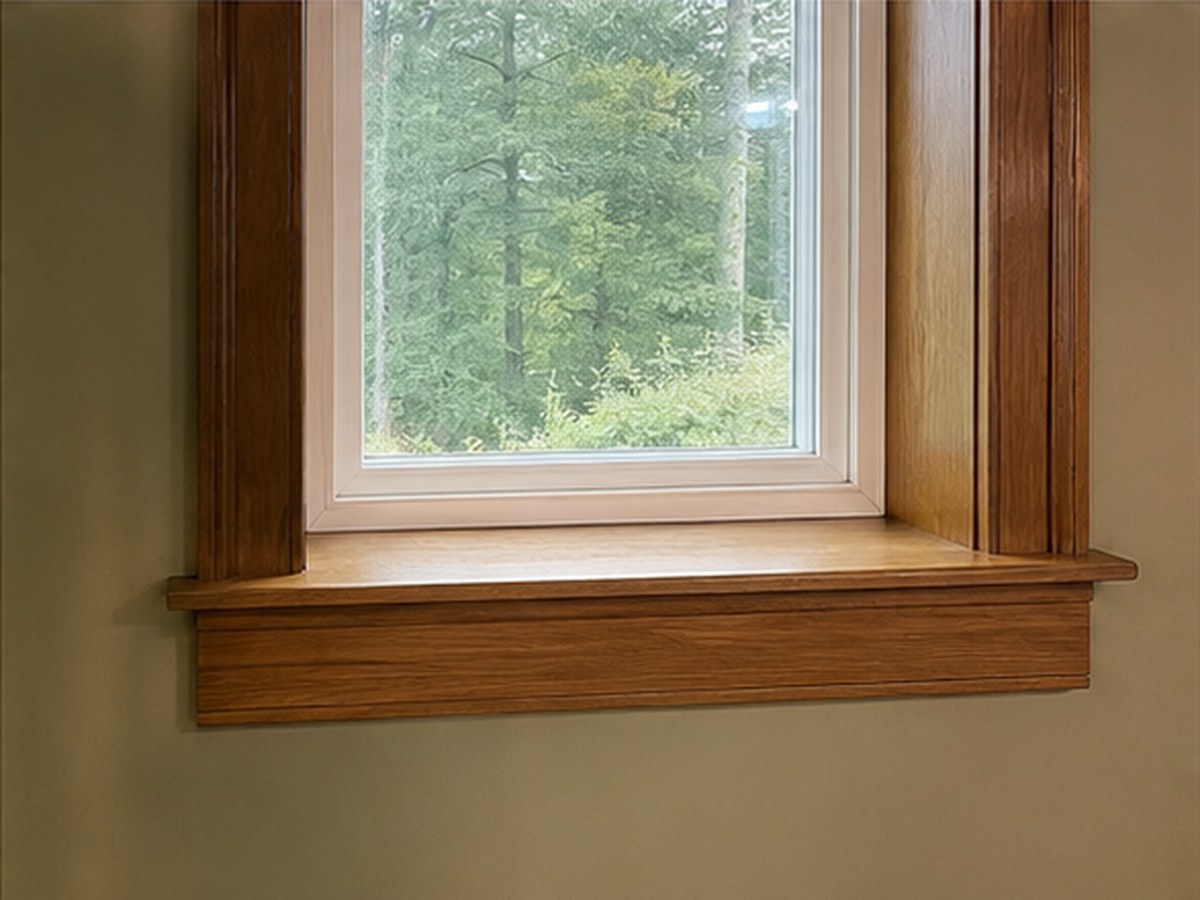
Window stools, aprons, and jamb extensions
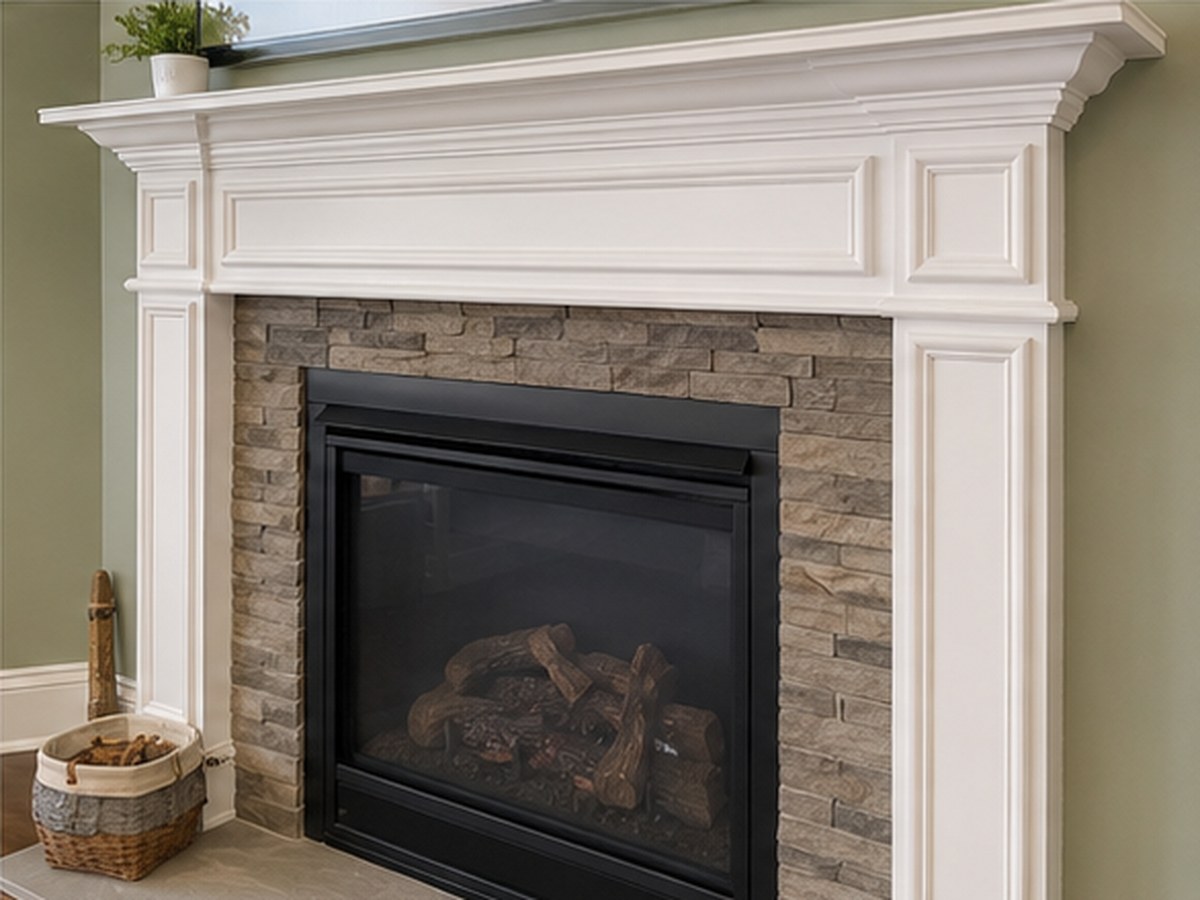
Mantels and decorative trim
Why Choose Mackwood Construction?
What you get when Mackwood does your interior trim — and what we won't do.
Free written quote, itemised before anything starts
We get underneath and look properly before quoting — not from the kerb
We'll tell you straight if a repair isn't worth doing
Based in Williamson — Mingo and Logan counties, about an hour out
Straight answers on permits, which differ either side of the county line
Built for this climate: drainage, flashing and ground contact done right
From first call to finished work — no surprises in between.
Step 1
Tell us about the project
Call, text, or send a message with what you're looking to build or repair. No form to fill in and no call centre — it comes straight to us, and you'll get a real answer about whether it's something we do.
Step 2
Send photos or schedule a look
A few photos are often enough to tell us what we're dealing with. Where it isn't — anything structural, anything hidden underneath — we'll come out and look properly before quoting rather than guessing from the kerb.
Step 3
Get a clear quote
You get a written quote that itemises the work, so you can see what you're paying for and what you aren't. If we think part of it isn't worth doing, we'll say so. No pressure and no surprises at the end.
Step 4
We build it right
We turn up when we said we would, work clean, and haul the offcuts away with us. The job gets built to last in this climate — and we'll walk it with you before we call it finished.
Not sure what yours needs?
We'll come and look, then tell you straight — including if it isn't worth doing.
Interior Trim in Williamson, WV — common questions
Straight answers to what we get asked most.
How much does interior trim cost per foot in West Virginia?
It depends on profile size, material, and how much fitting the room needs. Straight runs in a square room are quick; an older house with settled walls takes considerably longer per foot. We measure and quote in writing rather than giving a per-foot number that won't hold.
Can you match the trim already in my house?
Usually. Old profiles can often be approximated with a stock piece, built up from several stock pieces, or milled from a sample. Save a spare length if you have one — it makes the match much easier.
How long does trimming a room take?
A single room is often one to two days depending on how much trim it has and how square it is. Whole-house trim runs longer. Removing old trim first adds time, especially where it's glued or the plaster is fragile.
Do you paint the trim too?
We can, and it gets quoted separately. Either way we leave it filled, sanded, and caulked so it's ready for paint. A lot of people prefer to paint themselves and we're fine with that.
Is crown molding a good idea with low ceilings?
Sometimes, with the right profile. A tall crown in an eight-foot room can make the ceiling feel lower. A smaller cove profile usually reads better. We'll look at the room before recommending.
Why does my old trim have gaps at the corners?
Usually mitred corners that opened up as the house settled and the wood shrank. Filling them works for a season. Recoping the joint is the actual fix, which is why we cope inside corners on new work.
Do you handle interior trim West Virginia homeowners want matched across multiple rooms?
Yes, and it's worth planning together rather than room by room. Ordering one run of material and matching profiles across the whole floor costs less and looks more consistent than matching to a room you did two years ago.
Will removing old trim damage my walls?
Sometimes, particularly with plaster or where the trim was glued as well as nailed. We take it off carefully and patch what comes away, but in an older house you should expect some drywall or plaster repair as part of the job. We'll flag it in the quote rather than surprise you.
What's the difference between MDF and wood trim?
MDF is cheaper, comes primed, and takes paint beautifully with no grain showing. It also swells permanently if it gets wet, so we don't use it in bathrooms, mudrooms, or anywhere near an exterior door. Poplar costs a little more and handles moisture far better.
Can you add trim to a room that has none?
Yes, and it's one of the cheaper ways to make a plain room look finished. Baseboard and door casing alone change a room noticeably. We can start there and add crown or wainscoting later without redoing anything.
How do you handle a floor that slopes?
The baseboard gets scribed to follow the floor so the top edge stays level and there's no gap underneath. On a badly sloped floor there's a limit to what scribing can hide, and at that point we'd talk about whether the floor itself is the thing to address.
Should trim go in before or after flooring?
Usually baseboard goes on after the flooring, so it sits down on the finished surface and covers the expansion gap. Door casing typically goes first. If you're doing both at once, tell us what the flooring plan is and we'll sequence around it — getting that order wrong means pulling trim back off later.
What interior trim in Williamson actually involves
Most people are buying a result, not a list of tasks. Pick a topic to see how interior trim actually gets done and what moves the number.
More on interior trim work
Mackwood Construction installs, replaces, and repairs the interior trim WV homes need, including matching profiles that haven't been sold in fifty years.
Why trim work is harder in an older house
In new construction, trim goes on square walls, level floors, and plumb openings. Most of the housing around Williamson is nothing like that. Coal-camp houses from the 1920s and 30s have settled, floors slope, and corners are rarely a true ninety degrees.
Cutting a 45-degree mitre for a corner that's actually 87 degrees produces a gap you can see from across the room. So corners get measured individually and cut to the angle that's there. Inside corners get coped rather than mitred, because a coped joint stays tight when the wood moves and a mitred one opens up.
Baseboard on a sloping floor gets scribed — the bottom edge cut to follow the floor line so the top stays level and there's no wedge of daylight underneath. It's slow, and it's the whole job.
Matching trim that isn't made anymore
This comes up constantly. A door gets replaced, a wall gets opened, water damages a section — and the profile on the rest of the house hasn't been stocked since before anyone's grandfather bought the place.
There are usually three routes. Sometimes a modern stock profile is close enough that nobody will spot the difference once it's painted. Sometimes the profile can be built up from two or three stock pieces layered to reproduce the original shape. And for a run that really matters, it can be custom-milled from a sample.
Bring us a spare length if you have one, or we'll take a short piece from inside a closet where the gap won't show.
One thing worth knowing before you commit to matching: older trim is frequently a different height as well as a different profile. Baseboard in a 1930s house often runs taller than anything sold today. If only one room needs work, matching is usually right. If several rooms are being redone, replacing the whole floor with a consistent modern profile can cost less than custom-milling to match and looks intentional rather than patched.
How we work
Trim gets cut and fitted in the room, not batch-cut in a garage. Every opening is measured on its own. Long walls get scarf joints cut at an angle rather than butt joints, because a scarf stays invisible when the wood shrinks and a butt joint opens into a dark line.
Everything gets nailed off, filled, sanded, and caulked ready for paint. If you're painting yourself, that's where we leave it. If we're finishing it, that's quoted with the rest of the work.
We also plan around what's behind the wall before nailing. Baseboard runs across outlets, heat registers, and occasionally old plumbing that was never properly abandoned, and finding a supply line with a finish nailer is a bad afternoon for everyone.
Paint-grade or stain-grade
Paint-grade trim is usually poplar or primed finger-jointed pine. It's less expensive, and because it's getting painted, joints can be filled and caulked. It's the right answer for most rooms.
Stain-grade means the wood stays visible, so the species has to match, the grain has to be considered, and joints have to close without filler. It costs more in both material and labor. If you're matching existing stained woodwork in an older home, expect that difference.
There's a middle path a lot of people here take: keep the stained trim in the rooms where it's original and in good shape, and go paint-grade in rooms that were already painted at some point. Trying to strip painted trim back to bare wood is miserable work and rarely worth what it costs, particularly on older paint that needs handling carefully.
What drives the cost
Trim is priced mostly by linear footage, but the multiplier is how much fitting each foot needs. A straight run in a square room moves quickly. A room with eight corners, a bay window, and a floor that drops an inch does not.
What's involved
Linear feet of baseboard, casing, and crown
Number of corners and openings
Profile size — tall baseboard and large crown cost more and take longer
Paint-grade versus stain-grade
How far out of square the room is
Whether old trim has to come off first, and whether it damages the wall
Whether we're painting or leaving it prepped
Wainscoting, panelling, and accent walls
Wall panelling has come back around, and it suits older houses here because a lot of them had some version of it originally. Board and batten, shaker panels, and beadboard all work, and all of them live or die on layout.
The layout is the part that takes thought. Panel widths need to divide evenly across the wall so you don't end up with a sliver at one end, and they have to relate sensibly to door and window openings. Getting that right on paper before anything is cut is most of the job.
Height matters too. A chair-rail-height wainscot at roughly a third of the wall reads traditional; taller panelling at two-thirds changes the proportion of the room considerably. In a low-ceilinged room, going too tall makes it feel shorter.
What's involved
Board and batten
Shaker-style flat panel
Beadboard, in sheet or individual boards
Traditional raised-panel wainscot
Picture rail and applied moulding boxes
Before you call
A little information up front makes the quote quicker and stops us needing a second visit.
What's involved
Which rooms, and roughly how many linear feet
A photo of the existing trim profile if you're matching
Whether the old trim is coming off or you're adding to it
Paint-grade or stain-grade
Whether you want us to paint or just prep
Where we work
We're an interior trim contractor based in Williamson, covering Mingo and Logan counties within about an hour — Delbarton, Matewan, Logan, West Logan, Holden, Chapmanville, Man, and the communities between. West Virginia only.
Searching interior trim near me in a small market usually turns up crews who only want whole-house jobs, or listings for companies two hours away. We'll do one room, and we're actually based here.
Get a free quote for interior trim
Tell us what you're building or repairing and get a clear, no-pressure quote. Free quotes, honest answers, and craftsmanship built to last.