Had them out after the back steps started going soft underfoot. He came and looked properly before quoting anything, and told me the structure underneath was still sound — so it ended up a smaller job than I had braced myself for. Turned up when he said he would, cleaned up after himself, and the price at the end was the price we agreed. Not much more you can ask for.
Owner replied
S
Skyler White
9 months ago
Called on a Tuesday and had someone out the same week. What I appreciated most was being told straight what needed doing now and what could safely wait until spring. No pressure and no trying to talk me into the bigger version of the job. It has held up fine through the winter since.
T
Trevor Alford
2 months ago
The quote came through itemised and the final bill matched it, which has honestly not been my experience with everyone around here. They worked around an awkward driveway without once making it my problem, and left the place tidier than they found it. Would have them back.
K
Kaleb Withrow
3 weeks ago
Fair price, showed up on time, tidy work. No complaints.
See something like yours?
Send a few photos and we'll tell you what it'll take — free written quote, no pressure.
Stairs are the one part of a house where a small mistake has real consequences. People climb stairs by feel, not by looking, so a riser that's half an inch different from the others is a genuine trip hazard rather than a cosmetic flaw.
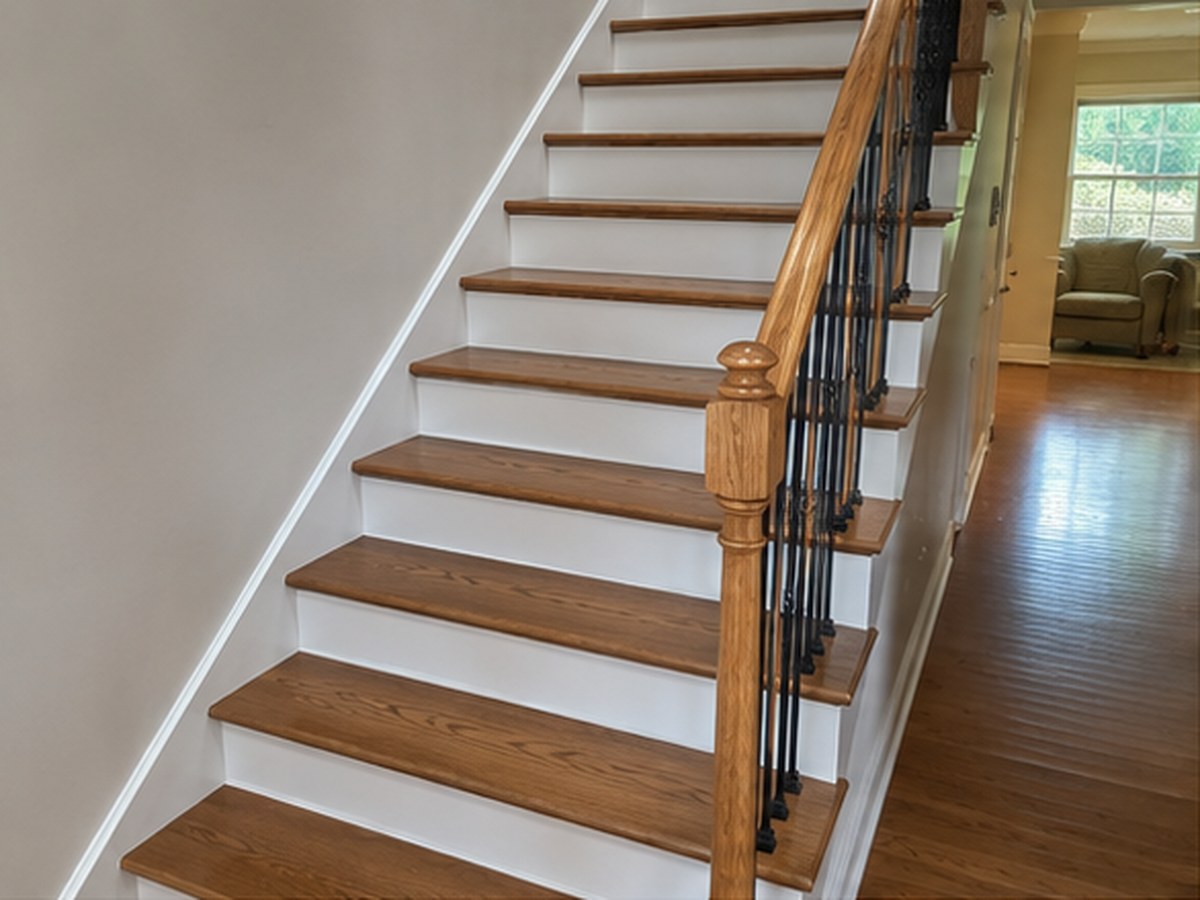
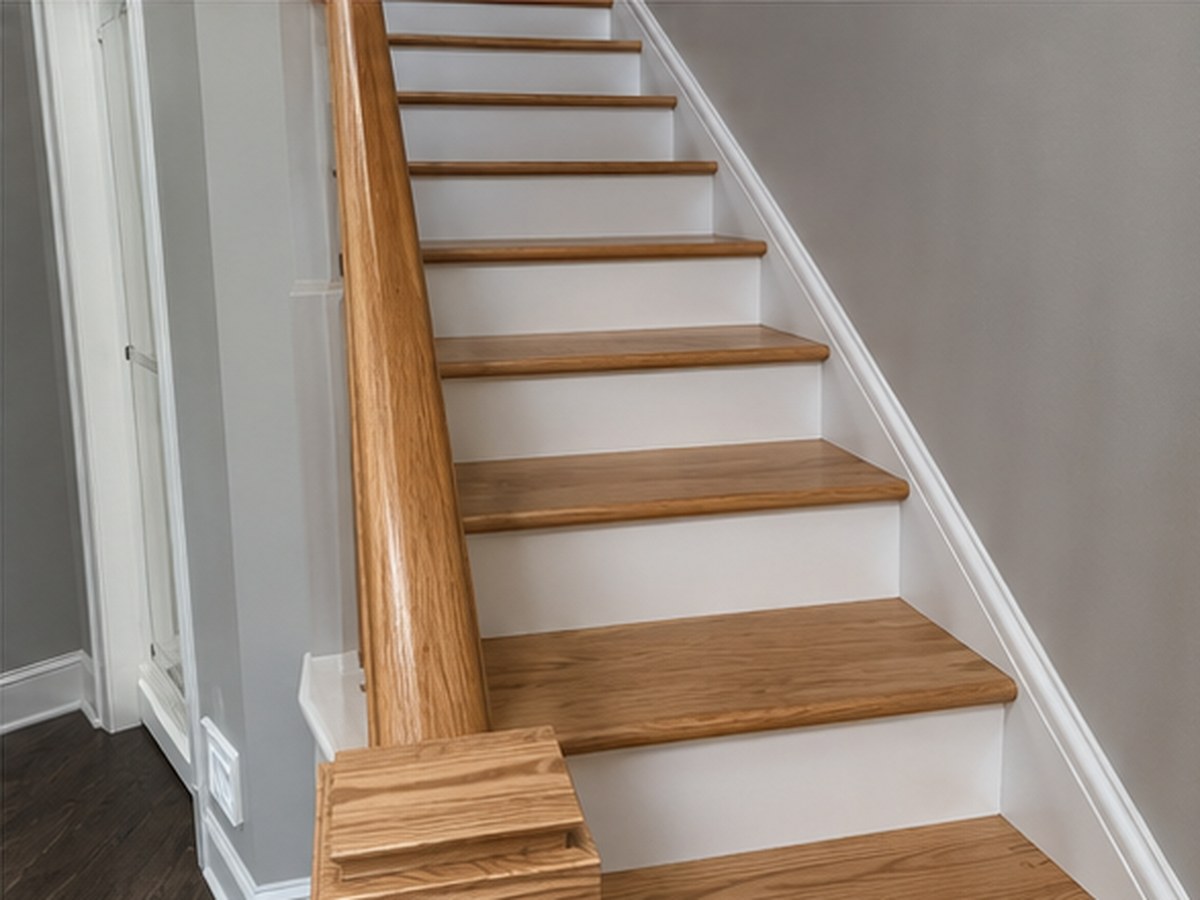
Interior staircases, new and rebuilt
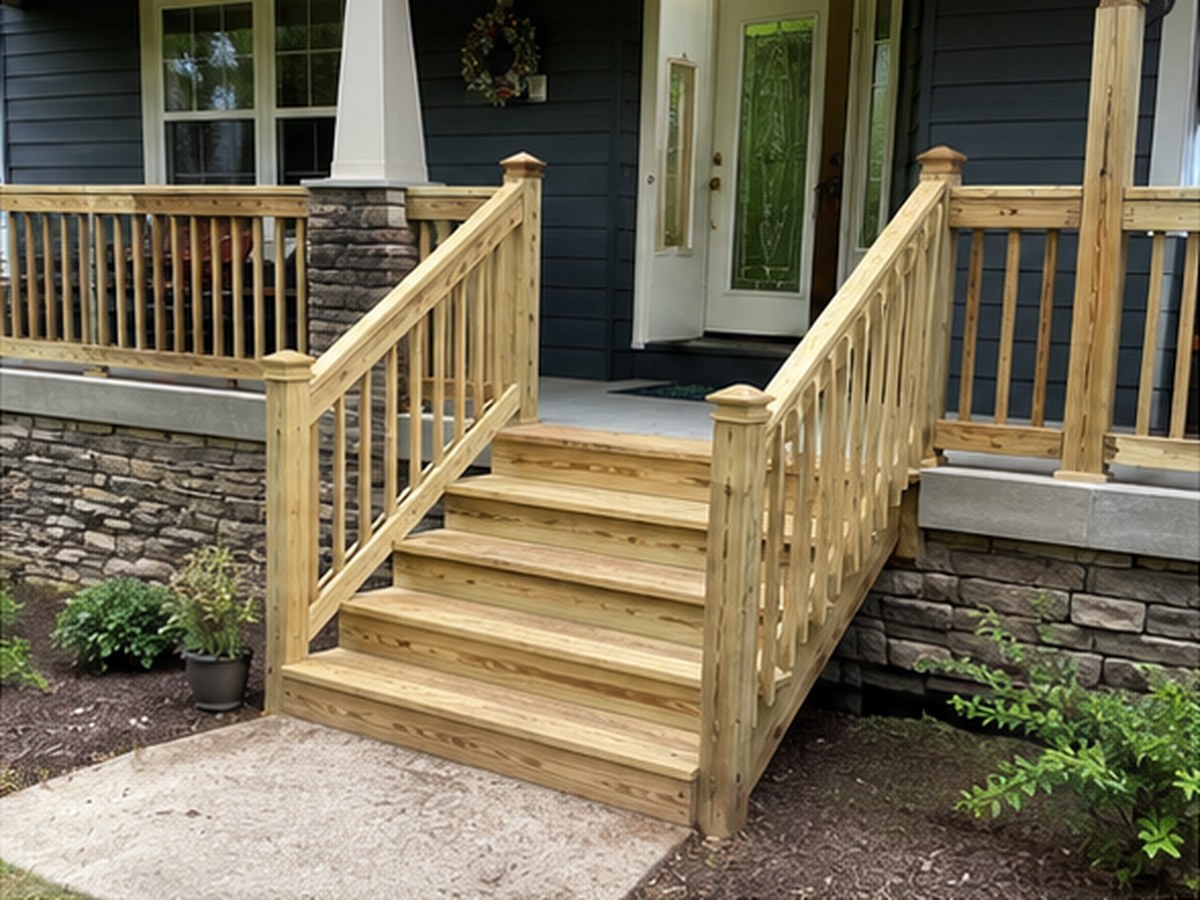
Exterior steps and porch stairs
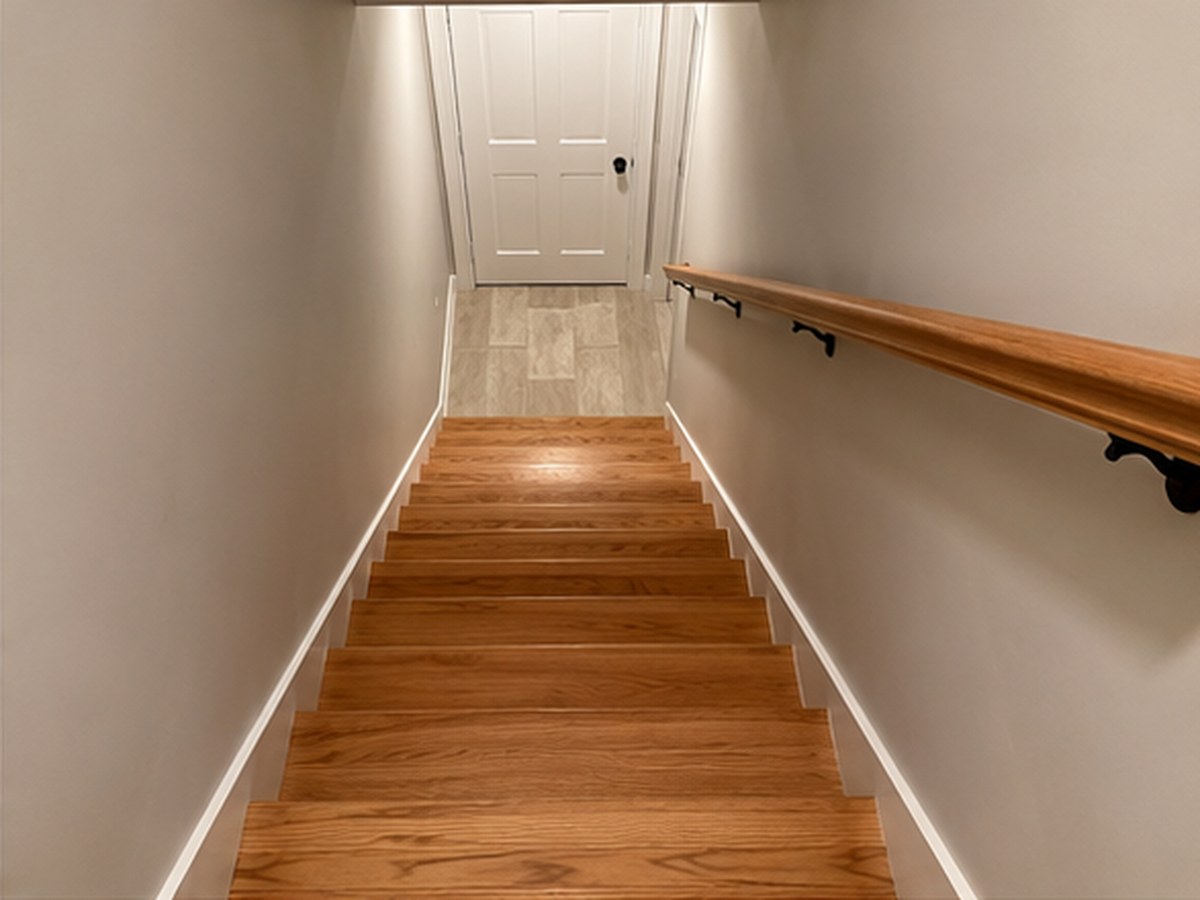
Basement and attic stairs
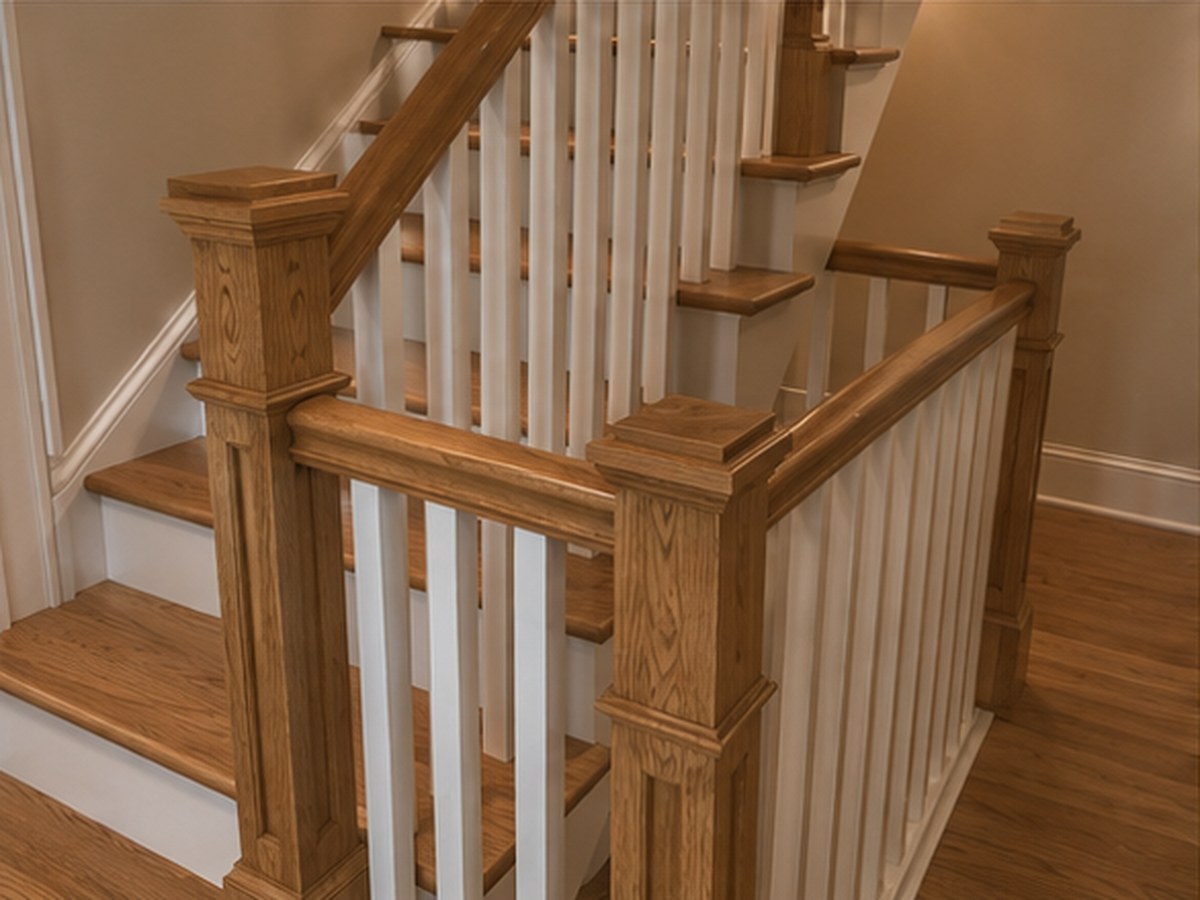
Handrails, newel posts, and balusters
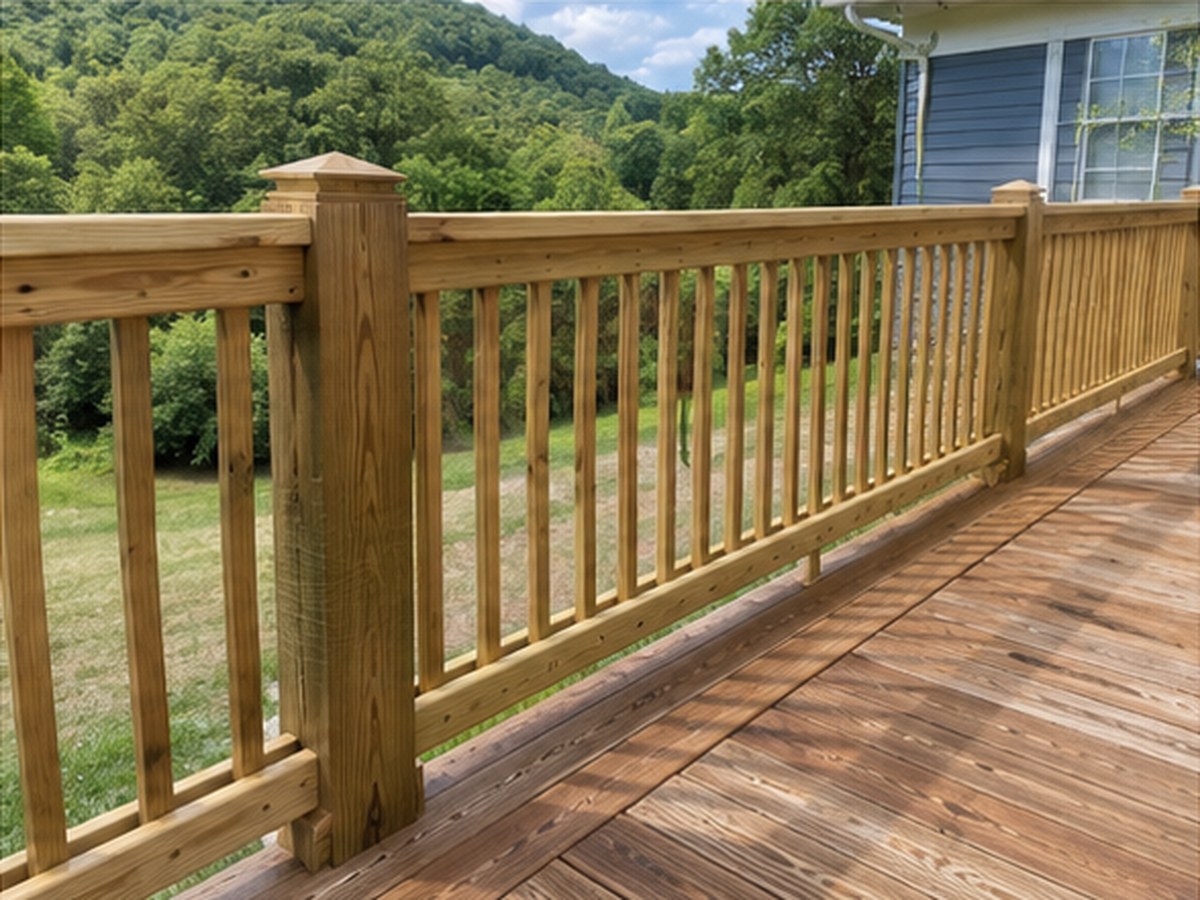
Deck and porch railings
Replacing treads and risers on sound stringers
Why Choose Mackwood Construction?
What you get when Mackwood does your stairs & railings — and what we won't do.
Free written quote, itemised before anything starts
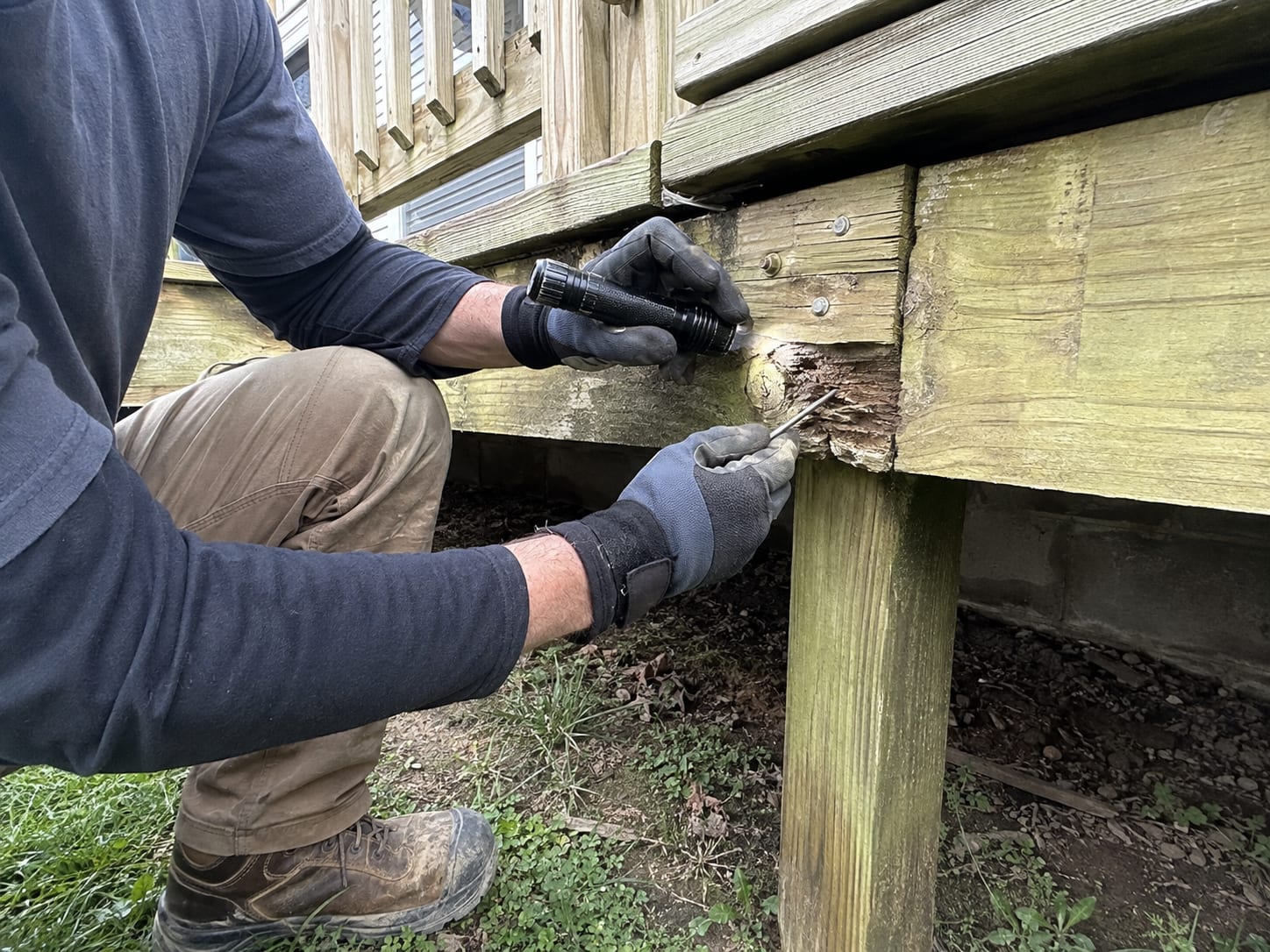
We get underneath and look properly before quoting — not from the kerb
We'll tell you straight if a repair isn't worth doing
Based in Williamson — Mingo and Logan counties, about an hour out
Straight answers on permits, which differ either side of the county line
Built for this climate: drainage, flashing and ground contact done right
From first call to finished work — no surprises in between.
Step 1
Tell us about the project
Call, text, or send a message with what you're looking to build or repair. No form to fill in and no call centre — it comes straight to us, and you'll get a real answer about whether it's something we do.
Step 2
Send photos or schedule a look
A few photos are often enough to tell us what we're dealing with. Where it isn't — anything structural, anything hidden underneath — we'll come out and look properly before quoting rather than guessing from the kerb.
Step 3
Get a clear quote
You get a written quote that itemises the work, so you can see what you're paying for and what you aren't. If we think part of it isn't worth doing, we'll say so. No pressure and no surprises at the end.
Step 4
We build it right
We turn up when we said we would, work clean, and haul the offcuts away with us. The job gets built to last in this climate — and we'll walk it with you before we call it finished.
Not sure what yours needs?
We'll come and look, then tell you straight — including if it isn't worth doing.
Stairs & Railings in Williamson, WV — common questions
Straight answers to what we get asked most.
How much do new stairs cost in Williamson, WV?
It depends on the rise, whether there's a turn or landing, and the finish. A utility basement flight and a finished oak staircase with turned balusters are very different projects. Replacing treads on sound stringers is much cheaper than a full rebuild, and we'll tell you which you need.
My stairs creak. Can that be fixed permanently?
Usually. Creaking is movement between the tread and the stringer or a loose wedge underneath. If we can get at the underside, it's fixed properly with blocks and adhesive rather than screwed at from above. From the top only, it's a decent repair but not always permanent.
Why does my railing wobble even after being tightened?
Almost always the newel post at the bottom. It has to be anchored into the framing, and once it's worked loose, tightening the visible fastener doesn't reach the actual problem. The fix means getting to the structure it bolts through.
Can you replace just the treads?
Yes, if the stringers underneath are sound. It's a common job and a fraction of a rebuild. We check the stringers before quoting it that way, because new treads on split or rotted stringers hides a structural problem.
Do old stairs have to be brought up to current standards?
Not usually if they're left alone, and often there physically isn't room. But when a railing or a flight is being rebuilt anyway, it's worth tightening baluster spacing and handrail height — particularly with small children or older family in the house.
How long does a staircase take to build?
A straight interior flight is typically a few days. Anything with a landing or a turn takes longer because the layout is more involved. Exterior steps are usually quicker unless footings are needed.
Can you match new stairs to the existing woodwork?
Yes. Newels and balusters can be matched or turned to suit, and tread material and stain can be matched to existing floors. In an older house it's worth doing — a modern staircase in a period hallway stands out badly.
My bottom step is shorter than the rest since we put new flooring in. Is that a problem?
It's the most common stair complaint we see and yes, it's a real trip hazard. People climb by rhythm, so an odd step at the end catches them out. Fixing it properly means recalculating the flight rather than shimming one step.
Do you build exterior stairs and porch steps?
Yes, and they're a large share of what we do. Outside stairs fail faster because of ground contact and water, so the rebuild usually includes getting the stringers up on proper bearing rather than sitting on soil or a block.
Do you install stairs and railings West Virginia rental properties need?
Yes. For rentals the brief is usually durable and straightforward — solid construction, simple railings, and safe spacing. That's a cheaper build than a feature staircase and it stands up to heavy use.
What stairs & railings in Williamson actually involves
Most people are buying a result, not a list of tasks. Pick a topic to see how stairs & railings actually gets done and what moves the number.
More on stair & railing work
Mackwood Construction builds and rebuilds stairs and railings WV homes need, inside and out.
Even risers, and why it matters
The rule that governs stair building is consistency. Every riser in a flight should be the same height and every tread the same depth. Your body learns the rhythm in the first two steps and then stops paying attention — which is exactly why an inconsistent step catches people out.
Older stairs here frequently fail this, sometimes because they were built by eye and sometimes because a floor has been added on top at one end. The most common version is a bottom or top step that's noticeably shorter than the rest after new flooring went down.
Fixing it means recalculating the whole flight from the total rise, not adjusting one step. That's more work than it sounds and it's the difference between stairs that feel right and stairs you have to think about.
Railings that don't move
A railing that flexes when you lean on it is the most common complaint we get, and the handrail is almost never the problem. It's the newel post — the heavy post at the bottom or top that everything else is anchored to.
A newel has to be fastened into the framing, not just screwed to the tread or the floor surface. When it works loose, tightening the visible fasteners buys a few weeks. The actual fix means getting to the structure underneath and anchoring it properly.
We cover handrail and baluster fixes in more detail on our railing repair page. On this page the focus is the whole staircase.
Standards worth meeting even in an old house
Older stairs were built to whatever was normal at the time, which is often steeper and narrower than anything built today. We're not going to tell you to rebuild a perfectly serviceable staircase to modern dimensions — frequently there isn't room to.
But there are a few things worth bringing up to standard whenever a railing or a flight is being rebuilt anyway, particularly in a house with small children or anyone unsteady on their feet.
What's involved
Baluster spacing tight enough that a small child can't fit through
Handrail at a consistent, comfortable height for the whole run
A graspable handrail profile — something you can actually close a hand around
Continuous handrail rather than one that stops short at the bottom
Consistent riser height across the full flight
Adequate lighting, which is a common and cheap improvement
Exterior steps and porch stairs
Outside stairs live a harder life than inside ones. They take rain and snow directly, they're often built over ground that moves, and the bottom step sits where water collects.
The failures follow a pattern. Stringers rot from the bottom up where they meet the ground or a pad. Treads soften in the middle where water sits. And the whole flight starts to lean when whatever it's bearing on settles, which around here is often a patio block on soil rather than a proper footing.
When we rebuild exterior stairs we get the stringers up off the ground on a proper bearing, pitch the treads very slightly so water runs off, and use material rated for the exposure it's actually getting.
Materials and finishes
Interior stairs are usually built with a softwood carriage and finished with hardwood treads if they're on show, or painted pine and carpet if they're not. Oak is the standard tread material and takes wear well.
For exterior stairs, pressure-treated rated for ground contact is the default. Cedar looks better and costs more. Composite treads on a treated frame are worth considering on a set of steps that gets constant use, since they don't need sanding and sealing.
One thing worth deciding early is whether the stairs are painted or clear-finished, because it changes what material makes sense underneath.
What drives the cost
A staircase is priced on the flight, not the step, because most of the work is in the layout and the stringers rather than the treads.
What's involved
Total rise and number of steps
Straight flight, winder, or a landing and turn
Interior finish-grade versus exterior utility
Railing complexity — plain balusters against turned or metal
Whether stringers are sound and only treads need replacing
Whether the existing flight has to come out first
Access, especially in a tight stairwell
Repair or rebuild
As with decks, the answer is in the structure. Stringers are the sawtooth boards carrying the whole flight. If they're sound, replacing treads and risers is a straightforward job at a fraction of the cost of a rebuild.
If the stringers have split at the notches, rotted at the base, or the flight has racked out of square, new treads on top of that are cosmetic work over a structural problem. We'll show you which one you're looking at.
Basement and attic stairs
The stairs people put up with the longest are the ones nobody sees. Basement flights in older houses here are often steep, open-backed, and built with whatever was to hand, and attic stairs are frequently a folding ladder that's past its working life.
Basement stairs are worth attention because they're used in poor light, often while carrying something. Adding closed risers, a proper graspable handrail, and better lighting is a cheap job that changes how safe the flight is. Where the treads have gone soft from damp, that's usually a moisture problem in the basement rather than the stairs, and it's worth finding the source before rebuilding.
Attic access is a different question — a pull-down stair has a rated load capacity, and the older ones are frequently well below what people are actually carrying up them. If yours flexes, that's worth replacing before someone is on it with a box.
Stair layout and headroom
When a staircase is being moved or built new, the two constraints that decide what's possible are total run and headroom. Total run is how much floor length the flight needs, and it's almost always more than people expect — a comfortable flight eats a surprising amount of room.
Headroom is the one that catches people out. There has to be enough clearance above the treads for someone to walk the flight without ducking, measured from the nose of each tread straight up. In a low-ceilinged older house, the opening in the floor above frequently has to be enlarged to make a new stair layout work, and that's framing work on top of the stairs themselves.
We check both before quoting a relocation, because it's better to find out at the visit that a plan won't fit than halfway through.
Before you call
Useful to have ready, though none of it is essential.
What's involved
Total height from lower floor to upper floor, if you can measure it
Number of steps in the existing flight
Photos from the side as well as straight on
Whether anything moves, creaks, or feels uneven underfoot
Interior or exterior, and whether it's covered
Where we work
We're a stairs and railings contractor based in Williamson, covering Mingo and Logan counties within about an hour's drive — Delbarton, Matewan, Logan, West Logan, Holden, Chapmanville, Man, and the communities between. West Virginia only.
Searching stairs and railings near me usually turns up either general handymen or specialist stair companies hours away. We're local, and stairs are work we do regularly rather than occasionally.
Get a free quote for stairs & railings
Tell us what you're building or repairing and get a clear, no-pressure quote. Free quotes, honest answers, and craftsmanship built to last.