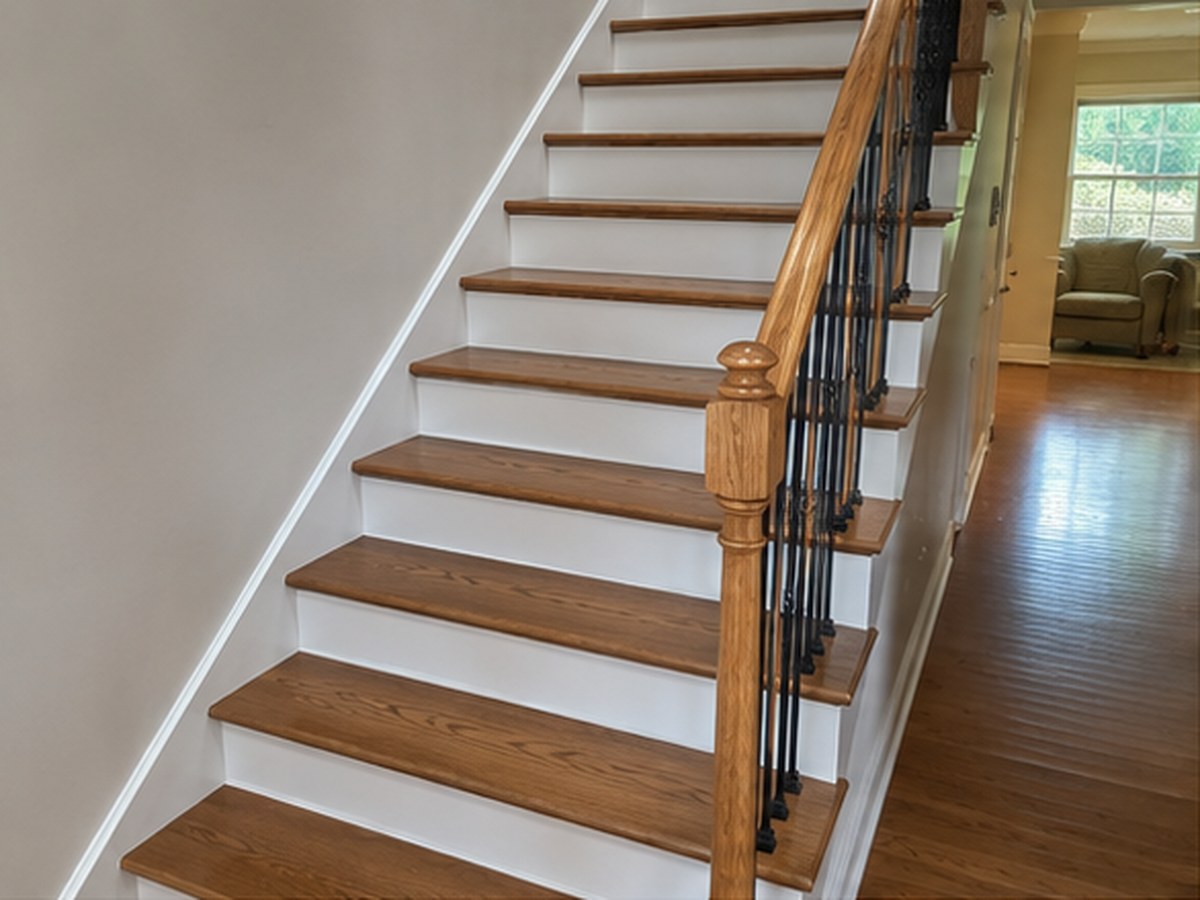
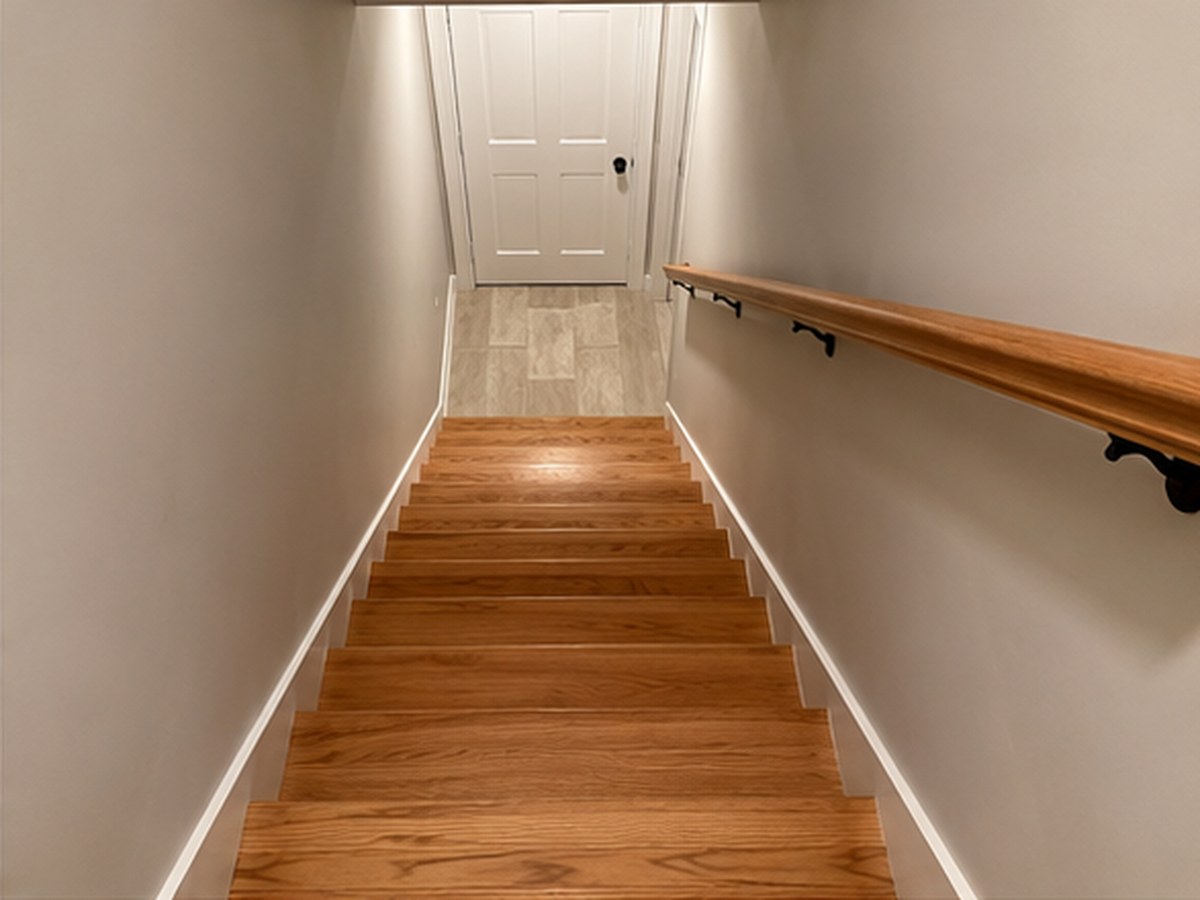
Interior stairs in Logan's coal-era houses are steeper, narrower and tighter than anything that would be built now. They were designed to take up as little floor as possible in a small house, and living with one is a different proposition from living with a modern stair.
Had them out after the back steps started going soft underfoot. He came and looked properly before quoting anything, and told me the structure underneath was still sound — so it ended up a smaller job than I had braced myself for. Turned up when he said he would, cleaned up after himself, and the price at the end was the price we agreed. Not much more you can ask for.
Owner replied
S
Skyler White
9 months ago
Called on a Tuesday and had someone out the same week. What I appreciated most was being told straight what needed doing now and what could safely wait until spring. No pressure and no trying to talk me into the bigger version of the job. It has held up fine through the winter since.
T
Trevor Alford
2 months ago
The quote came through itemised and the final bill matched it, which has honestly not been my experience with everyone around here. They worked around an awkward driveway without once making it my problem, and left the place tidier than they found it. Would have them back.
K
Kaleb Withrow
3 weeks ago
Fair price, showed up on time, tidy work. No complaints.
See something like yours?
Send a few photos and we'll tell you what it'll take — free written quote, no pressure.
Stairs built when floor space mattered more than comfort
A company-era house put the stair where it cost the least room, which usually means a steep straight run against a wall, a tight winder at the bottom, or both. Headroom at the top is frequently marginal, and the treads are narrower than a modern foot expects.
Rise evened out across an original flight
Worn treads and nosings replaced
Handrails run the full length of a flight
Winder treads rebuilt to a consistent geometry
Original newels and balusters repaired rather than replaced
Why Choose Mackwood Construction?
What you get when Mackwood does your stairs & railings — and what we won't do.
Free written quote, itemised before anything starts
We get underneath and look properly before quoting — not from the kerb
We'll tell you straight if a repair isn't worth doing
Based in Williamson — Mingo and Logan counties, about an hour out
Straight answers on permits, which differ either side of the county line
Built for this climate: drainage, flashing and ground contact done right
From first call to finished work — no surprises in between.
Step 1
Tell us about the project
Call, text, or send a message with what you're looking to build or repair. No form to fill in and no call centre — it comes straight to us, and you'll get a real answer about whether it's something we do.
Step 2
Send photos or schedule a look
A few photos are often enough to tell us what we're dealing with. Where it isn't — anything structural, anything hidden underneath — we'll come out and look properly before quoting rather than guessing from the kerb.
Step 3
Get a clear quote
You get a written quote that itemises the work, so you can see what you're paying for and what you aren't. If we think part of it isn't worth doing, we'll say so. No pressure and no surprises at the end.
Step 4
We build it right
We turn up when we said we would, work clean, and haul the offcuts away with us. The job gets built to last in this climate — and we'll walk it with you before we call it finished.
Not sure what your stairs & railing needs?
We'll come and look, then tell you straight — including if it isn't worth doing.
Sometimes, and often not — a shallower stair needs more floor length, and in these houses that length usually is not there. We will tell you straight rather than taking the job and discovering it. What can nearly always be improved is the rise consistency, the treads and the handrail.
My newel post is loose. Can it be tightened?
Tightening it at the top rarely lasts, because the problem is normally that it has lost its connection to the framing below the floor. Fixing it properly means getting at that connection. It is a bigger job than it looks and it actually holds afterwards.
Can you match the balusters in my house?
Usually. The originals in these houses are often a profile nobody sells, but they can be turned or milled to match so the run stays consistent. That is generally better than replacing the whole set with something modern.
Why do my outside steps keep rotting at the bottom?
Because the bottom of the stringer is sitting in wet ground, which up the hollows here it usually is. Setting the structure on something that drains and using material rated for ground contact is most of the difference between one set lasting and the next one not.
Do you actually come out to Logan, or just Williamson?
Logan is a regular run for us — about 40 minutes from Williamson on US-119. It's well inside the hour we cover, and we're in Logan County often enough that it isn't a special trip.
Is a permit different in Logan County than in Mingo County?
It can be. Logan County and Mingo County administer permitting and inspection separately, so the same job can have different requirements depending which side of the line you're on. Structural work is the case where it matters most. We'll tell you what applies before we start rather than after.
My house is up a hollow with a narrow drive. Is that a problem?
No, it's normal here. It affects what we can haul in one trip and how long material handling takes, not whether the job can be done. We'd rather see the access before quoting so the number accounts for it.
Most people are buying a result, not a list of tasks. Pick a topic to see what we look at before quoting in Logan.
More on stair & railing work in Logan
Rebuilding that to modern proportions is sometimes possible and frequently is not, because a shallower stair needs more floor length and the floor length does not exist. Being straight about that early saves everyone time.
What can nearly always be improved is consistency, grip and the railing. An even rise the whole way, treads with a proper nosing, and a handrail that runs the full length at a height that works — those three changes make an old stair markedly safer without moving a wall.
Original stair parts are worth keeping
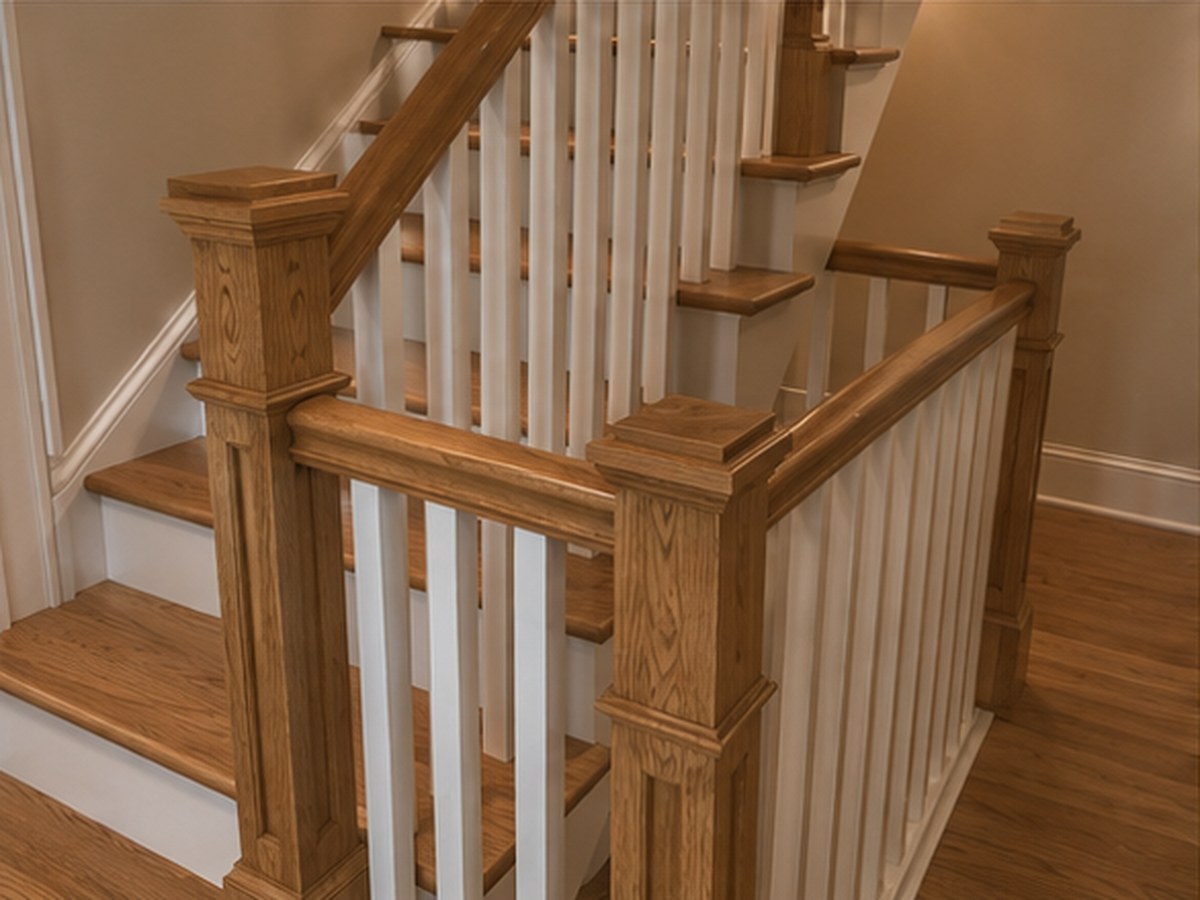
The newel posts and balusters in these houses are often the best joinery in the building, and they are usually a profile nobody sells. Where they are loose rather than broken, the right answer is refixing them properly rather than replacing them with something modern that will not match anything else in the house.
Loose is normally a fixing problem rather than a component problem. A newel that moves has generally lost its connection to the framing below the floor, and tightening it at the top does nothing about that.
Where a baluster or two genuinely has gone, they can usually be turned or milled to match the originals so the run stays consistent.
The approach from outside
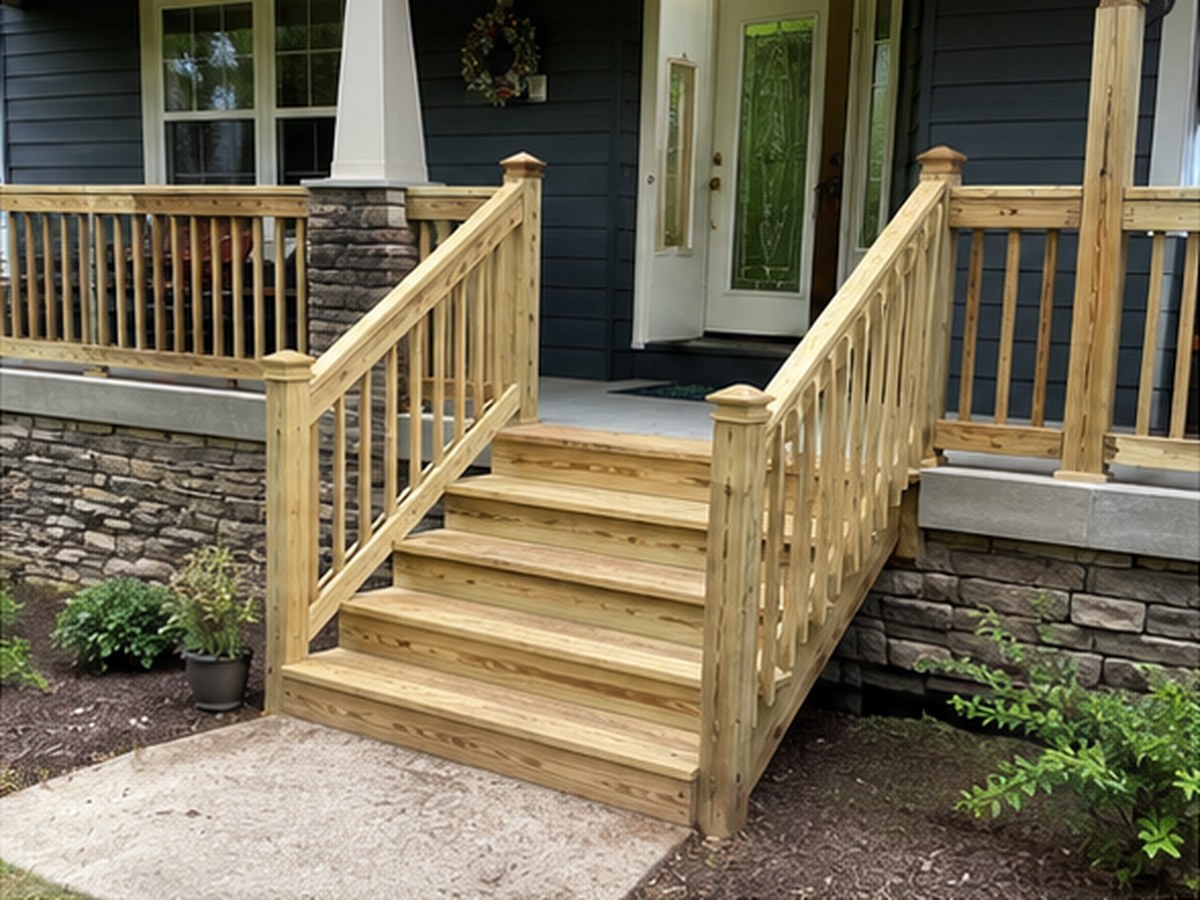
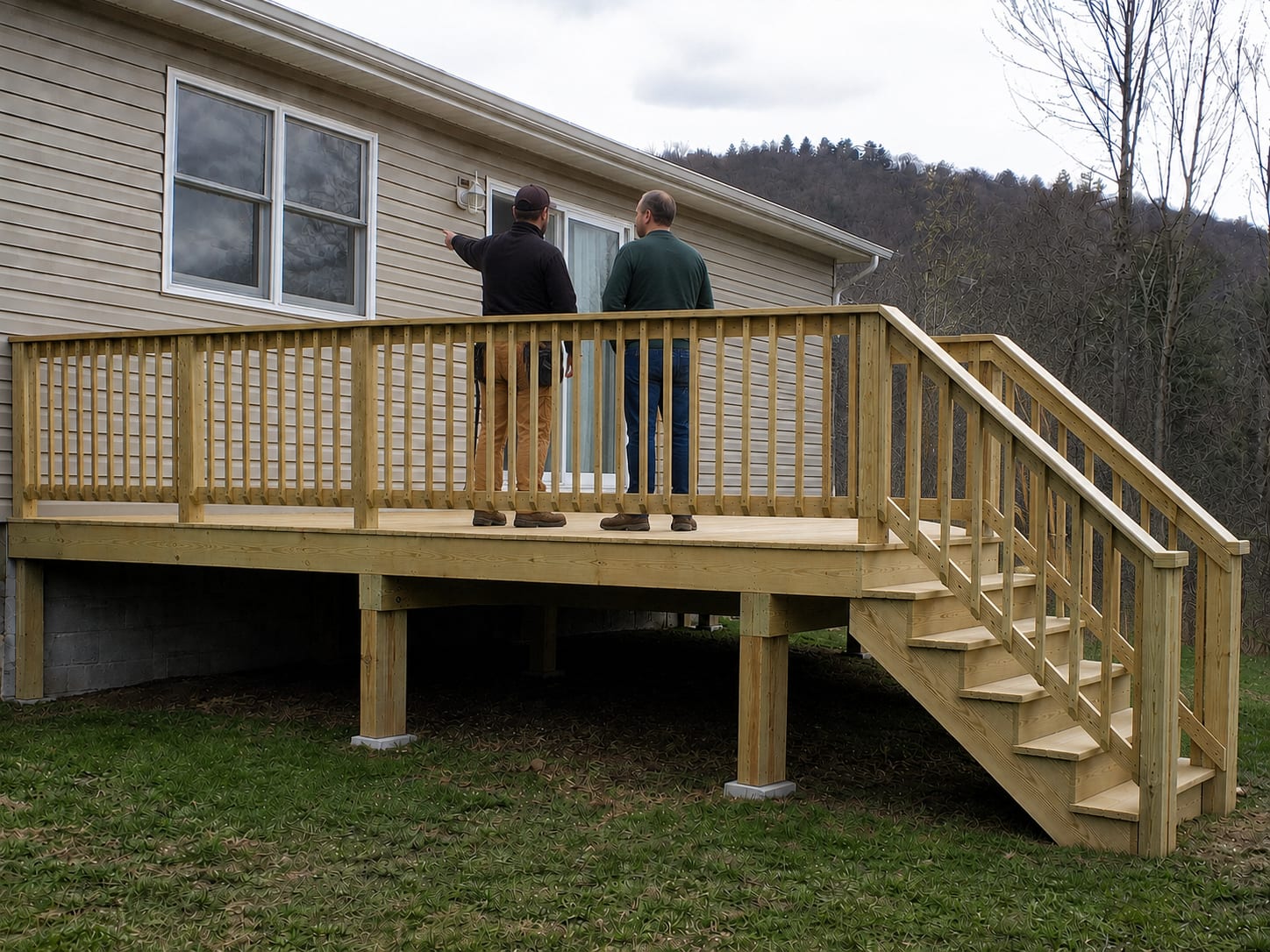
Up the hollows off Island Creek and Mud Fork the houses sit above the road on a grade, so the outside steps are long and the ground at the bottom of them is wet more often than not. That combination is hard on stringers.
The fix is the same everywhere: keep the bottom of the structure out of the dirt, set it on something that drains, and use material rated for where it actually sits. It costs very little more at the time and is most of why one set lasts and the next does not.
About forty minutes from Williamson on US-119, a regular run rather than a special trip.
Homes around Logan
Logan's housing runs heavily to early-to-mid 20th century stock built when the coal operations were at their peak — company-built houses in town and up the hollows, most of them wood-framed on block or stone piers rather than a poured perimeter foundation. Nearly all of them have a covered front porch, because that was standard on the pattern. Those porches were framed with untreated lumber and set close to grade, which is the single biggest reason porch work is the most common carpentry call in this county.
What we see locally
Logan sits at the confluence of the Guyandotte River and Island Creek, and the town has a long, documented flood history — the 1977 Guyandotte flood is still the benchmark locally. Repeated wetting is what drives the rot we see: sill plates, porch posts, joist ends, and the bottoms of exterior door frames. Add hillside runoff coming off the slopes behind the houses and you get wood that stays damp long after the weather clears.
Getting to the job
Town lots in Logan are tight and often sit right on the street, so material gets carried rather than backed in. Up the hollows off Island Creek and Mud Fork the roads narrow and the driveways get steep, which limits trailer size and means longer carries. None of that changes the price of the carpentry — it changes how long the day takes, and we allow for it in the quote rather than discovering it on arrival.
Get a free quote for stairs & railings in Logan
Tell us what you're building or repairing and get a clear, no-pressure quote. Free quotes, honest answers, and craftsmanship built to last.