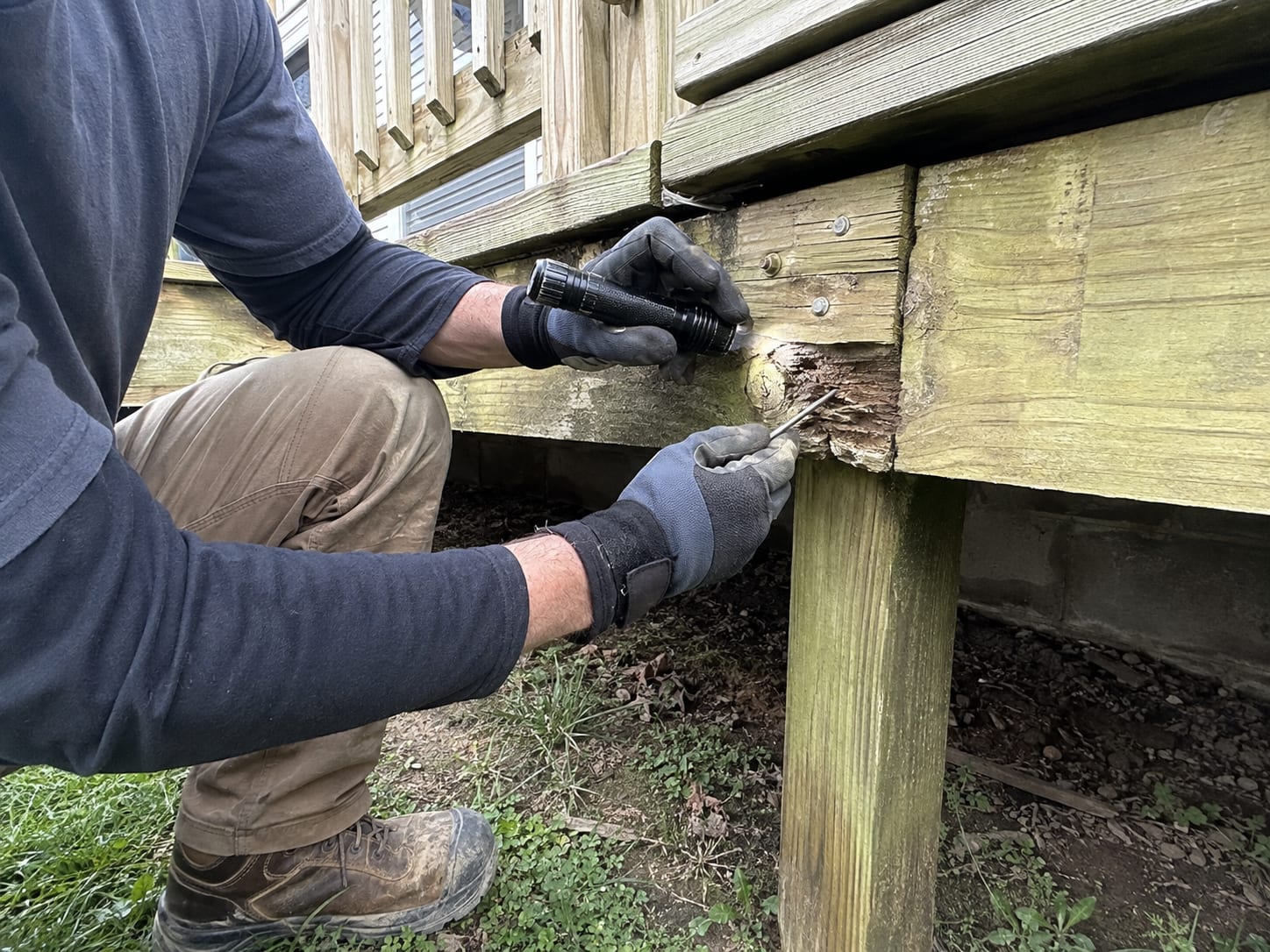
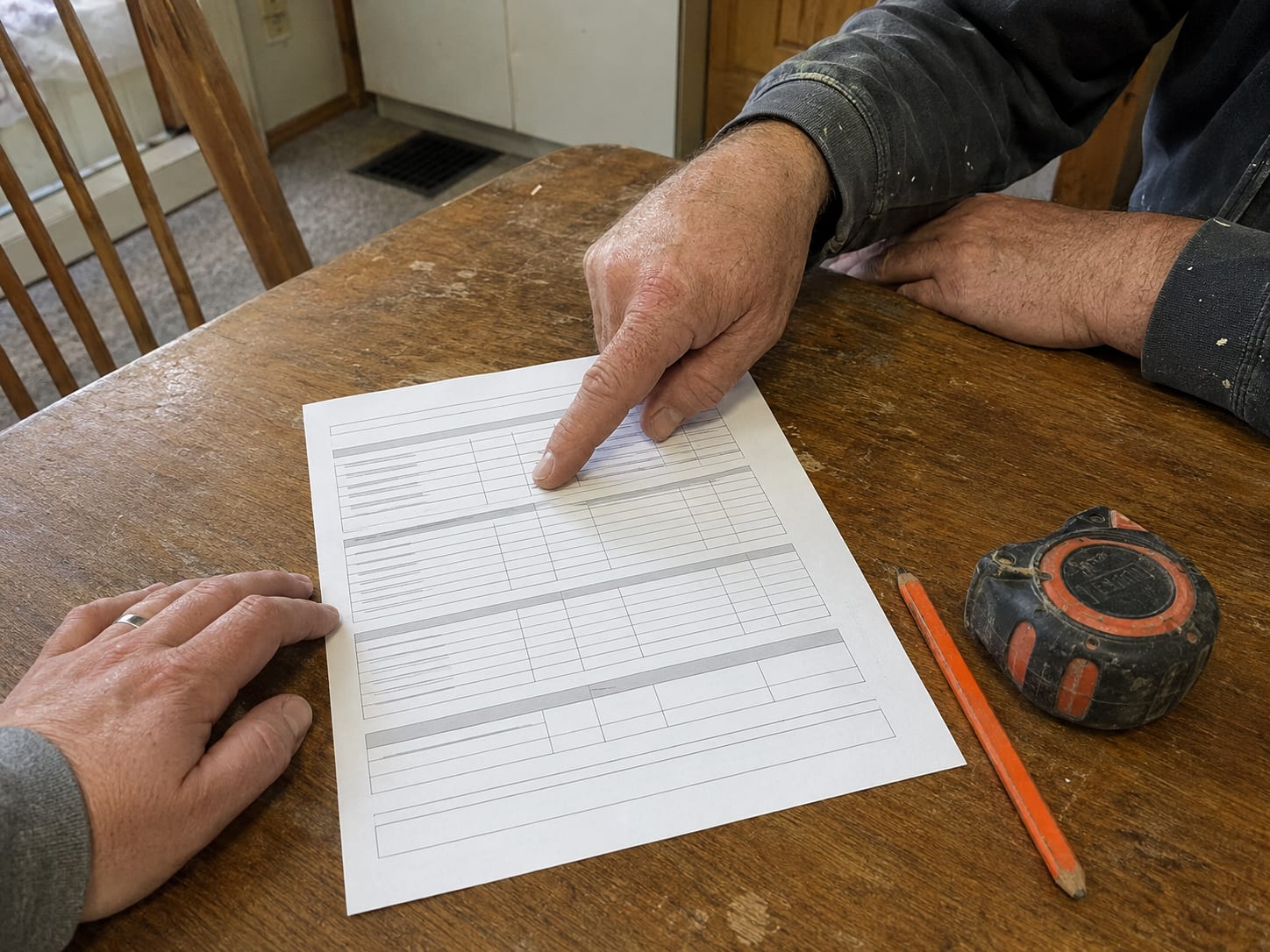
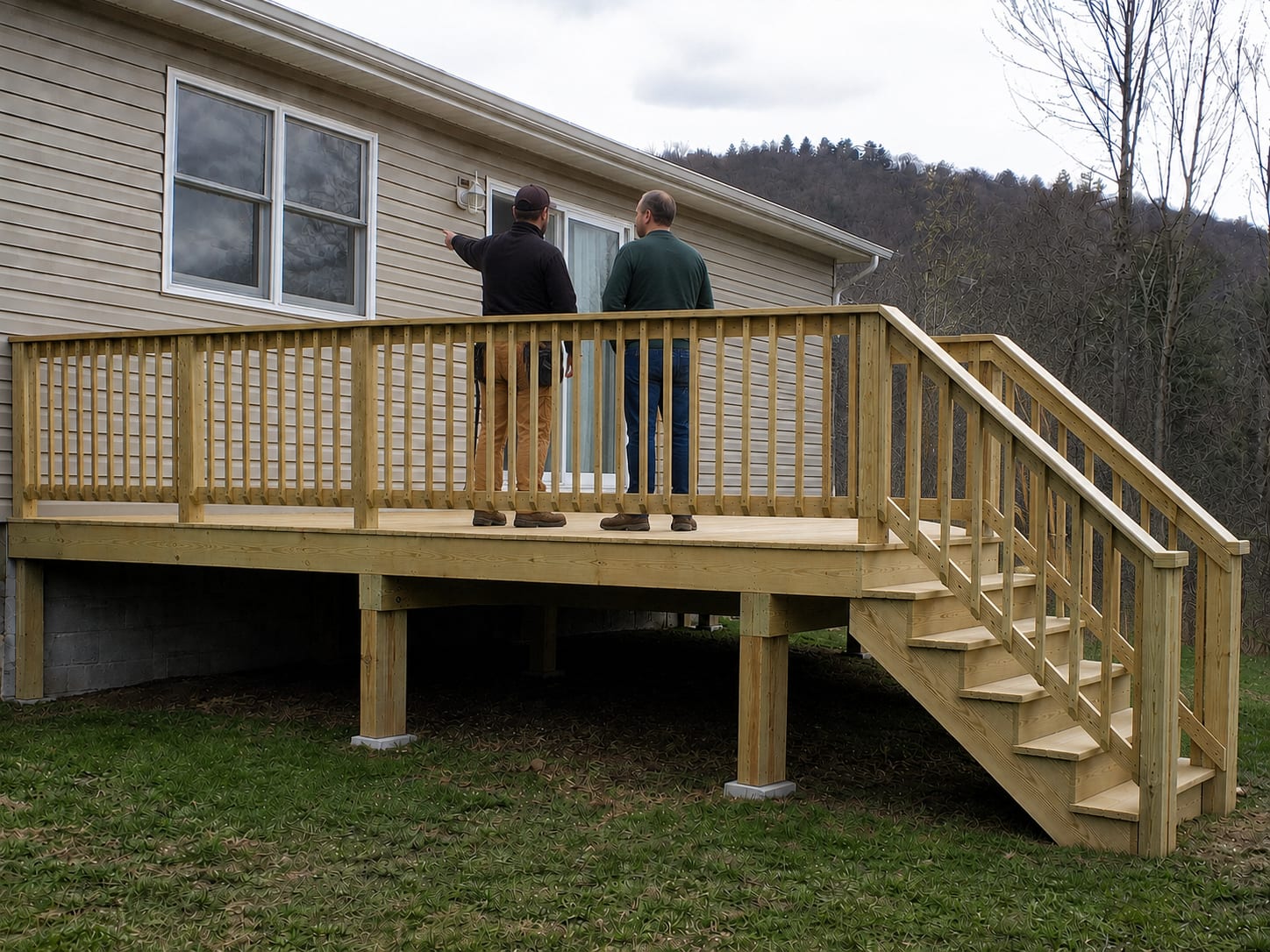
Had them out after the back steps started going soft underfoot. He came and looked properly before quoting anything, and told me the structure underneath was still sound — so it ended up a smaller job than I had braced myself for. Turned up when he said he would, cleaned up after himself, and the price at the end was the price we agreed. Not much more you can ask for.
Owner replied
S
Skyler White
9 months ago
Called on a Tuesday and had someone out the same week. What I appreciated most was being told straight what needed doing now and what could safely wait until spring. No pressure and no trying to talk me into the bigger version of the job. It has held up fine through the winter since.
T
Trevor Alford
2 months ago
The quote came through itemised and the final bill matched it, which has honestly not been my experience with everyone around here. They worked around an awkward driveway without once making it my problem, and left the place tidier than they found it. Would have them back.
K
Kaleb Withrow
3 weeks ago
Fair price, showed up on time, tidy work. No complaints.
See something like yours?
Send a few photos and we'll tell you what it'll take — free written quote, no pressure.
Custom carpentry means the piece gets built for your house instead of bought off a shelf and forced to fit. In an older home around Williamson that difference shows up fast — walls that aren't plumb, floors that slope an inch across a room, and door openings that were framed by hand seventy years ago. Stock cabinets and pre-made shelving assume none of that is true.
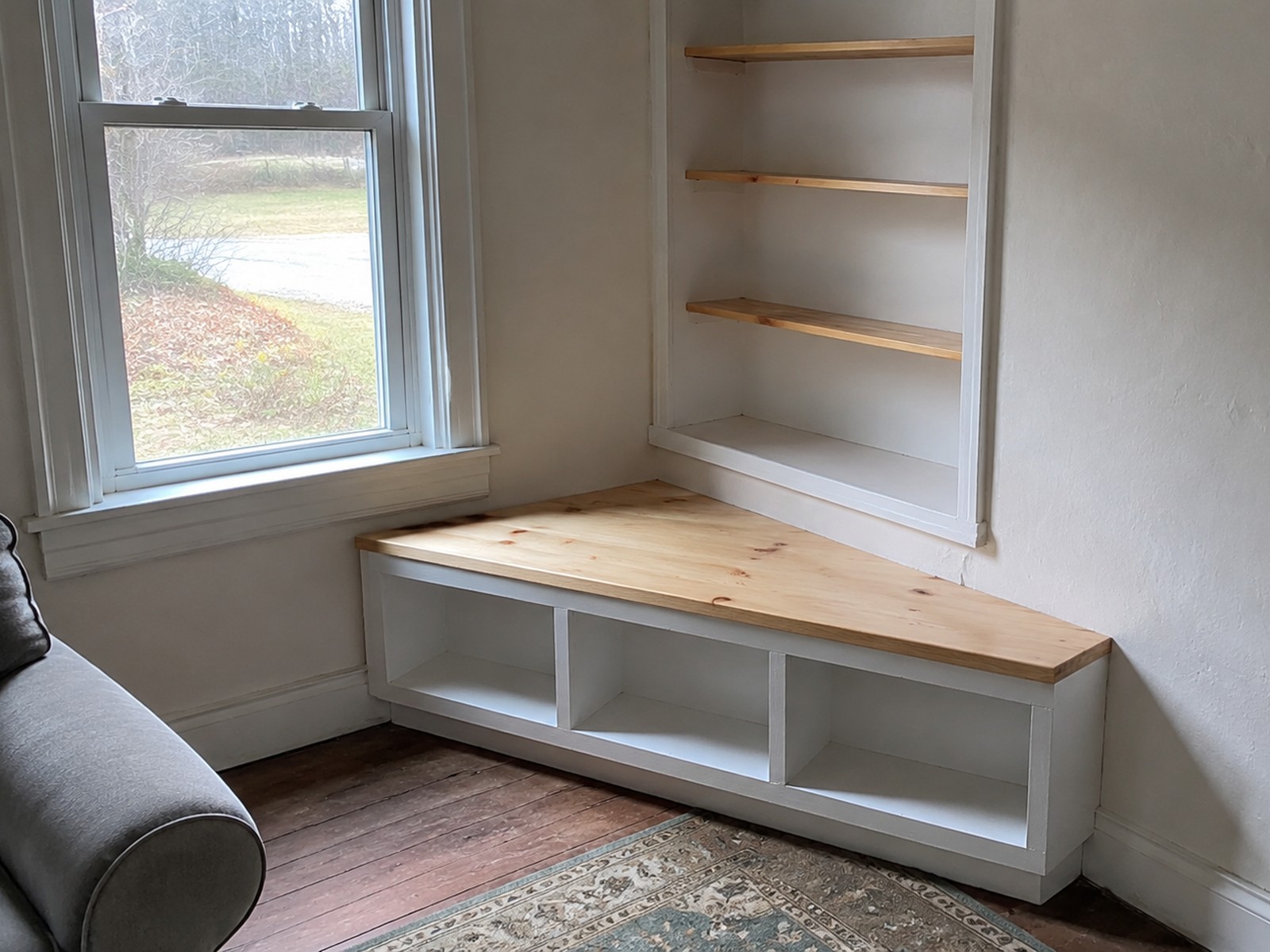
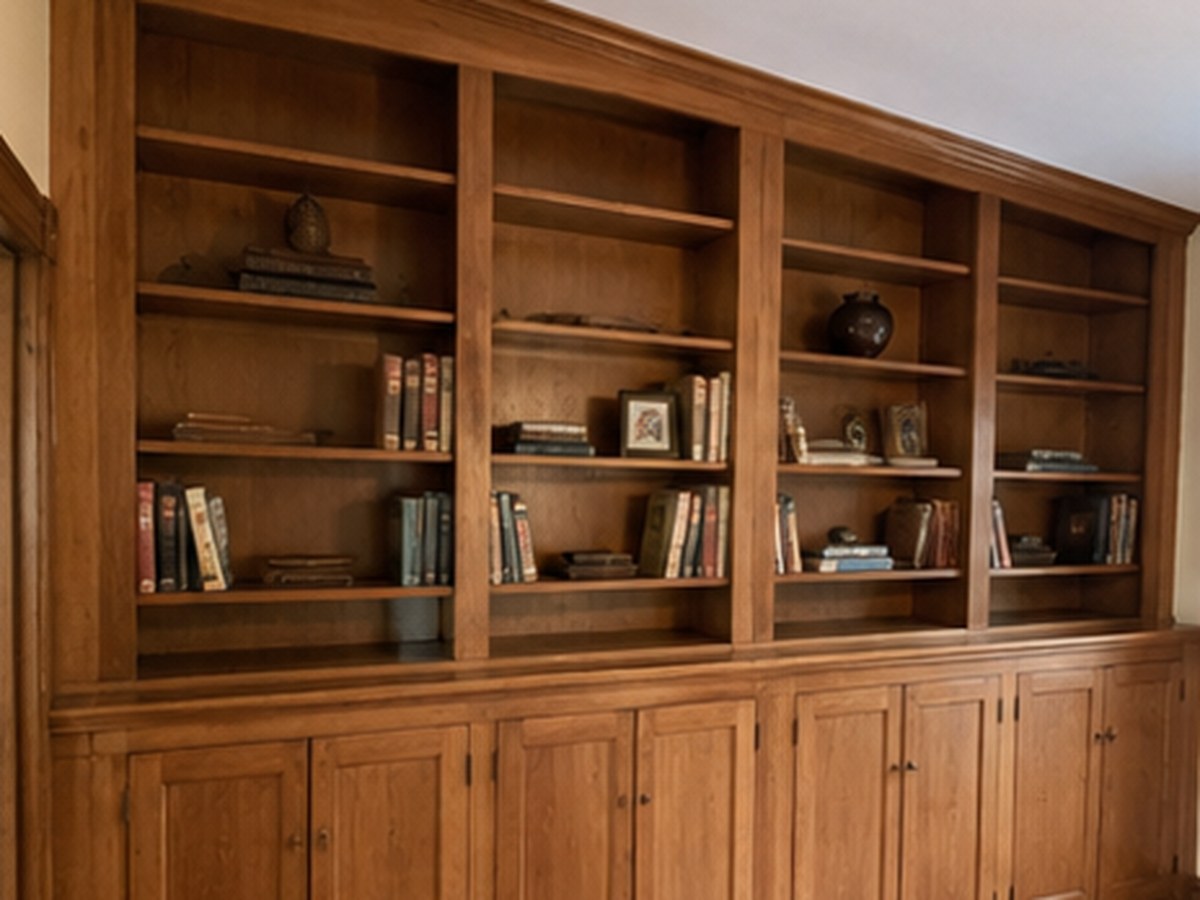
Built-in cabinets, bookshelves, and storage sized to the wall
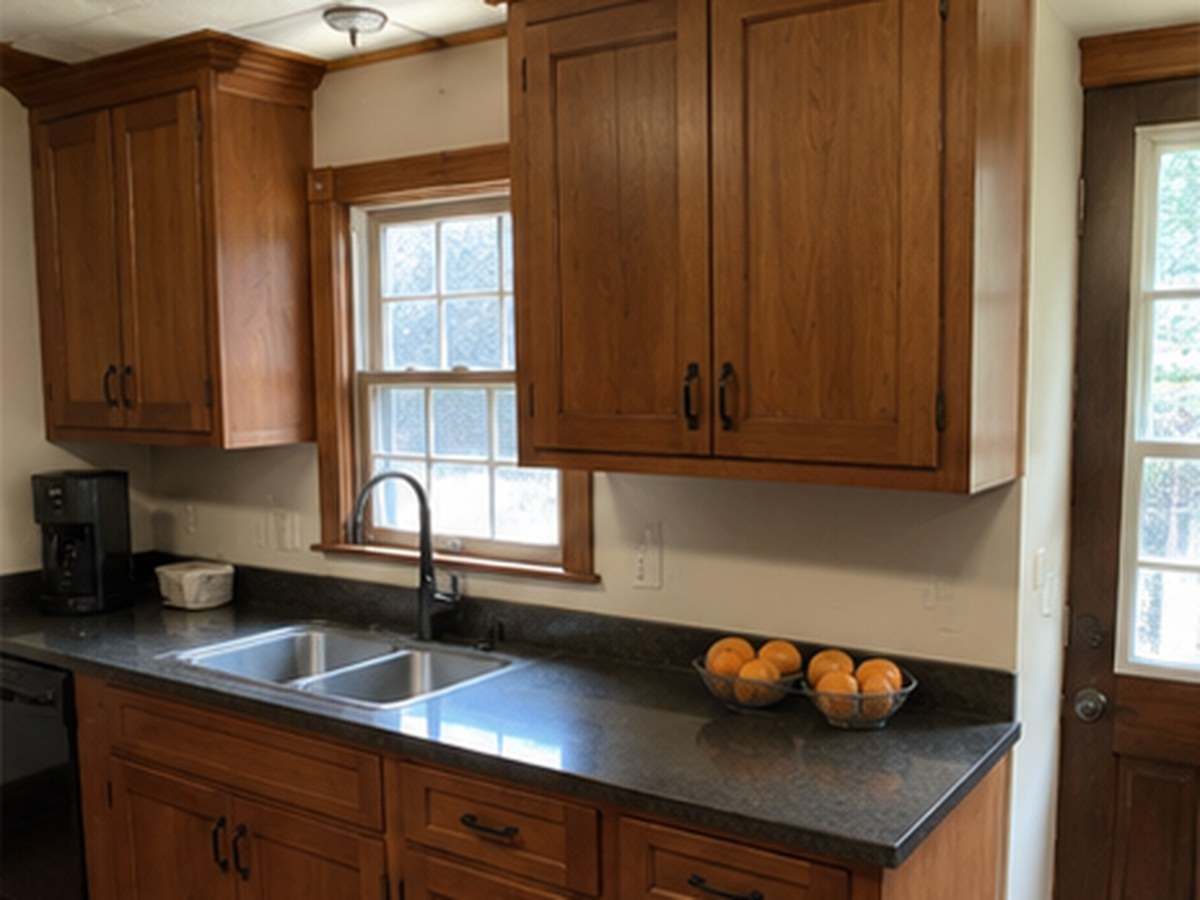
Kitchen and bath cabinetry, including replacing doors and boxes
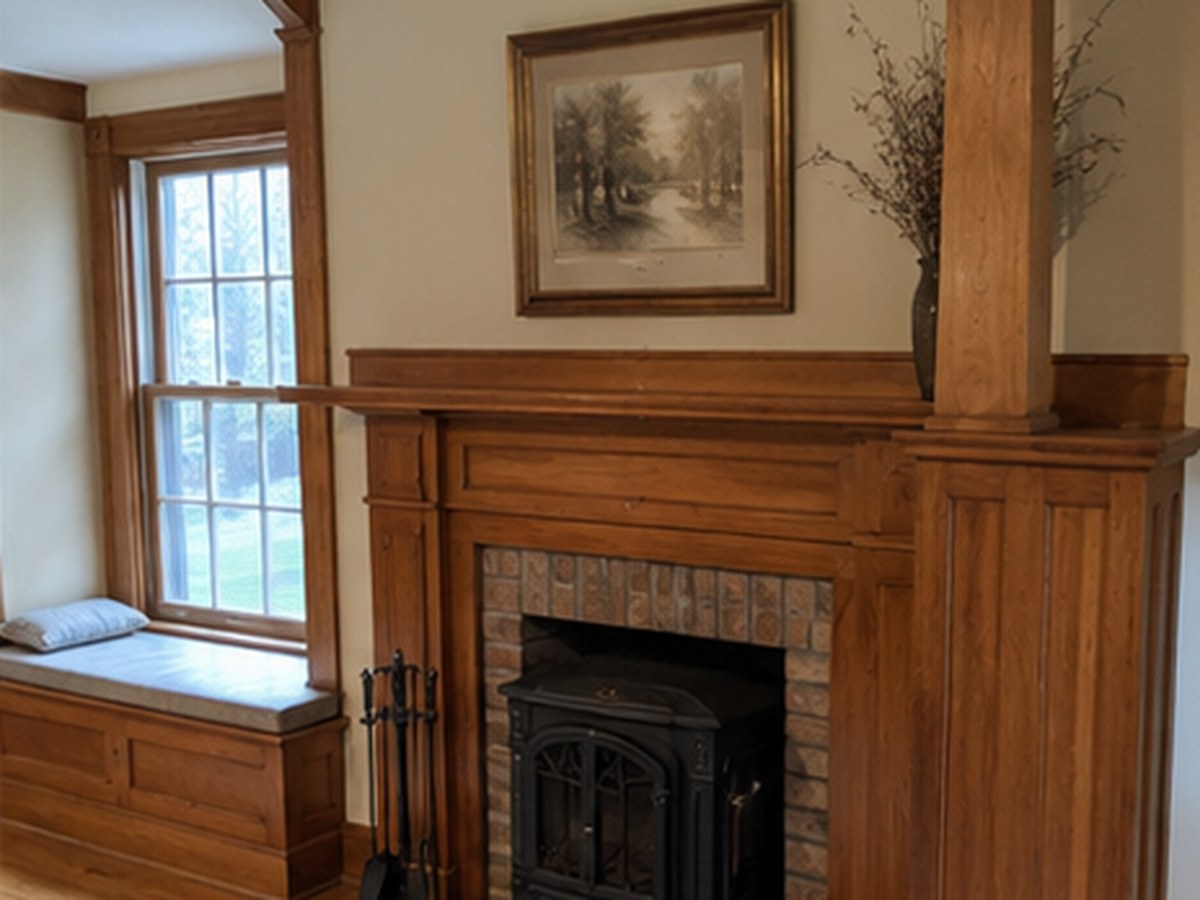
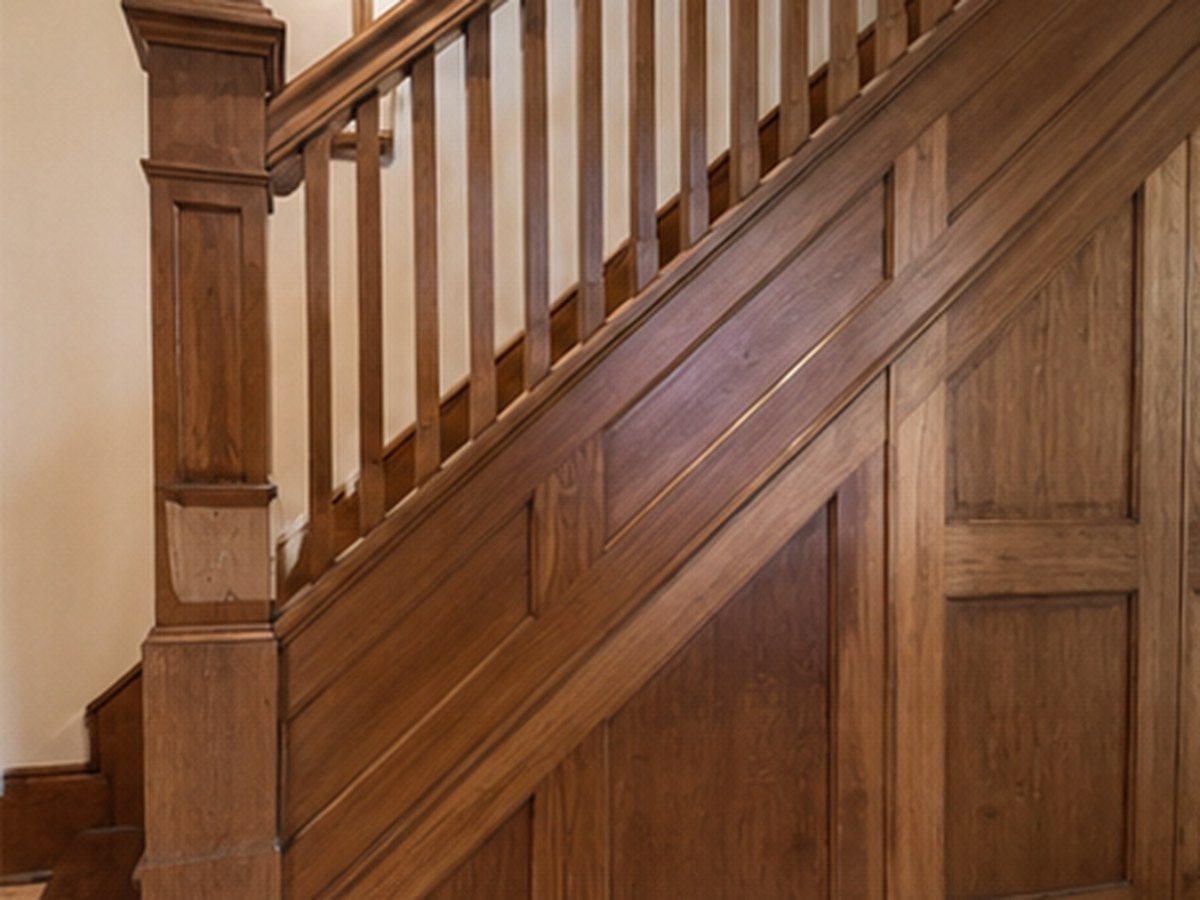
Mantels, columns, window seats, and other one-off pieces
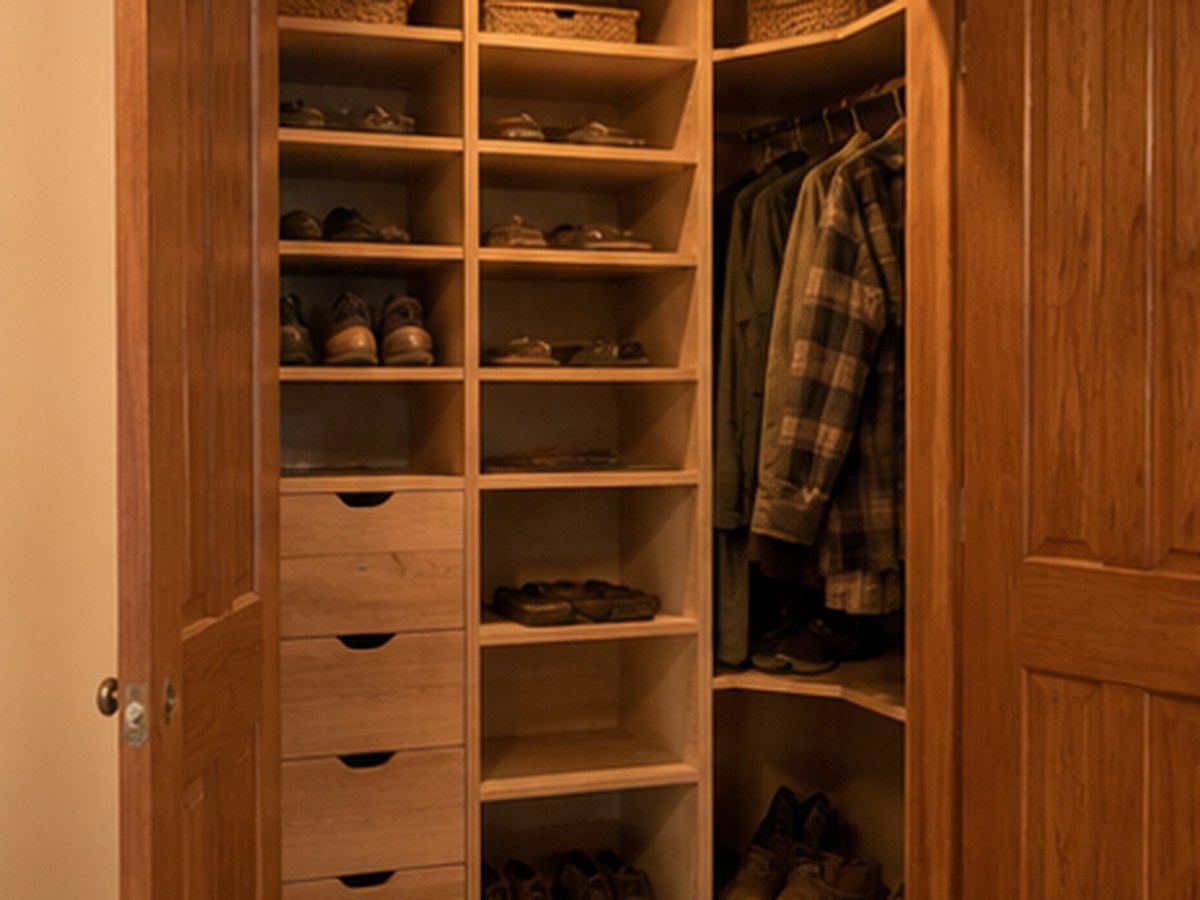
Closet and pantry systems built to the actual opening
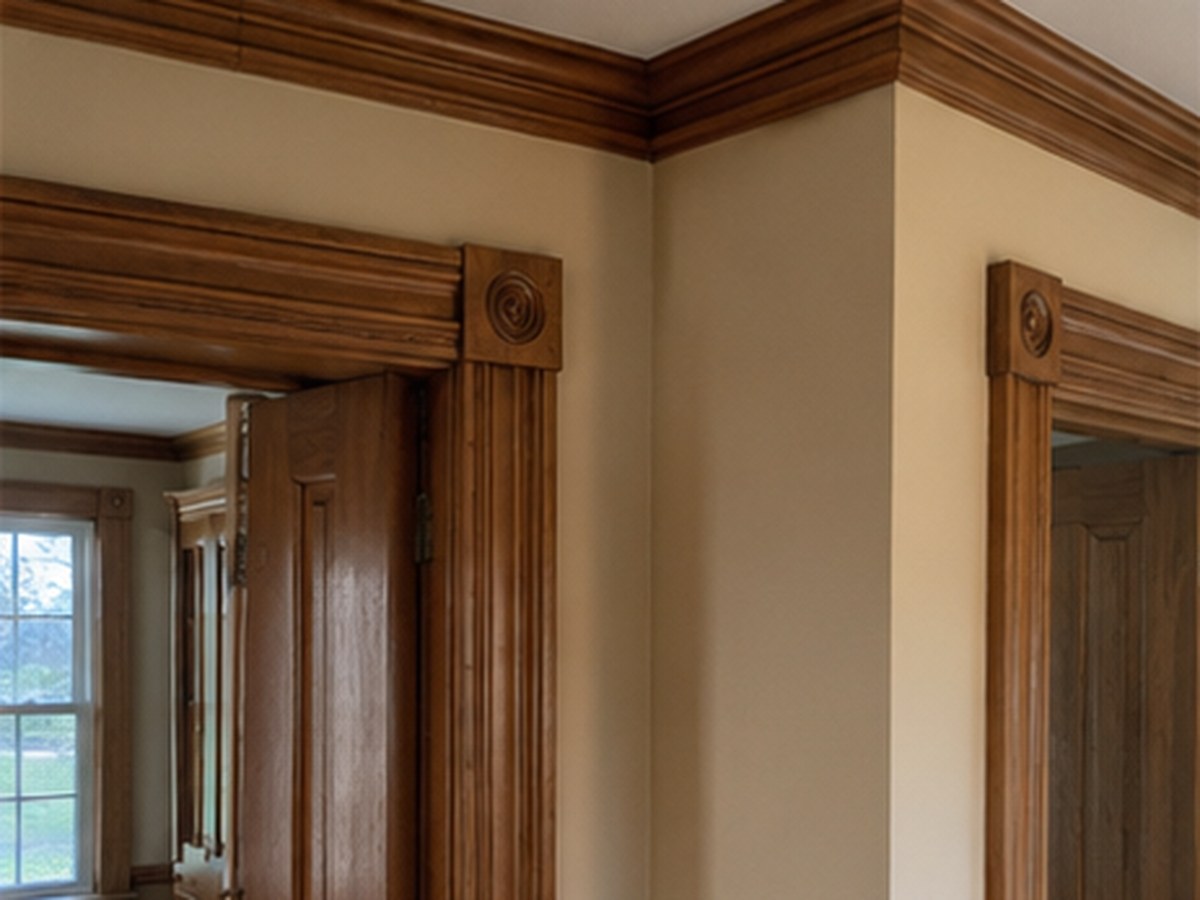
Trim and millwork matched to what's already in the house
Repairs and additions to existing woodwork so the new matches the old
Why Choose Mackwood Construction?
What you get when Mackwood does your custom carpentry — and what we won't do.
Free written quote, itemised before anything starts
We get underneath and look properly before quoting — not from the kerb
We'll tell you straight if a repair isn't worth doing
Based in Williamson — Mingo and Logan counties, about an hour out
Straight answers on permits, which differ either side of the county line
Built for this climate: drainage, flashing and ground contact done right
From first call to finished work — no surprises in between.
Step 1
Tell us about the project
Call, text, or send a message with what you're looking to build or repair. No form to fill in and no call centre — it comes straight to us, and you'll get a real answer about whether it's something we do.
Step 2
Send photos or schedule a look
A few photos are often enough to tell us what we're dealing with. Where it isn't — anything structural, anything hidden underneath — we'll come out and look properly before quoting rather than guessing from the kerb.
Step 3
Get a clear quote
You get a written quote that itemises the work, so you can see what you're paying for and what you aren't. If we think part of it isn't worth doing, we'll say so. No pressure and no surprises at the end.
Step 4
We build it right
We turn up when we said we would, work clean, and haul the offcuts away with us. The job gets built to last in this climate — and we'll walk it with you before we call it finished.
Not sure what yours needs?
We'll come and look, then tell you straight — including if it isn't worth doing.
Custom Carpentry in Williamson, WV — common questions
Straight answers to what we get asked most.
How much does custom carpentry cost in West Virginia?
It depends on size, material, and finish, and any number given without seeing the space is a guess. A set of simple painted shelves in an alcove is a small job; a run of kitchen cabinetry with drawers and doors is not. We quote free and in person so the number holds up.
How long does a custom piece take to build?
Most built-ins run two to five days on site once we start. Larger cabinetry runs longer, and anything that needs a shop-sprayed finish adds time for drying and a second trip. We give you a window with the quote.
Can you match woodwork that's already in the house?
Usually, yes. Older trim profiles aren't sold anymore, but they can be milled or built up from stock pieces to get close. Bring us a spare length or let us pull a short piece off somewhere hidden and we'll match it.
Do you build in the shop or in the house?
Both, depending on the job. Fitting happens on site because that's the only way to deal with walls and floors that aren't true. Components that need a sprayed finish get built off site and fitted in the house.
Is custom carpentry worth it over stock cabinets?
For a standard-sized kitchen in a newer house, stock is often the sensible answer and we'll tell you so. For odd spaces, older homes, and anywhere you want the full wall used, custom is usually the only thing that fits properly.
Do you take small jobs?
Yes. A single shelf unit or one built-in is a normal job for us. A lot of people around here can't get a callback on work that only takes a day or two, and we'd rather do it well and be the first call next time.
I searched custom carpentry near me and got results two hours away — do you actually serve this area?
We're based in Williamson, not routed in from a call center in another state. We cover Mingo and Logan counties within about an hour's drive. If you're in Delbarton, Matewan, Logan, Chapmanville, or anywhere in between, that's a normal service call for us.
Do you provide custom carpentry West Virginia quotes in writing?
Always. You get a written quote before anything is ordered or cut, with the scope spelled out. If something changes once we open a wall up, we stop and talk to you before the number moves.
What custom carpentry in Williamson actually involves
Most people are buying a result, not a list of tasks. Pick a topic to see how custom carpentry actually gets done and what moves the number.
More on custom carpentry work
Mackwood Construction handles custom carpentry WV homeowners usually can't buy ready-made: pieces cut to an opening that isn't a standard size, in a house where no two corners agree. Most of what we build falls into a handful of categories, though the point of custom work is that it doesn't have to.
Why build custom instead of buying stock
Stock casework is built to standard dimensions in standard increments. When the wall is 94 inches and the cabinets come in 12-inch widths, you end up with filler strips, dead corners, and a gap at the ceiling that gets covered with a strip of trim. It works, but it reads as furniture pushed against a wall rather than part of the house.
Building on site removes that problem. We measure the actual opening, scribe the piece to the wall, and trim it in so the joints close. In a house where nothing is square, that's the only way to get a clean result — and it's usually the difference people notice without being able to say why.
There's a practical side too. A custom piece uses the full space, so a closet that held one hanging rod holds two plus shelving above. On a small house that's real storage you didn't have to build an addition to get.
How we build it
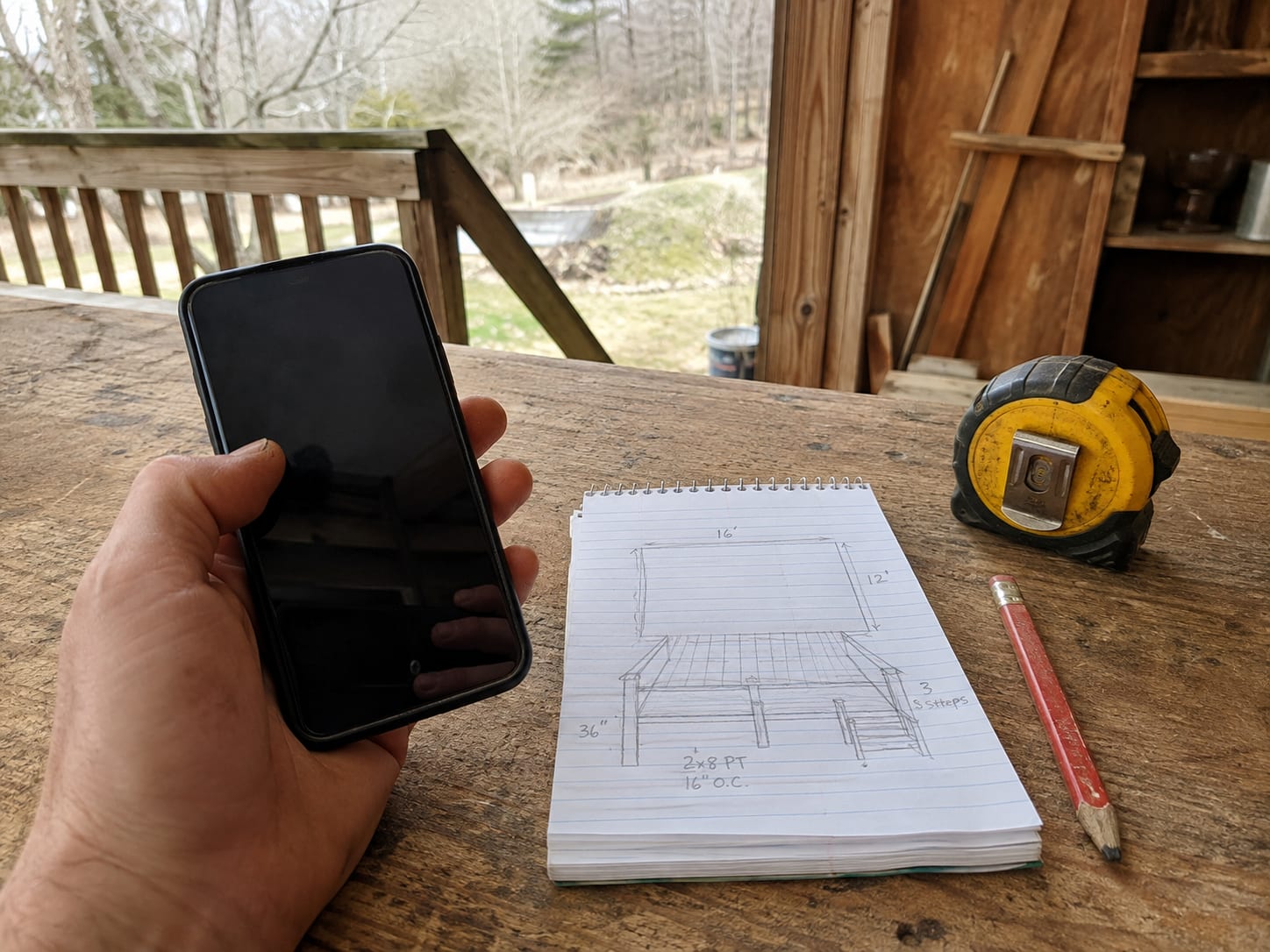
Every job starts with a look at the space. We measure, talk through what the piece needs to do, and give you a written quote before anything is ordered or cut. If what you're describing would be cheaper or better done a different way, we'll say so at that point rather than after.
Most of the cutting and fitting happens on site. That's slower than building in a shop and dropping it in, but it's how the piece ends up matching walls that move and floors that aren't level. For work that needs a sprayed or shop-grade finish, we'll build components off site and do the fitting and trim work in the house.
What drives the cost
Nobody can price custom carpentry honestly over the phone, because the same description covers a two-day job and a two-week one. Two people can ask for "some shelves in the living room" and mean jobs that differ by a factor of five. What moves the number is fairly predictable, though.
The quote is free and it's written down. If the honest answer is that a stock unit from a big-box store would serve you just as well for a third of the price, that's what we'll tell you — we'd rather lose a small job than sell you something you didn't need and have you remember it.
What's involved
Size — linear feet of cabinetry or shelving, and ceiling height
Material — paint-grade plywood and poplar cost less than hardwood
Complexity — doors, drawers, and glass add labor fast; open shelving doesn't
Finish — prepped for paint, painted, or stained and sealed
Condition of the space — out-of-square walls and floors add fitting time
Access — a second-floor room in a tight hollow lot takes longer to load in
Materials we work with
For painted work, plywood boxes with poplar face frames and trim hold up well and keep the cost sensible. For stained work, oak, maple, and cherry are the usual choices, and we'll match grain and color to existing woodwork where the job calls for it.
We don't use particle board or melamine for built-ins. It's cheaper up front, but it sags under load and it's finished the day it gets wet — and in a river valley, things get wet.
Where a piece sits against an exterior wall or in a basement, we'll talk through moisture before picking material. A bookcase on an inside wall and a bench in a mudroom are different problems, and building both out of the same thing is how one of them fails early.
Custom carpentry in older Mingo County homes
A lot of the housing stock around Williamson, Matewan, and the surrounding hollows went up as coal-camp housing in the 1920s through the 1940s. Those houses were built quickly, framed with rough-sawn lumber in dimensions nobody stocks anymore, and most have settled since.
That changes what a custom carpentry contractor has to do. A wall that reads 8 feet at the baseboard and 8 foot 1 at the ceiling isn't a defect to correct — it's the condition you build to. Pieces get scribed, face frames get cut a little long and trimmed in place, and the reveal gets adjusted so the eye reads it as straight even when the wall isn't.
It also means we open things up carefully. Behind plaster and paneling in a house that age there's often knob-and-tube remnants, old repairs, or framing that was modified at some point. We'd rather find that at the measuring stage than halfway through hanging a cabinet run.
How this differs from our other carpentry services
Custom carpentry overlaps with a few things we do, and people use the terms interchangeably. The practical distinction is what's being made.
Before you call
You don't need to have it figured out before you get in touch — working out what will actually fit is part of the job. But a few things make the quote faster and more accurate, and they save you a second visit.
What's involved
A rough measurement of the space, even if it's approximate
A photo or two, including one showing the whole wall
Whether it's going to be painted or stained
What the piece needs to hold — books and dishes need more support than towels
Anything you already know is behind the wall, like a vent or panel
Where we work
We're based in Williamson and work across Mingo and Logan counties — anywhere within about an hour's drive. That covers Delbarton, Matewan, Logan, West Logan, Holden, Chapmanville, Man, and the smaller communities between them. West Virginia only, so if you're across the river in Kentucky we're not the right call yet.
Searching for a custom carpenter WV residents can actually get out to a job is harder than it should be, particularly for work that only takes a few days. We take the small jobs. If you're not sure whether you're in range, call and ask — and if it's a drive we can't make, we'll tell you rather than string you along.
Get a free quote for custom carpentry
Tell us what you're building or repairing and get a clear, no-pressure quote. Free quotes, honest answers, and craftsmanship built to last.