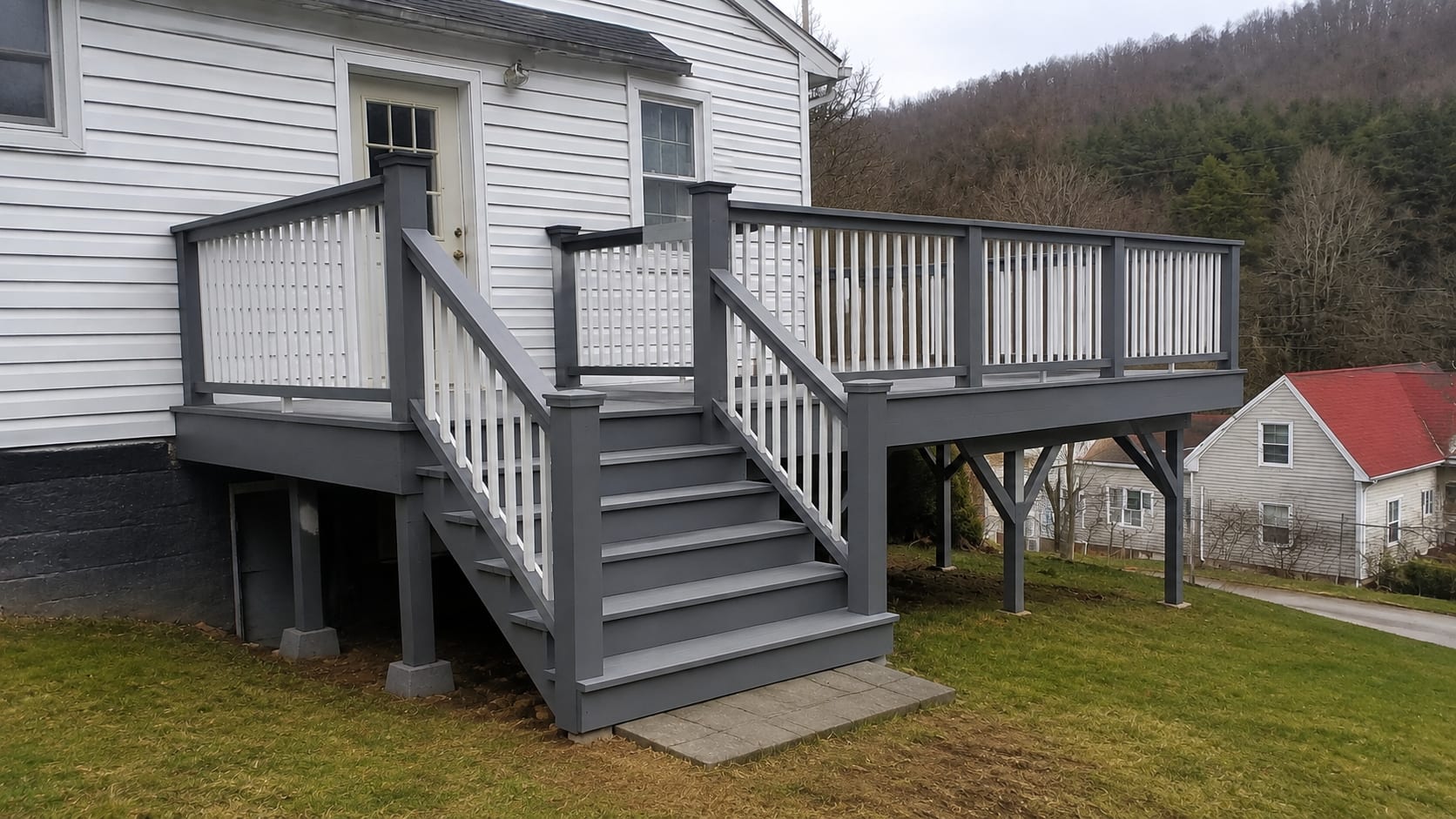
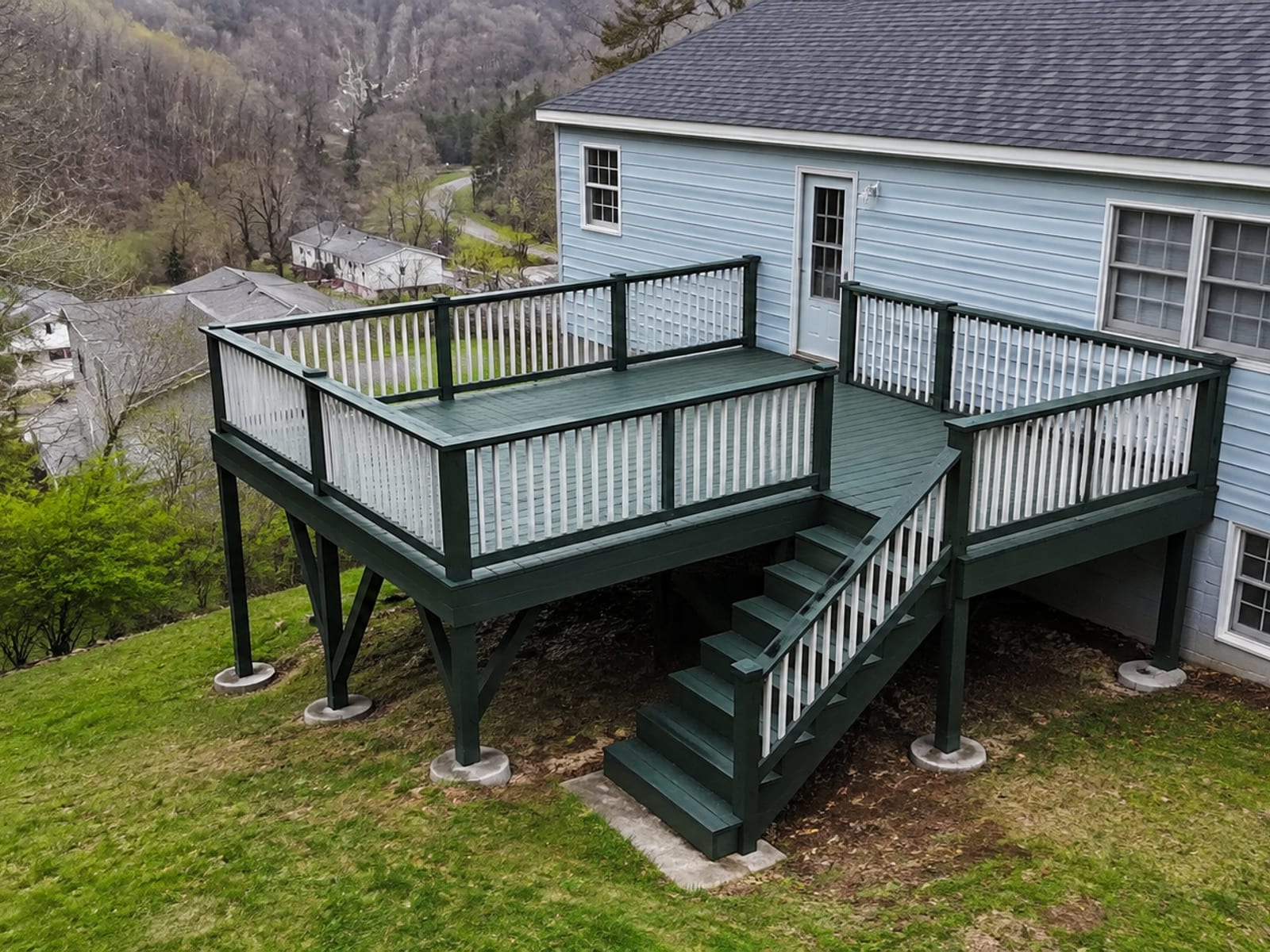
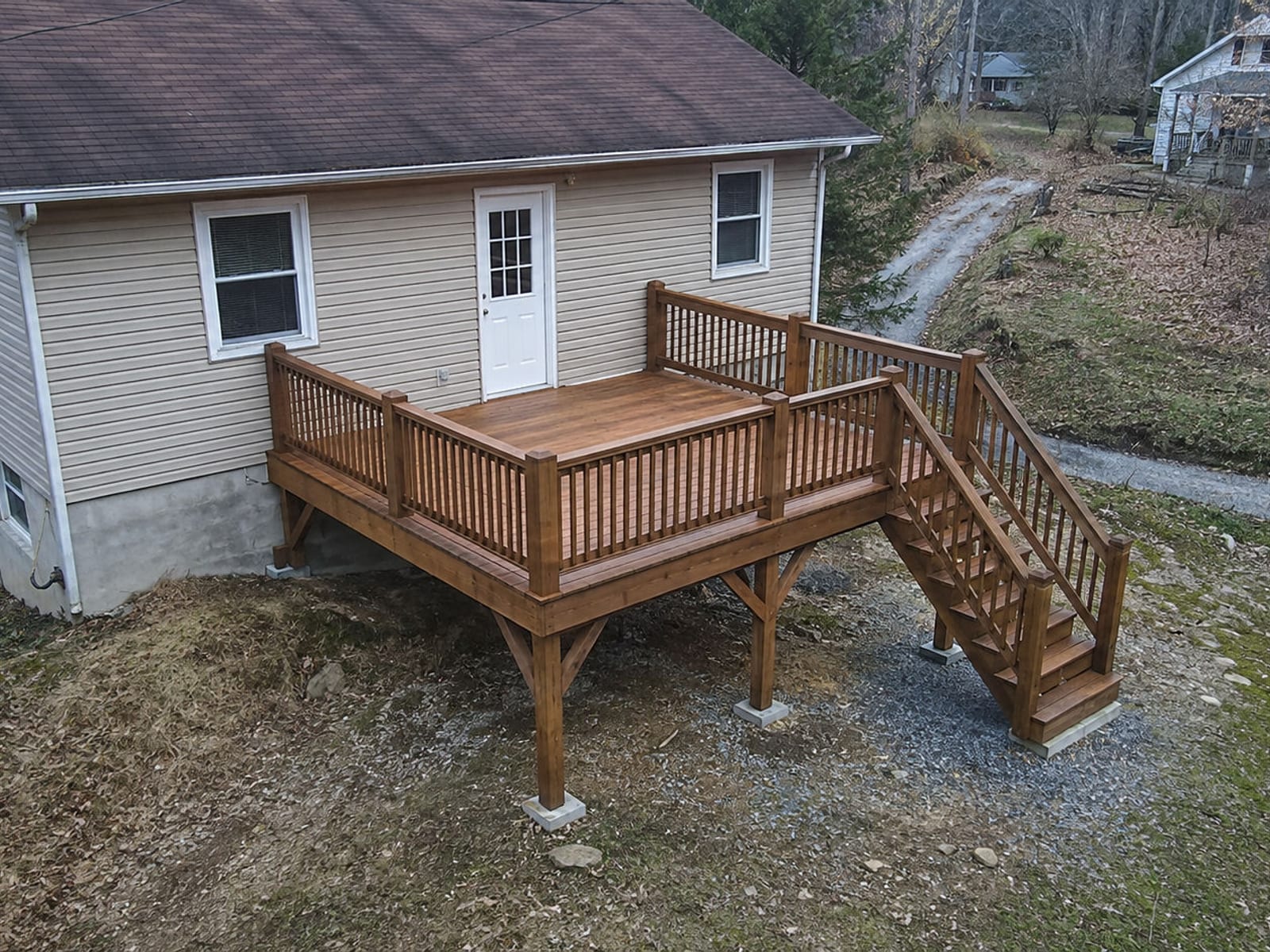
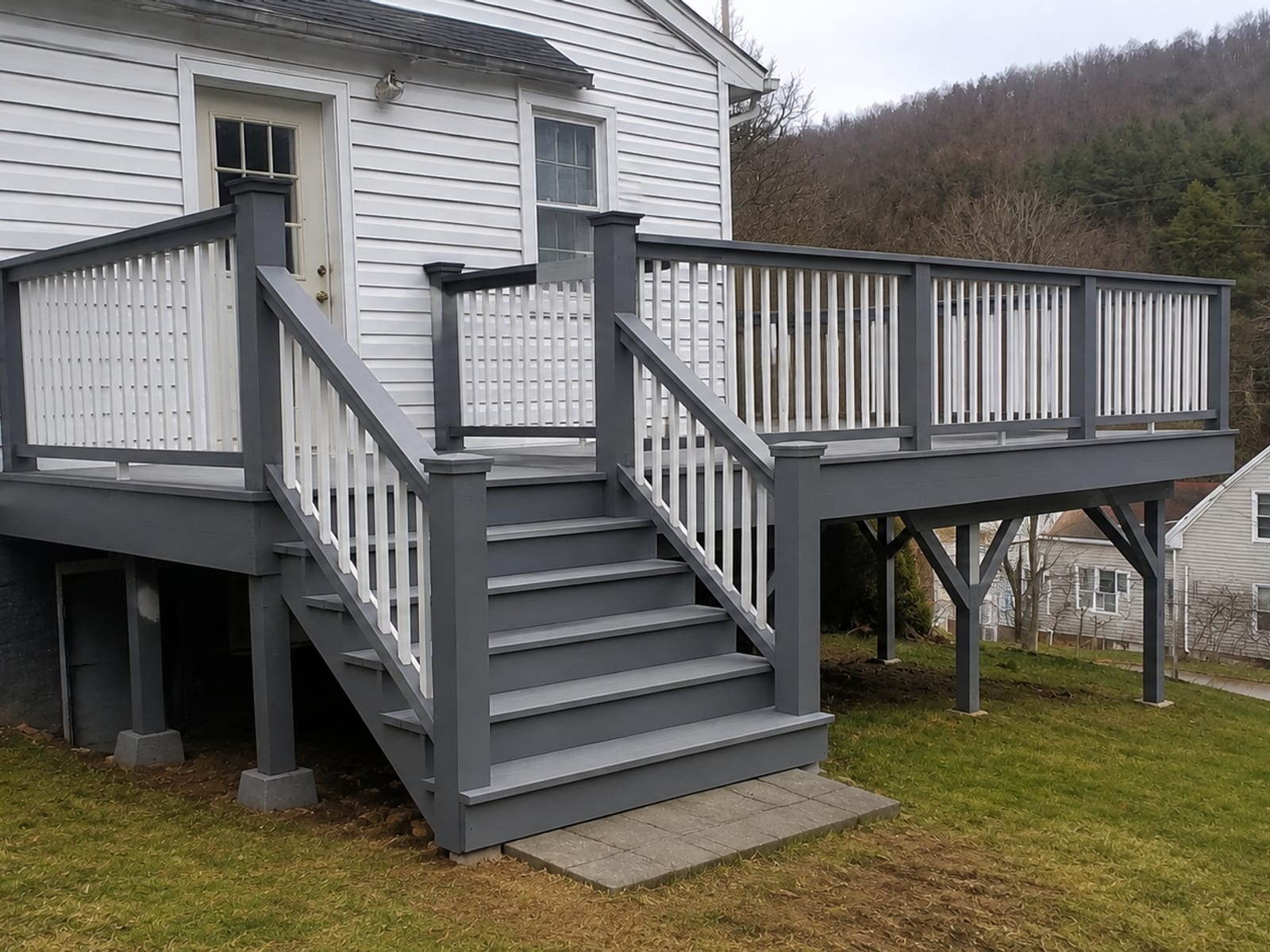
Had them out after the back steps started going soft underfoot. He came and looked properly before quoting anything, and told me the structure underneath was still sound — so it ended up a smaller job than I had braced myself for. Turned up when he said he would, cleaned up after himself, and the price at the end was the price we agreed. Not much more you can ask for.
Owner replied
S
Skyler White
9 months ago
Called on a Tuesday and had someone out the same week. What I appreciated most was being told straight what needed doing now and what could safely wait until spring. No pressure and no trying to talk me into the bigger version of the job. It has held up fine through the winter since.
T
Trevor Alford
2 months ago
The quote came through itemised and the final bill matched it, which has honestly not been my experience with everyone around here. They worked around an awkward driveway without once making it my problem, and left the place tidier than they found it. Would have them back.
K
Kaleb Withrow
3 weeks ago
Fair price, showed up on time, tidy work. No complaints.
See something like yours?
Send a few photos and we'll tell you what it'll take — free written quote, no pressure.
A deck takes weather from every direction, carries live load out away from the house, and hangs off a connection most people never inspect. On the sloped lots common around here it also sits higher off the ground than it would anywhere flat, which raises the stakes on everything underneath it.
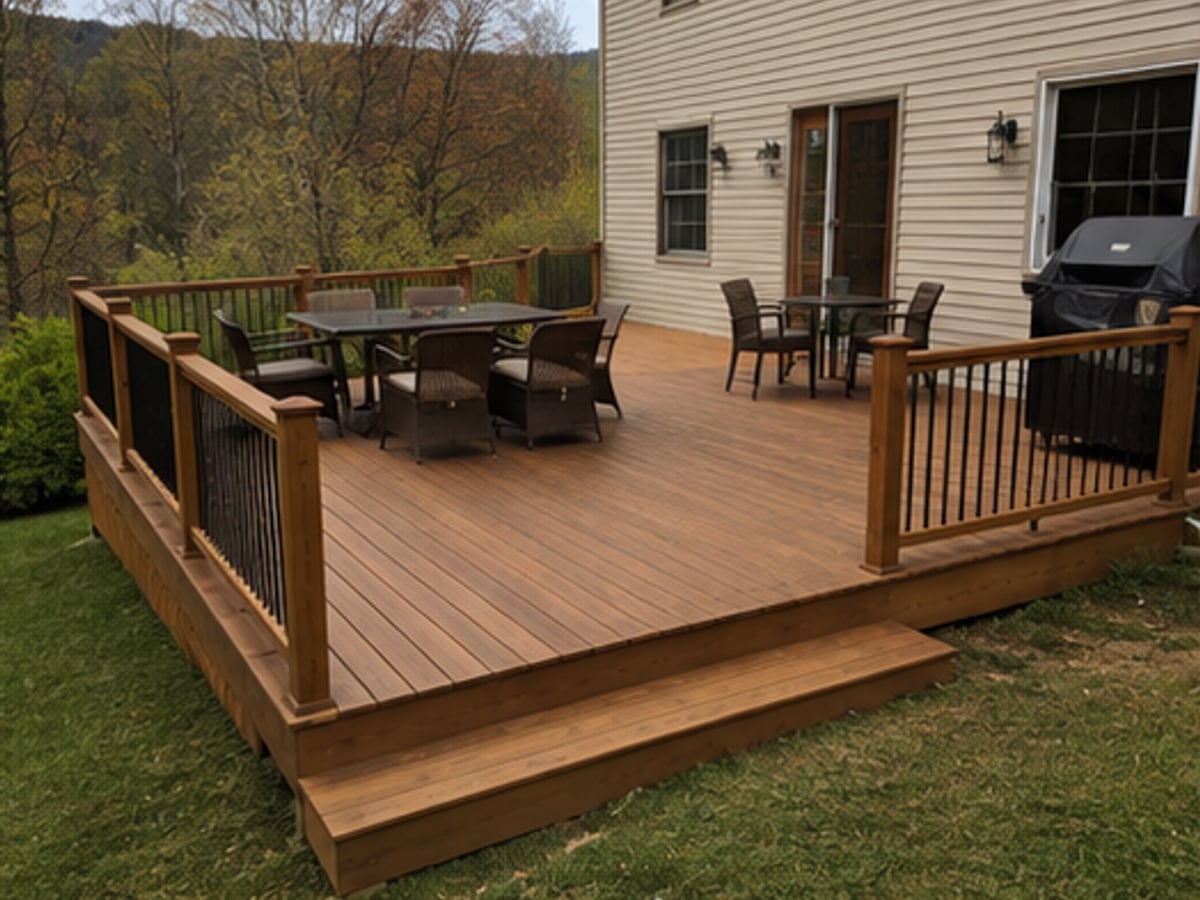
New deck construction, single and multi-level
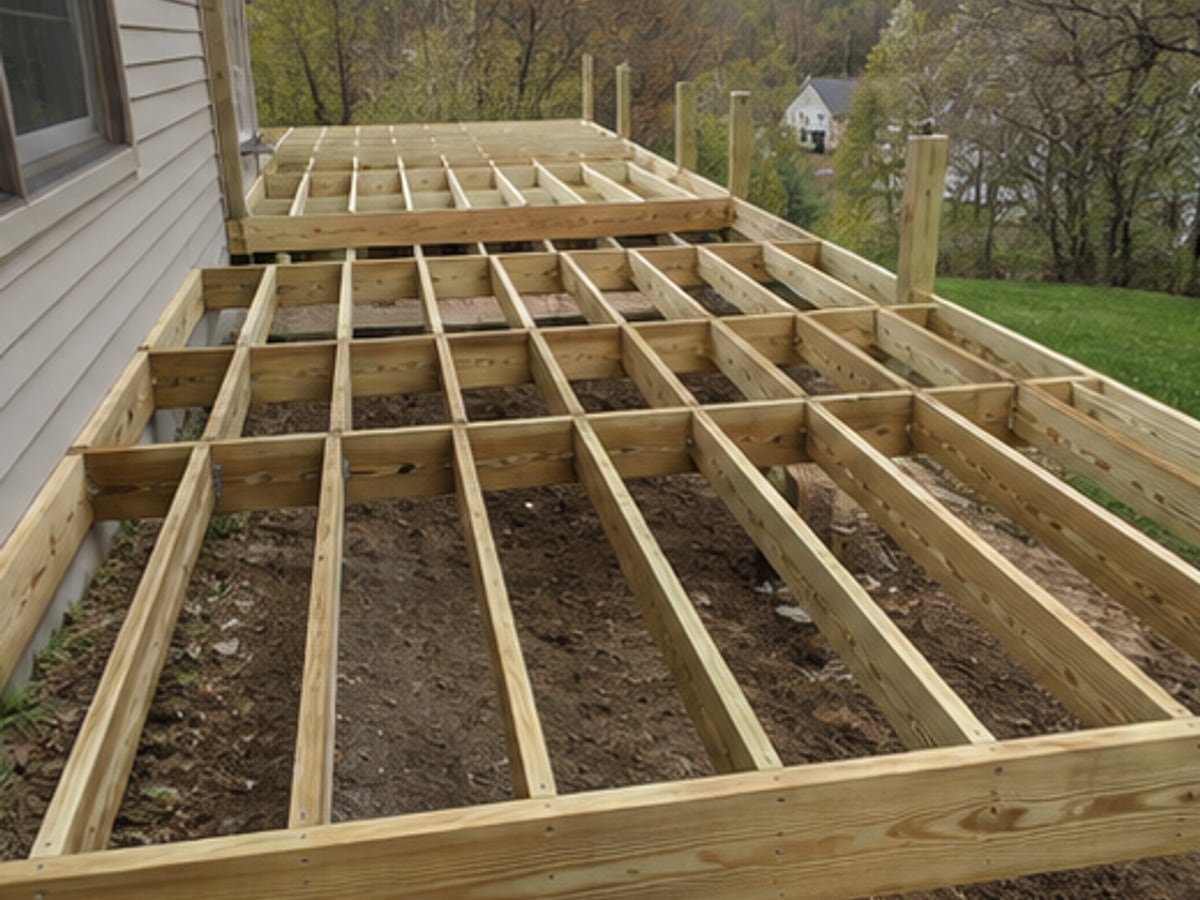
Full rebuilds where the framing is gone
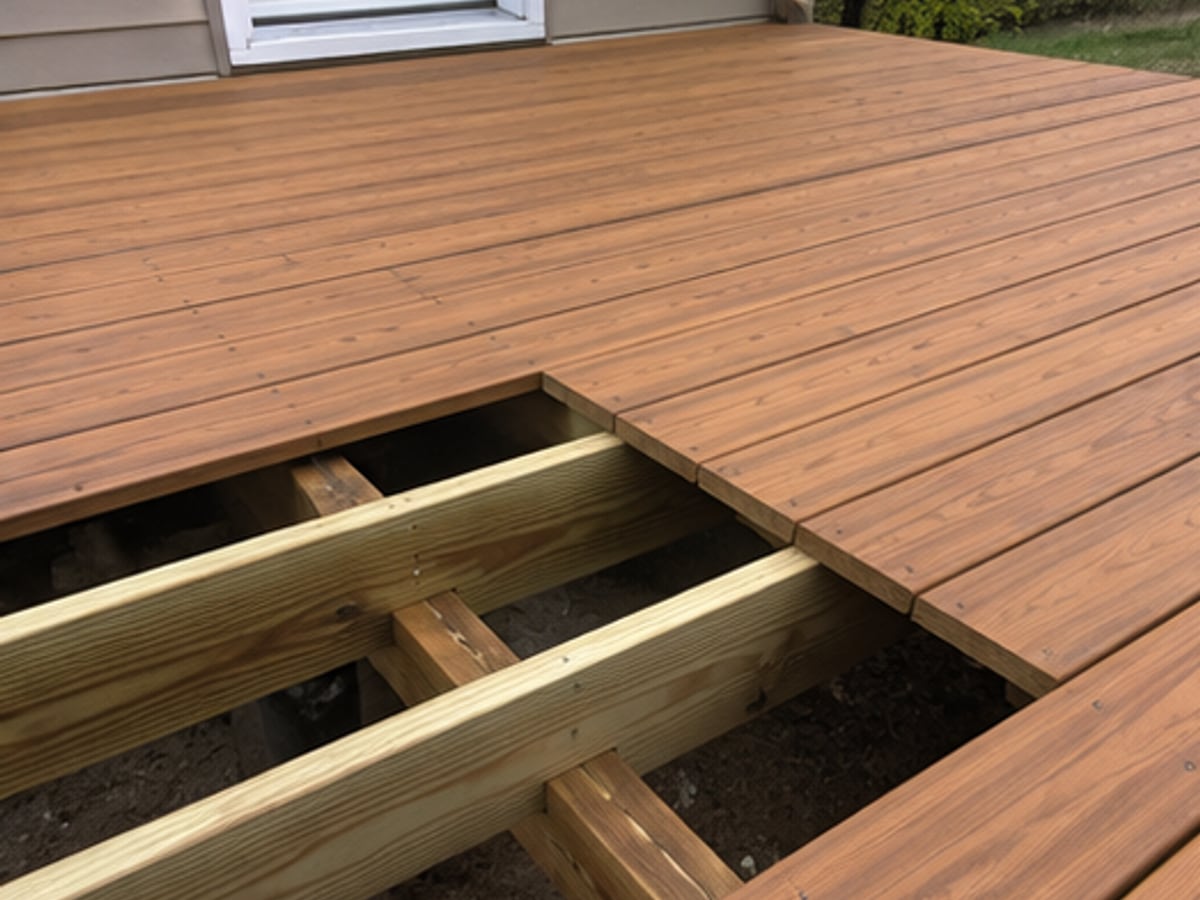
Decking board replacement over sound framing
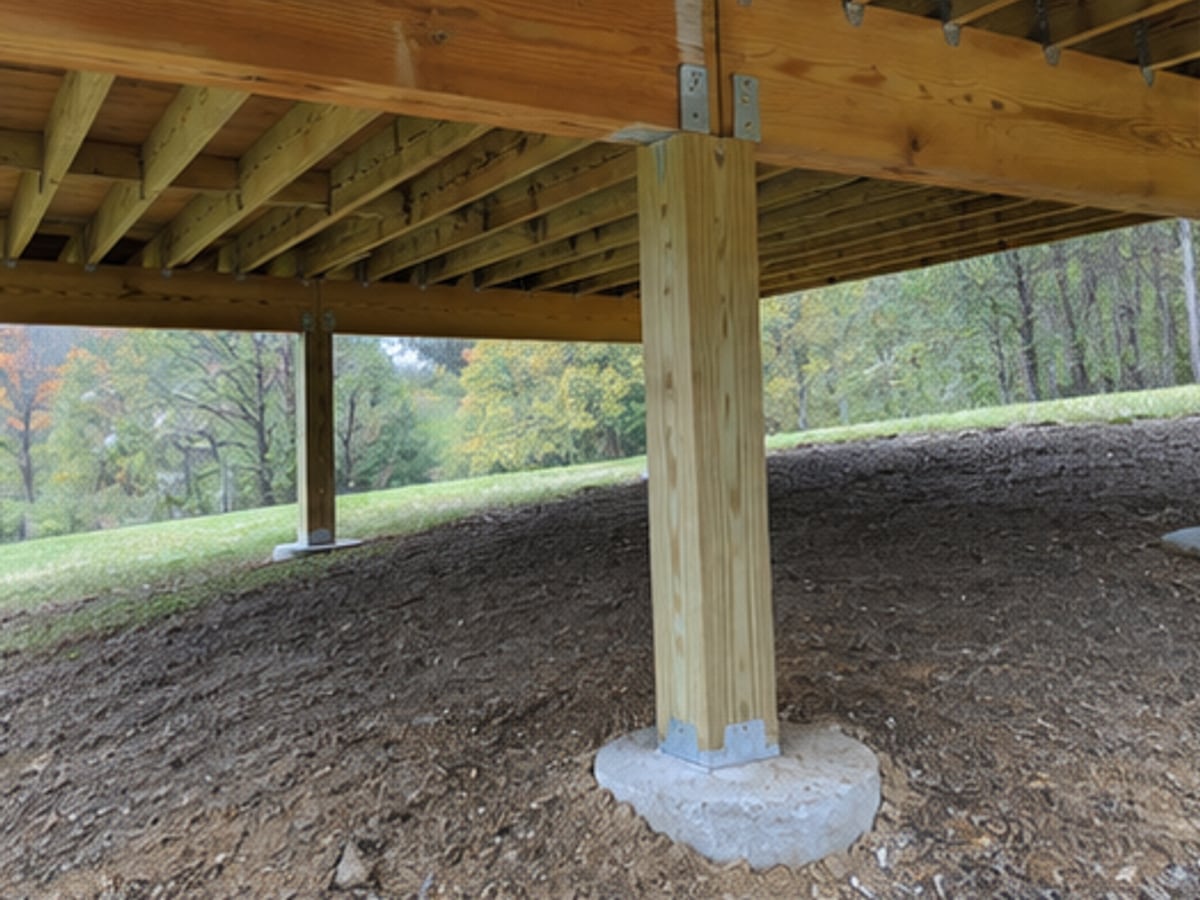
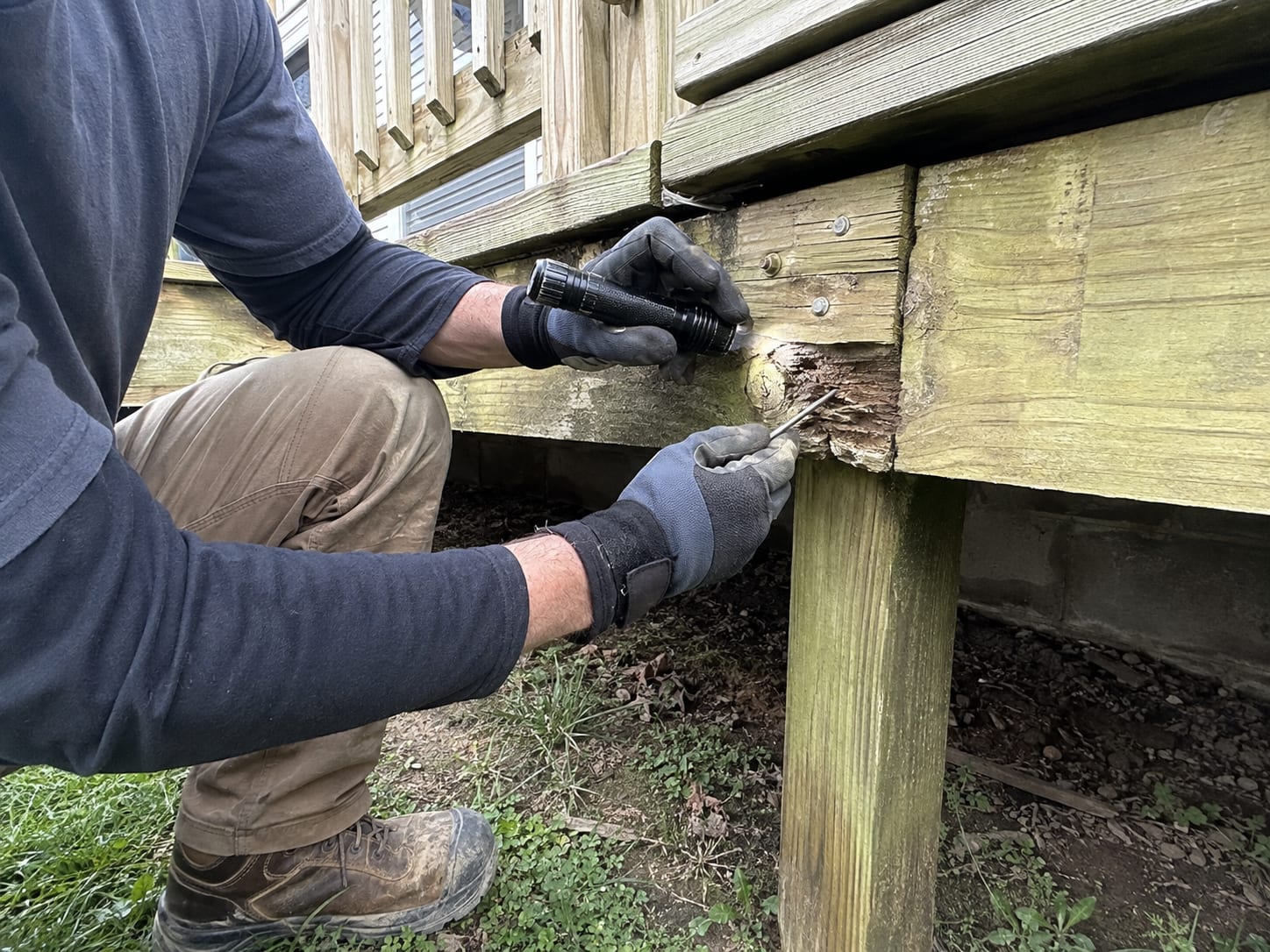
Joist, beam, and post repair
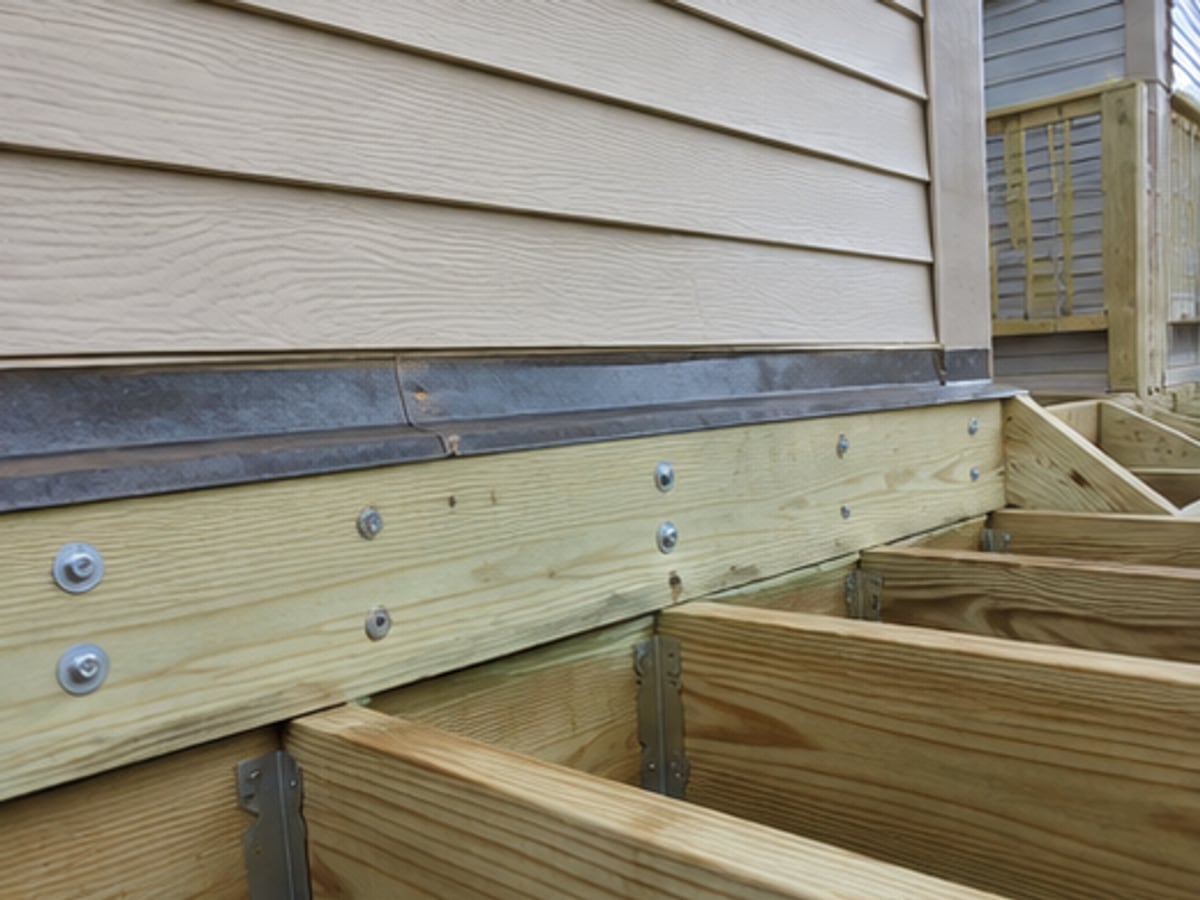
Ledger board inspection and replacement
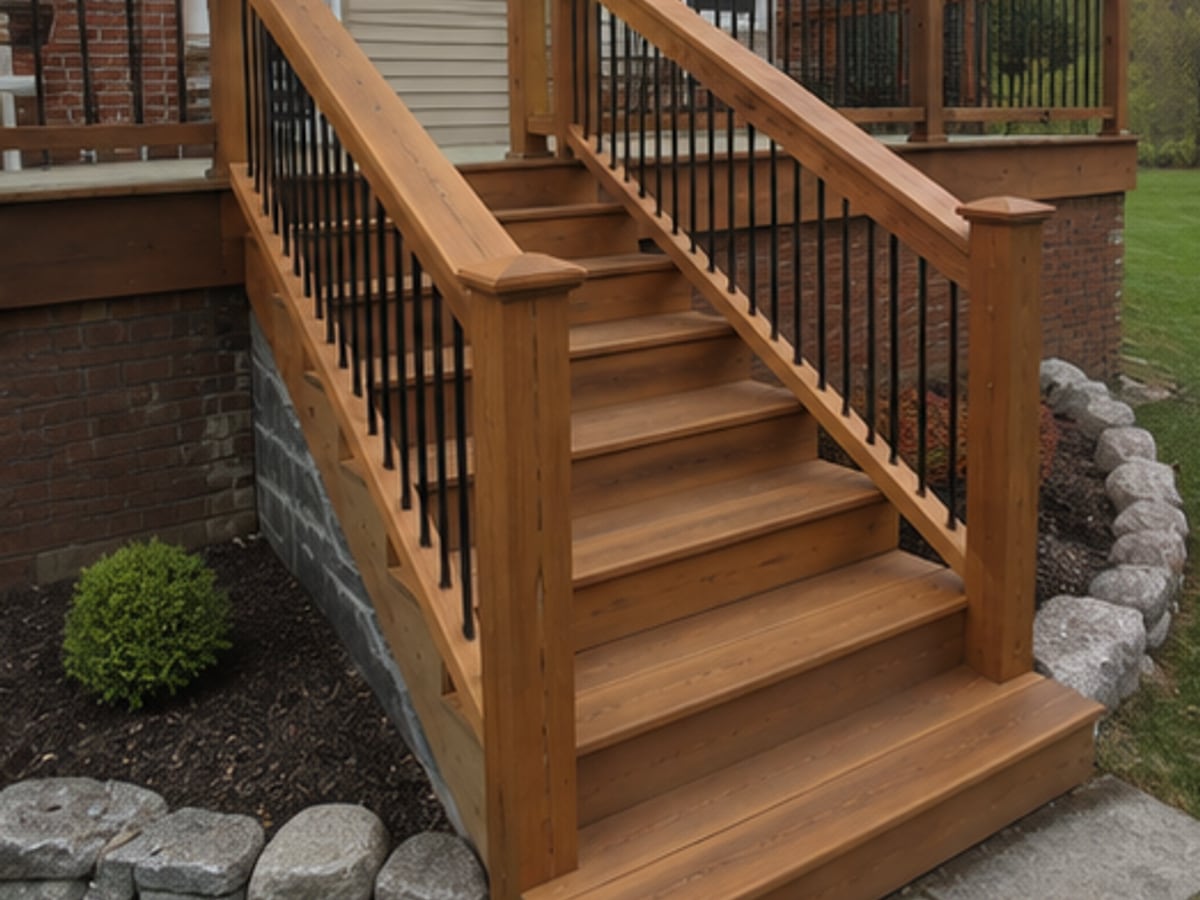
Steps, stairs, and handrails
Why Choose Mackwood Construction?
What you get when Mackwood does your decks — and what we won't do.
Free written quote, itemised before anything starts
We get underneath and look properly before quoting — not from the kerb
We'll tell you straight if a repair isn't worth doing
Based in Williamson — Mingo and Logan counties, about an hour out
Straight answers on permits, which differ either side of the county line
Built for this climate: drainage, flashing and ground contact done right
From first call to finished work — no surprises in between.
Step 1
Tell us about the project
Call, text, or send a message with what you're looking to build or repair. No form to fill in and no call centre — it comes straight to us, and you'll get a real answer about whether it's something we do.
Step 2
Send photos or schedule a look
A few photos are often enough to tell us what we're dealing with. Where it isn't — anything structural, anything hidden underneath — we'll come out and look properly before quoting rather than guessing from the kerb.
Step 3
Get a clear quote
You get a written quote that itemises the work, so you can see what you're paying for and what you aren't. If we think part of it isn't worth doing, we'll say so. No pressure and no surprises at the end.
Step 4
We build it right
We turn up when we said we would, work clean, and haul the offcuts away with us. The job gets built to last in this climate — and we'll walk it with you before we call it finished.
Not sure what yours needs?
We'll come and look, then tell you straight — including if it isn't worth doing.
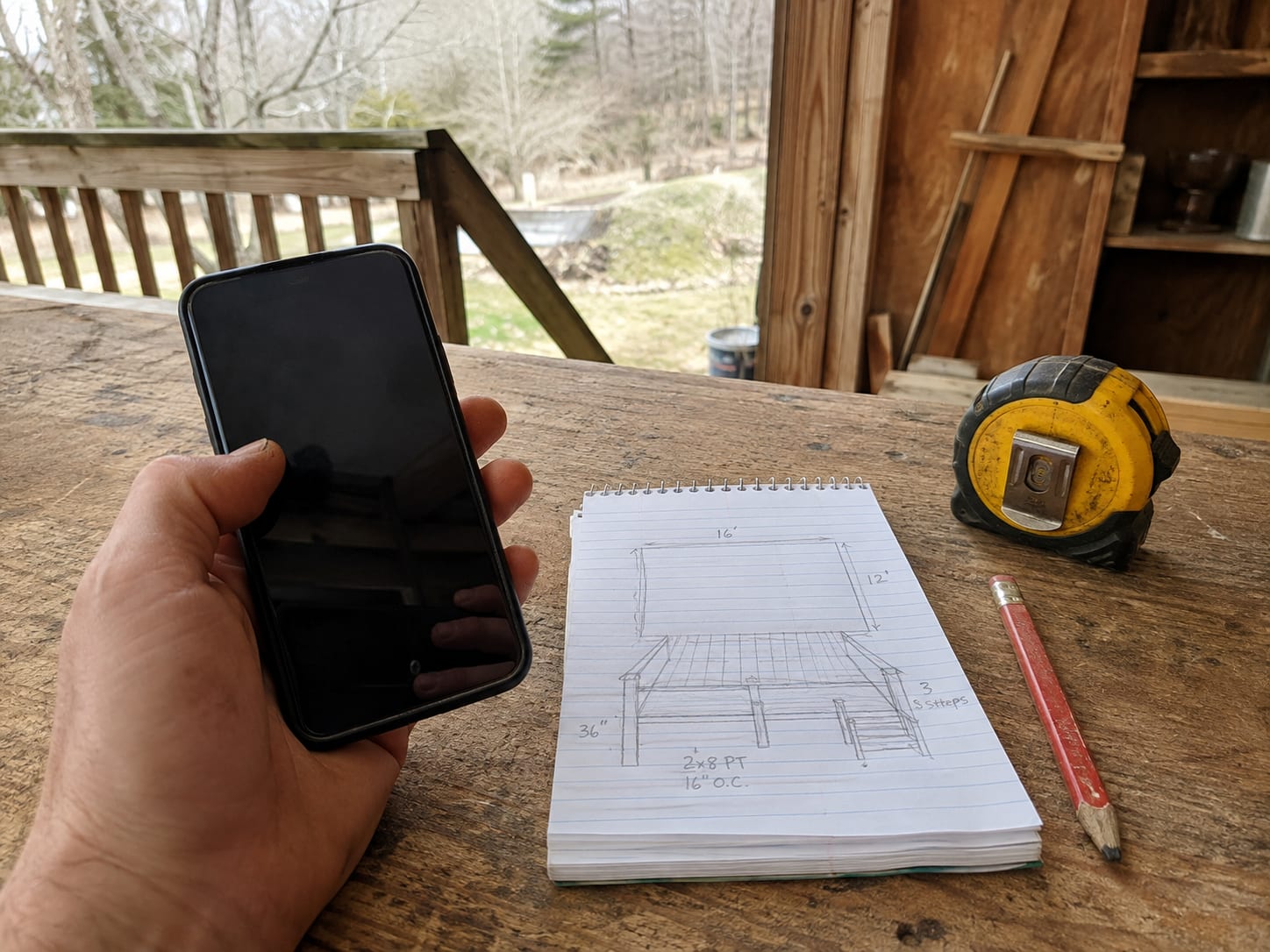
It comes down to size, height, material, and what the footings need to be on your lot. A ground-level pressure-treated deck and an elevated composite deck with stairs are different projects by a wide margin. We quote free, in person, and in writing.
How long does a deck build take?
Most residential decks run a few days to about two weeks depending on size and whether footings are involved. Weather moves it. Rebuilds can run longer if we find more damage once the old structure is off.
Can you just replace the boards and leave the frame?
If the frame is sound, yes, and that's the cheaper job. We check the joists, beam, posts, and ledger before quoting it that way. Putting new boards on failing framing hides a safety problem instead of fixing it.
My deck is pulling away from the house. Is that serious?
Treat it as urgent. It usually means the ledger connection or the framing behind it has failed, and that's how decks come down. Stop using it and call — we can shore it temporarily to make it safe while the repair gets scheduled.
What is a ledger board and why does it matter so much?
It's the board bolted to the house that carries one whole side of the deck. Most sudden deck failures are ledger failures. Older decks here were often nailed rather than bolted, and if water has been getting behind the flashing there may not be sound wood left to bolt into. It's the first thing we check.
Do you build multi-level decks?
Yes, and on the sloped lots around here they often make more sense than one large platform on tall posts. Stepping a deck down the grade shortens post spans and usually gives you more usable space for the money.
Is composite decking worth the extra cost here?
In this climate it's a reasonable case. It removes the sanding-and-sealing cycle, which is real work in a wet valley. It costs more up front and the frame underneath is still wood, so it doesn't remove maintenance entirely.
Does a new deck need a permit?
Often yes, and as a deck builder West Virginia homeowners hire we'll tell you what your address needs before starting. Requirements vary between incorporated towns and county addresses, and between Mingo and Logan counties.
Can you build on a steep or hillside lot?
Yes, and a lot of lots here are. It changes the footing and post design — height off grade drives post size and bracing, and water running downhill toward the structure has to be accounted for. It costs more than a flat lot but it's normal work in this area.
How often should a deck be sealed?
Every two to three years for pressure-treated in this climate, sooner if it sits in shade and stays damp. The honest test is water: if it soaks in instead of beading, it's due. Skipping it is the single biggest reason decks here fail early.
Can you add stairs or a landing to an existing deck?
Yes. Stairs are their own bit of work — rise and run have to stay consistent or they become a trip hazard, and the stringers need proper bearing at the bottom rather than sitting on soil. On a steep lot the landing usually needs its own footing.
My deck is sitting on patio blocks. Does it need real footings?
If it's moving, yes. Blocks on soil shift with every freeze-thaw cycle, which is what puts a deck out of level and stops the door onto it from latching. On a low ground-level deck it's sometimes tolerable. On anything elevated it should be corrected, because the posts are carrying real load.
Most people are buying a result, not a list of tasks. Pick a topic to see how decks actually gets done and what moves the number.
More on deck work
Mackwood Construction works as a deck builder WV homeowners call for new builds, rebuilds, and the structural repairs that keep an existing deck safe to stand on. Most deck building West Virginia homes need starts with what the lot will actually support.
Decks and porches are different jobs
They get talked about together, and they are not the same work. A deck is usually open, sits out from the house, and is built for the yard side. A porch is typically covered, sits at the front, and on an older house is part of the original structure rather than an addition.
That changes what fails and how it gets fixed. Deck failures concentrate at the ledger and the footings. Porch failures concentrate at piers, post bottoms, and joist ends close to grade. If it's a porch you're dealing with, our porch repair page covers that work properly rather than treating it as a deck with a roof.
The part you can't see is the part that matters
Most people call about the boards, because that's what they can see going soft. The boards are rarely the real problem. Underneath there are joists, a beam, posts, footings, and — where the deck meets the house — a ledger board bolted to the framing.
The ledger is the one that matters most. It's what holds the deck to the house, and when a deck fails suddenly it's almost always the ledger connection that let go. Old decks around here were frequently attached with nails instead of structural bolts, and where water has been running behind the flashing for twenty years there may not be much sound wood left to bolt into.
So the first thing we do is get underneath and look. It's the only honest way to tell you whether you need a reboard or a rebuild, and those are very different numbers.
Footings are the other invisible piece. A deck post is supposed to sit on a footing below the frost line, not on a patio block set on the dirt. Plenty of older decks around here are on blocks, and every freeze-thaw cycle moves them a little. That's what produces a deck that's visibly out of level and doors onto it that stop closing right.
Building for this climate and this terrain
Southern West Virginia is hard on outdoor structures. Wet springs, humid summers, freeze-thaw cycles all winter, and a lot of houses sitting in shade where things stay damp for days after a rain. Add hillside lots where water runs toward the house rather than away from it.
That drives some practical decisions. Ground contact means pressure-treated material rated for it, not standard treated. Joist tops get flashing tape so water doesn't sit in the fastener holes. Gaps get set so boards can shed water and move without cupping. And on a steep lot, posts and footings get sized for the actual span and height rather than to a default.
Repair or rebuild
This is the question almost every call comes down to, and the answer is in the framing. If the joists, beam, and ledger are sound and it's the walking surface that's gone, replacing boards is straightforward and considerably cheaper. If the structure is compromised, new boards on bad framing is money spent to hide a safety problem.
We'll tell you which one you're looking at, and we'll show you why. If it's a rebuild, we'd rather you understand the reason than take our word for it.
What's involved
Bounce or sponginess underfoot — usually joists, not boards
The deck moving away from the house — ledger, and it is urgent
Posts soft at the base or sitting directly on soil
Rusted or missing fasteners and hardware
Railings that move when you lean on them
Rot at the joist ends where they meet the beam
What drives the cost
Deck and porch pricing tracks square footage, height off the ground, and material — but the biggest swing is what we find underneath. A quote given without getting under the structure is a guess, and we don't give those.
What's involved
Size and height — a second-story deck needs bigger posts and more of them
Material choice, from pressure-treated up to composite
Whether the framing and footings are being reused or replaced
Railings, stairs, and how many steps to grade
Roof work on covered porches
Site access — hillside lots and tight hollow driveways add labor
Stairs, steps, and railings
Steps and railings are where deck safety problems actually hurt people, and they're the part most often built wrong on older decks. Risers that vary in height by more than a little are a trip hazard, because you climb stairs by feel rather than by looking.
Railing height and baluster spacing matter too. A railing that was fine when the deck was built may sit lower than current practice, and wide baluster gaps are a real risk with small children. When we rebuild a railing we bring it up to standard rather than reproducing what was there.
The other common failure is the newel post — the heavy post at the end of a run that everything else is anchored to. If the railing moves when you lean on it, the newel is usually the reason, and fixing it means getting to the framing it's bolted through rather than just tightening a screw.
Maintenance that actually extends the life
A pressure-treated deck in this climate wants attention every couple of years, and the difference between a deck that lasts twelve years and one that lasts twenty-five is mostly whether anyone did it.
Keep debris out of the gaps between boards — leaves packed in there hold water against the wood indefinitely. Clean and reseal on a regular cycle. Watch where downspouts discharge, because a downspout emptying beside a post will take that post out. And check the fasteners at the ledger and the posts once a year; rusted hardware fails before the wood does.
If you'd rather not deal with any of it, that's an argument for composite decking on a well-built frame. It doesn't remove maintenance, but it removes most of it.
Permits and inspections
Requirements differ depending on whether you're inside an incorporated town or out in the county, and Mingo and Logan counties don't handle it identically. For a straightforward board replacement it usually isn't a factor. For a new deck, a rebuild, or anything structural, it can be.
We'll tell you what applies to your address before we start. Nobody wants to find out after the fact.
Before you call
You don't need any of this worked out in advance, but it makes the visit faster and the quote tighter.
What's involved
Rough dimensions of the existing deck or the space you want one in
How high off the ground it sits at the highest point
Photos, including one taken from underneath if you can get there safely
Whether anything feels soft, bouncy, or loose
Whether you're thinking pressure-treated, cedar, or composite
Whether there's a roof over it now or you want one
Where we work
Looking for a deck contractor WV homeowners can get out to the house? We're based in Williamson and cover Mingo and Logan counties — Delbarton, Matewan, Logan, West Logan, Holden, Chapmanville, Man, and the communities between them, roughly an hour out. West Virginia only.
If you searched deck builder near me and got a company three states away, that's the problem we're the answer to. Call and we'll tell you straight whether your address is a drive we make.
Get a free quote for decks
Tell us what you're building or repairing and get a clear, no-pressure quote. Free quotes, honest answers, and craftsmanship built to last.