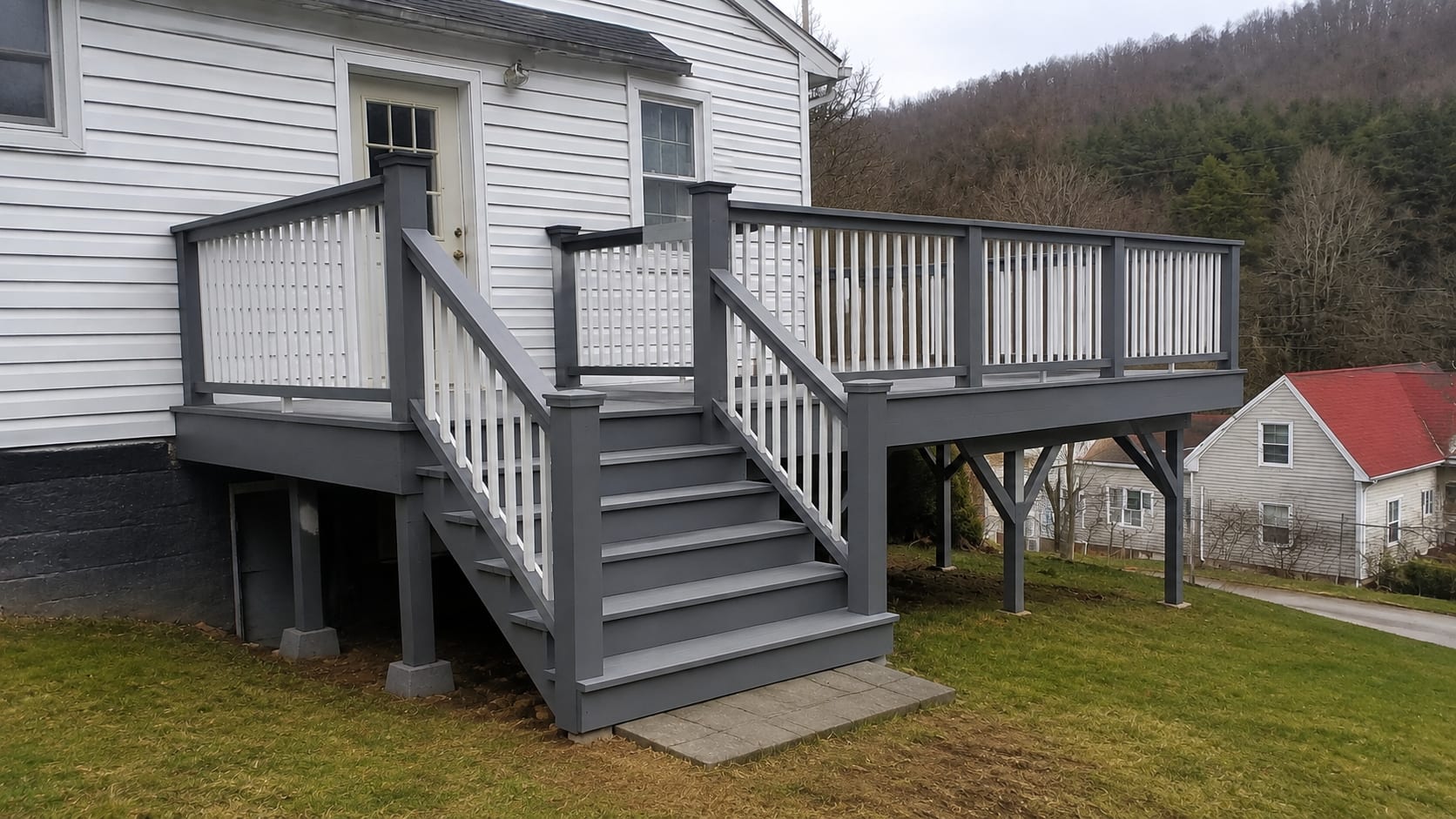
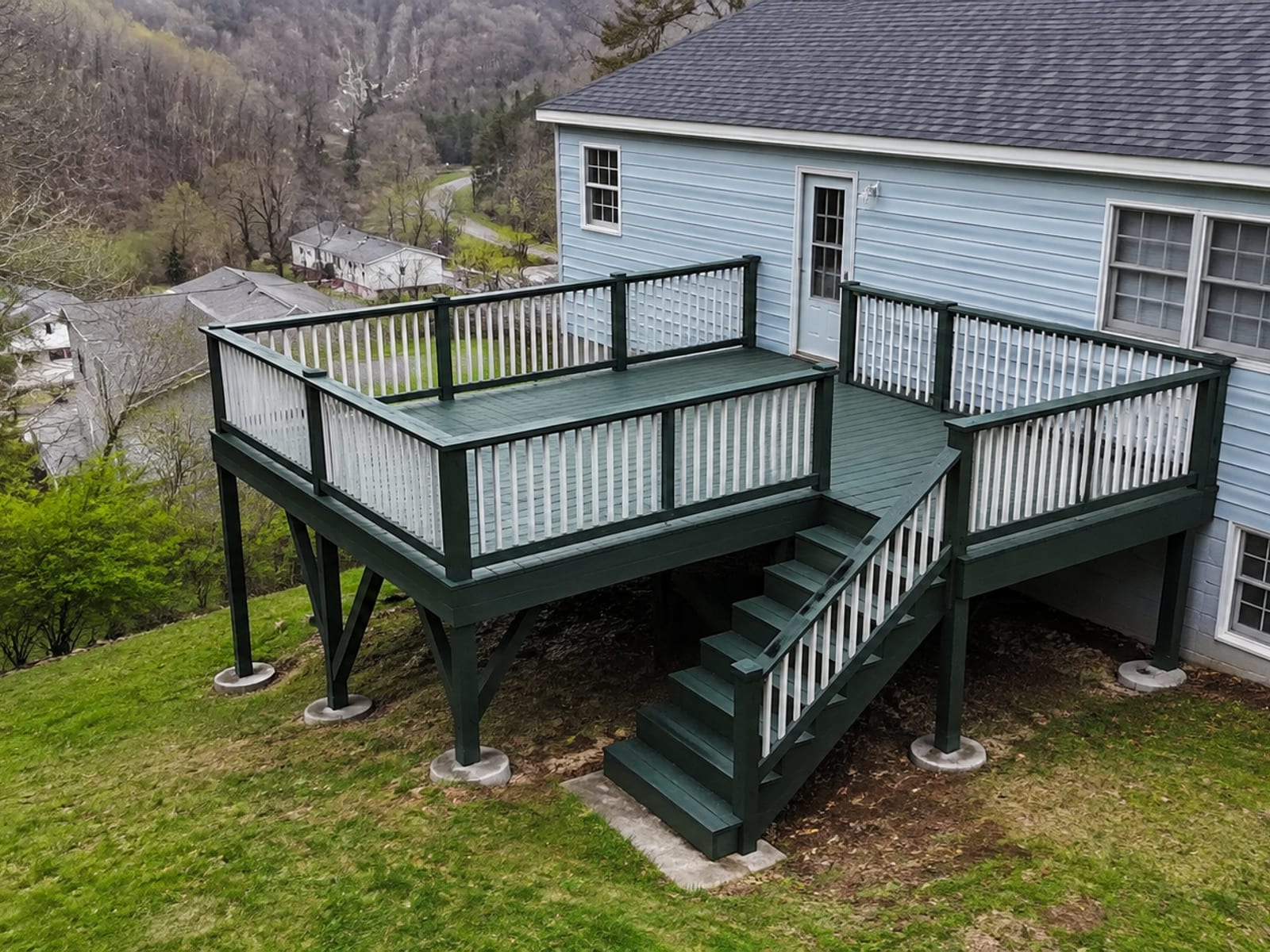
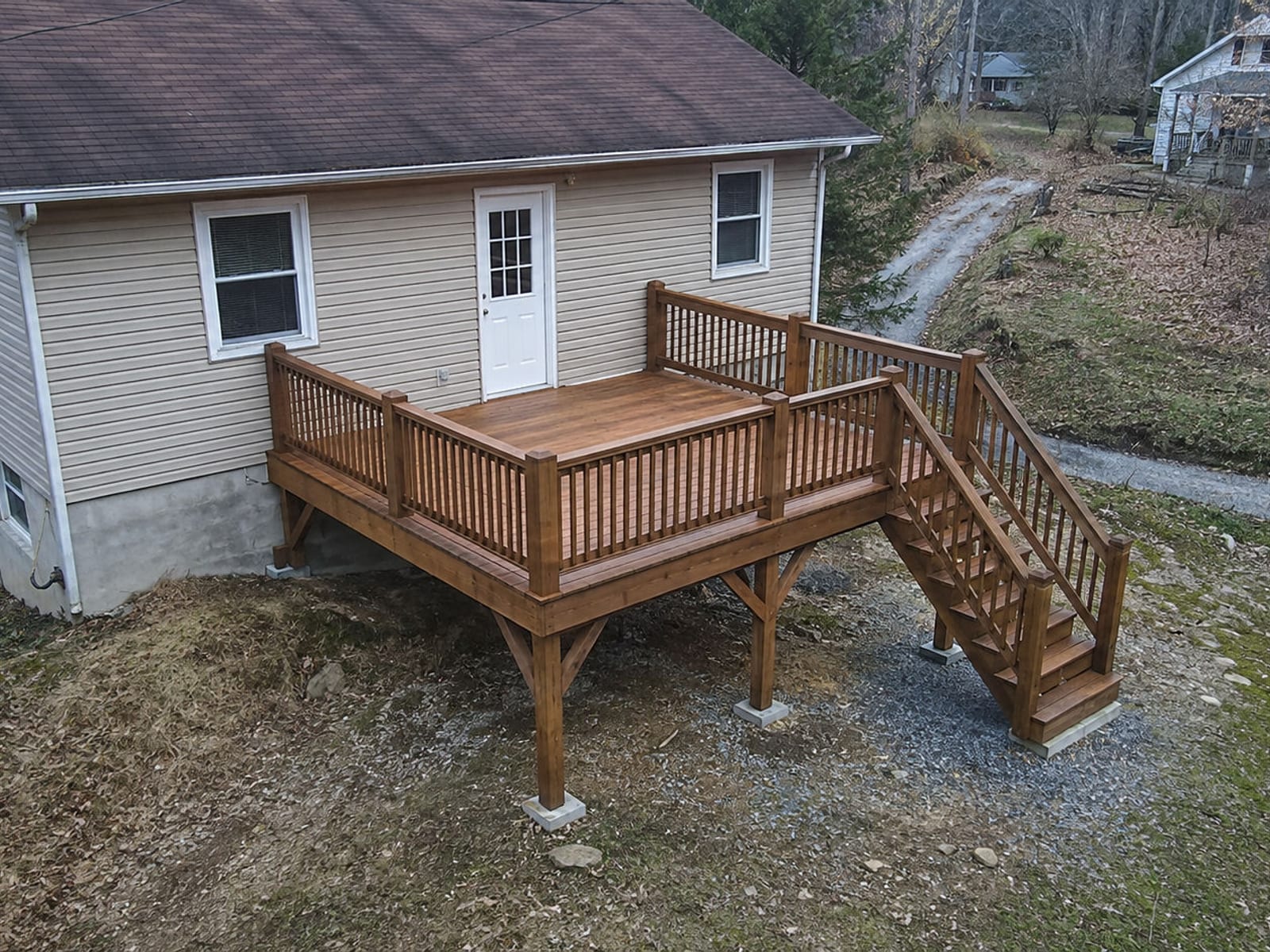
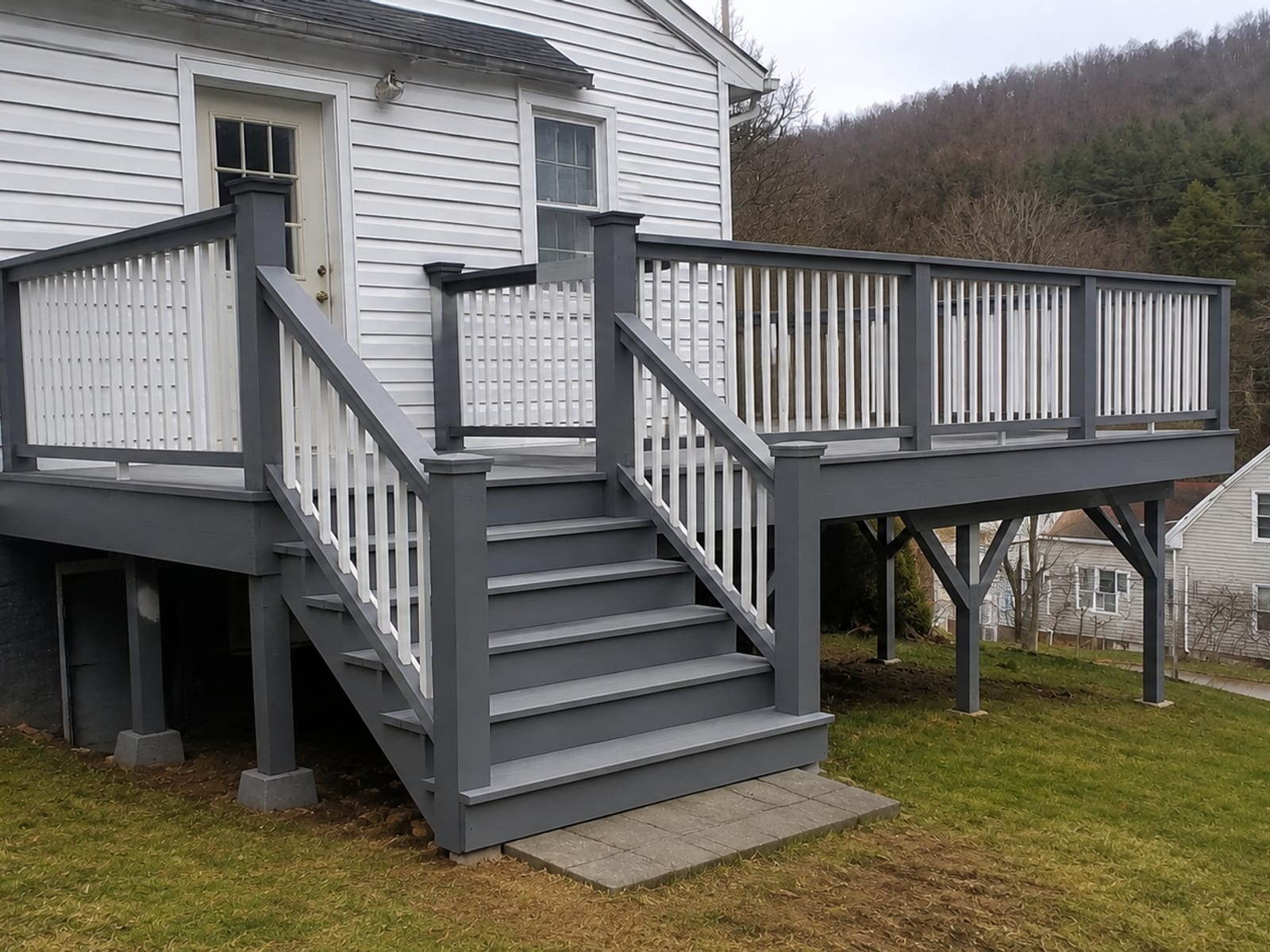
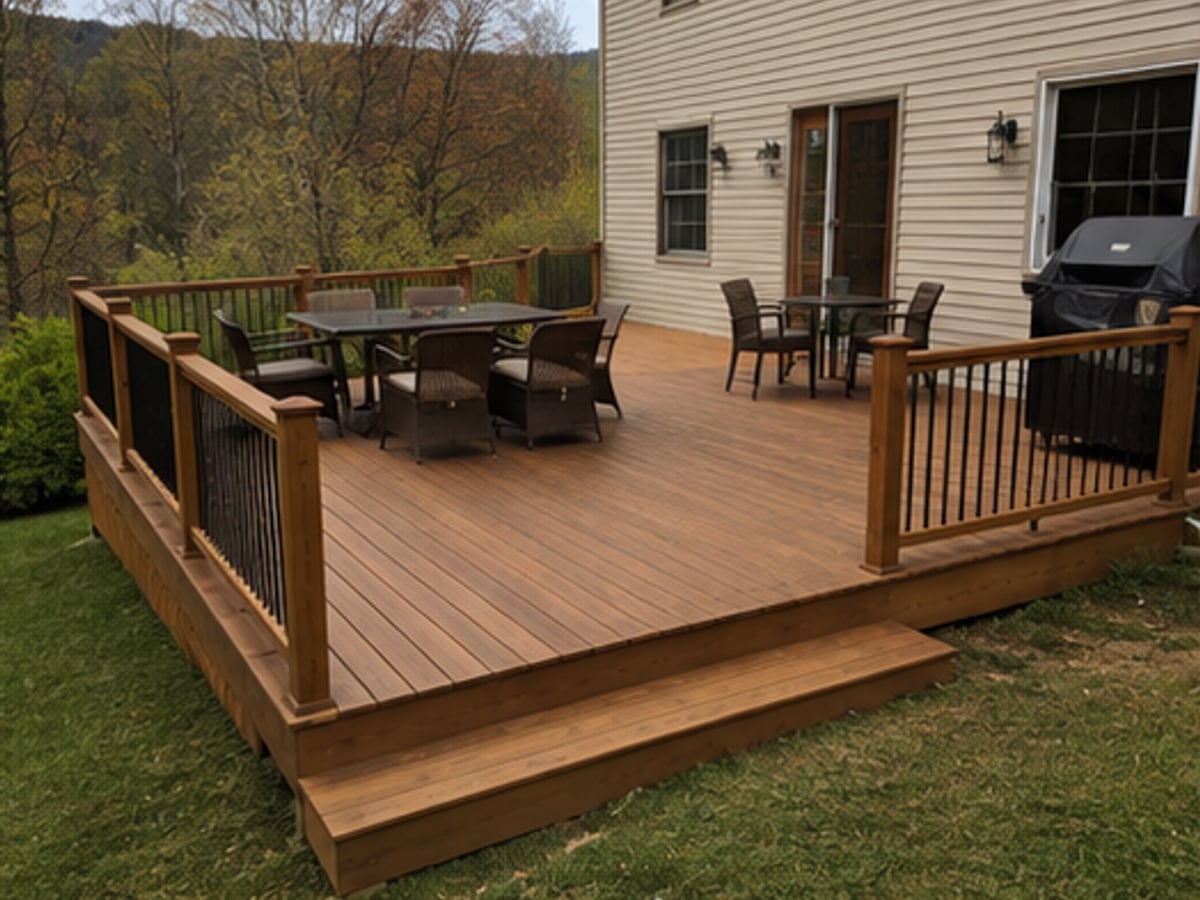
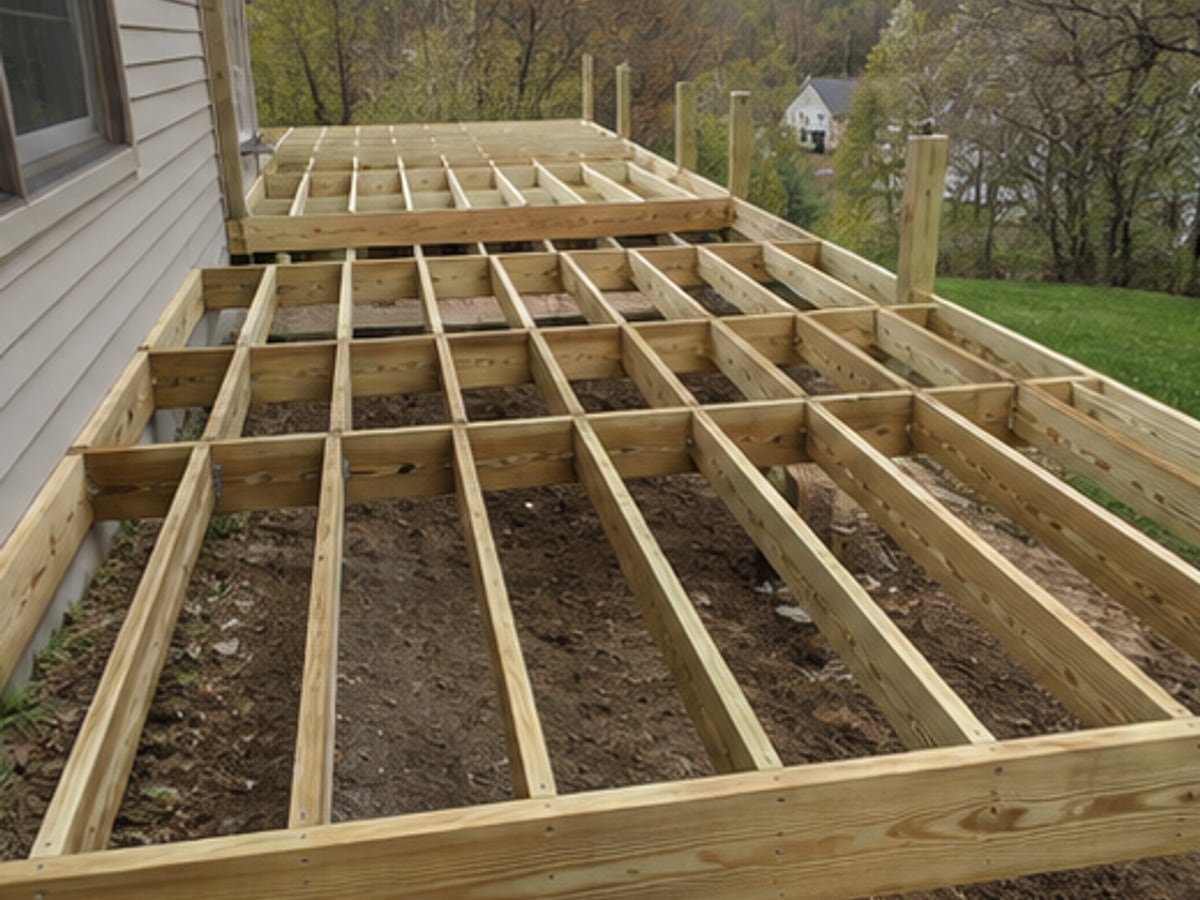
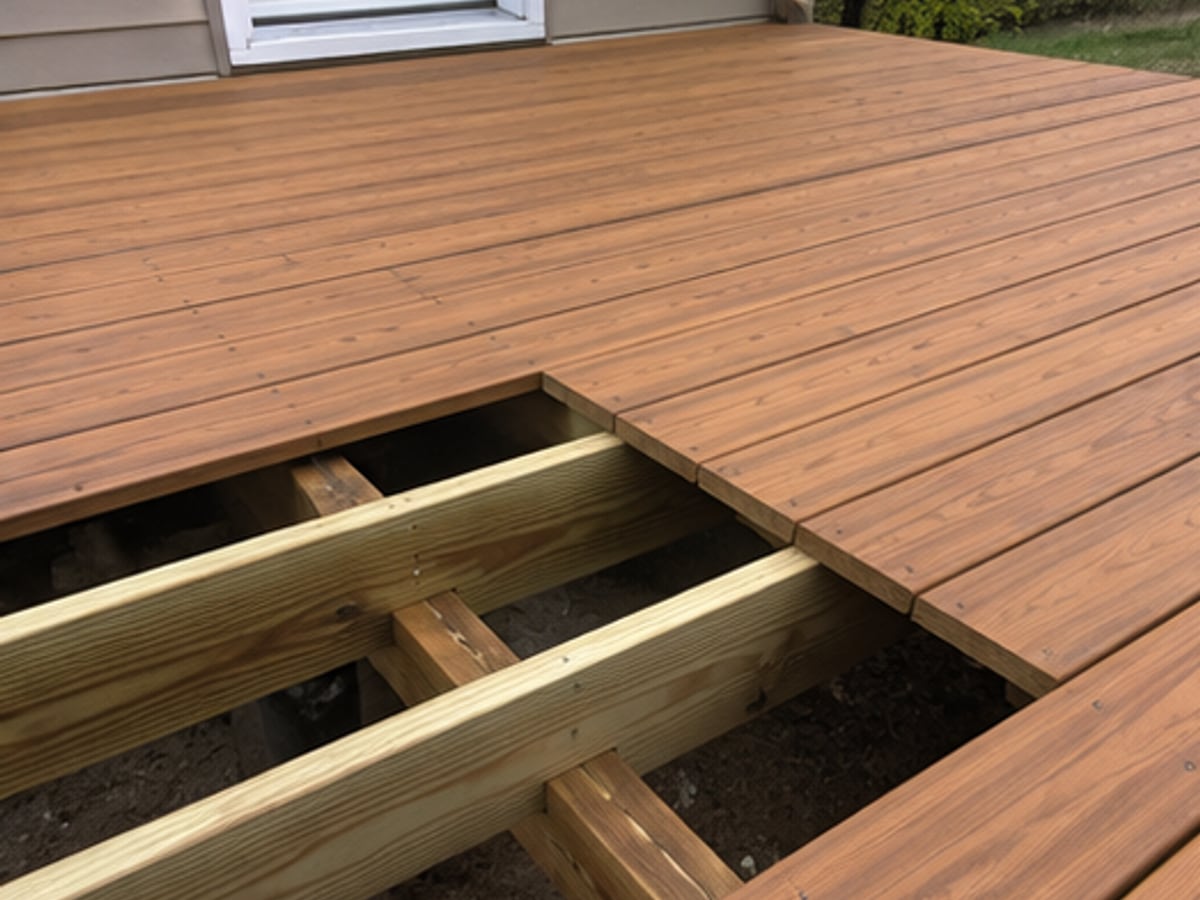
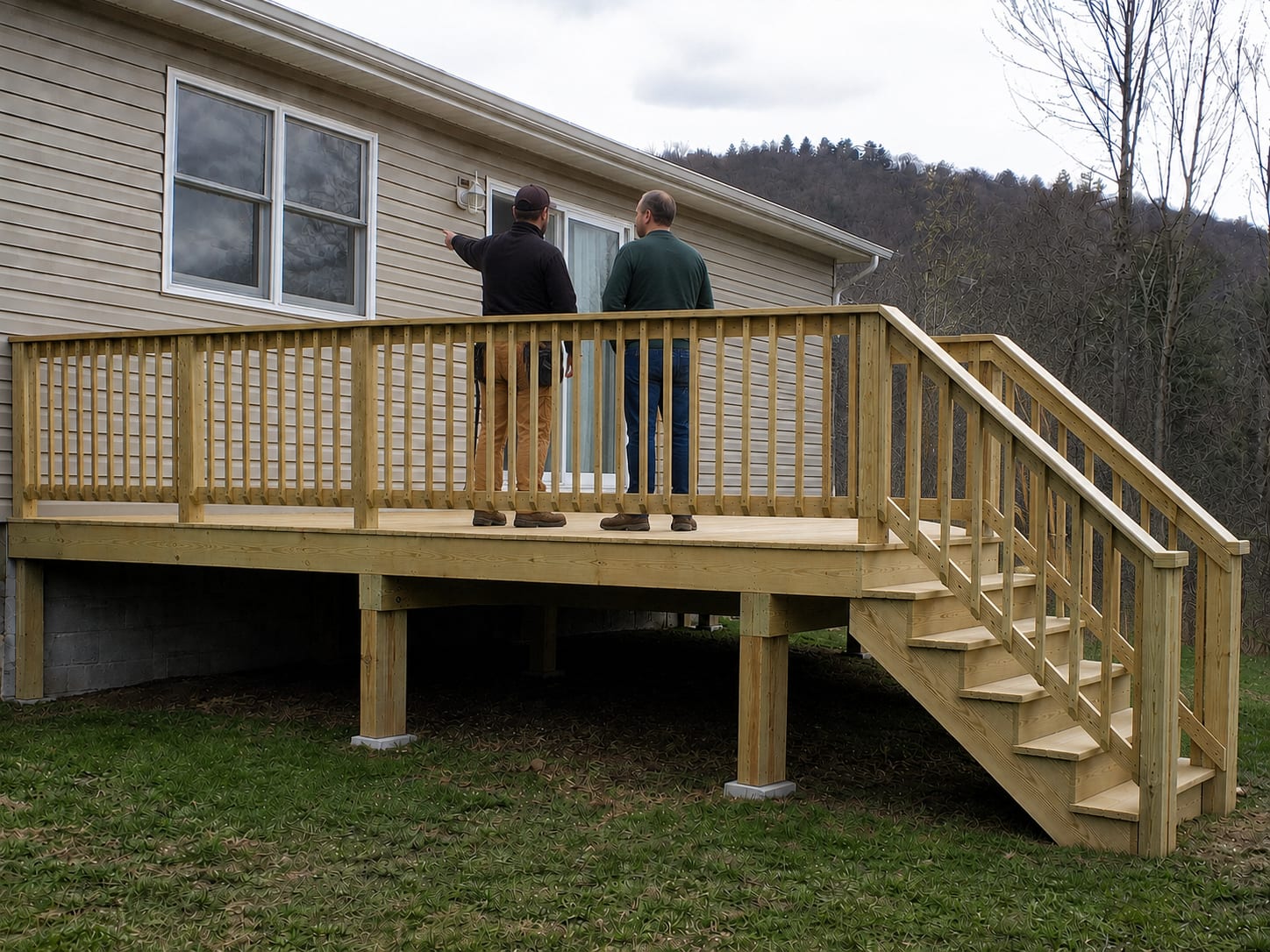
Deck building in Logan is mostly a question of what the lot will carry. Level ground is scarce here, so a deck that would be a simple platform anywhere flat becomes an elevated structure with real load going into a few points on a slope.
Had them out after the back steps started going soft underfoot. He came and looked properly before quoting anything, and told me the structure underneath was still sound — so it ended up a smaller job than I had braced myself for. Turned up when he said he would, cleaned up after himself, and the price at the end was the price we agreed. Not much more you can ask for.
Owner replied
S
Skyler White
9 months ago
Called on a Tuesday and had someone out the same week. What I appreciated most was being told straight what needed doing now and what could safely wait until spring. No pressure and no trying to talk me into the bigger version of the job. It has held up fine through the winter since.
T
Trevor Alford
2 months ago
The quote came through itemised and the final bill matched it, which has honestly not been my experience with everyone around here. They worked around an awkward driveway without once making it my problem, and left the place tidier than they found it. Would have them back.
K
Kaleb Withrow
3 weeks ago
Fair price, showed up on time, tidy work. No complaints.
See something like yours?
Send a few photos and we'll tell you what it'll take — free written quote, no pressure.
Logan sits where the Guyandotte meets Island Creek, hemmed in by slopes, and most residential lots reflect that. Behind a lot of houses the ground falls away quickly, which is exactly where people want a deck and exactly what makes it a bigger job than it looks.
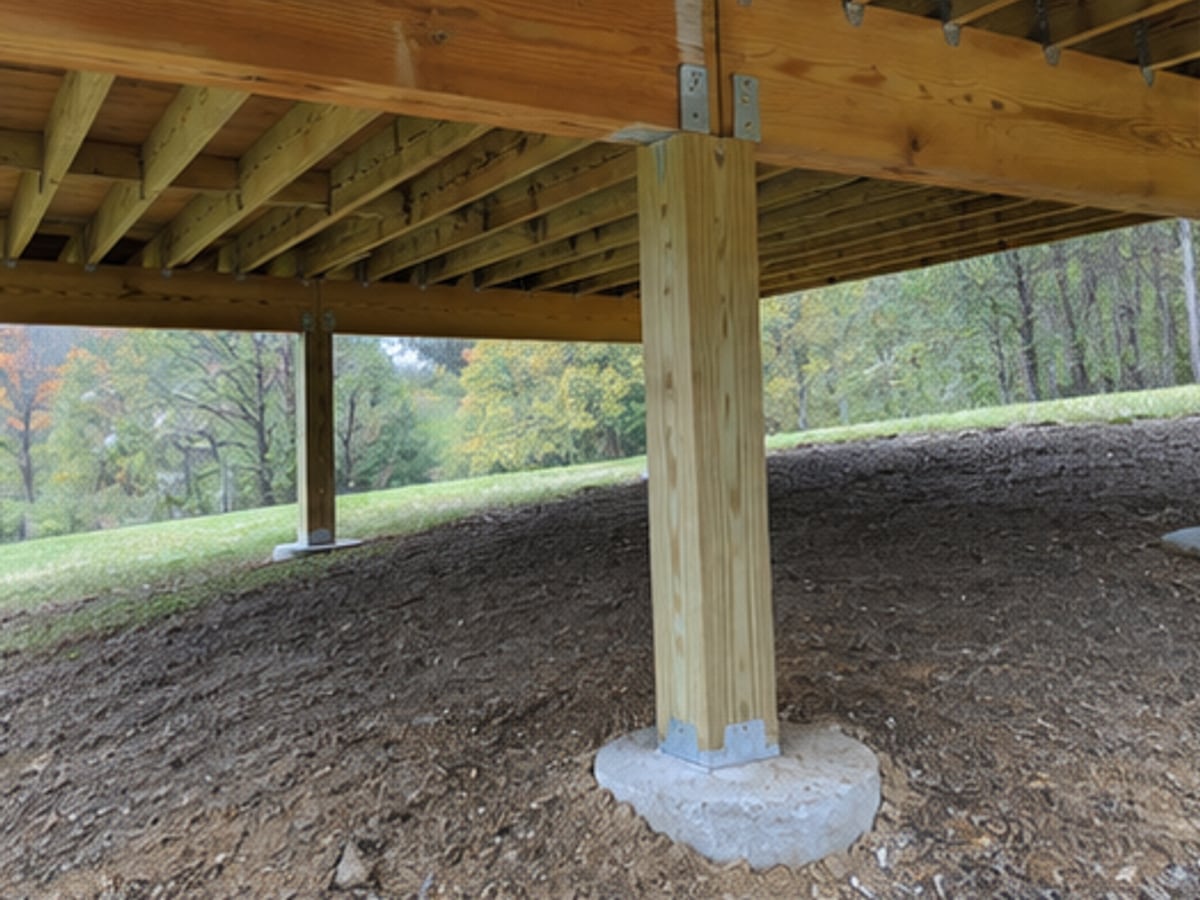
Footings sized for the actual load, below frost depth
Post sections matched to height, not defaulted
Proper lateral bracing on anything elevated
Multi-level layouts to work with the grade
Drainage considered so runoff doesn't undermine footings
Why Choose Mackwood Construction?
What you get when Mackwood does your decks — and what we won't do.
Free written quote, itemised before anything starts
We get underneath and look properly before quoting — not from the kerb
We'll tell you straight if a repair isn't worth doing
Based in Williamson — Mingo and Logan counties, about an hour out
Straight answers on permits, which differ either side of the county line
Built for this climate: drainage, flashing and ground contact done right
From first call to finished work — no surprises in between.
Step 1
Tell us about the project
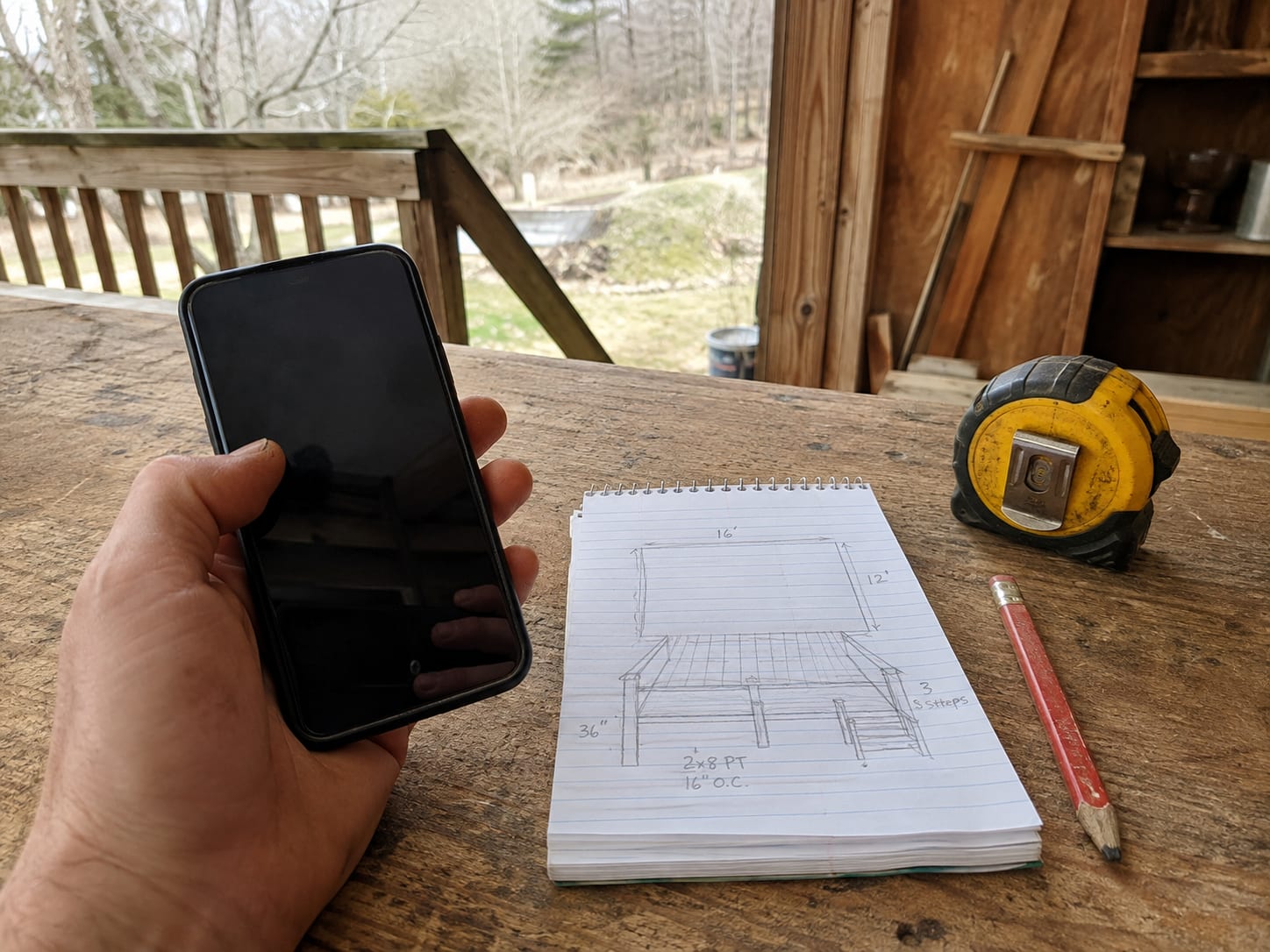
Call, text, or send a message with what you're looking to build or repair. No form to fill in and no call centre — it comes straight to us, and you'll get a real answer about whether it's something we do.
Step 2
Send photos or schedule a look
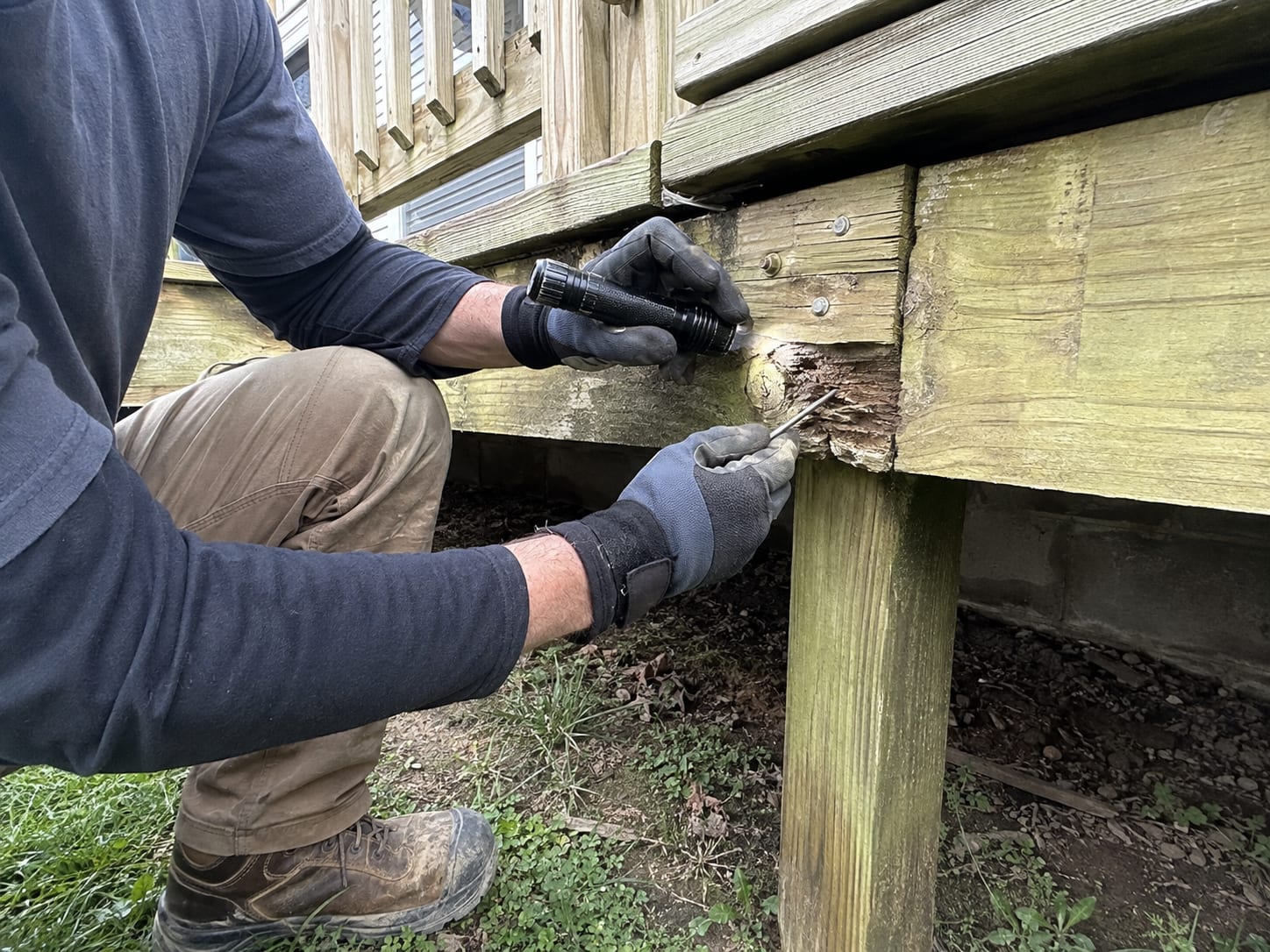
A few photos are often enough to tell us what we're dealing with. Where it isn't — anything structural, anything hidden underneath — we'll come out and look properly before quoting rather than guessing from the kerb.
Step 3
Get a clear quote
You get a written quote that itemises the work, so you can see what you're paying for and what you aren't. If we think part of it isn't worth doing, we'll say so. No pressure and no surprises at the end.
Step 4
We build it right
We turn up when we said we would, work clean, and haul the offcuts away with us. The job gets built to last in this climate — and we'll walk it with you before we call it finished.
Not sure what your deck needs?
We'll come and look, then tell you straight — including if it isn't worth doing.
Yes — most lots here have some grade to deal with. It changes footing and post design rather than whether it can be done. Often the better answer is stepping the deck down in levels instead of one tall platform, which usually costs less and gives you more usable space.
My deck is on patio blocks and has gone out of level. Is that fixable?
Usually. Blocks sitting on soil move with every freeze-thaw cycle, which is what puts a deck out of level. The correction is proper footings below frost depth. On a low ground-level deck it's sometimes tolerable to leave; on an elevated one it should be dealt with.
How can I tell whether my deck is safe?
The connection to the house is the thing to look at first — any movement, rust, or visible gap there is worth acting on. After that, posts soft at the base, bounce underfoot, and railings that move when leaned on. If you're unsure, we'll come and look.
Does a new deck in Logan County need a permit?
Often yes, and Logan County handles permitting separately from Mingo County, so requirements differ depending which side of the line you're on. We confirm what applies to your address before starting.
Do you actually come out to Logan, or just Williamson?
Logan is a regular run for us — about 40 minutes from Williamson on US-119. It's well inside the hour we cover, and we're in Logan County often enough that it isn't a special trip.
Is a permit different in Logan County than in Mingo County?
It can be. Logan County and Mingo County administer permitting and inspection separately, so the same job can have different requirements depending which side of the line you're on. Structural work is the case where it matters most. We'll tell you what applies before we start rather than after.
My house is up a hollow with a narrow drive. Is that a problem?
No, it's normal here. It affects what we can haul in one trip and how long material handling takes, not whether the job can be done. We'd rather see the access before quoting so the number accounts for it.
Most people are buying a result, not a list of tasks. Pick a topic to see what we look at before quoting in Logan.
More on deck work in Logan
Height off grade drives everything. Taller posts need larger sections and proper bracing, footings carry more load per point, and the whole structure has to resist lateral movement in a way a ground-level deck never does. None of that is exotic work, but it isn't optional either, and it's the part that gets skipped on a cheap build.
Stepping a deck down the slope in levels is often the better answer than one high platform. It shortens post spans, brings the structure closer to the ground, and usually gives more usable space for the same money.
The ledger, and why it matters more here
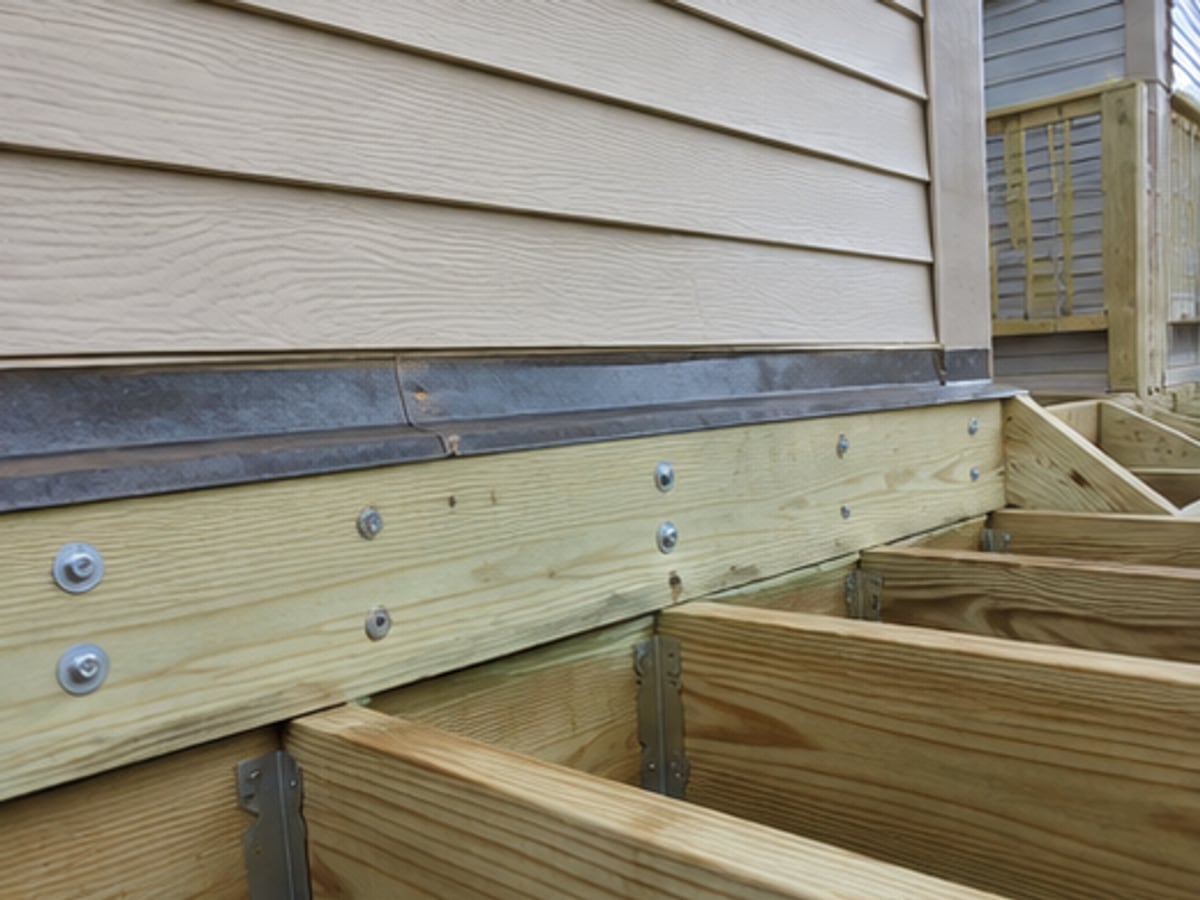
Where a deck attaches to the house, a ledger board carries one entire side of it. It is the single most common point of sudden deck failure, and on an elevated deck the consequences of that failure are proportionally worse.
Older decks around here were frequently attached with nails rather than structural bolts, and where water has run behind unflashed ledgers for years there may be very little sound wood left to fasten into. On Logan's older housing stock, with wood-framed walls on pier foundations, that's worth checking before adding any load.
We look at the ledger connection first on any existing deck, before discussing boards or railings. If that connection isn't sound, nothing above it matters.
Existing decks on this stock
A good share of the decks on Logan houses were added later to homes that were built without them, often by whoever was available at the time. That produces a wide range of quality and a common set of problems: posts on patio blocks set on soil, undersized framing for the span, and railings that were never structurally attached.
Blocks on dirt are the one that shows up most. Every freeze-thaw cycle moves them a little, and after enough winters the deck is visibly out of level and the door onto it has stopped latching. On a low deck that's sometimes tolerable. On anything elevated it needs correcting, because those posts are carrying real load.
Homes around Logan
Logan's housing runs heavily to early-to-mid 20th century stock built when the coal operations were at their peak — company-built houses in town and up the hollows, most of them wood-framed on block or stone piers rather than a poured perimeter foundation. Nearly all of them have a covered front porch, because that was standard on the pattern. Those porches were framed with untreated lumber and set close to grade, which is the single biggest reason porch work is the most common carpentry call in this county.
What we see locally
Logan sits at the confluence of the Guyandotte River and Island Creek, and the town has a long, documented flood history — the 1977 Guyandotte flood is still the benchmark locally. Repeated wetting is what drives the rot we see: sill plates, porch posts, joist ends, and the bottoms of exterior door frames. Add hillside runoff coming off the slopes behind the houses and you get wood that stays damp long after the weather clears.
Getting to the job
Town lots in Logan are tight and often sit right on the street, so material gets carried rather than backed in. Up the hollows off Island Creek and Mud Fork the roads narrow and the driveways get steep, which limits trailer size and means longer carries. None of that changes the price of the carpentry — it changes how long the day takes, and we allow for it in the quote rather than discovering it on arrival.
Get a free quote for decks in Logan
Tell us what you're building or repairing and get a clear, no-pressure quote. Free quotes, honest answers, and craftsmanship built to last.