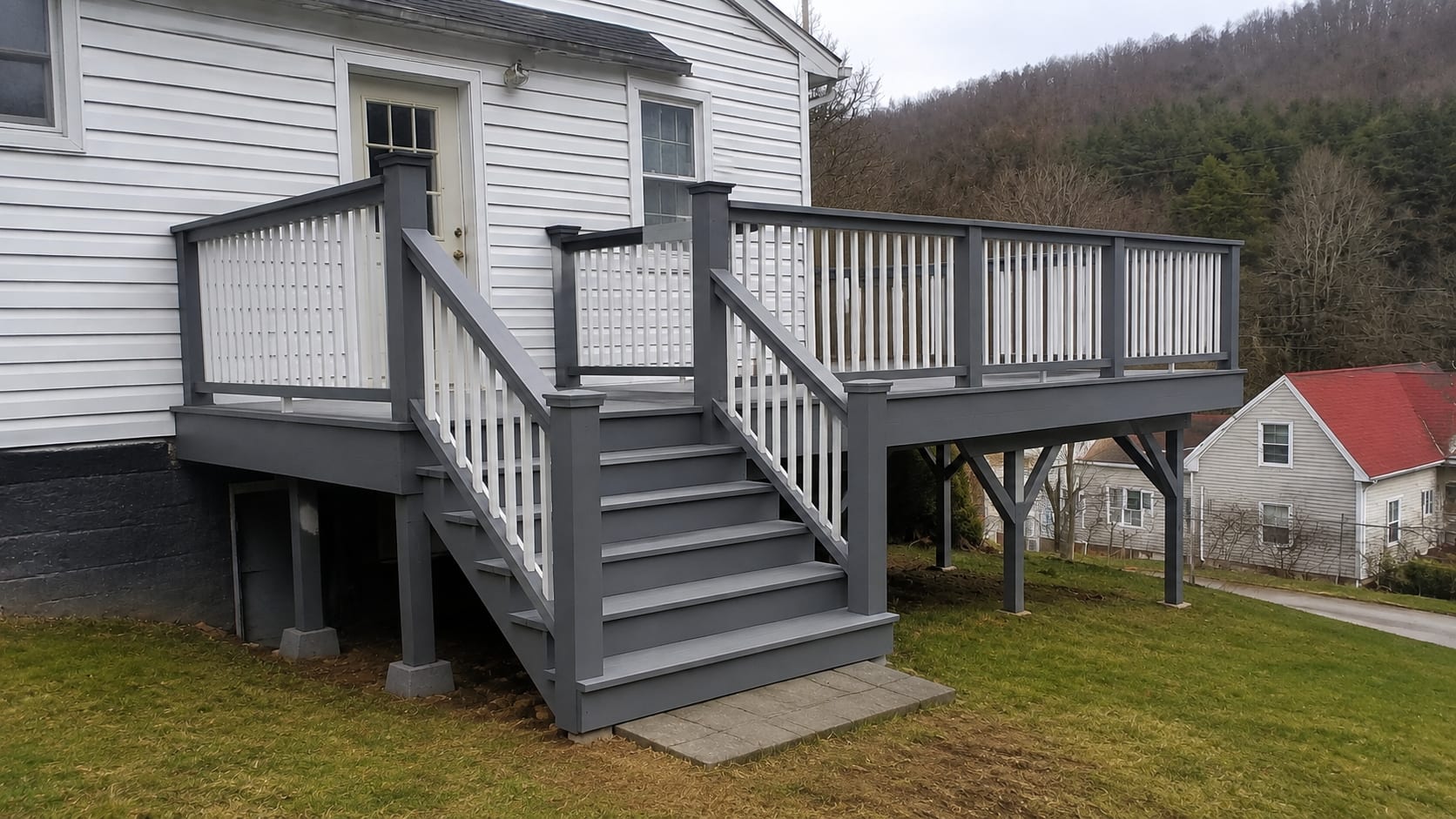
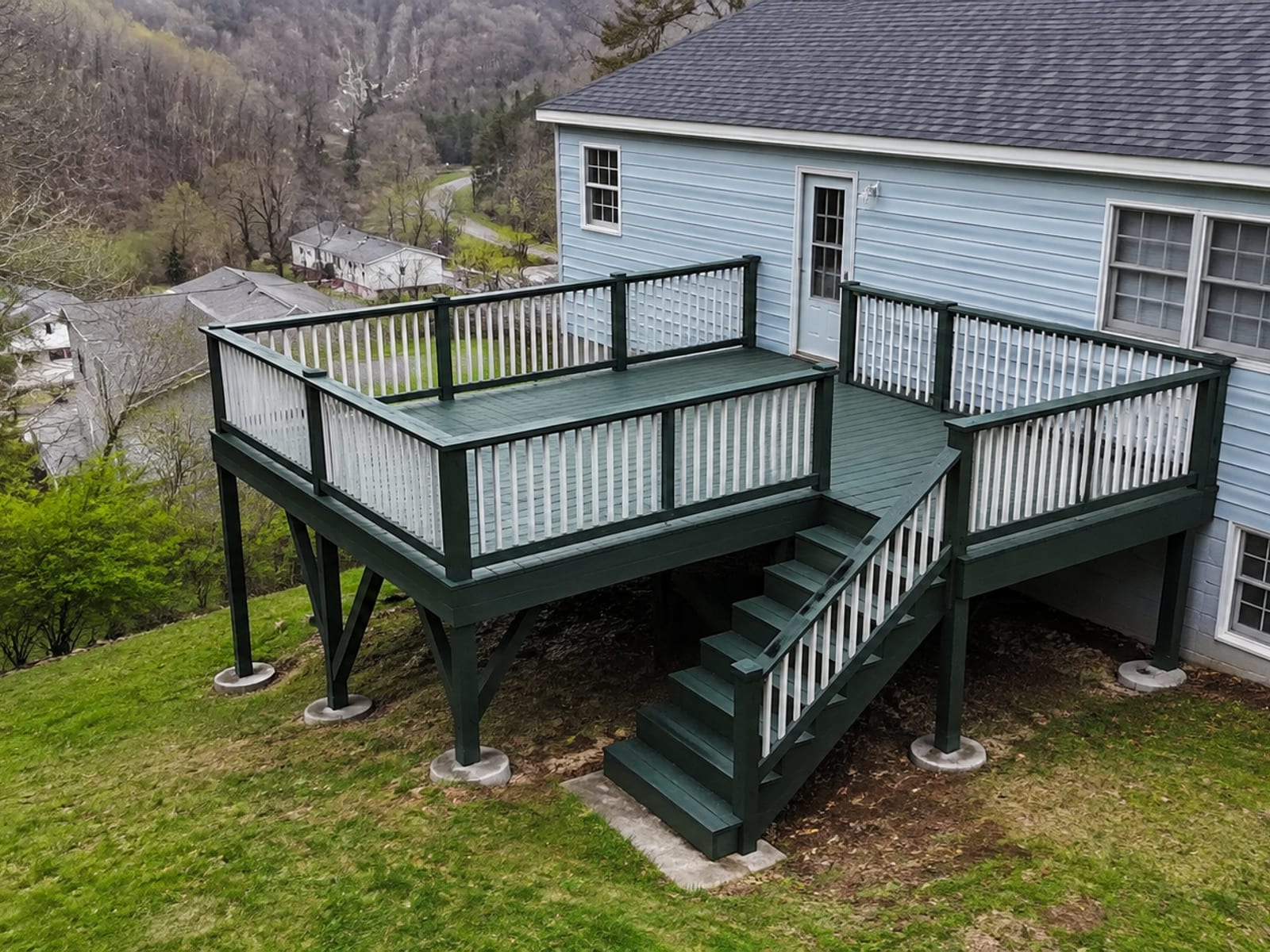
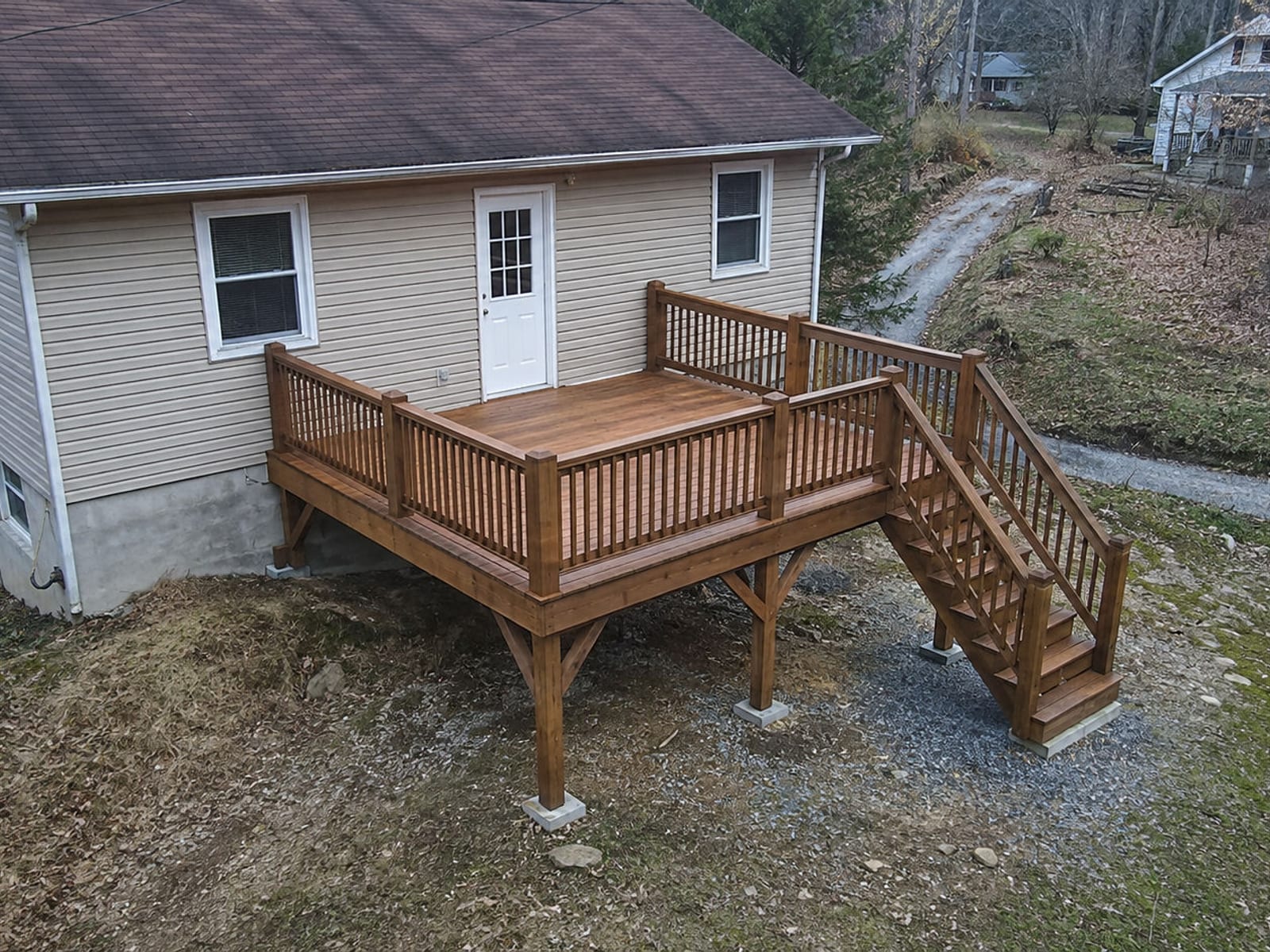
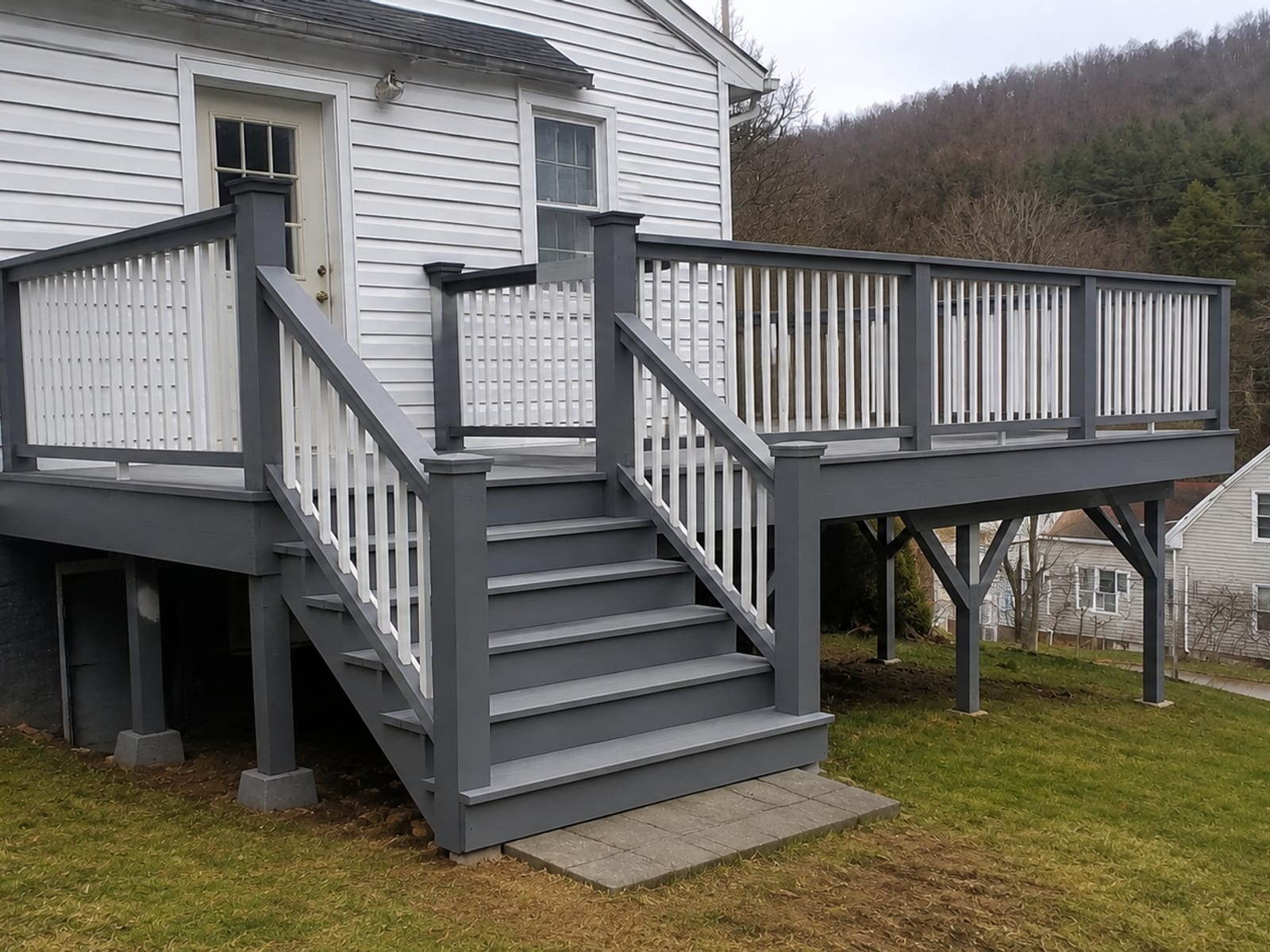
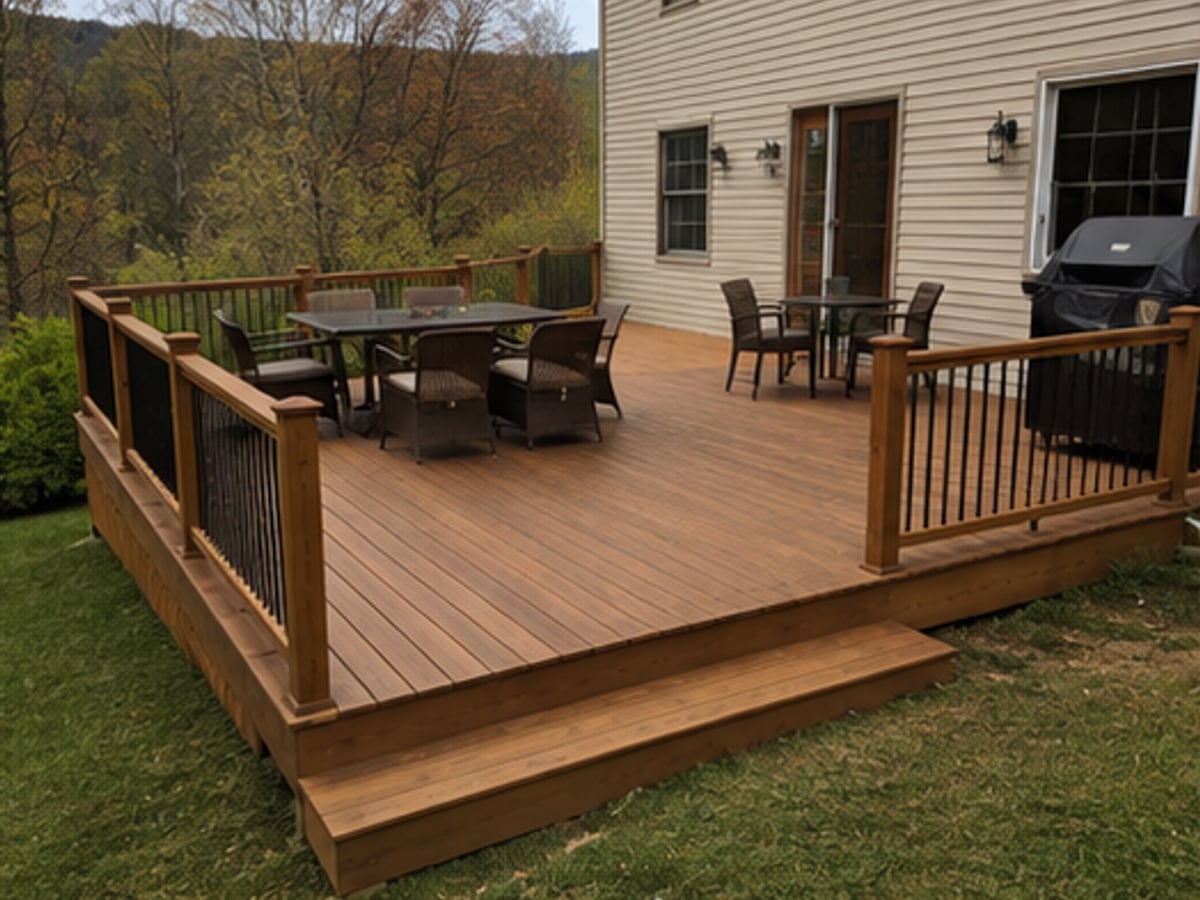
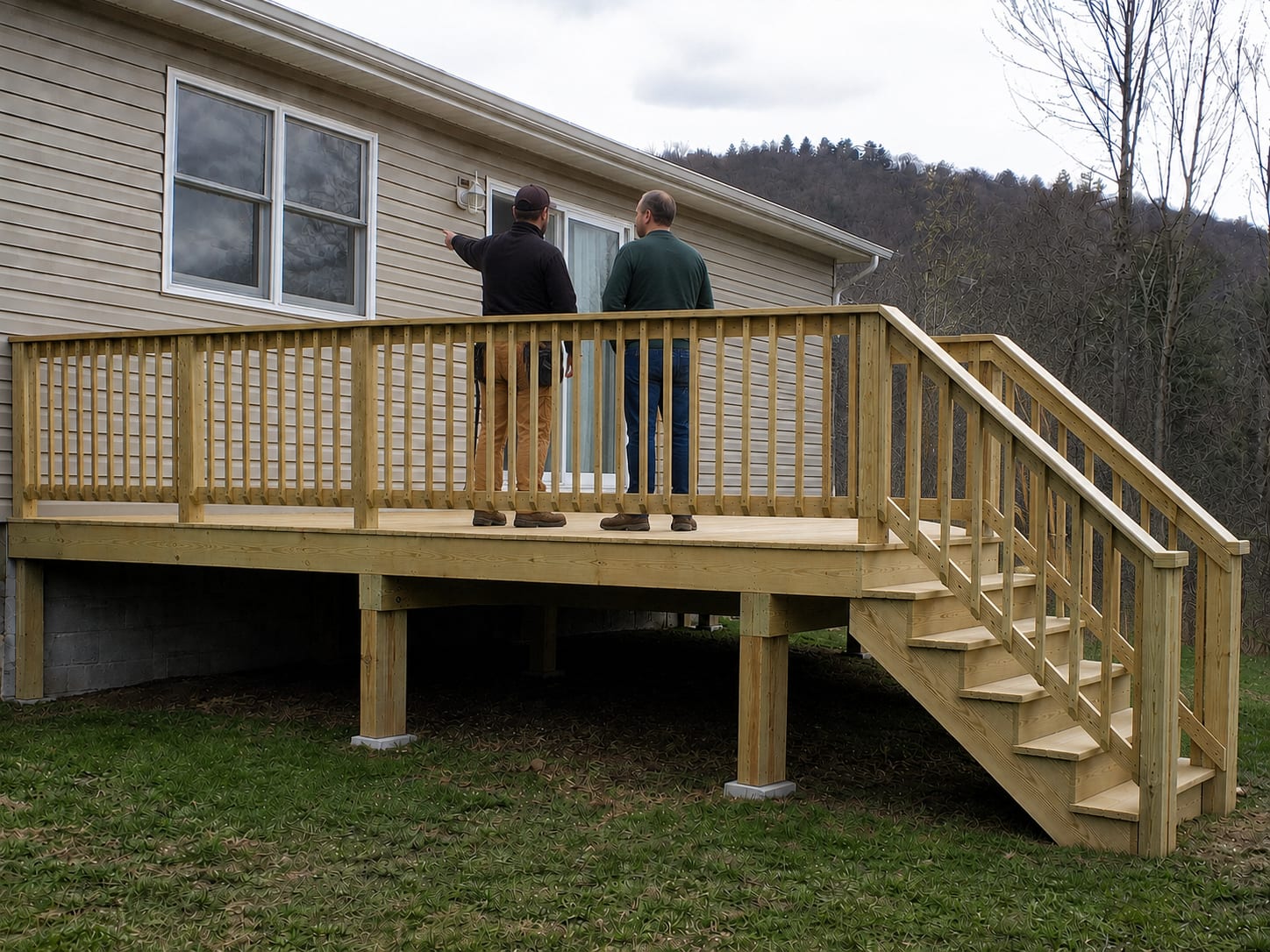
Chapmanville has more decks than anywhere else we cover, and most of them are now fifteen to twenty-five years old. That is the age where a deck stops being about how the boards look and starts being about the connections holding it to the house.
Had them out after the back steps started going soft underfoot. He came and looked properly before quoting anything, and told me the structure underneath was still sound — so it ended up a smaller job than I had braced myself for. Turned up when he said he would, cleaned up after himself, and the price at the end was the price we agreed. Not much more you can ask for.
Owner replied
S
Skyler White
9 months ago
Called on a Tuesday and had someone out the same week. What I appreciated most was being told straight what needed doing now and what could safely wait until spring. No pressure and no trying to talk me into the bigger version of the job. It has held up fine through the winter since.
T
Trevor Alford
2 months ago
The quote came through itemised and the final bill matched it, which has honestly not been my experience with everyone around here. They worked around an awkward driveway without once making it my problem, and left the place tidier than they found it. Would have them back.
K
Kaleb Withrow
3 weeks ago
Fair price, showed up on time, tidy work. No complaints.
See something like yours?
Send a few photos and we'll tell you what it'll take — free written quote, no pressure.
Everything built here since Corridor G made the town commutable came with a deck. Those decks were built to the standards of their day, on poured foundations, by a range of hands, and they are now old enough that the parts nobody looks at are the parts that matter.
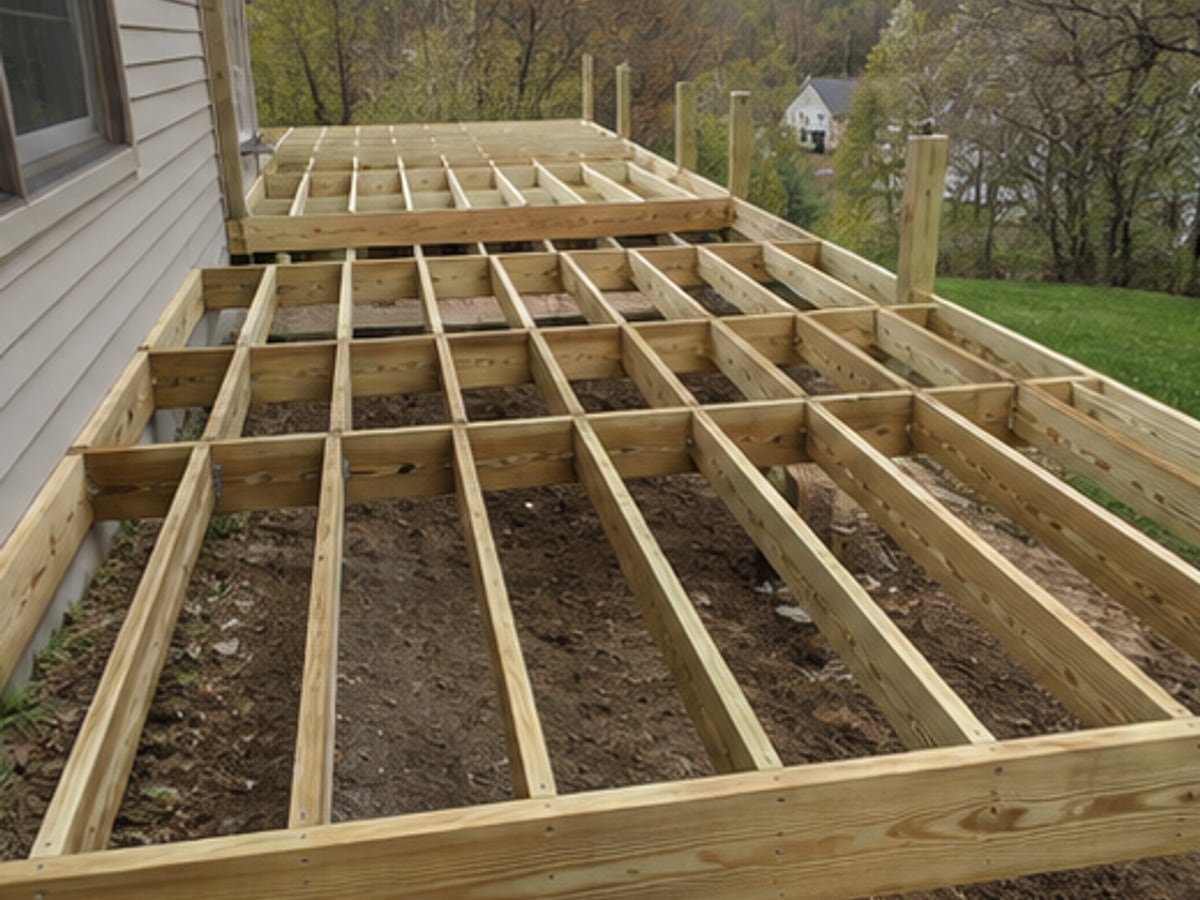
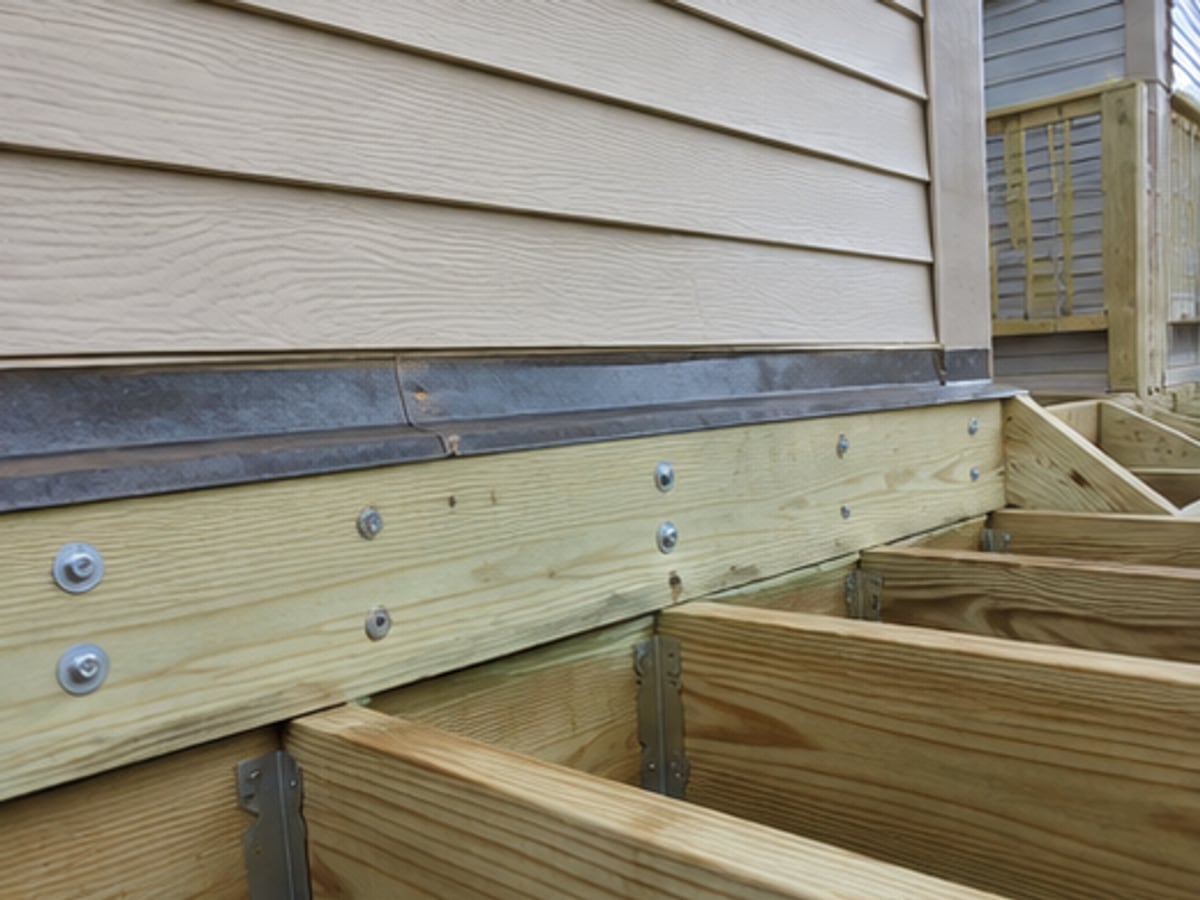
Ledger condition and flashing checked first, always
Hangers, bolts, and connectors inspected for corrosion
Railing posts fastened to framing, not to deck boards
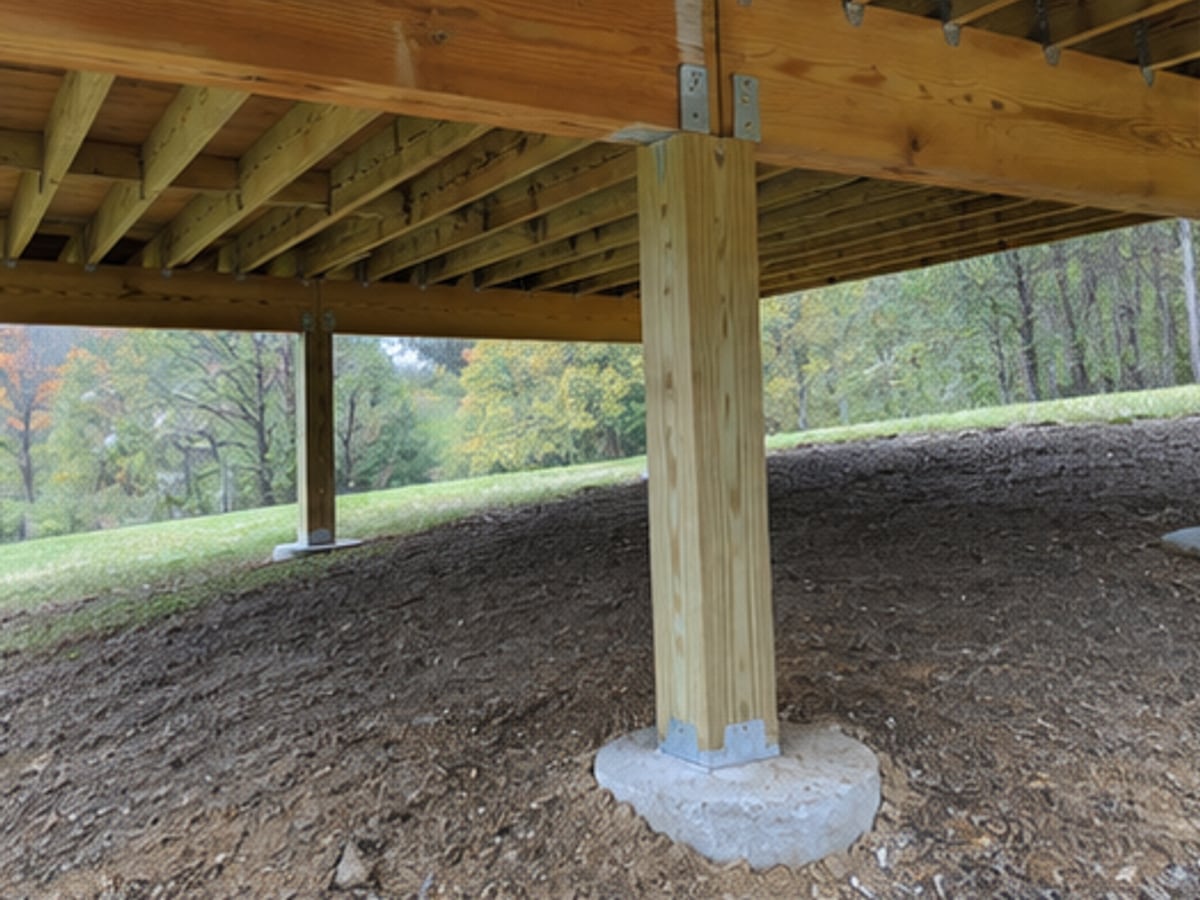
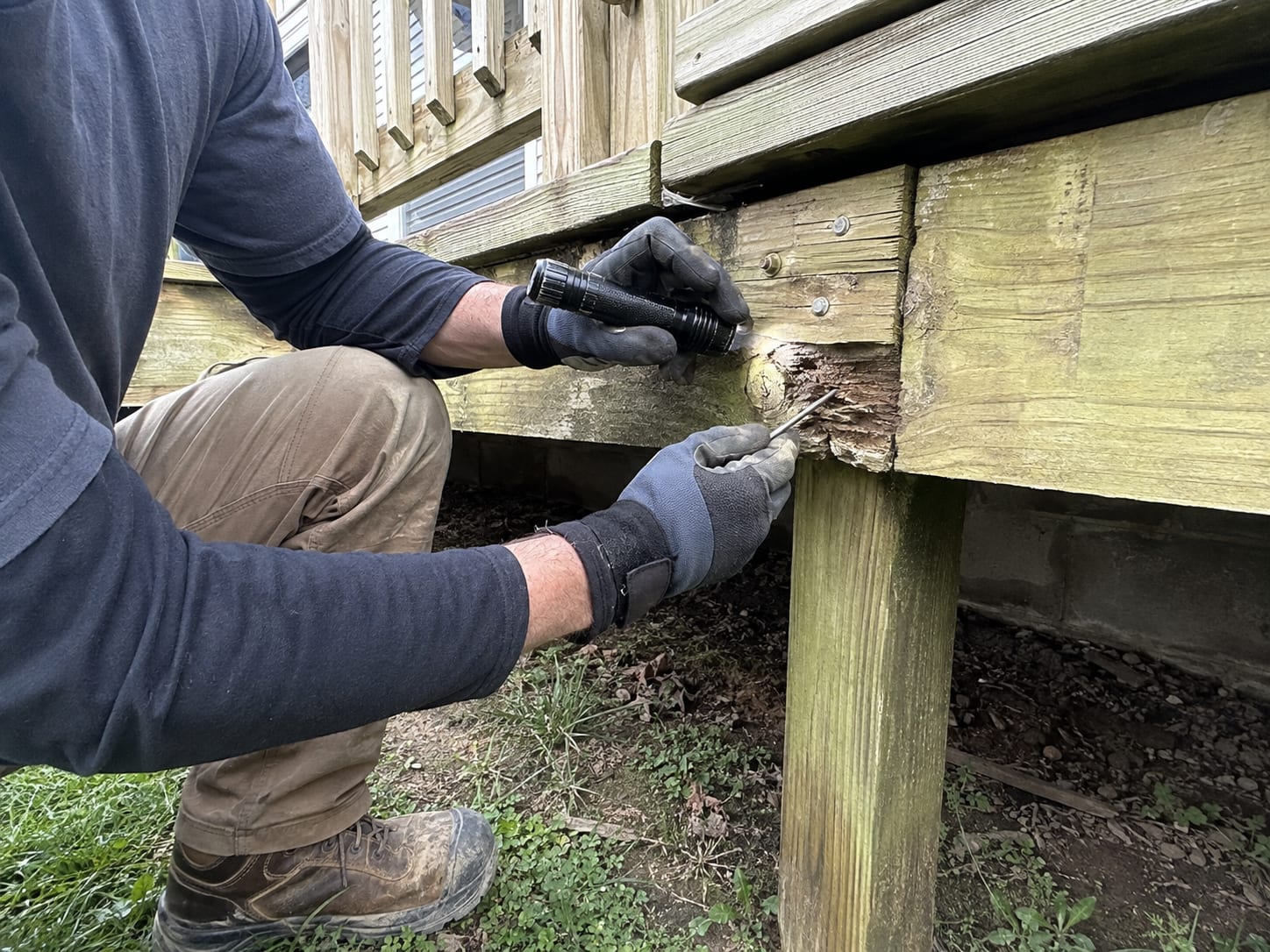
Post bases checked for rot and for what they're standing on
Stair stringers and rise consistency brought up to standard
Why Choose Mackwood Construction?
What you get when Mackwood does your decks — and what we won't do.
Free written quote, itemised before anything starts
We get underneath and look properly before quoting — not from the kerb
We'll tell you straight if a repair isn't worth doing
Based in Williamson — Mingo and Logan counties, about an hour out
Straight answers on permits, which differ either side of the county line
Built for this climate: drainage, flashing and ground contact done right
From first call to finished work — no surprises in between.
Step 1
Tell us about the project
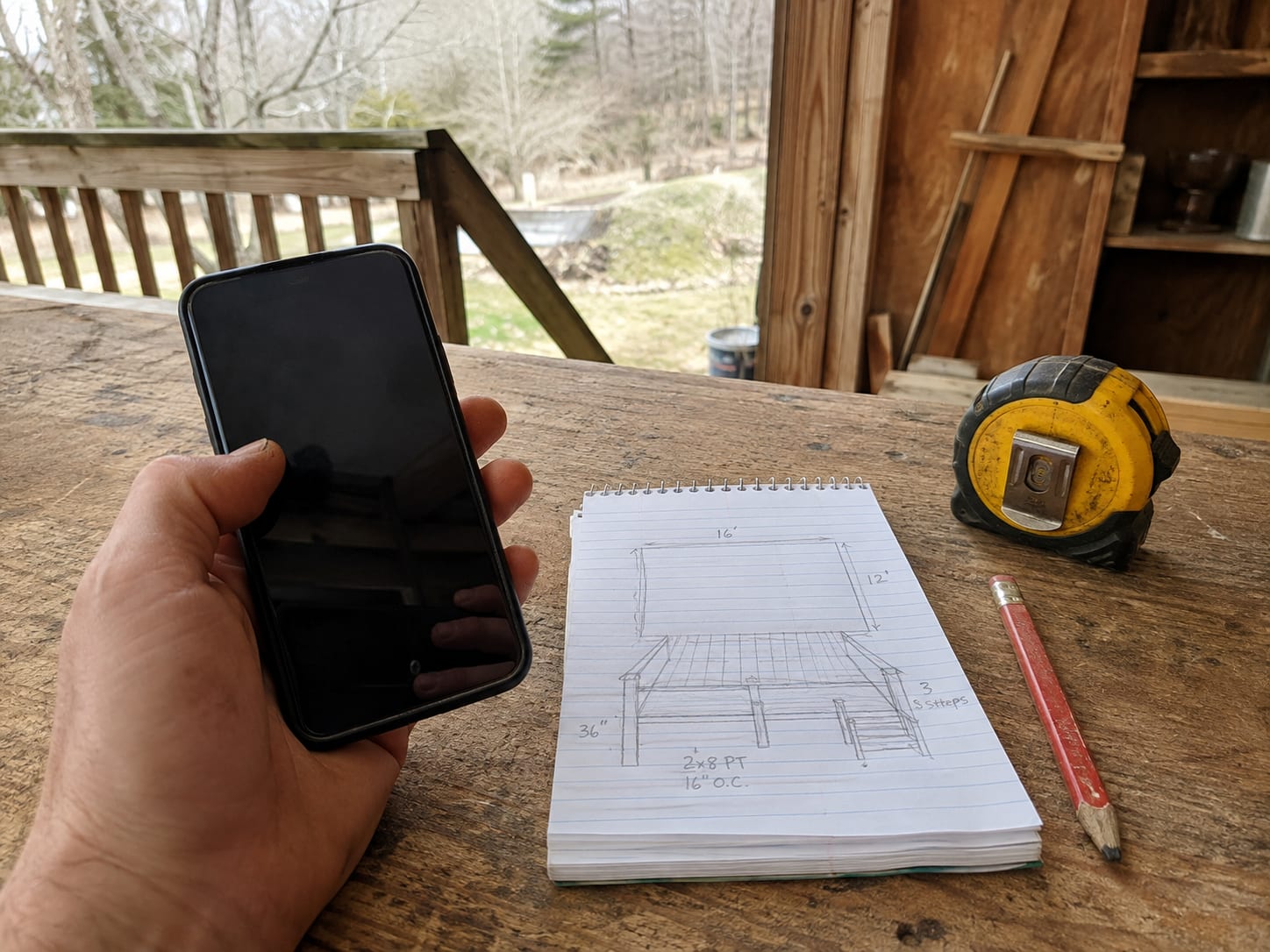
Call, text, or send a message with what you're looking to build or repair. No form to fill in and no call centre — it comes straight to us, and you'll get a real answer about whether it's something we do.
Step 2
Send photos or schedule a look
A few photos are often enough to tell us what we're dealing with. Where it isn't — anything structural, anything hidden underneath — we'll come out and look properly before quoting rather than guessing from the kerb.
Step 3
Get a clear quote
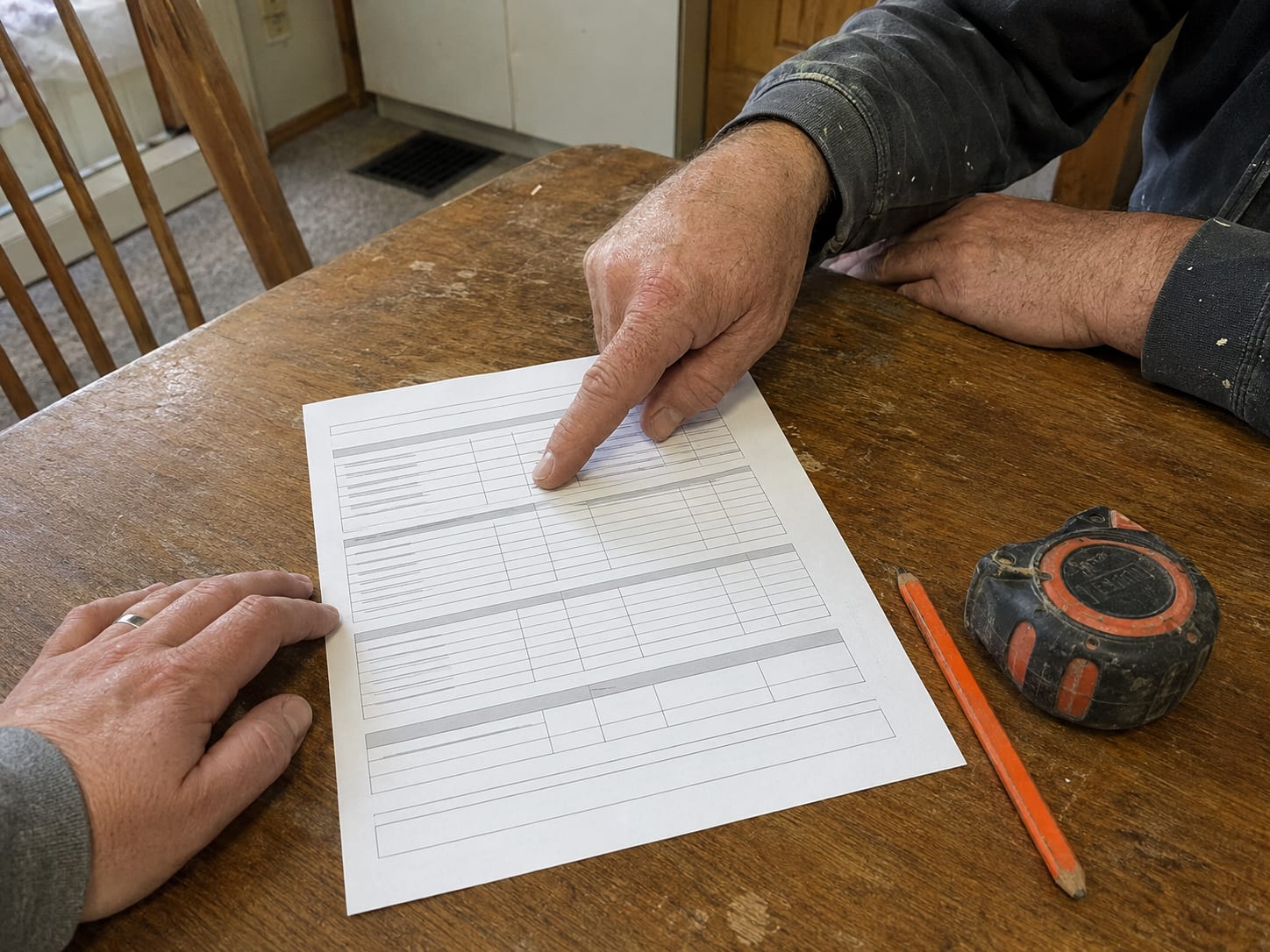
You get a written quote that itemises the work, so you can see what you're paying for and what you aren't. If we think part of it isn't worth doing, we'll say so. No pressure and no surprises at the end.
Step 4
We build it right
We turn up when we said we would, work clean, and haul the offcuts away with us. The job gets built to last in this climate — and we'll walk it with you before we call it finished.
Not sure what your deck needs?
We'll come and look, then tell you straight — including if it isn't worth doing.
My deck is about twenty years old and looks fine. Is it worth checking?
Yes, and it's the most common thing we look at here. Decks of that age fail at the connections rather than the surface — the ledger where it meets the house, the hangers, the bolts, and the railing attachments. All of those can be well gone while the boards still look acceptable.
Can I just replace the decking boards?
If the frame, ledger, and posts are sound, absolutely, and it's much the cheaper job. What we won't do is lay new boards over a structure that's failing underneath. We check first and tell you plainly which job you've got.
What actually makes an old deck unsafe?
The connection to the house, more than anything. That's the one that fails suddenly and takes the whole side down with it. After that: posts soft at the base, corroded hangers, bounce underfoot, and railings that move when you lean on them. Any of those is worth acting on.
Is Chapmanville too far for you to come out?
No. It's about fifty minutes and almost all of it is four-lane on Corridor G, which makes it an easier trip than several places that are closer on the map.
You're based in Williamson — is Chapmanville too far?
No. It's about fifty minutes and almost all of it is four-lane on Corridor G, so it's an easier trip than several places that are closer on the map.
My deck is about twenty years old and looks fine. Is it worth checking?
Yes, and it's the most common thing we look at on the newer Chapmanville housing. Decks of that age usually fail at the connections — the ledger where it meets the house, and the fasteners — long before the boards look bad.
Which county handles the permit here?
Logan County, which administers permitting and inspection separately from Mingo County. It matters most on structural work, and we'll tell you what applies before we start.
Most people are buying a result, not a list of tasks. Pick a topic to see what we look at before quoting in Chapmanville.
More on deck work in Chapmanville
They rarely fail at the boards. They fail at the ledger — the board fastening the deck to the house — and at the fasteners and hangers holding the frame together. An unflashed ledger lets water run behind it for two decades, and there may be very little sound wood left where the whole side of the deck is carried.
Fasteners are the other one. Hardware that was appropriate for the lumber of the time is not always appropriate for what came after it, and corroded connectors in a hanger or a ledger bolt do not announce themselves from the top side. Railing connections are third: a lot of them are fastened into decking rather than into the frame, which feels solid and isn't.
Repair, reboard, or rebuild
These are three genuinely different jobs and the numbers are not close, which is why we look underneath before quoting rather than after.
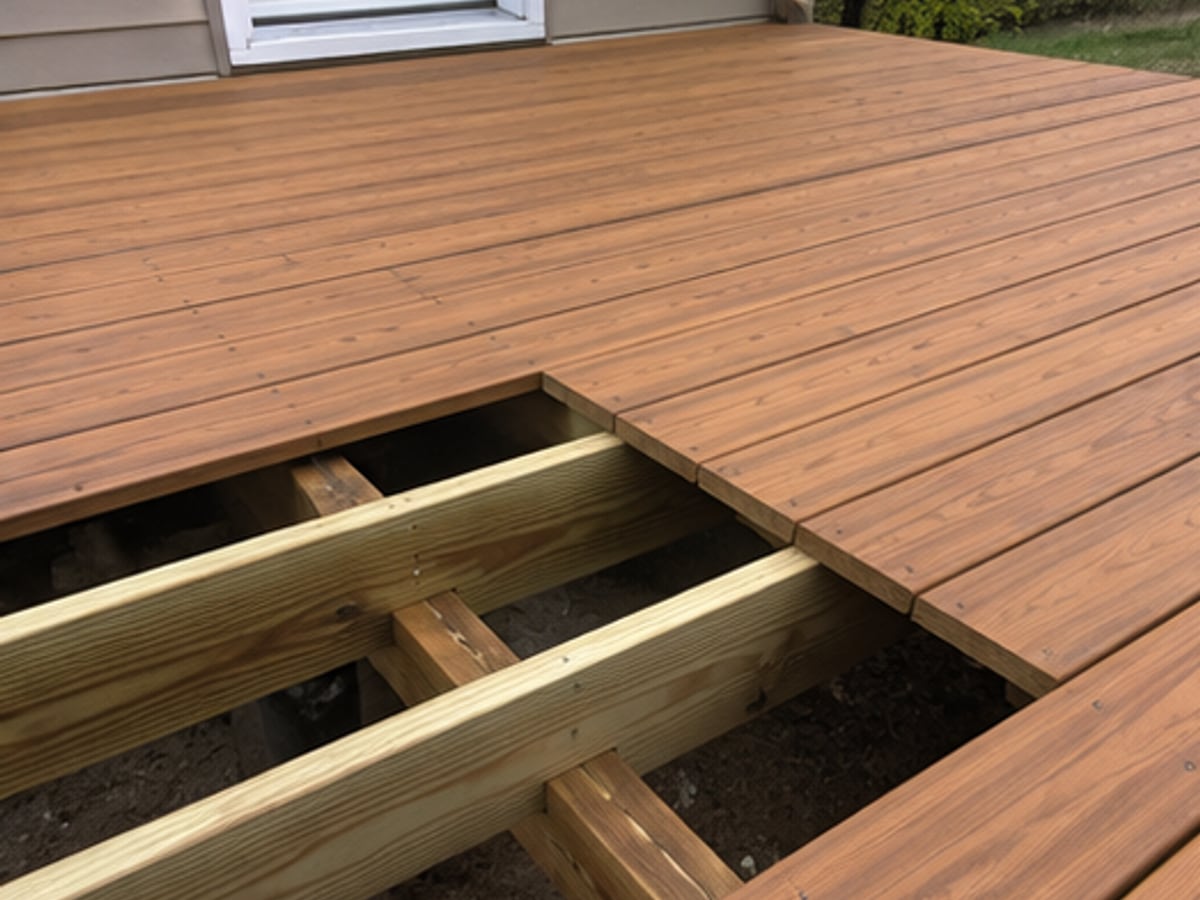
If the frame, ledger, and posts are sound and it's the walking surface that's gone grey and splintered, replacing decking and railings is straightforward and much the cheaper option. If the frame is sound but two or three connections have failed, that's a repair — and it's worth knowing that's what you have, because it often gets quoted as a rebuild.
If the ledger has rotted the band board behind it, or the posts have gone at the base, new boards over that structure are money spent to hide a safety problem. It looks finished and it fails on the same schedule the old one did. We'll show you which of the three you're looking at and why.
The older side of town
Chapmanville has two clearly different sets of housing and they produce different work. The older wood-framed stock in town and along the Guyandotte sits on piers with the flood exposure that comes with low ground, and there the job is usually the same as everywhere else in the county — rot at bearing points, framing that has stayed wet, structures close to grade.
So a deck on that side of town is more likely to be a first build than a rebuild, and more likely to need the band board checked before anything gets attached to it.
Either way it's an easy run for us — about fifty minutes and nearly all of it four-lane on Corridor G, with real driveways and room to stage material once we're there. It's comfortably inside the hour we cover.
Homes around Chapmanville
Chapmanville is the one town on our list with two clearly different sets of housing, and the difference drives what we get called for. There is the older stock — wood-framed houses in town and along the Guyandotte, on piers, with the porches and the age profile the rest of the county has. Then there is everything built since Corridor G made this a commutable spot, which is newer, on poured foundations, and comes with decks, garages, and finished interiors instead. Older houses here bring us rot and porch work; newer ones bring deck work, trim, and remodelling.
What we see locally
The Guyandotte runs through it, and the low-lying older properties carry the flood exposure that comes with that — the same slow rot at sill plates and joist ends we see downriver. The newer housing up off the flat has a different problem entirely: decks and porches that are fifteen to twenty-five years old, built to the standards of the time, now reaching the age where ledger attachments, fasteners, and railing connections need looking at rather than assuming.
Getting to the job
About fifty minutes from Williamson and nearly all of it four-lane on Corridor G, which makes Chapmanville one of the easier runs despite being one of the further towns. Sites are generally more open than in the river towns, with real driveways and room to stage material. It is inside the hour we cover, comfortably.
Get a free quote for decks in Chapmanville
Tell us what you're building or repairing and get a clear, no-pressure quote. Free quotes, honest answers, and craftsmanship built to last.