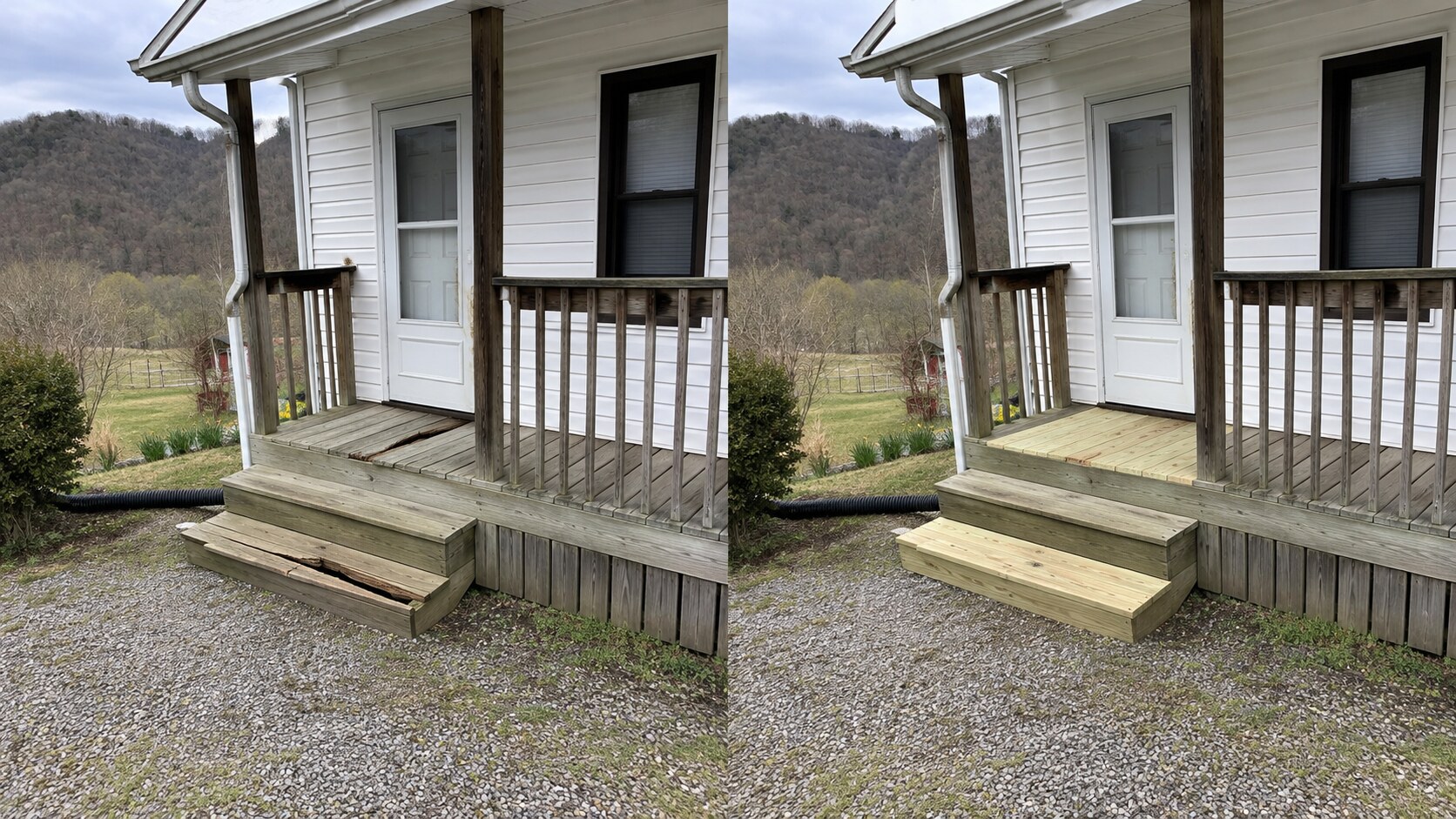
Had them out after the back steps started going soft underfoot. He came and looked properly before quoting anything, and told me the structure underneath was still sound — so it ended up a smaller job than I had braced myself for. Turned up when he said he would, cleaned up after himself, and the price at the end was the price we agreed. Not much more you can ask for.
Owner replied
S
Skyler White
9 months ago
Called on a Tuesday and had someone out the same week. What I appreciated most was being told straight what needed doing now and what could safely wait until spring. No pressure and no trying to talk me into the bigger version of the job. It has held up fine through the winter since.
T
Trevor Alford
2 months ago
The quote came through itemised and the final bill matched it, which has honestly not been my experience with everyone around here. They worked around an awkward driveway without once making it my problem, and left the place tidier than they found it. Would have them back.
K
Kaleb Withrow
3 weeks ago
Fair price, showed up on time, tidy work. No complaints.
Sample reviews shown for illustration.
See something like yours?
Send a few photos and we'll tell you what it'll take — free written quote, no pressure.
Wood rot repair is the work most crews don't want. The jobs are small, the scope isn't clear until you open it up, and there's no big invoice at the end. It's also the work that saves people the most money, because a repair done at the right time heads off a replacement later.
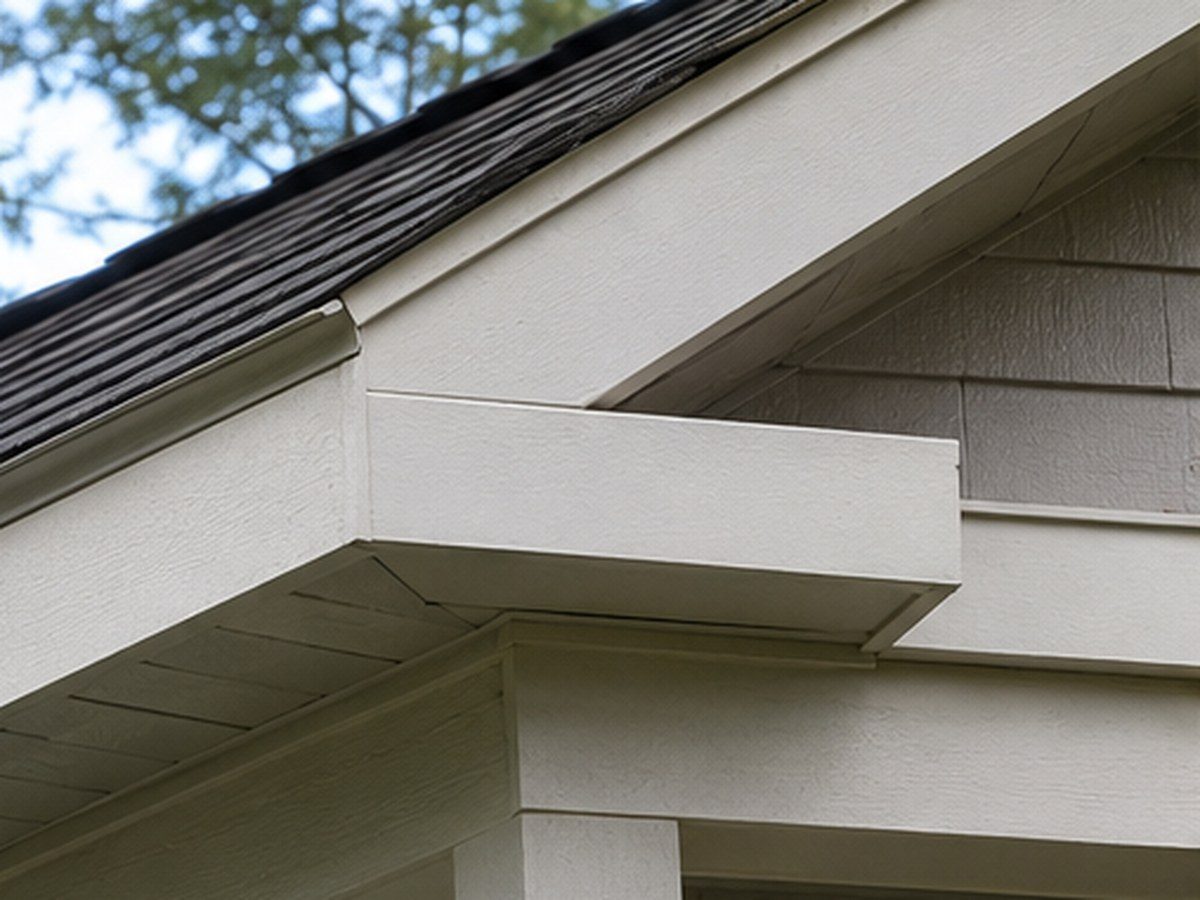
Fascia and rake trim along the roof edge
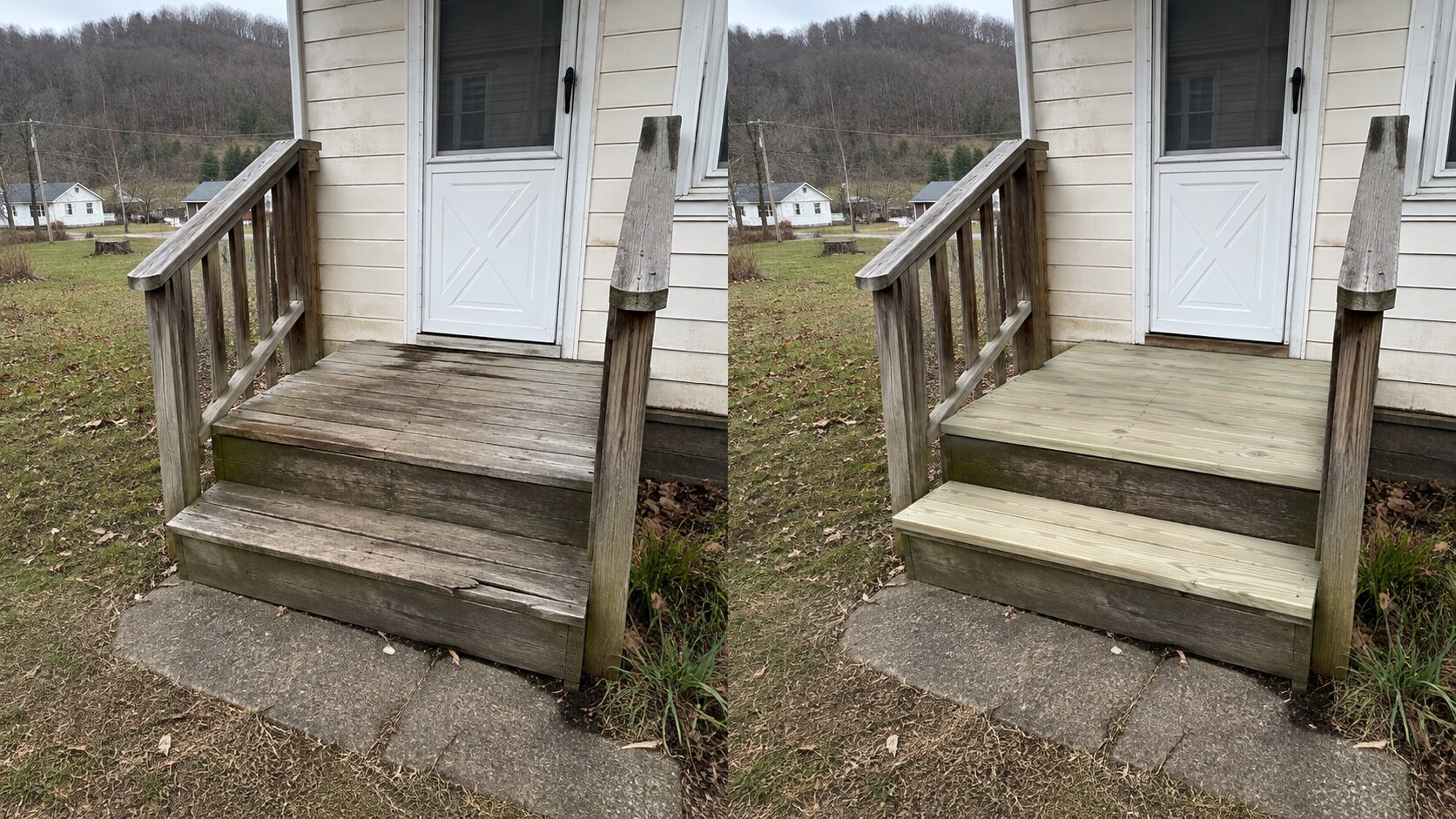
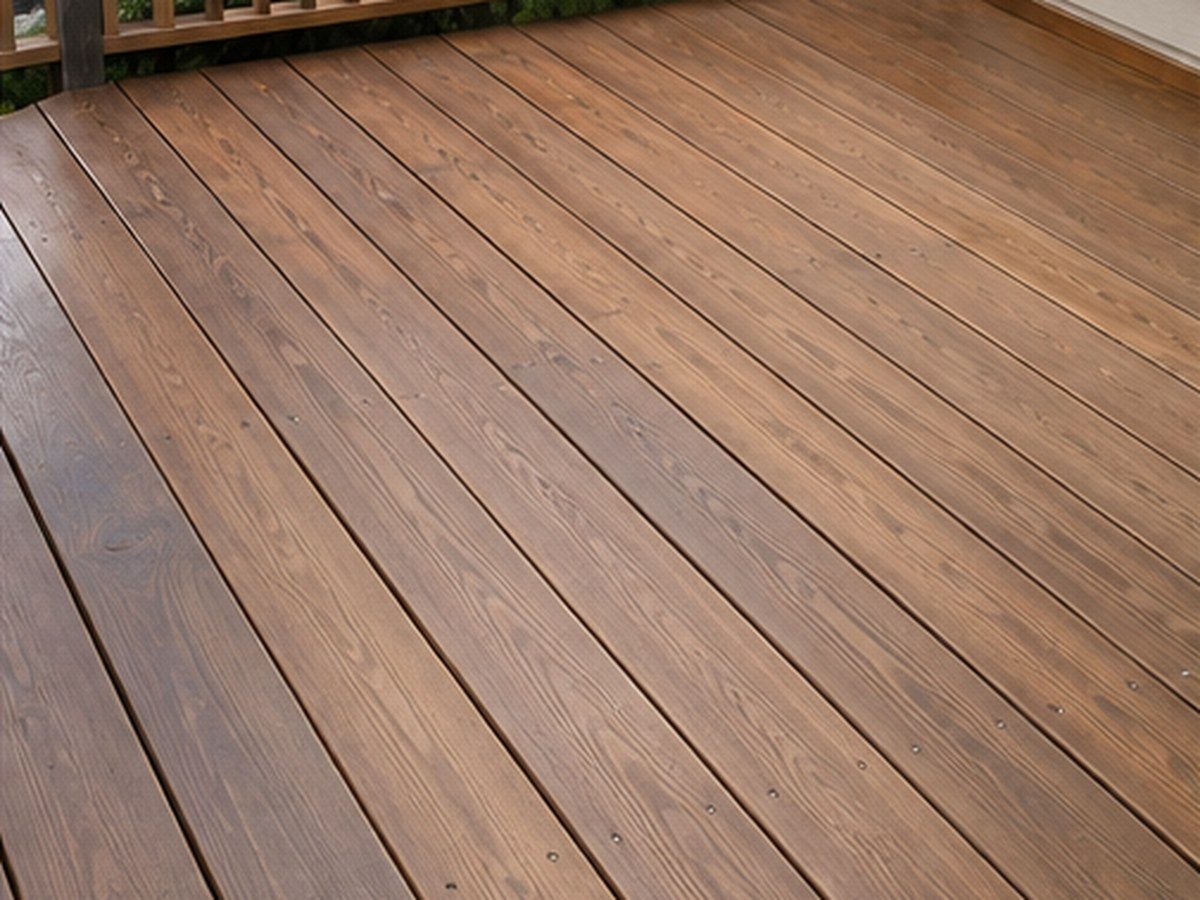
Rotted deck boards cut out and replaced
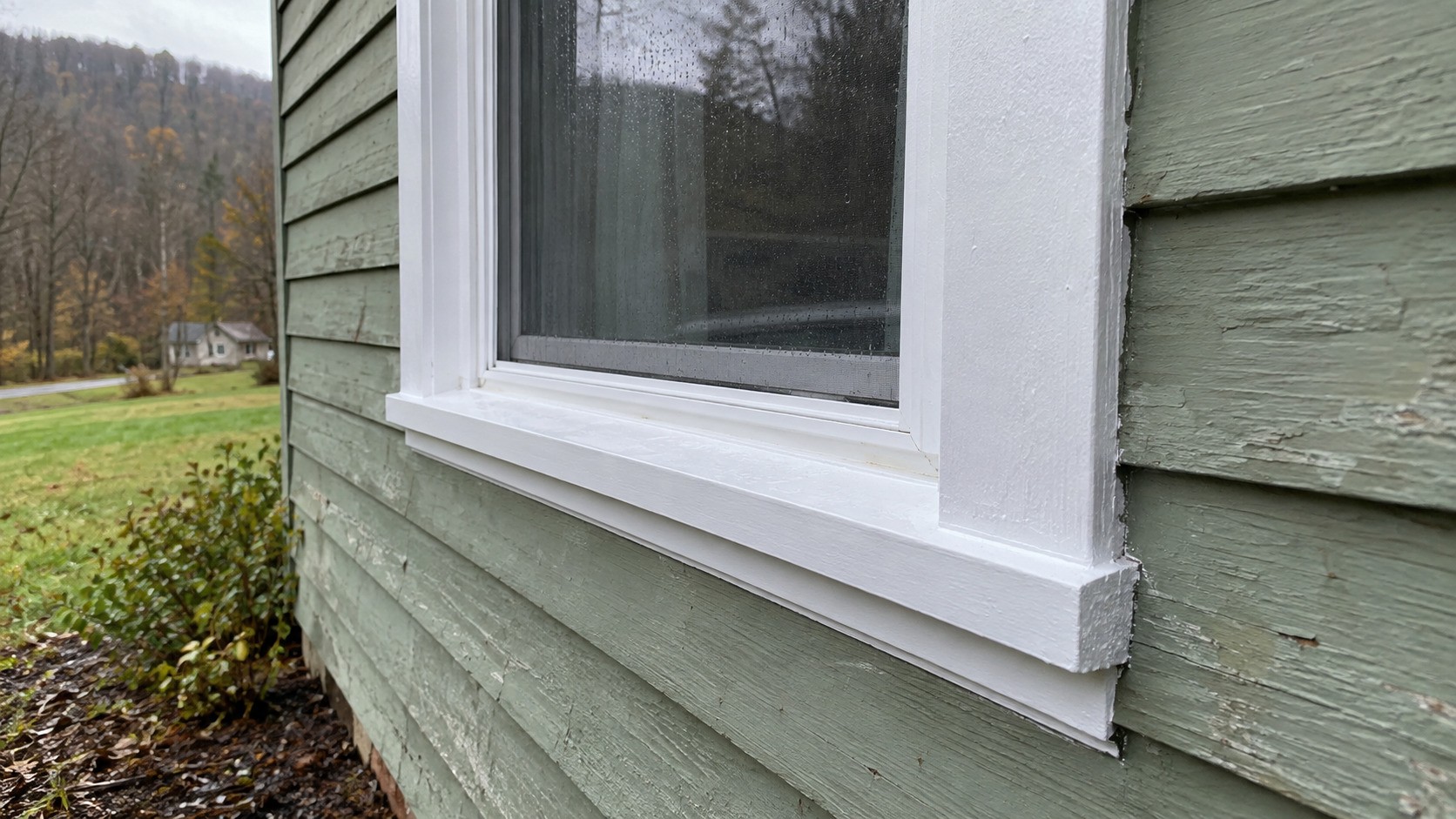
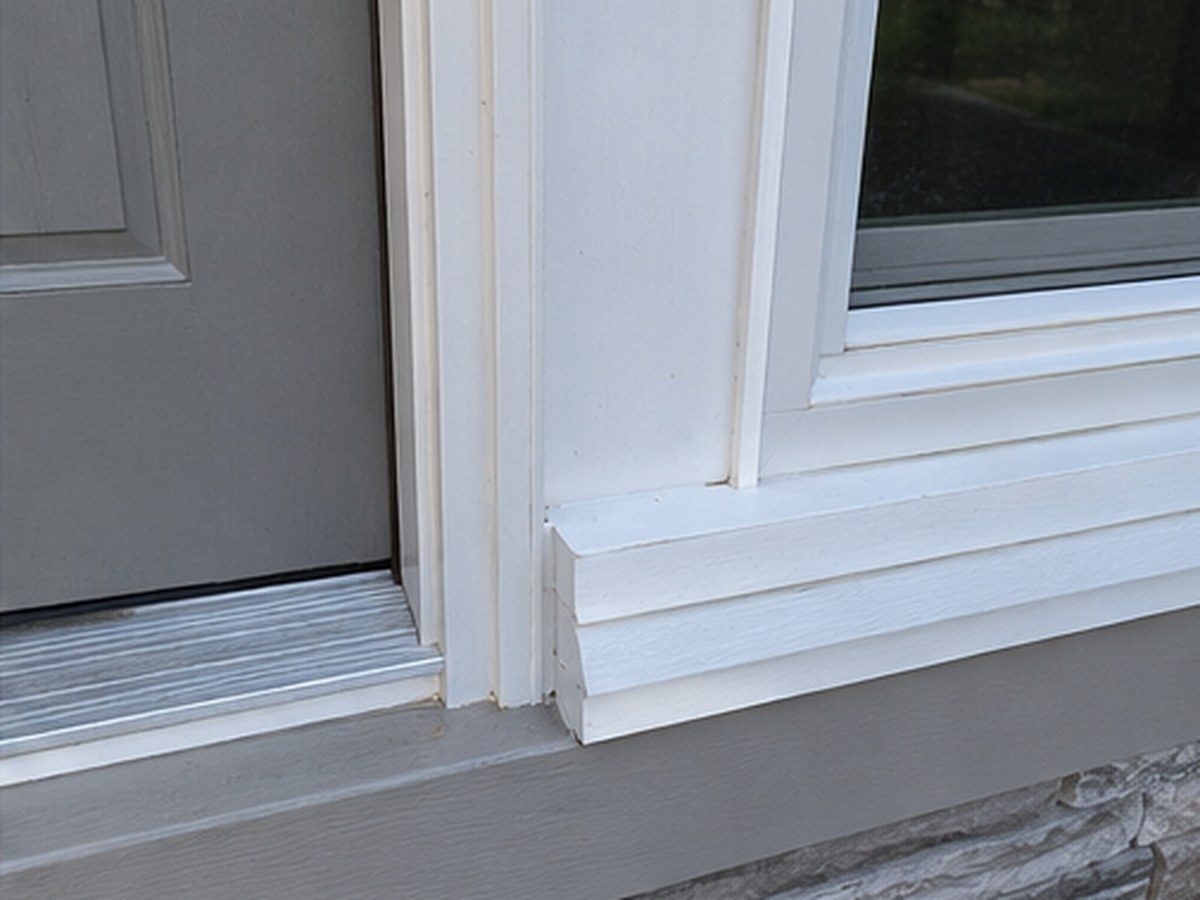
Window sill repair and door frame bottoms
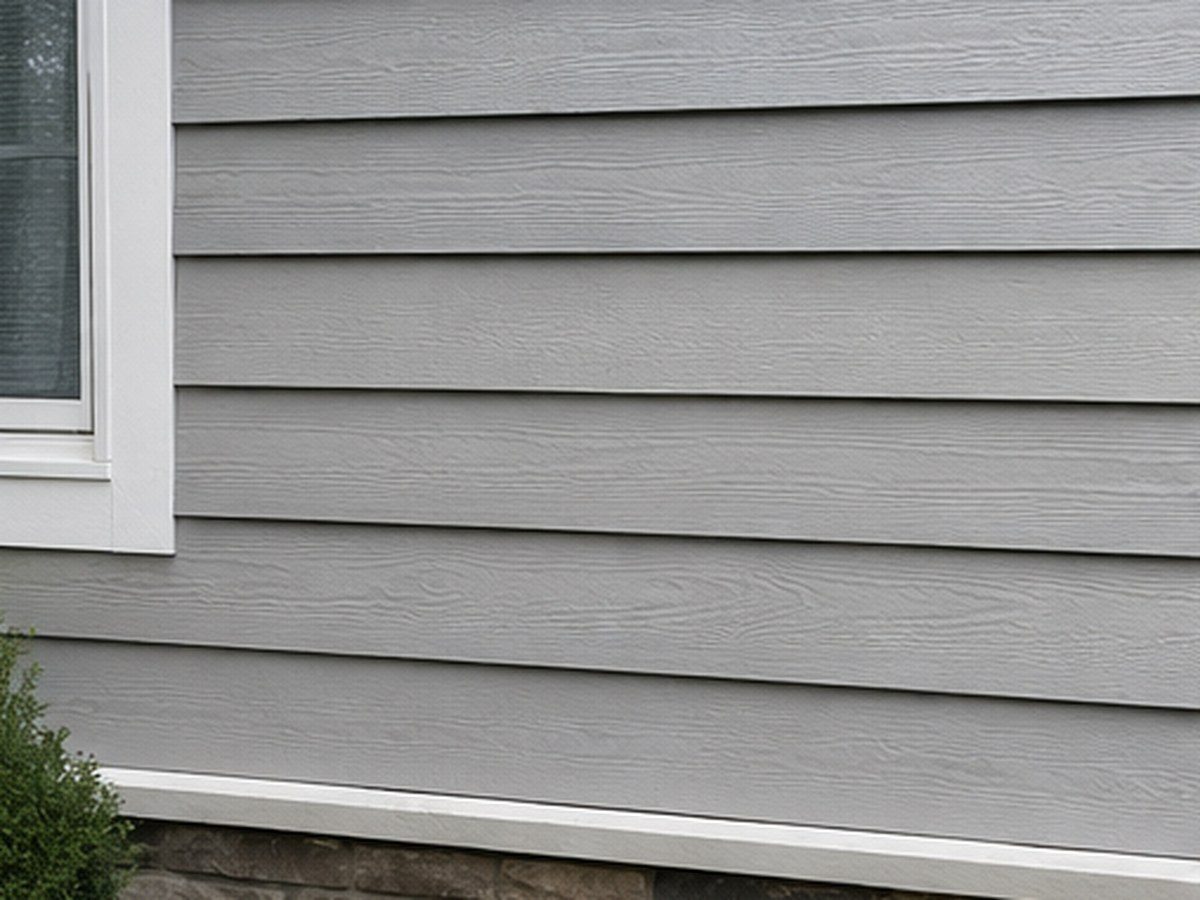
Siding repair, from one board to a whole run
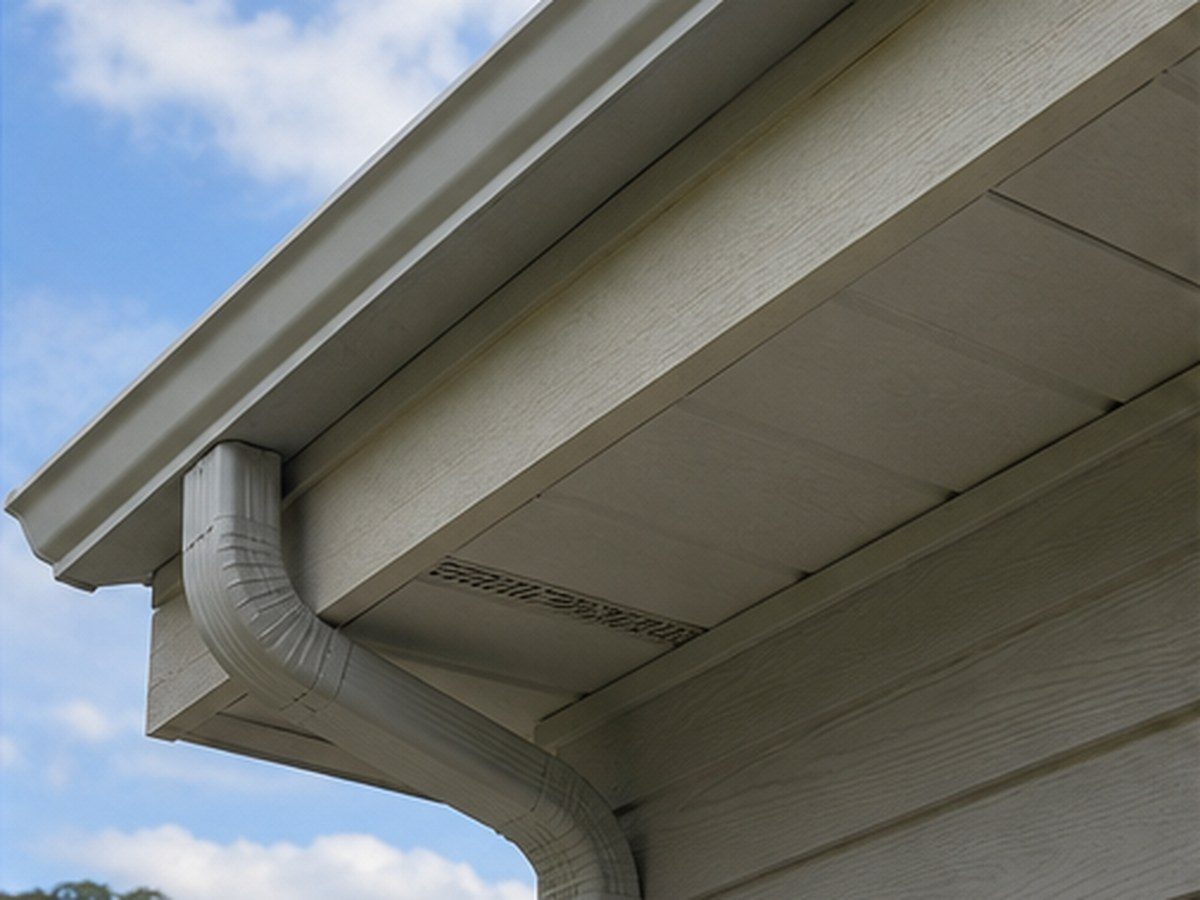
Soffit repair under the gutter line
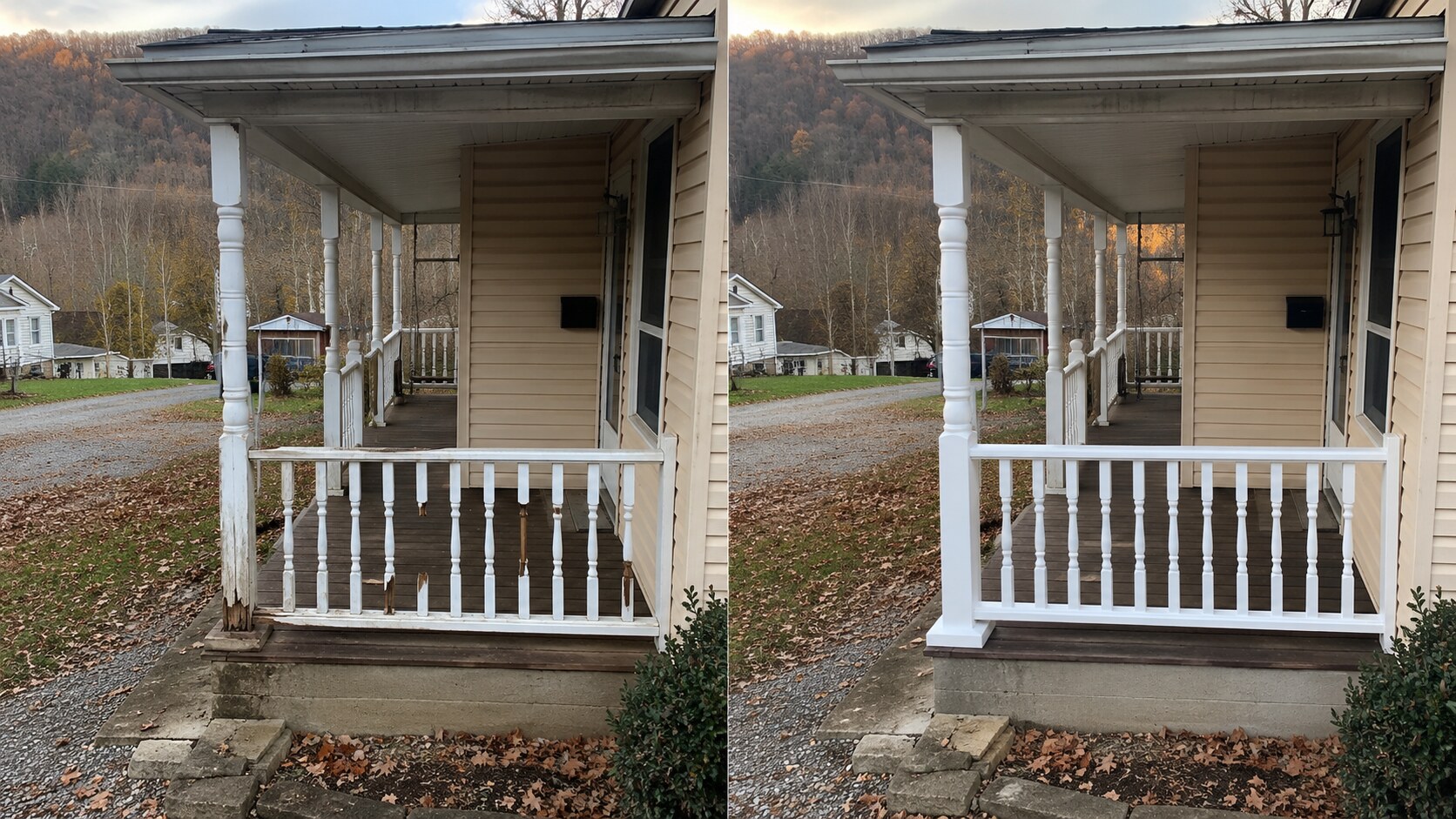
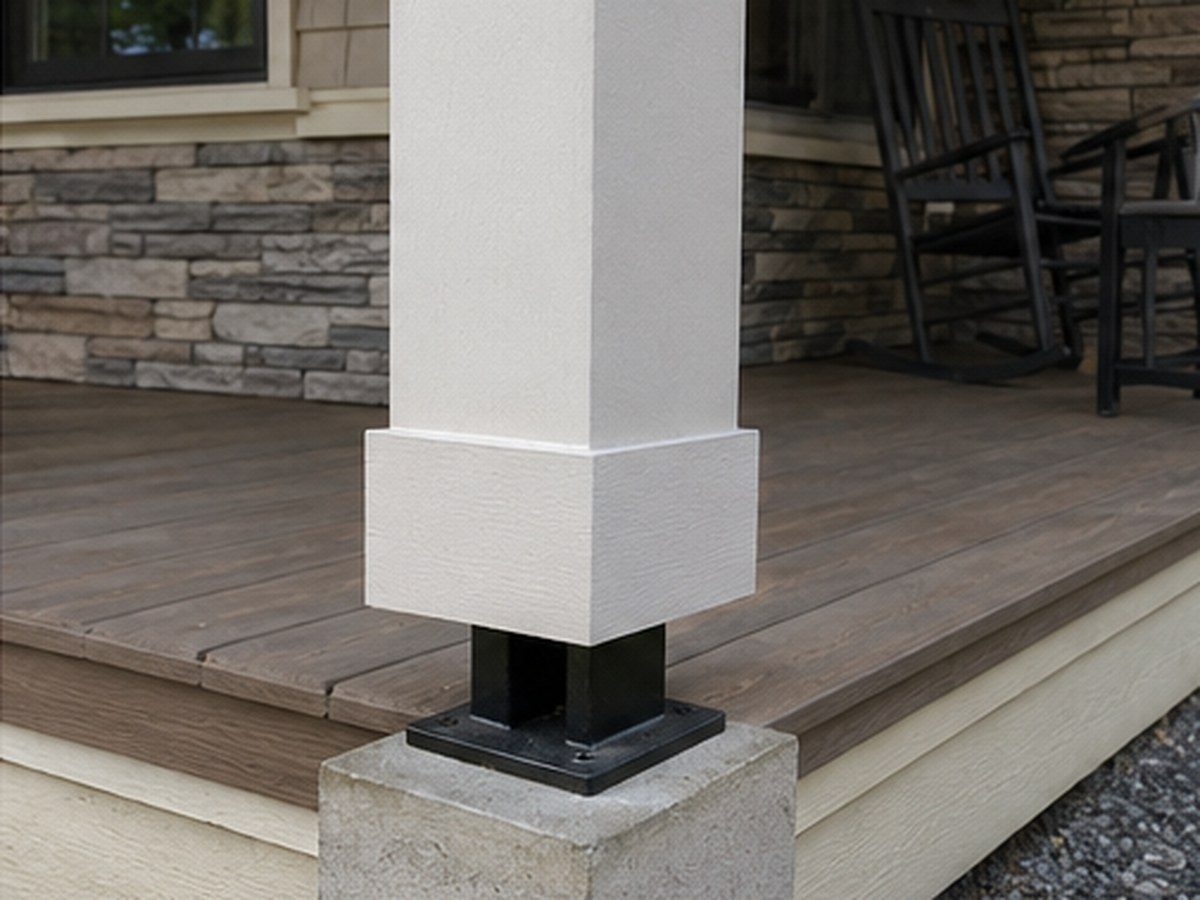
Column bases rebuilt where rot started at the bottom
Why Choose Mackwood Construction?
What you get when Mackwood does your wood rot repair — and what we won't do.
Free written quote, itemised before anything starts
We get underneath and look properly before quoting — not from the kerb
We'll tell you straight if a repair isn't worth doing
Based in Williamson — Mingo and Logan counties, about an hour out
Straight answers on permits, which differ either side of the county line
Built for this climate: drainage, flashing and ground contact done right
From first call to finished work — no surprises in between.
Step 1
Tell us about the project
Call, text, or send a message with what you're looking to build or repair. No form to fill in and no call centre — it comes straight to us, and you'll get a real answer about whether it's something we do.
Step 2
Send photos or schedule a look
A few photos are often enough to tell us what we're dealing with. Where it isn't — anything structural, anything hidden underneath — we'll come out and look properly before quoting rather than guessing from the kerb.
Step 3
Get a clear quote
You get a written quote that itemises the work, so you can see what you're paying for and what you aren't. If we think part of it isn't worth doing, we'll say so. No pressure and no surprises at the end.
Step 4
We build it right
We turn up when we said we would, work clean, and haul the offcuts away with us. The job gets built to last in this climate — and we'll walk it with you before we call it finished.
Not sure what yours needs?
We'll come and look, then tell you straight — including if it isn't worth doing.
Wood Rot Repair in Williamson, WV — common questions
Straight answers to what we get asked most.
How much does wood rot repair cost?
It depends almost entirely on how far the rot has travelled, which isn't visible until we cut into it. A single trim board is a small job. A run of fascia with rot in the rafter tails behind it is not. We probe before quoting so the number accounts for what's likely underneath.
Can rotted wood be filled instead of replaced?
Sometimes, and on the right job it's the correct answer, like a small area on an original sill or a piece that can't be matched. Filler bridges a gap but doesn't restore strength, so anything carrying load gets replaced rather than filled.
Why did my wood rot come back after a previous repair?
Almost always one of two reasons: the repair didn't cut back far enough into sound wood, or nobody fixed what was making it wet. Rot spreads ahead of the visible damage, and a new board in a wet spot rots too.
How do I know if wood is rotted or just weathered?
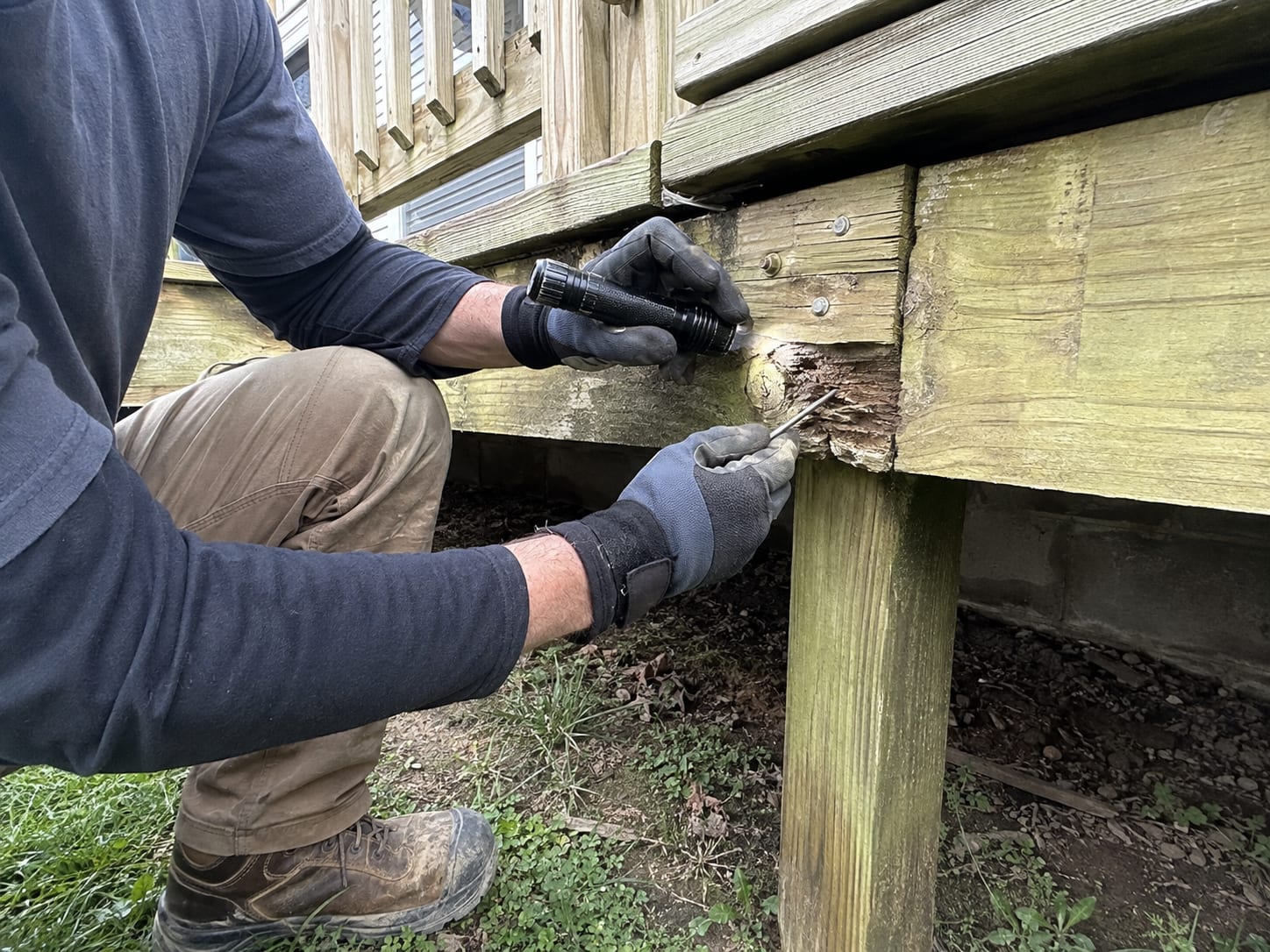
Press it with a screwdriver. Weathered wood is grey and rough but stays firm. Rotted wood gives, crumbles, or lets the tip sink in. Softness is the test, not colour.
Is fascia or soffit rot a roofing job?
Usually not. Fascia and soffit are trim, and replacing them is carpentry. If the rot has gone on into the rafter tails, that changes the job, and we'll show you what we found before quoting it.
Do you take very small repair jobs?
Yes, and they're a good share of what we do. Getting someone out for a half-day job around here is hard, so people put it off until it's a big job. We'd rather do it early.
Can you match the old trim or siding profile?
Usually. Older profiles aren't stocked but can often be matched with modern stock, built up from several pieces, or milled from a sample. Save a spare length if you have one.
Will you find the source of the water?
We'll look, and in most cases it's obvious once you know where to check: a gutter, flashing, ground level, or splash-back. Fixing the source is usually cheap, and it's the difference between a repair that holds and one that doesn't.
Is wood rot repair covered by homeowners insurance?
Gradual rot generally isn't, because insurers treat it as maintenance. Sudden damage from a storm or a burst pipe often is. We can photograph what we find if you're making a claim, but the coverage question is between you and your insurer.
How long does a typical repair take?
Many are a half day to a day. Larger areas, or anywhere we have to remove siding or trim to reach the damage, run longer. We give a window with the written quote.
What wood rot repair in Williamson actually involves
Most people are buying a result, not a list of tasks. Pick a topic to see how wood rot repair actually gets done and what moves the number.
More on wood rot repair work
Mackwood Construction takes on the wood rot repair WV homeowners struggle to get anyone out for: rotted trim, fascia, soffit, sills and siding on the outside of the house, and the door and window frames where the water usually gets in. Most of it falls into a handful of jobs.
What's involved
Exterior casing and corner boards
Interior trim and wood damaged by a leak
Rot runs further than it looks
By the time a board feels soft or a screwdriver sinks into trim, the damage has usually travelled well past the visible patch. Wood rot is caused by fungus, and fungus spreads through the wood ahead of the part that looks bad.
So a proper rotted wood repair cuts back to sound material, sometimes a good way past the obvious damage. Cutting back only to what looks rotten and filling the rest is what produces a repair that fails again in two seasons.
We probe the surrounding wood before quoting, so the number we give you accounts for what we're likely to find rather than just what's showing.
How we repair rotted wood: cut back and replace
The method is the same whether it's one fascia board or twelve feet of siding. None of it is complicated. What makes it hold is doing every step, in order, instead of skipping straight to the new board.
Probe the area
An awl or screwdriver along the board and the wood around it shows where soft turns to sound. That sets where the cuts go and what the quote covers, so the number holds once the old boards come off.
Cut back to sound wood
The rotted section comes out along with a margin of sound material. If the rot has reached the framing behind it, we stop and tell you before going any further.
Find the water
Before anything new goes in, we work out why the old wood got wet. A new board in the same wet spot rots on the same schedule.
Replace, prime, and seal
New stock is cut to fit, primed on every face including the ends, fastened, and caulked where the joint should be sealed. That last step is what keeps a rotted wood replacement from turning into the next repair.
Fixing the cause, not just the wood
Wood doesn't rot on its own. It rots because it's wet, again and again, for long enough. Replacing the board without dealing with the water means doing the job twice.
Around here the water usually comes from a short list of places, and most are cheap to correct once found.
What's involved
A gutter overflowing or a downspout discharging against the house
Failed flashing above a door, window, or deck ledger
Ground built up against wood siding or a sill
Splash-back where a hard surface meets the wall
A slow plumbing leak inside the wall
Shade and poor airflow keeping a surface damp for days after rain
Fascia, soffit, and the roof edge
Fascia board repair is one of the most common rot jobs there is, and it nearly always starts with a gutter. When a gutter overflows or pulls away, water runs down the back of it and soaks the board it hangs on. The paint on the face can look fine while the fascia behind the gutter has gone soft.
Soffit repair usually follows. Water that gets past the fascia wets the soffit boards and then the rafter tails behind them. Left long enough, a trim job becomes a roof edge job, and that costs more and takes longer.
The gutter has to come off to reach the rot, and it goes back on solid wood. If the gutter itself is what failed, we'll tell you, because hanging a bad gutter on new fascia just starts the clock again.
Window sills, door frames, and siding
Window sill repair comes up most on the weather side of a house. A sill is shaped to shed water, but once the paint fails and the end grain opens, it holds water instead. The rot starts at the front edge or the ends and works back under the window.
A sill with a small soft patch can often be saved. One that's soft through, or has let water into the wall below, gets replaced. Door frames go the same way. The bottom of the frame sits at the threshold where water runs off the door, and that's where the legs rot first.
Siding repair on wood siding means replacing the damaged boards, not the whole wall. The lowest courses go first, from splash-back and from ground built up against the house. The new boards have to match the exposure of the old ones or the repair shows from the road.
Repair, or replace
Not everything is worth repairing, and we'd rather say so than take the job. The honest test is how much of the piece is still sound.
A rotted section at the end of an otherwise good board is a straightforward splice. A board that's soft along most of its length is a replacement. And where several boards in a row have all gone, replacing the run costs less than piecing each one and looks a lot better afterwards.
Anything structural, like floor joists, sill plates and beams carrying load, is framing work rather than wood rot repair, because the standard for a structural fix is different. That's covered on our floor joist repair page, and porch floors and posts have their own page under porch repair.
Filler has a place, and it's a small one
Epoxy consolidants and two-part wood fillers are legitimate materials, and on the right job they're the correct answer: a small area of decay in a piece that would be hard or expensive to replace, like an original window sill or a decorative piece that can't be matched.
What they are not is a substitute for replacing wood that has failed. Filler bridges a gap. It doesn't restore strength. When we use it, we'll tell you it's filler and why.
Where rot shows up first around here
The pattern is consistent across the older houses in this valley, and knowing where to look means catching it early. Fascia and soffit behind gutters that haven't been cleared go first. Then window sills, particularly on the weather side. Then the bottom of exterior door frames and the lowest courses of siding. Porch floors and steps go early too, and those are porch repair.
Anything in shade goes faster. A lot of houses here sit in hollows where one side barely sees sun, and that side will always need attention first.
Catching it early is the whole game. A soft fascia board is a cheap fix. Left alone, water follows it into the rafter tails. A soft window sill is cheap too. Left alone, the water gets into the wall below it. Twice a year, walk the outside of the house and press a screwdriver into door thresholds, the bottom of window frames, fascia below the gutters, and the lowest course of siding. It takes fifteen minutes.
What drives the cost
Wood rot repair is priced by what has to come out and what's behind it, which is why an accurate number needs a look rather than a phone call.
What's involved
How far the rot has actually travelled
Whether anything structural is involved
Access: ground level, ladder height, or up at the roof edge
Whether the material needs matching to existing profiles
How much has to be removed to reach the damage
Whether the water source needs correcting too
Painting and sealing, if you want it finished rather than prepped
Matching and finishing the repair
A repair that's sound but obvious is only half a job. Getting it to disappear is the other half, and on older houses that takes some thought.
Trim and siding profiles from the 1920s and 30s aren't stocked anywhere. Where a run has to be spliced, the new piece can usually be milled to match or built up from modern stock. On siding, matching the exposure matters more than matching the board, because the eye reads the shadow lines rather than the wood.
Everything we replace on the outside gets primed on all six faces before it goes up, including the end grain and the back. End grain takes up water far faster than the face, and an unprimed cut end is where the next round of rot starts.
Where we work
Most of the wood rot repair West Virginia houses need is on the outside, and most of it is small. We cover the area within about an hour of our Williamson base: Mingo and Logan counties, including Matewan, Delbarton, Chattaroy, Lenore, Kermit, Logan, Holden, Chapmanville, Man, and the places between. West Virginia only.
A lot of people here have given up trying to get someone out for a half-day repair. Crews would rather book a full deck than replace three boards, so the small work sits until it's a big job. We take the small jobs. One board is a job.
Some damage can't wait for a scheduled visit. A collapsed step or an opening left by a storm needs making safe first, and we keep room in the schedule for that. Urgent and same-day work each have their own page.
Get a free quote for wood rot repair
Tell us what you're building or repairing and get a clear, no-pressure quote. Free quotes, honest answers, and craftsmanship built to last.