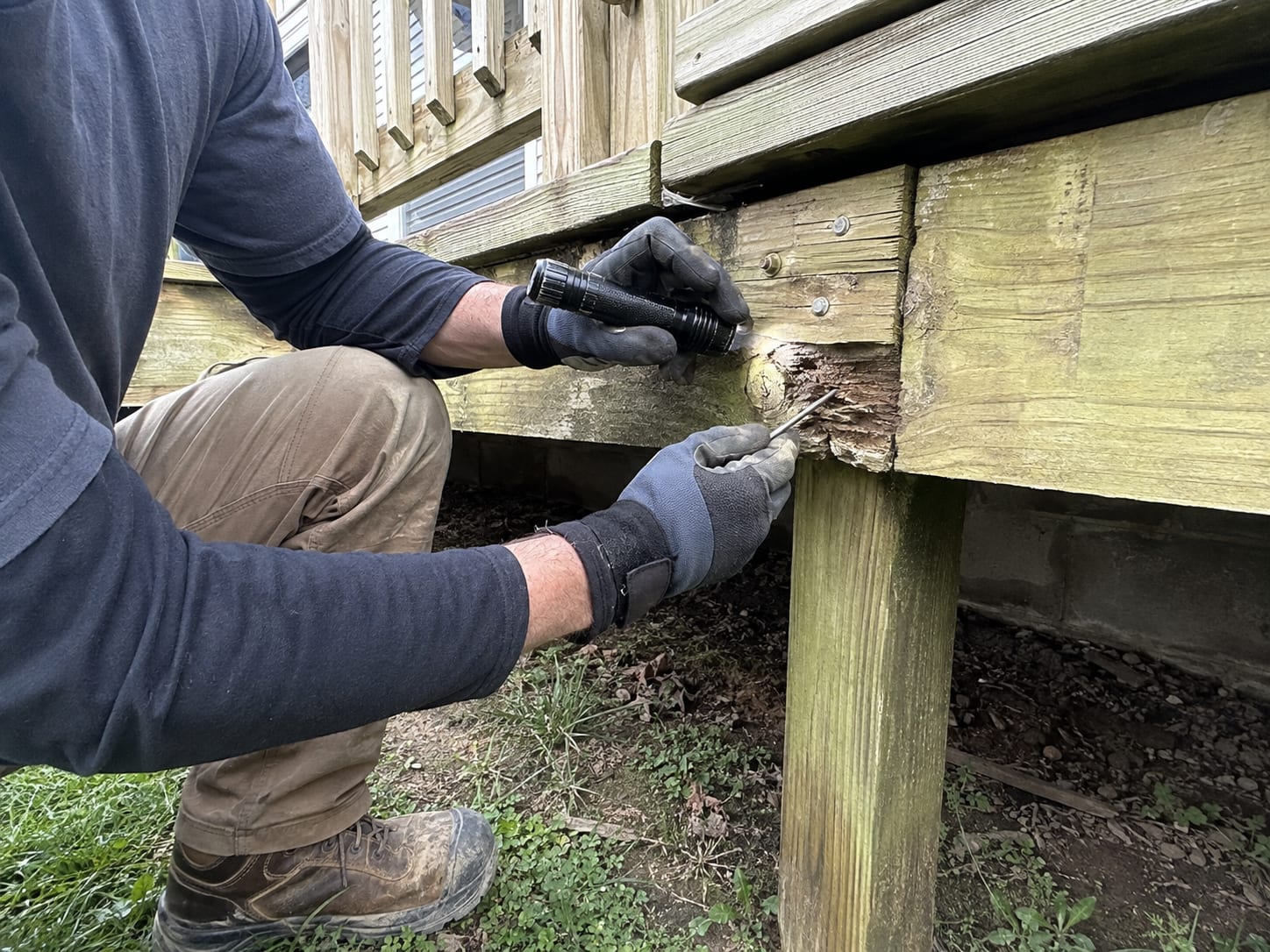
Had them out after the back steps started going soft underfoot. He came and looked properly before quoting anything, and told me the structure underneath was still sound — so it ended up a smaller job than I had braced myself for. Turned up when he said he would, cleaned up after himself, and the price at the end was the price we agreed. Not much more you can ask for.
Owner replied
S
Skyler White
9 months ago
Called on a Tuesday and had someone out the same week. What I appreciated most was being told straight what needed doing now and what could safely wait until spring. No pressure and no trying to talk me into the bigger version of the job. It has held up fine through the winter since.
T
Trevor Alford
2 months ago
The quote came through itemised and the final bill matched it, which has honestly not been my experience with everyone around here. They worked around an awkward driveway without once making it my problem, and left the place tidier than they found it. Would have them back.
K
Kaleb Withrow
3 weeks ago
Fair price, showed up on time, tidy work. No complaints.
See something like yours?
Send a few photos and we'll tell you what it'll take — free written quote, no pressure.
Finish carpentry is everything that goes on after the walls are closed up — the visible woodwork that turns a built room into a finished one. Rough carpentry is measured in fractions of an inch and hidden. Finish carpentry is measured in fractions of a fraction and looked at every day.
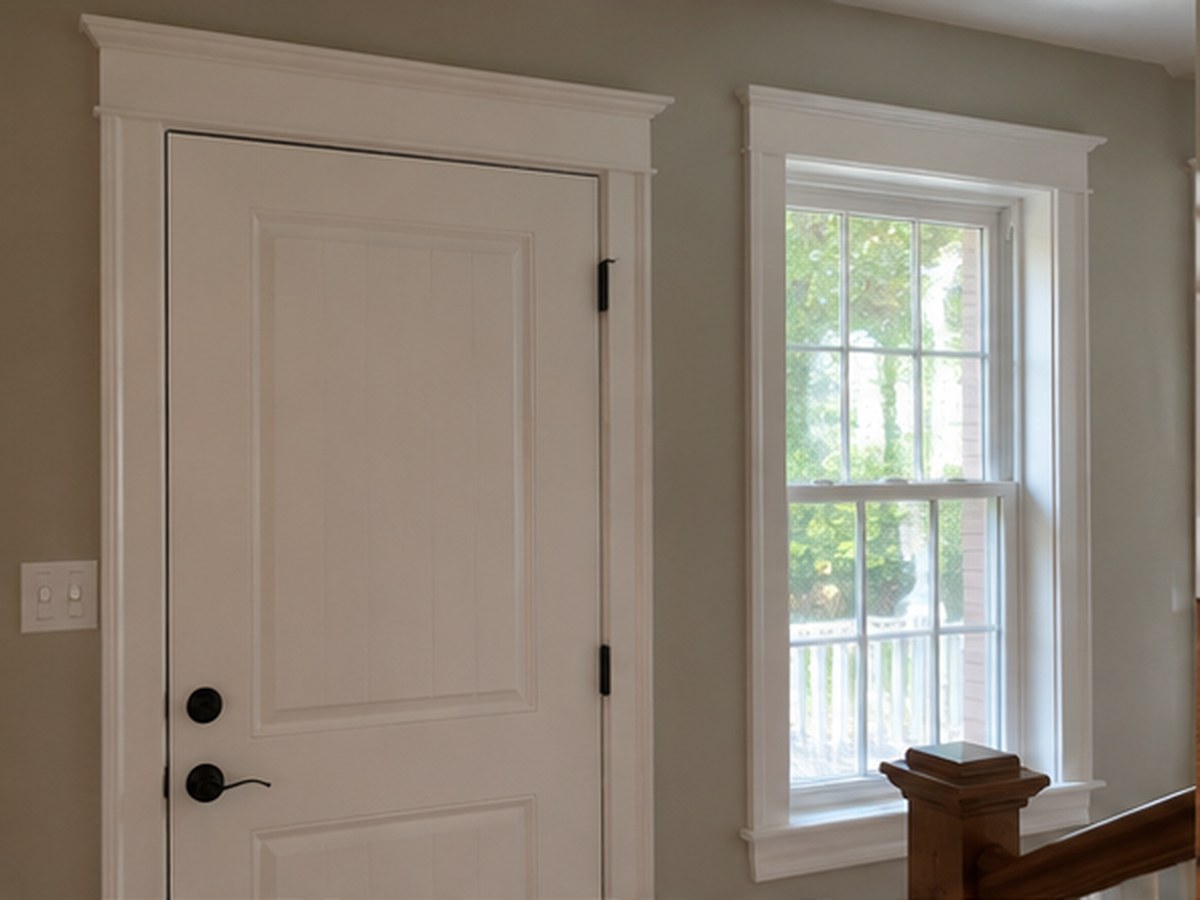
Door and window casing
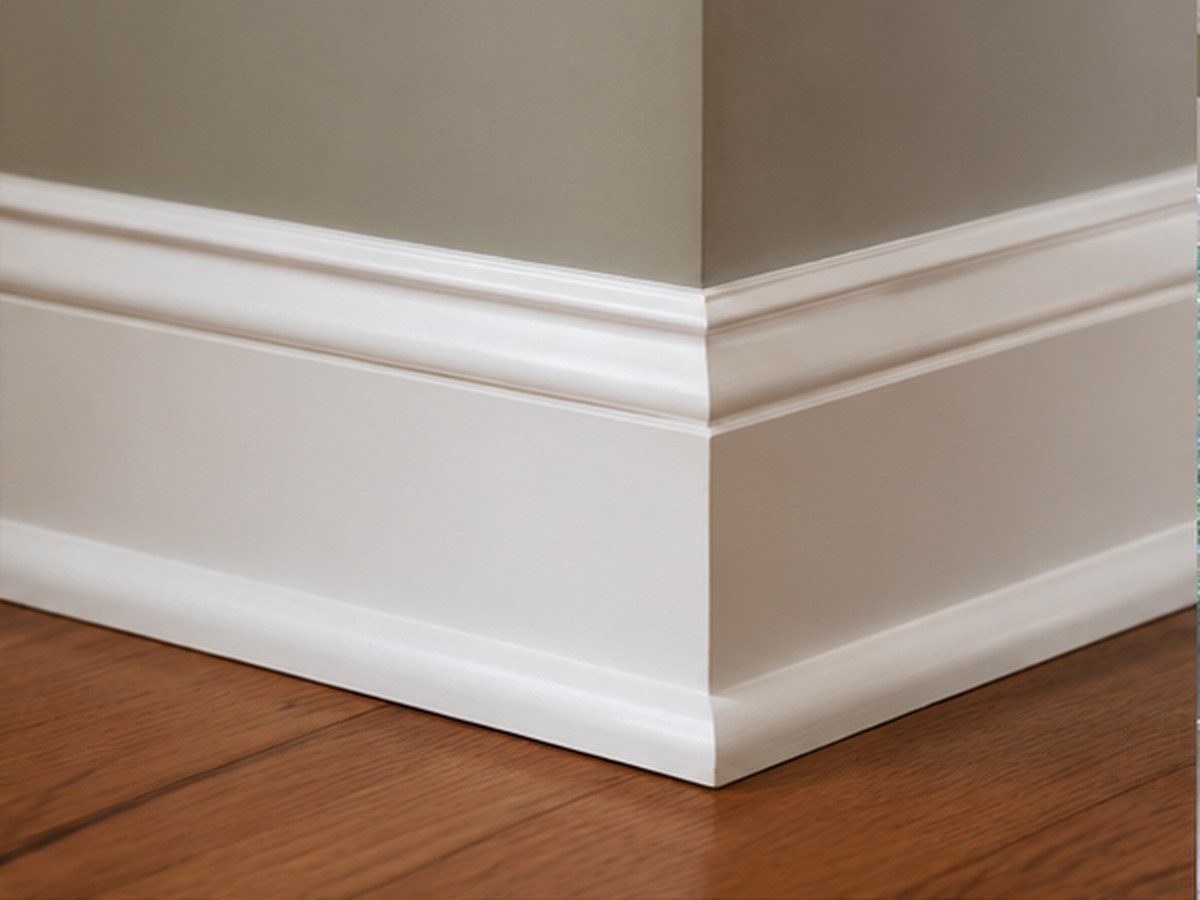
Baseboard, shoe, and quarter round
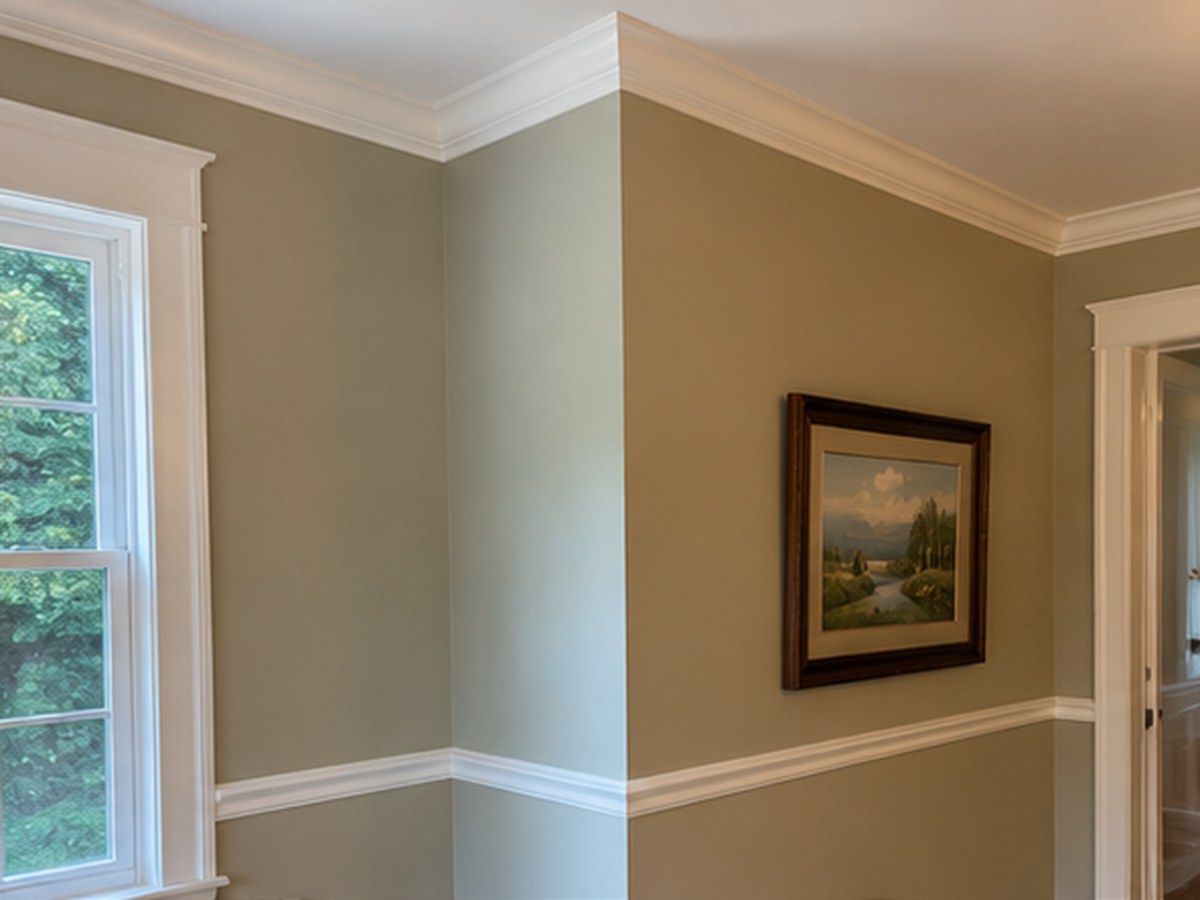
Crown molding, cove, and chair rail
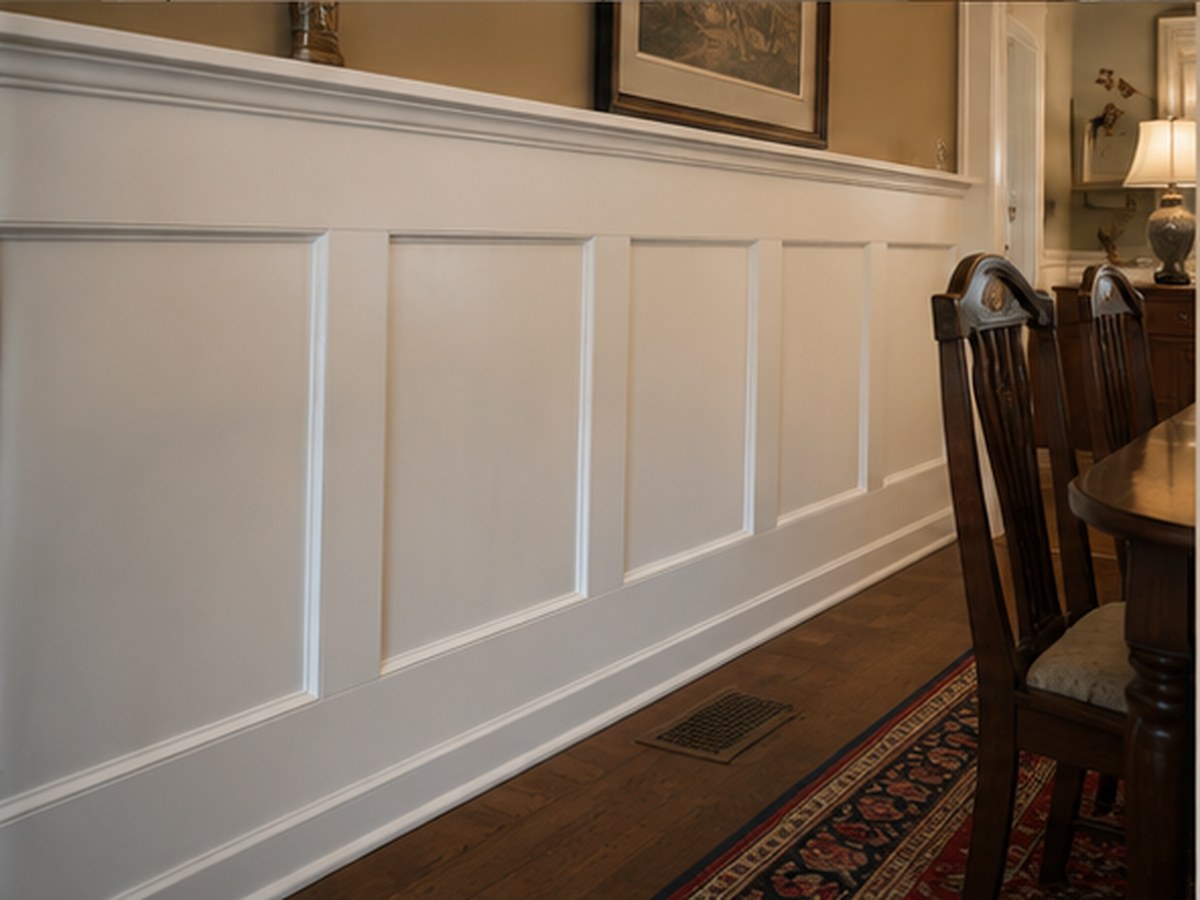
Wainscoting and wall panelling
Hanging doors and fitting hardware
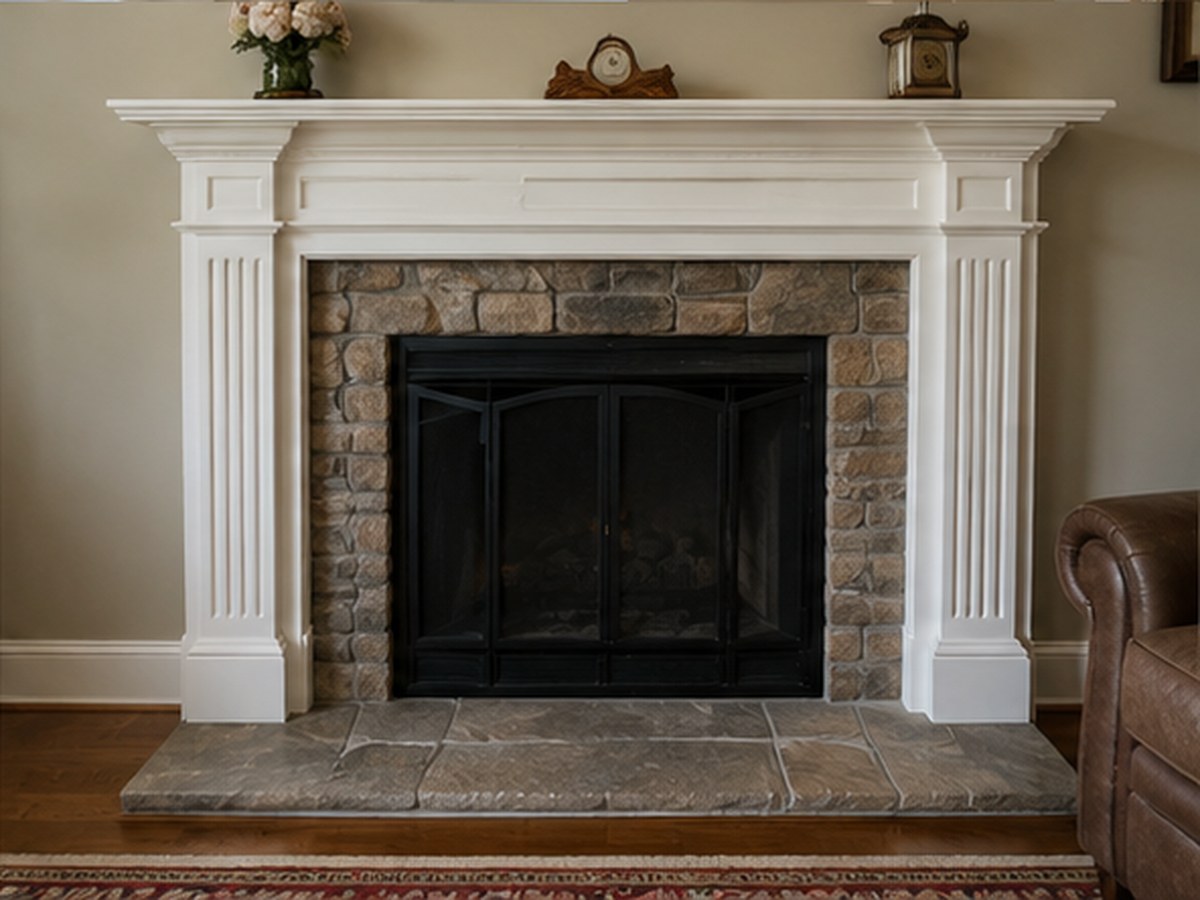
Mantels, columns, and built-up mouldings
Why Choose Mackwood Construction?
What you get when Mackwood does your finish carpentry — and what we won't do.
Free written quote, itemised before anything starts
We get underneath and look properly before quoting — not from the kerb
We'll tell you straight if a repair isn't worth doing
Based in Williamson — Mingo and Logan counties, about an hour out
Straight answers on permits, which differ either side of the county line
Built for this climate: drainage, flashing and ground contact done right
From first call to finished work — no surprises in between.
Step 1
Tell us about the project
Call, text, or send a message with what you're looking to build or repair. No form to fill in and no call centre — it comes straight to us, and you'll get a real answer about whether it's something we do.
Step 2
Send photos or schedule a look
A few photos are often enough to tell us what we're dealing with. Where it isn't — anything structural, anything hidden underneath — we'll come out and look properly before quoting rather than guessing from the kerb.
Step 3
Get a clear quote
You get a written quote that itemises the work, so you can see what you're paying for and what you aren't. If we think part of it isn't worth doing, we'll say so. No pressure and no surprises at the end.
Step 4
We build it right
We turn up when we said we would, work clean, and haul the offcuts away with us. The job gets built to last in this climate — and we'll walk it with you before we call it finished.
Not sure what yours needs?
We'll come and look, then tell you straight — including if it isn't worth doing.
Finish Carpentry in Williamson, WV — common questions
Straight answers to what we get asked most.
What's the difference between finish carpentry and rough carpentry?
Rough carpentry is the structure — framing, joists, headers — and it's hidden once the walls close. Finish carpentry is the visible woodwork that goes on afterwards. Rough work is measured in fractions of an inch; finish work is measured much finer because you can see it.
How much does finish carpentry cost in West Virginia?
It's priced by linear foot and by how much fitting each foot needs. A square room with straight runs moves quickly. An older house with settled walls and eight corners takes considerably longer per foot. We measure and quote in writing.
Why do my trim corners have gaps?
Usually mitred inside corners that opened as the house settled and the wood shrank. Filling them lasts a season. Coping the joint instead is the permanent fix, which is why we cope inside corners on new work.
Can you match trim that isn't sold anymore?
Usually. Old profiles can be approximated with modern stock, built up from several pieces, or milled from a sample. Save a spare length if you have one — it makes matching much easier and cheaper.
Do you paint the trim as well?
We can, quoted separately. Either way we leave it filled, sanded, and caulked so it's ready. Plenty of people prefer to paint themselves and that's completely fine.
My door won't stay closed. Is that the door or the frame?
Nearly always the opening. A door that drifts open or won't latch has been hung into a frame that isn't plumb. The fix is shimming the jamb and resetting the strike, not replacing the door.
How long does finish carpentry take for one room?
Typically one to two days depending on how much trim it has and how square it is. Removing old trim first adds time, and so does matching an original profile.
Will you finish a job another contractor left?
Yes, and it's common. We just need to see it before quoting, because coming in partway means inheriting whatever was done first. Sometimes that's a simple continuation and sometimes the first task is undoing something.
Should trim go on before or after flooring?
Baseboard usually goes on after, so it sits on the finished floor and covers the expansion gap. Casing typically goes first. Tell us the flooring plan and we'll sequence around it.
Do you handle the finish carpentry West Virginia new builds need?
Yes, though most of our work is in existing homes. New construction is in some ways easier because the openings are square, and it's usually quoted as a whole-house package rather than by the room.
Can you reproduce old trim detail that's been stripped out?
Usually, by building it up from several stock pieces rather than hunting a single matching profile. A tall period baseboard is often a flat board with a cap and a shoe — three modern pieces reading as one. It costs less than custom milling and matches the scale of what's left elsewhere.
Should every joint be caulked?
No, and over-caulking causes problems. Caulk belongs where two pieces meet a wall and won't move much. A joint that needs to breathe seasonally will split the caulk and look worse than the gap did. Knowing which is which is part of the work.
What finish carpentry in Williamson actually involves
Most people are buying a result, not a list of tasks. Pick a topic to see how finish carpentry actually gets done and what moves the number.
More on finish carpentry work
Mackwood Construction handles the finish carpentry WV homes need, whether that's a whole house after a renovation or one room that never got finished properly. It is the finish carpentry West Virginia houses of this age reward — cut to the room that is there, not the one on a plan.
What separates good from adequate
Anyone can cut a 45-degree mitre. The craft is in everything around that.
Reveals need to be consistent — the small setback where casing meets a door jamb should be identical on every opening in the house, because the eye picks up variation even when it can't name it. Joints need to be tight without relying on caulk to hide a gap. Nails need to be set and filled, not just punched. And where two pieces meet on a long run, the joint should be a scarf cut at an angle, not a butt joint that opens into a dark line the first winter.
None of it is difficult in isolation. All of it takes time, and time is what gets cut when a job is priced to be cheapest.
Coping, scribing, and out-of-square rooms
In an older house here, the room is not square and the floor is not level. A finish carpenter who ignores that produces gaps; one who works with it produces work that looks straight even where the house isn't.
Hanging doors properly
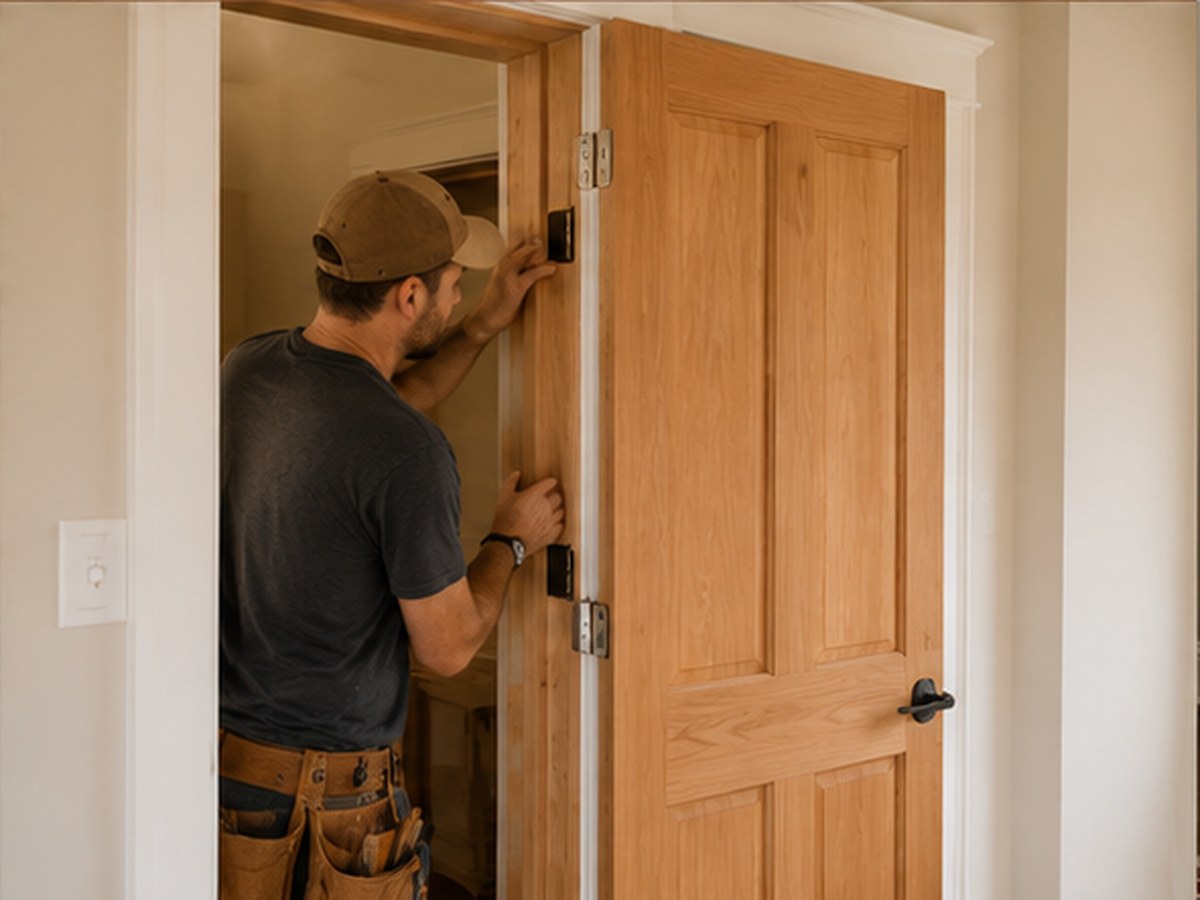
Door hanging is finish carpentry even when the door itself is prehung, because the opening is almost never plumb in a house this age.
A door that swings shut on its own, drifts open, or won't latch has been hung into an uncorrected opening. The fix is shimming the jamb to plumb and square, checking the header hasn't dropped, and setting the strike so the latch catches where the door actually sits — not planing the slab until it stops rubbing.
Done right, a door stays where you leave it and closes with the same sound every time. That's a small thing that people notice for years.
Where finish carpentry fits with our other work
There's overlap between what we call finish carpentry and a few of our other services, and the distinction is mostly about what's being made.
Interior trim is a subset of finish carpentry — baseboard, casing, and crown specifically, and we cover that in more depth on the interior trim page. Custom carpentry is building a piece; finish carpentry is the detail work that ties it into the room. On most jobs we're doing both, and it's quoted as one piece of work rather than split.
Prepping for paint
Whether we're painting or not, we leave finish carpentry ready for it: nails set below the surface and filled, joints caulked where they should be, and everything sanded.
One thing worth knowing is that not every joint should be caulked. Caulk belongs where two pieces meet a wall or each other and won't move much. It does not belong in a joint that needs to breathe seasonally, because it splits and looks worse than the gap it was hiding. Knowing which is which is part of the job.
If you're painting yourself, tell us at the quote — it's normal, it saves you money, and it doesn't change how we leave the work. We prep the same either way.
What drives the cost
Finish work is priced by the foot and by the fitting, and it's the fitting that varies.
What's involved
Linear feet of trim and number of openings
How out of square the rooms are
Profile size — tall baseboard and large crown take longer
Paint-grade against stain-grade
Whether existing trim comes off first, and what that damages
Whether we're painting or leaving it prepped
Matching an original profile that's no longer stocked
Built-up mouldings and period detail
One of the more useful things finish carpentry can do in an older house is reproduce detail that isn't manufactured anymore, by building it up from several modern pieces rather than trying to find a single matching profile.
A tall Victorian-style baseboard, for instance, is often a plain flat board with a small cap moulding on top and a shoe at the floor — three stock pieces that together read as one substantial period profile. The same approach works for crown, where a built-up assembly of two or three simple mouldings produces something with far more depth than any single stock crown.
It costs more in labour than running a single profile, and less than custom milling. In a room where the original detail has been stripped out at some point, it's usually the sensible middle path — and it lets us match the scale of what's left elsewhere in the house rather than settling for whatever the lumber yard stocks.
What's involved
Built-up baseboard from a flat stock plus cap and shoe
Layered crown assemblies for depth on a tall wall
Backband added to plain casing for a heavier look
Plinth blocks and rosettes at door openings
Applied moulding boxes on plain walls
Finishing a job someone else started
This comes up more often than you'd expect — a renovation that stalled, a contractor who stopped answering, or a homeowner who got most of the way and hit the part they didn't want to do.
We'll take those on. The only thing we ask is that we quote it after seeing it rather than over the phone, because coming in partway through means inheriting whatever was done before, and that varies enormously. Sometimes it's a straightforward continuation. Sometimes the first job is undoing something.
Before you call
Handy to know, though nothing here is required.
What's involved
Which rooms, and roughly how many openings
A photo of any existing trim you're matching
Paint-grade or stain-grade
Whether the room is finished otherwise or still in progress
Whether you want us to paint or just prep
Where we work
We're a finish carpentry contractor based in Williamson, covering Mingo and Logan counties within about an hour's drive — Delbarton, Matewan, Logan, West Logan, Holden, Chapmanville, Man, and the communities between. West Virginia only.
Looking for a finish carpenter WV homeowners can get for a single room rather than a whole build? That's the work we take. And if you searched finish carpentry near me and turned up directory listings for companies two hours away, we're actually here.
Get a free quote for finish carpentry
Tell us what you're building or repairing and get a clear, no-pressure quote. Free quotes, honest answers, and craftsmanship built to last.