Most finish carpentry in Kermit follows a repair. Something low in the house got fixed, and now a section of the room has to be put back so that it disappears into what was already there.
Had them out after the back steps started going soft underfoot. He came and looked properly before quoting anything, and told me the structure underneath was still sound — so it ended up a smaller job than I had braced myself for. Turned up when he said he would, cleaned up after himself, and the price at the end was the price we agreed. Not much more you can ask for.
Owner replied
S
Skyler White
9 months ago
Called on a Tuesday and had someone out the same week. What I appreciated most was being told straight what needed doing now and what could safely wait until spring. No pressure and no trying to talk me into the bigger version of the job. It has held up fine through the winter since.
T
Trevor Alford
2 months ago
The quote came through itemised and the final bill matched it, which has honestly not been my experience with everyone around here. They worked around an awkward driveway without once making it my problem, and left the place tidier than they found it. Would have them back.
K
Kaleb Withrow
3 weeks ago
Fair price, showed up on time, tidy work. No complaints.
See something like yours?
Send a few photos and we'll tell you what it'll take — free written quote, no pressure.
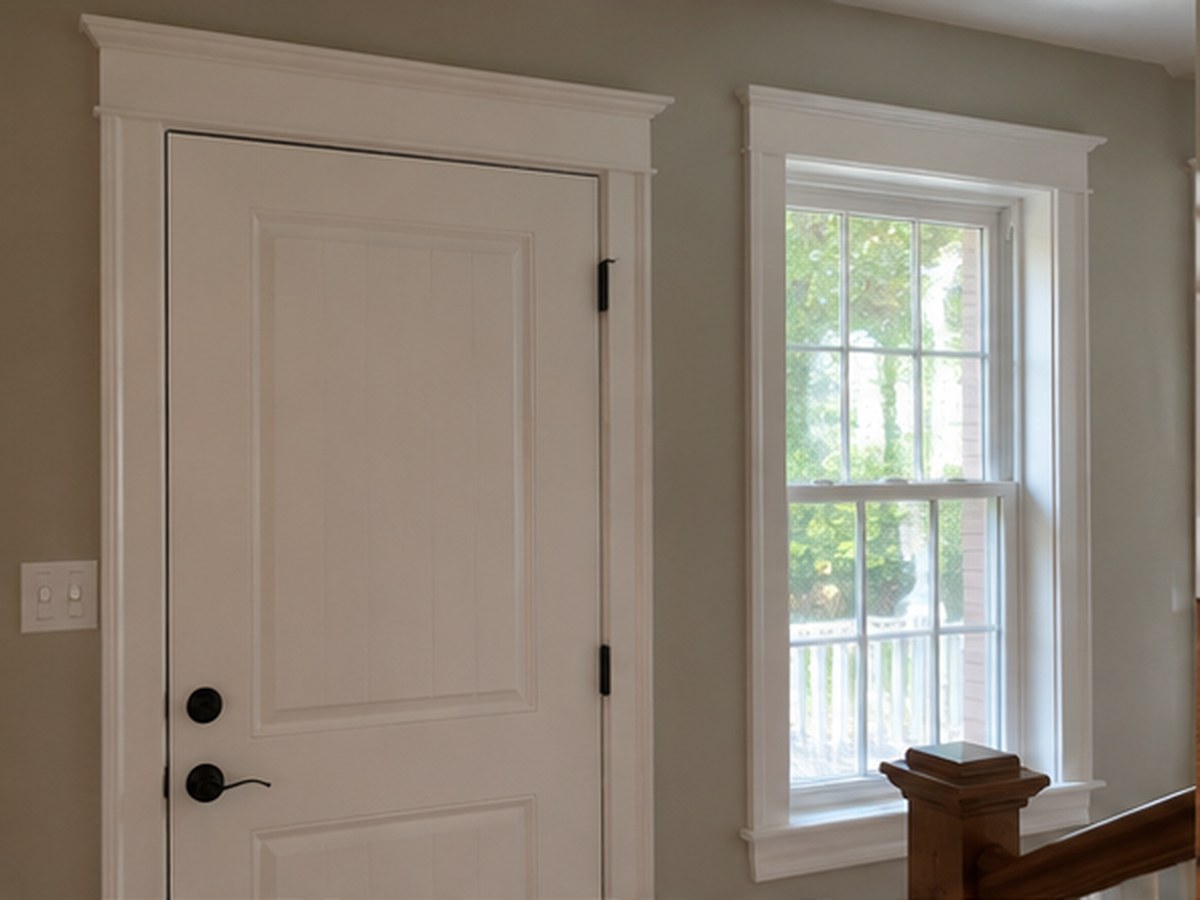
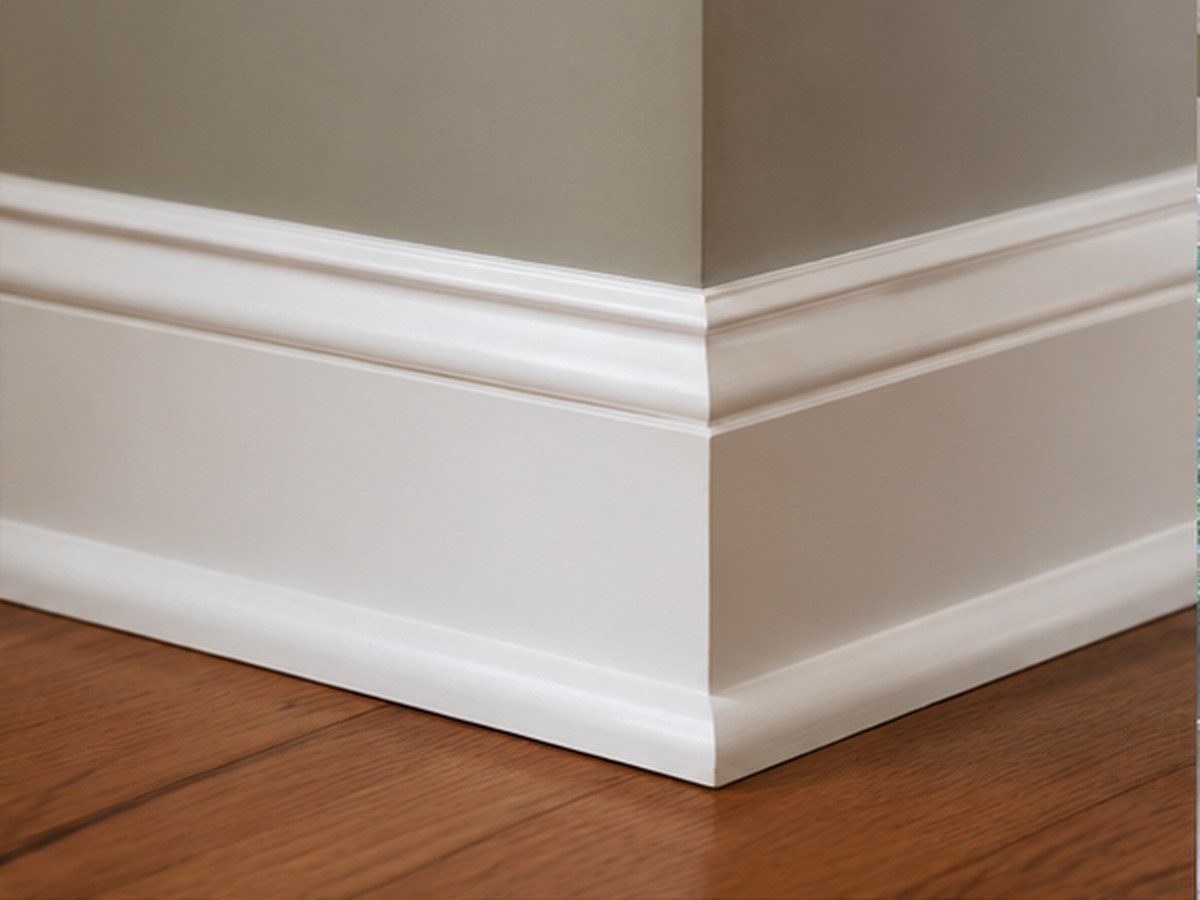
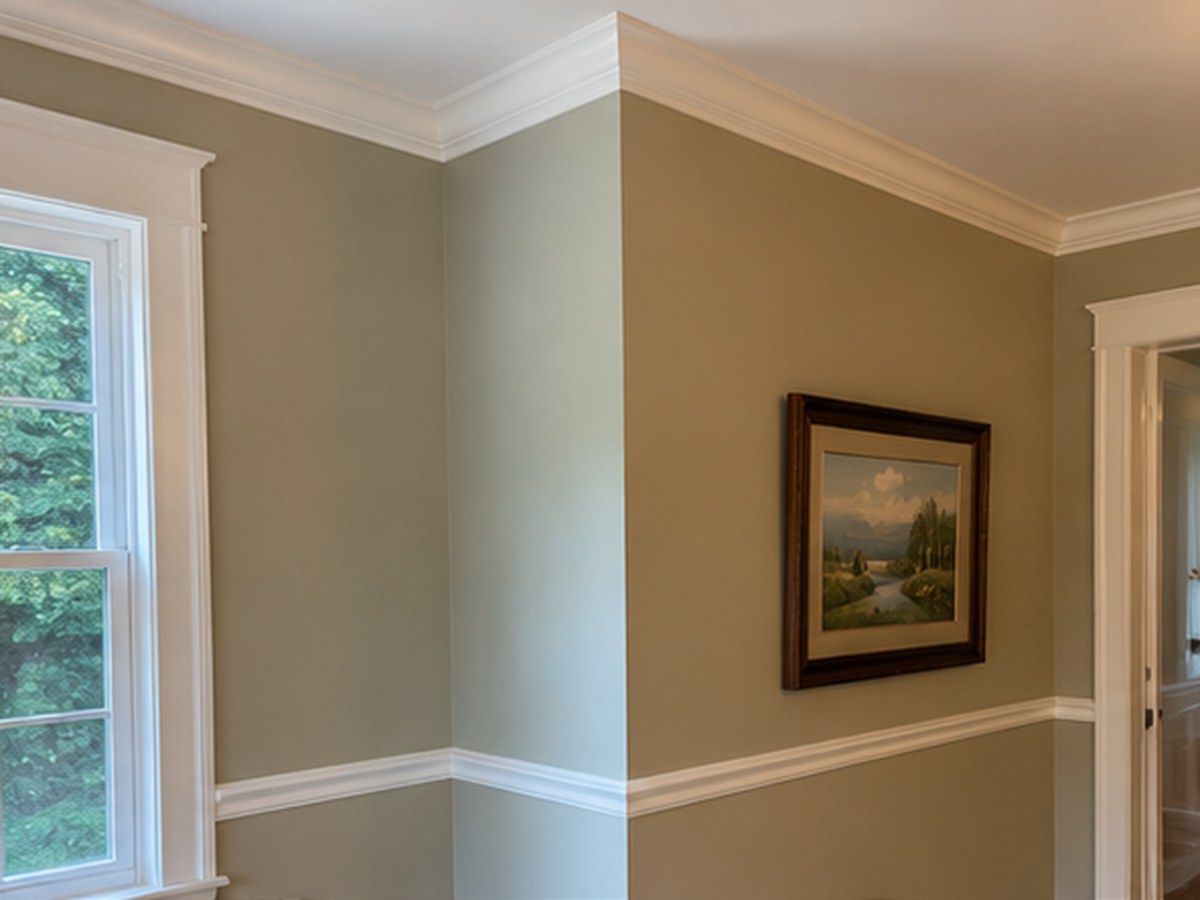
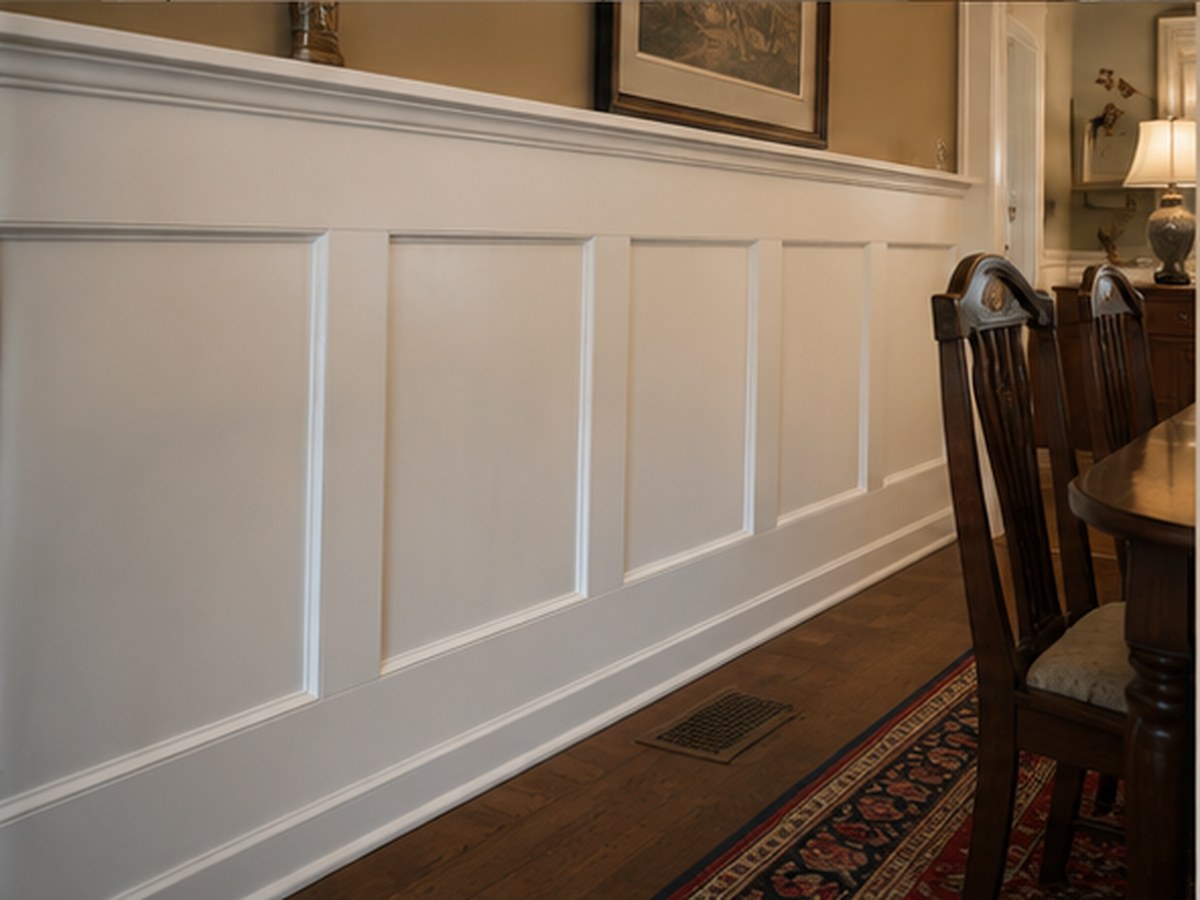
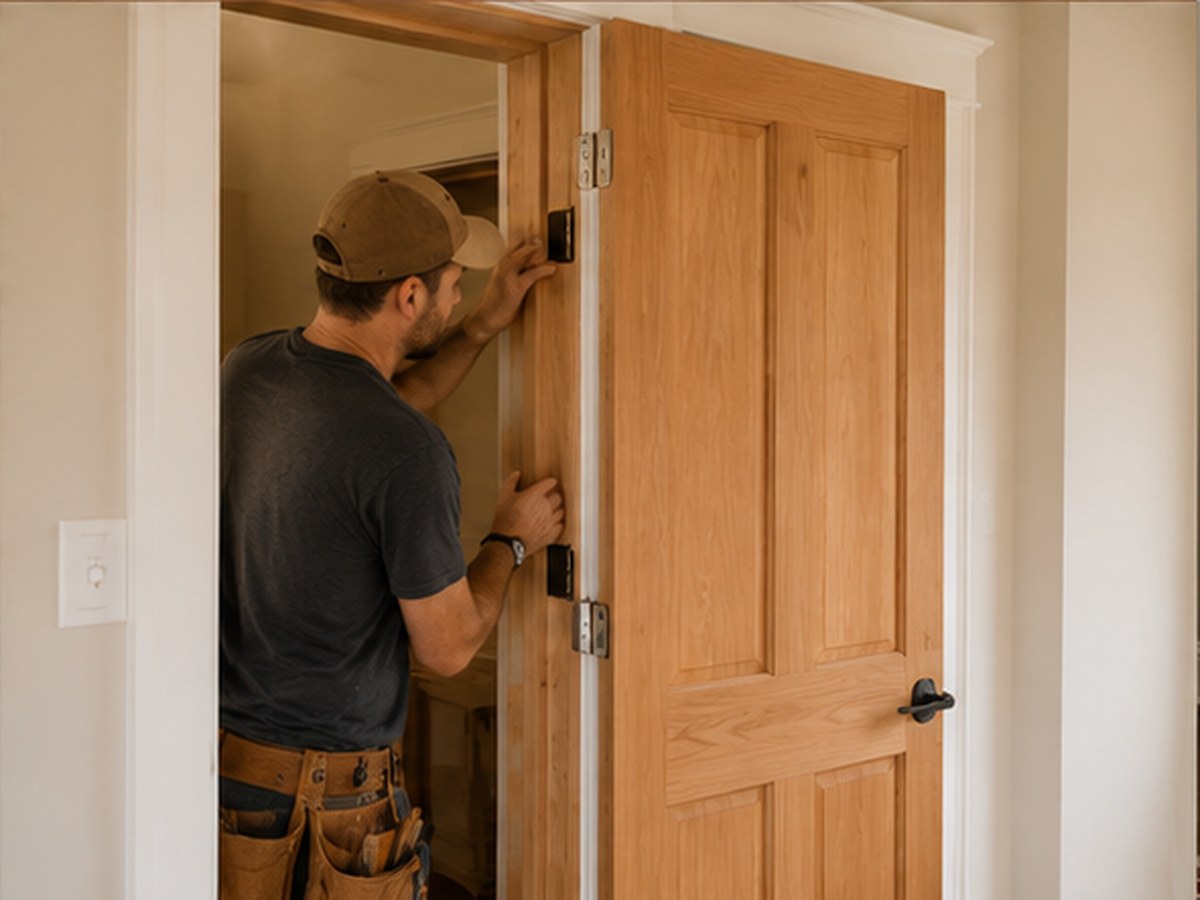
The tell of a repair is nearly always the trim. New casing next to old, or a length of baseboard that is a slightly different height, and the eye goes straight to it — which rather defeats the point of fixing the wall properly.
New finish work spliced invisibly into existing runs
Profiles built up from stock to match what is there
Original material reused where it came off sound
Scarf joints rather than butt joints at the transition
Rooms put back after a structural or water repair
Why Choose Mackwood Construction?
What you get when Mackwood does your finish carpentry — and what we won't do.
Free written quote, itemised before anything starts
We get underneath and look properly before quoting — not from the kerb
We'll tell you straight if a repair isn't worth doing
Based in Williamson — Mingo and Logan counties, about an hour out
Straight answers on permits, which differ either side of the county line
Built for this climate: drainage, flashing and ground contact done right
From first call to finished work — no surprises in between.
Step 1
Tell us about the project
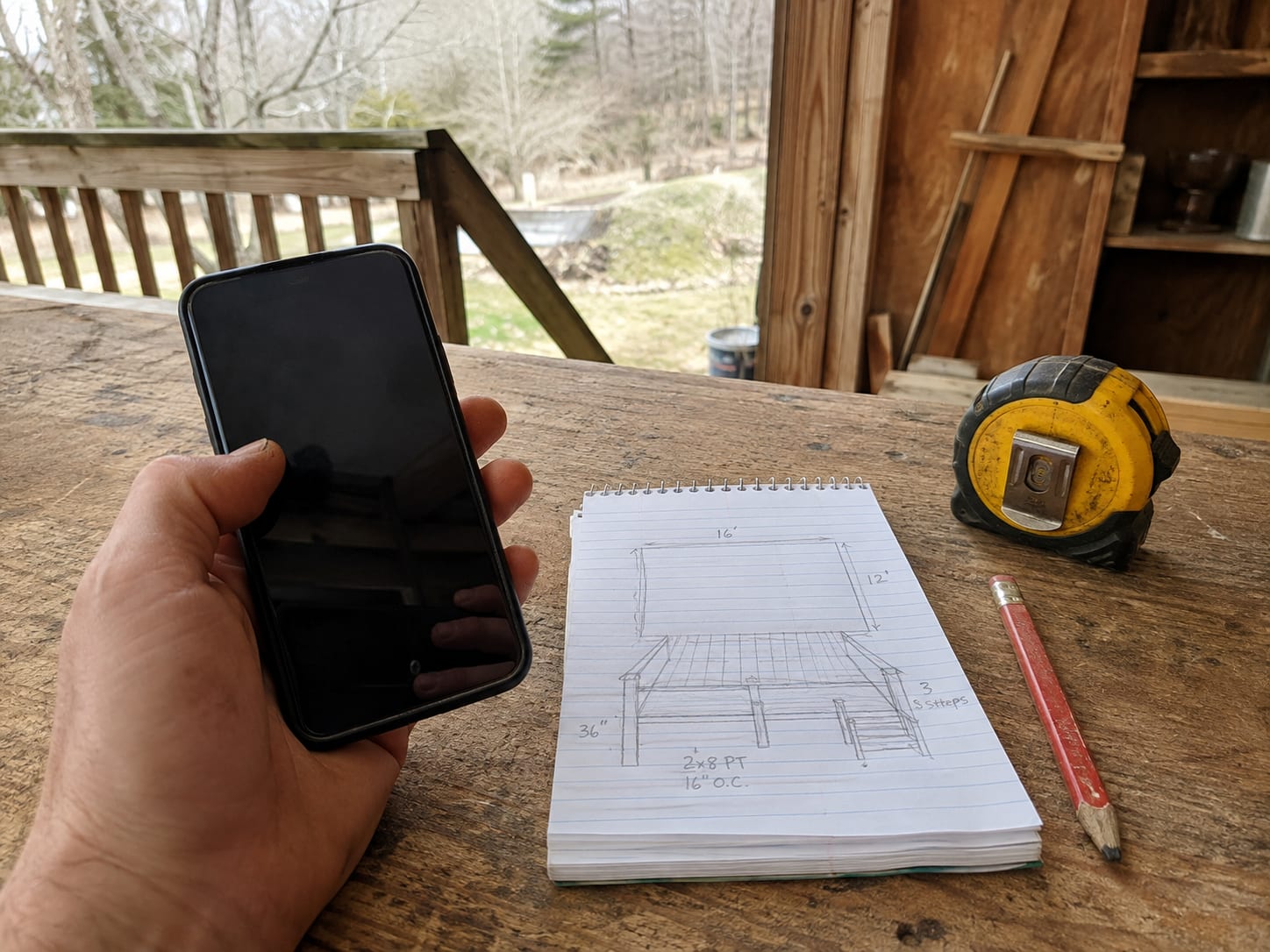
Call, text, or send a message with what you're looking to build or repair. No form to fill in and no call centre — it comes straight to us, and you'll get a real answer about whether it's something we do.
Step 2
Send photos or schedule a look
A few photos are often enough to tell us what we're dealing with. Where it isn't — anything structural, anything hidden underneath — we'll come out and look properly before quoting rather than guessing from the kerb.
Step 3
Get a clear quote
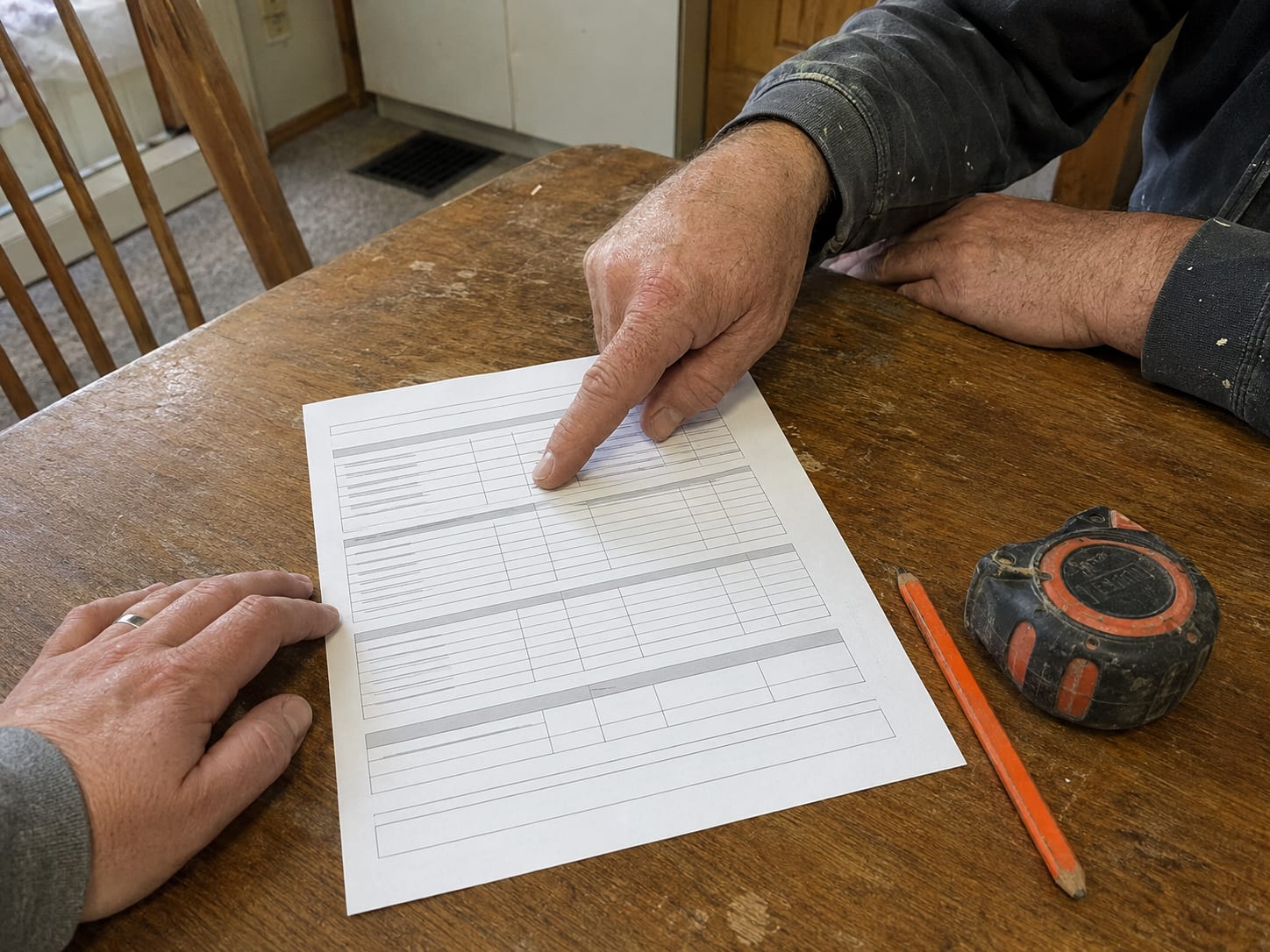
You get a written quote that itemises the work, so you can see what you're paying for and what you aren't. If we think part of it isn't worth doing, we'll say so. No pressure and no surprises at the end.
Step 4
We build it right
We turn up when we said we would, work clean, and haul the offcuts away with us. The job gets built to last in this climate — and we'll walk it with you before we call it finished.
Not sure what your finish carpentry needs?
We'll come and look, then tell you straight — including if it isn't worth doing.
Match the profile — usually by building it up from stock pieces rather than finding one that is already right — and join old to new with a scarf cut rather than a butt joint, so there is no vertical line for the eye to find.
Can you reuse the trim that came off?
Where it came off sound, often yes, and it is the best match available because it is the same material that was there. It is usually cheaper too.
How soon after a repair can the finish work go in?
Sometimes a few days, sometimes a few weeks. New framing and a room that has been wet both give up moisture for a while, and trim fitted into that moves as it dries. We would rather wait and come back.
Do you cover Kermit?
Yes, about thirty minutes from Williamson on US-52. West Virginia side only — that is licensing rather than distance.
You're right on the Kentucky line. Do you work across the river?
No. We stay on the West Virginia side — that's a licensing matter, not a distance one. Kermit itself is well inside the area we cover.
My house flooded years ago and seemed fine. Should I still have it looked at?
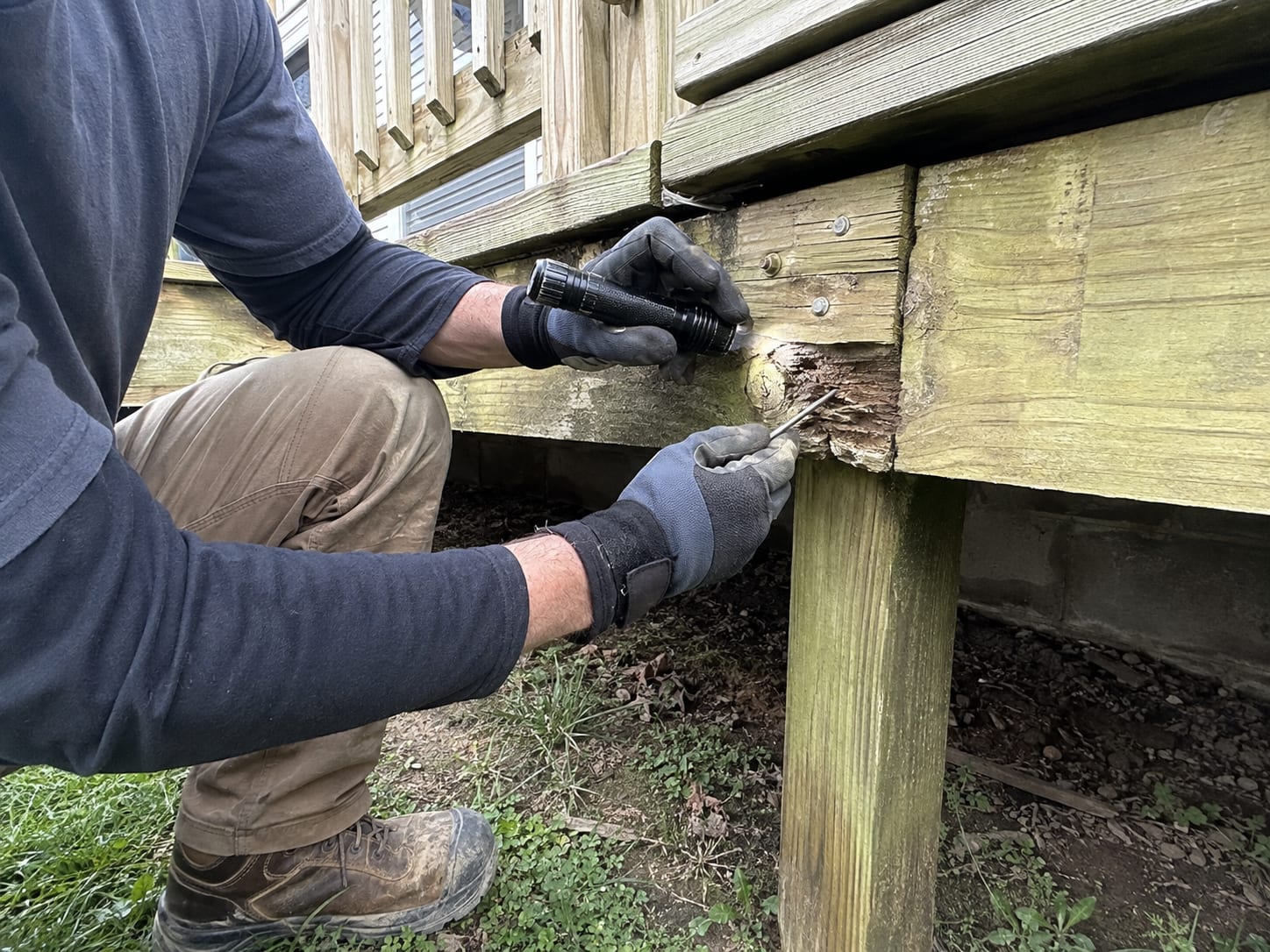
Yes. Flood damage in framing is biological, not immediate — the wetting starts rot that works through joist ends and post bottoms over years. The floor above it can feel solid the whole time.
There's nowhere to park at my house. Does that stop the job?
No, it's normal in town here. It affects staging and carry time, which we allow for in the quote.
Most people are buying a result, not a list of tasks. Pick a topic to see what we look at before quoting in Kermit.
More on finish carpentry work in Kermit
Making it disappear is a matter of two things. The profile has to match closely enough, which in these houses usually means building it up from stock pieces rather than finding one that is already right. And the joint between old and new has to be a scarf cut at a shallow angle rather than a butt joint, so there is no vertical line for the eye to find.
Where the old material is sound, we will often reuse what came off rather than replace the whole run. It is cheaper and it matches perfectly, which nothing new ever quite does.
Let it settle before you finish it
The other half of finishing after a repair is timing. Framing that has just been replaced, and a room that has recently been wet, both give up moisture for a while afterwards. Finish work fitted into that will move as it dries.
How long depends on the repair and the season, and sometimes the honest answer is a few weeks rather than a few days. We would rather tell you that and come back than fit trim into a wall that is still working and have you call us about the joints in the spring.
Where waiting is not practical, joints get detailed to move rather than filled tight, and we say which we have done.
Working in a tight town
Lots sit close to the street with limited parking and often nowhere to leave a trailer. Finish work is one of the easiest jobs for that — material carries in as boards and gets cut in the room.
Kermit is about thirty minutes from Williamson up US-52 along the river. West Virginia side only, which is licensing rather than distance.
If a repair is planned but not done, mention it when you call. Sequencing the finish work behind it properly is worth more than getting it booked early.
Homes around Kermit
Kermit is a small town on a narrow flat right against the Tug Fork, and the housing is packed onto what level ground there is — older wood-framed homes, close together, most on block or pier foundations with covered porches as standard. There is not much room between houses and not much room behind them, so additions here tend to go up or onto the porch rather than out the back.
What we see locally
The Tug Fork is the whole story in Kermit. The town sits low against the river and has taken water repeatedly, and what that leaves behind is rot in the parts of a house nobody inspects — sill plates, the ends of floor joists where they bear, post bottoms, and the base of exterior door frames. It shows up long after the water is gone, which is why a floor that feels sound is not evidence of much.
Getting to the job
About thirty minutes from Williamson up US-52 along the river, and the drive itself is easy. Working in town is the tighter part: lots sit close to the street with limited parking, so material gets carried and there is often nowhere to leave a trailer. We plan the day around that rather than treating it as a surprise.
Get a free quote for finish carpentry in Kermit
Tell us what you're building or repairing and get a clear, no-pressure quote. Free quotes, honest answers, and craftsmanship built to last.