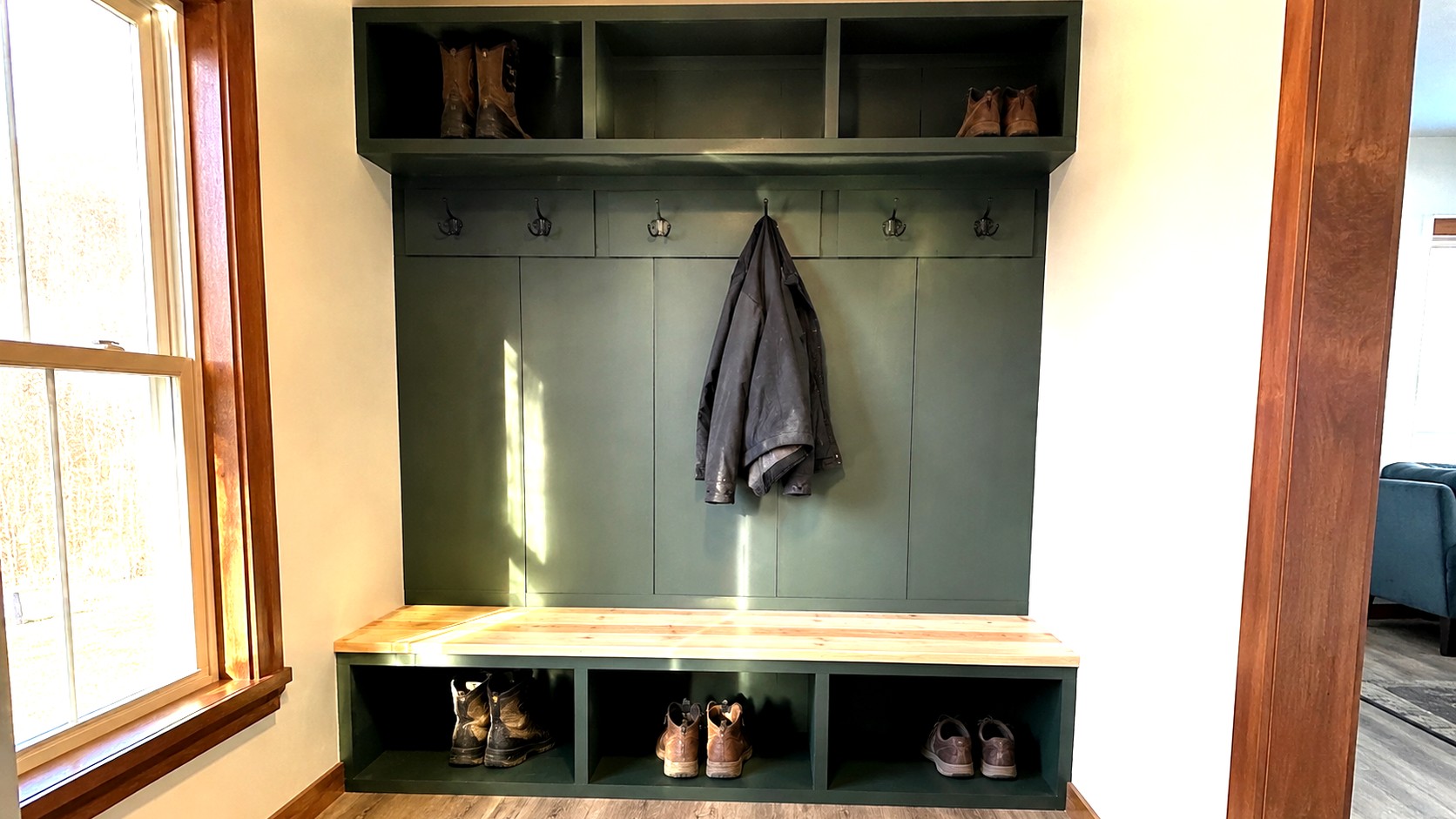
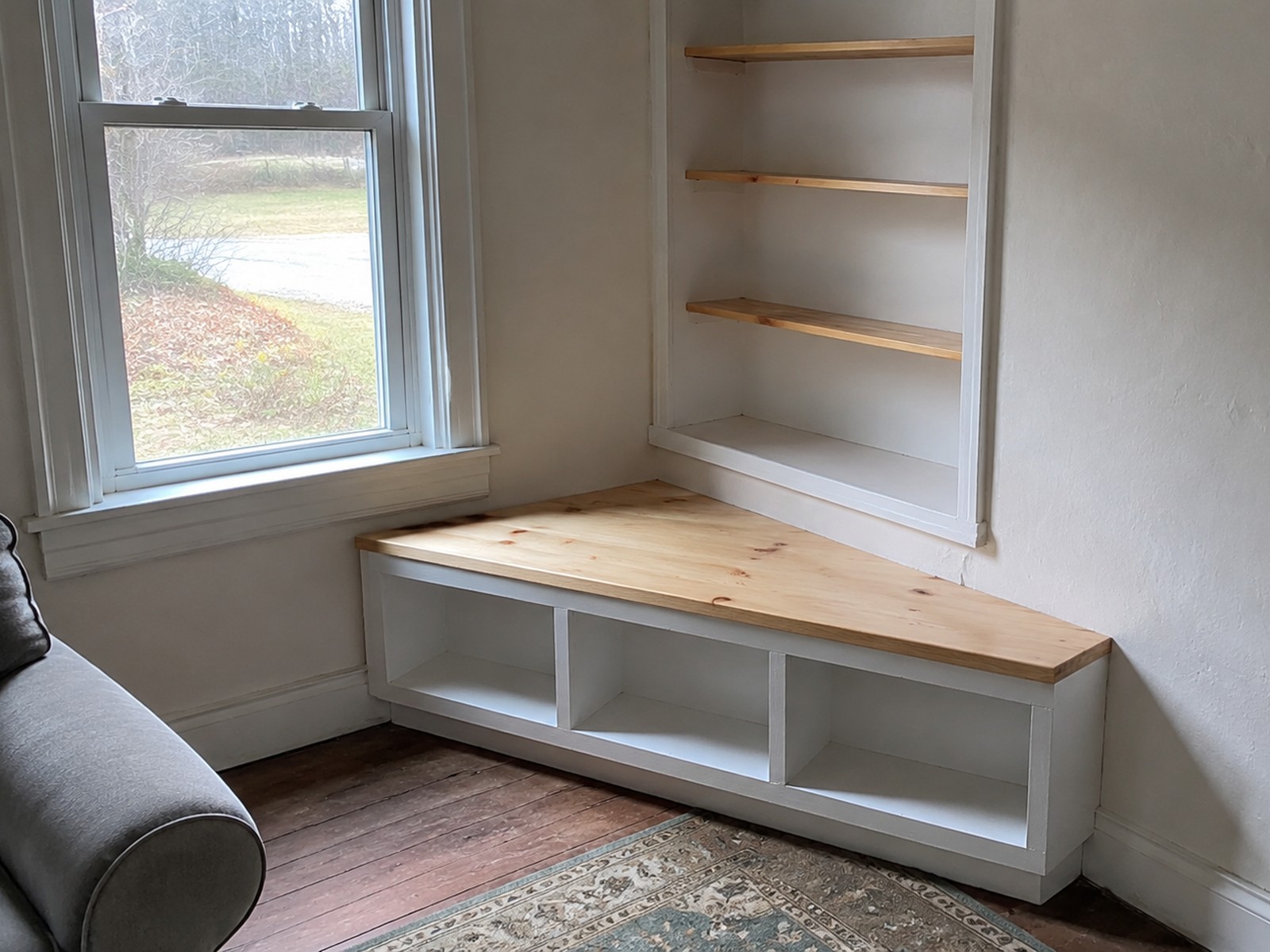
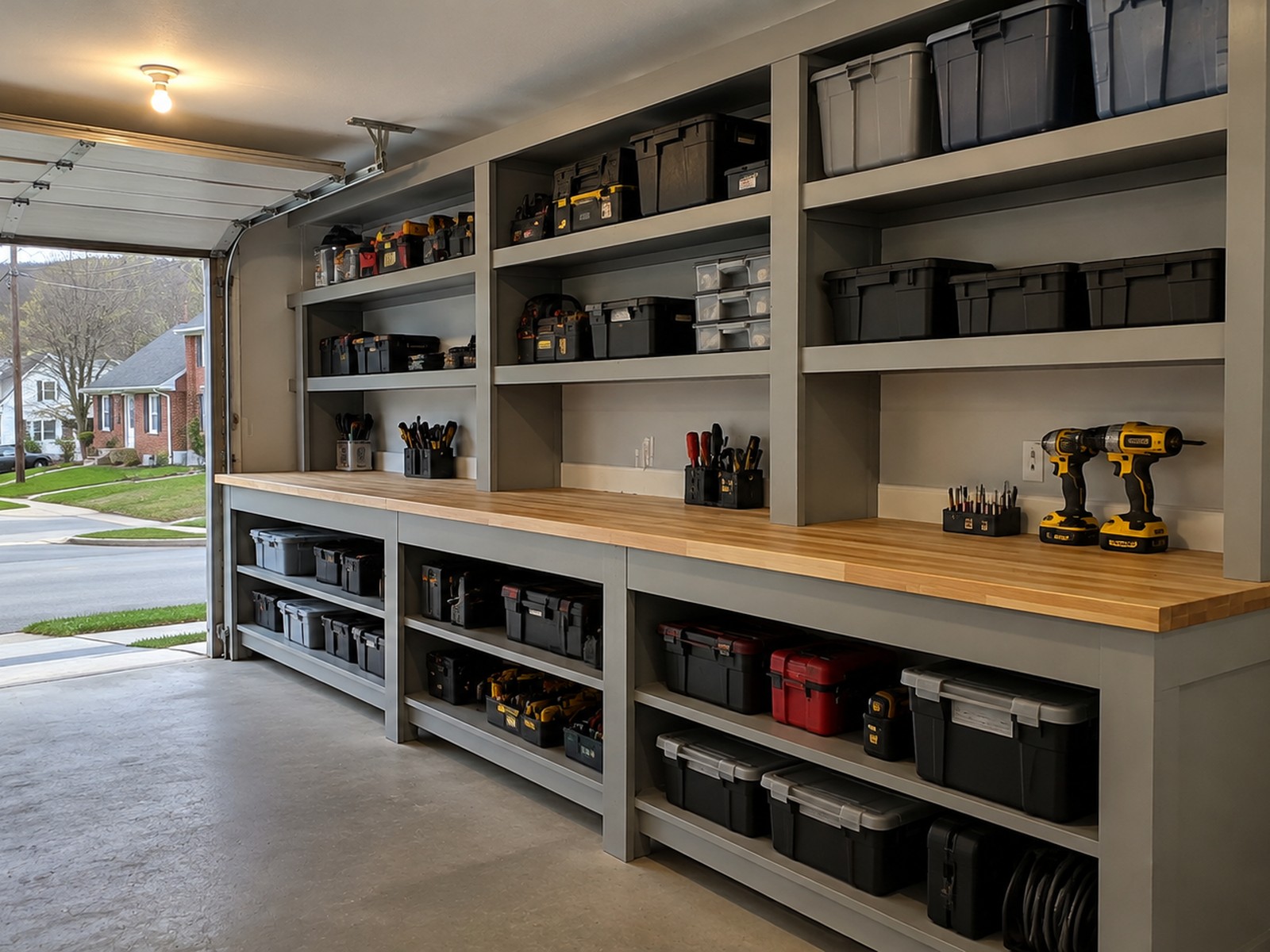
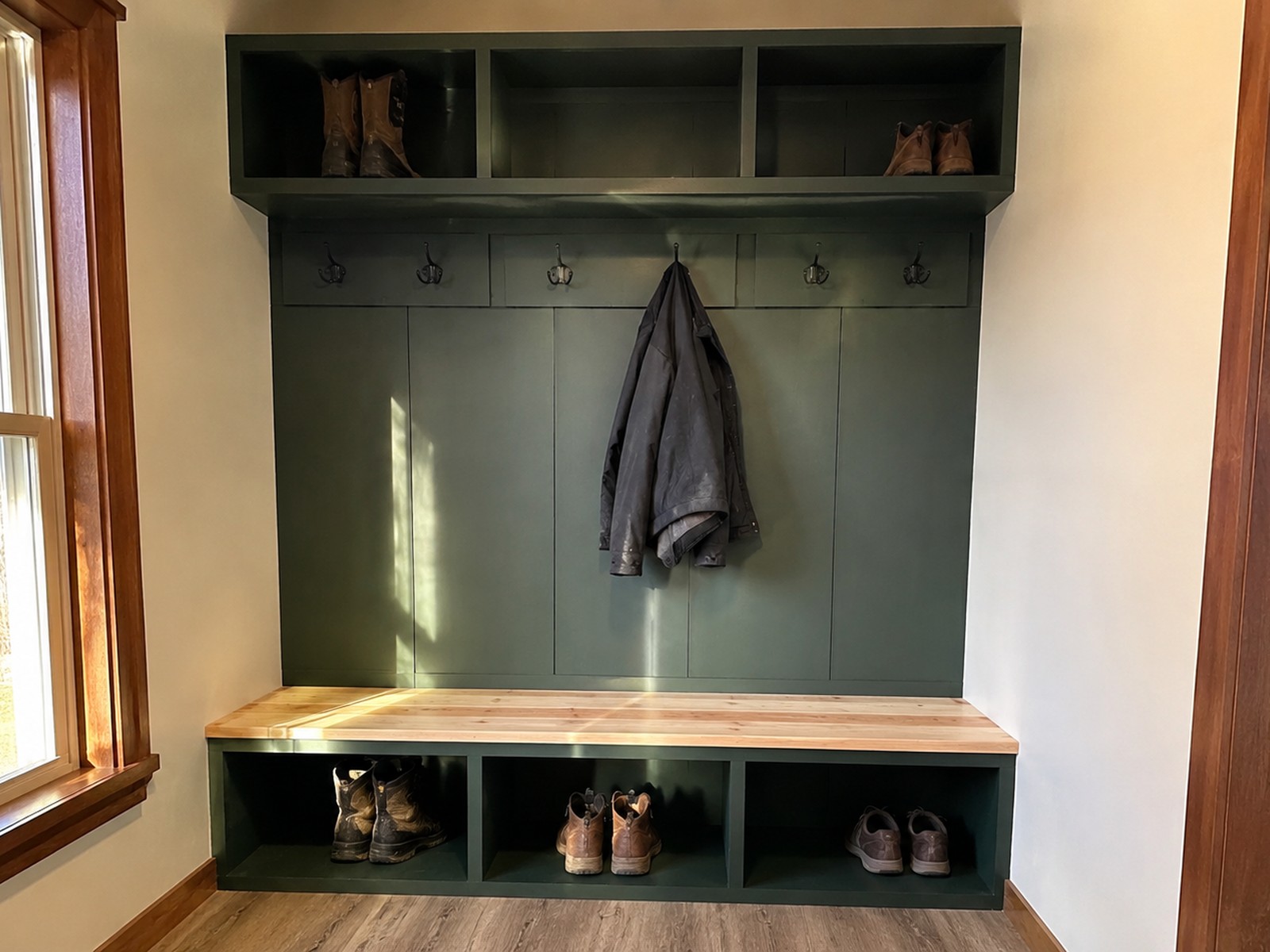
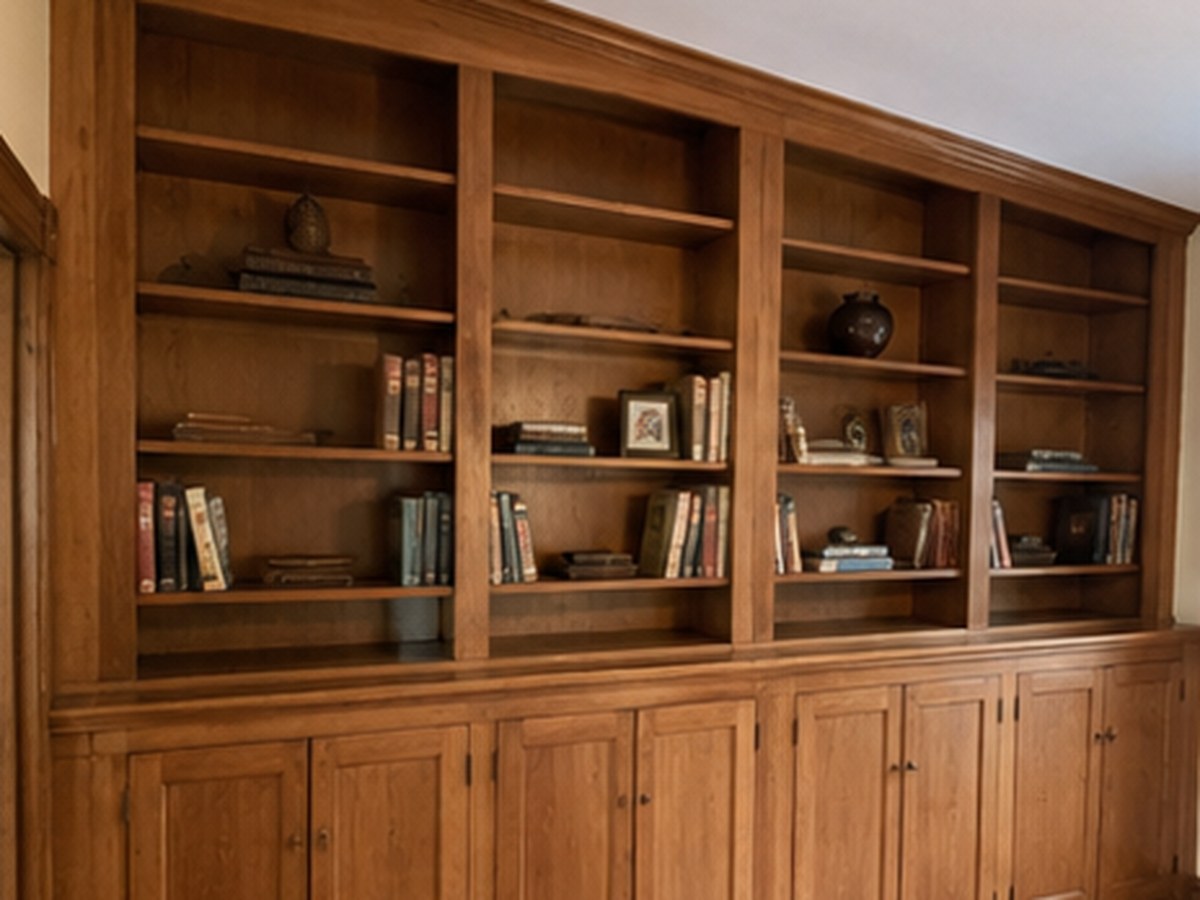
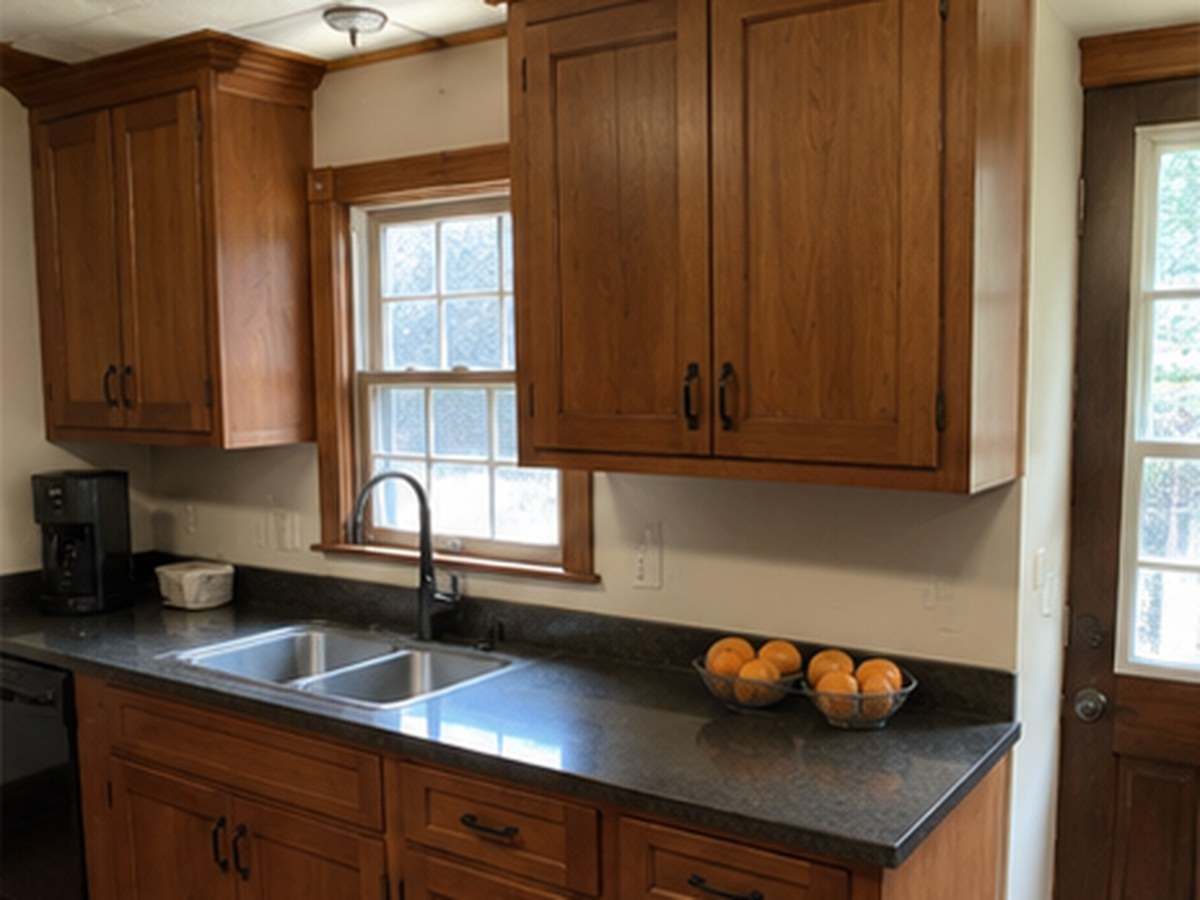
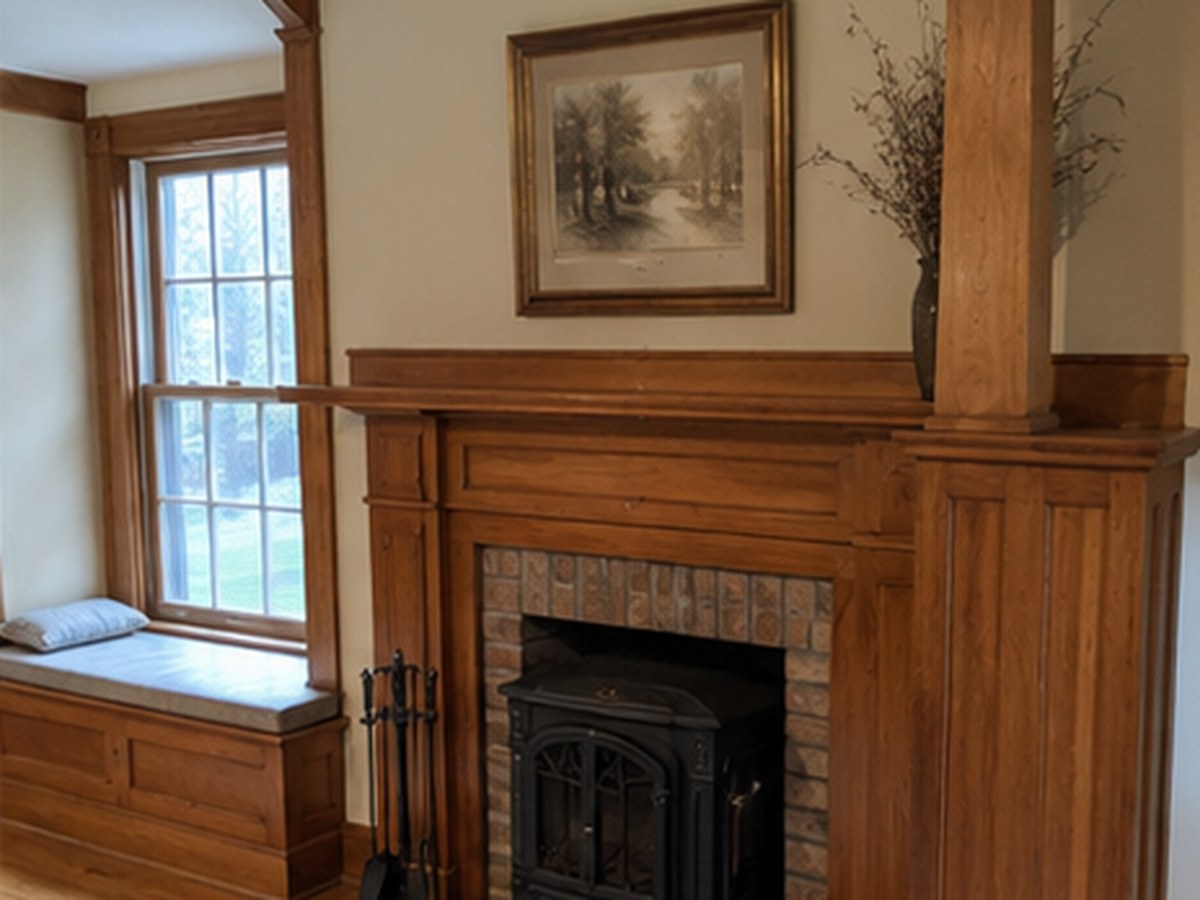
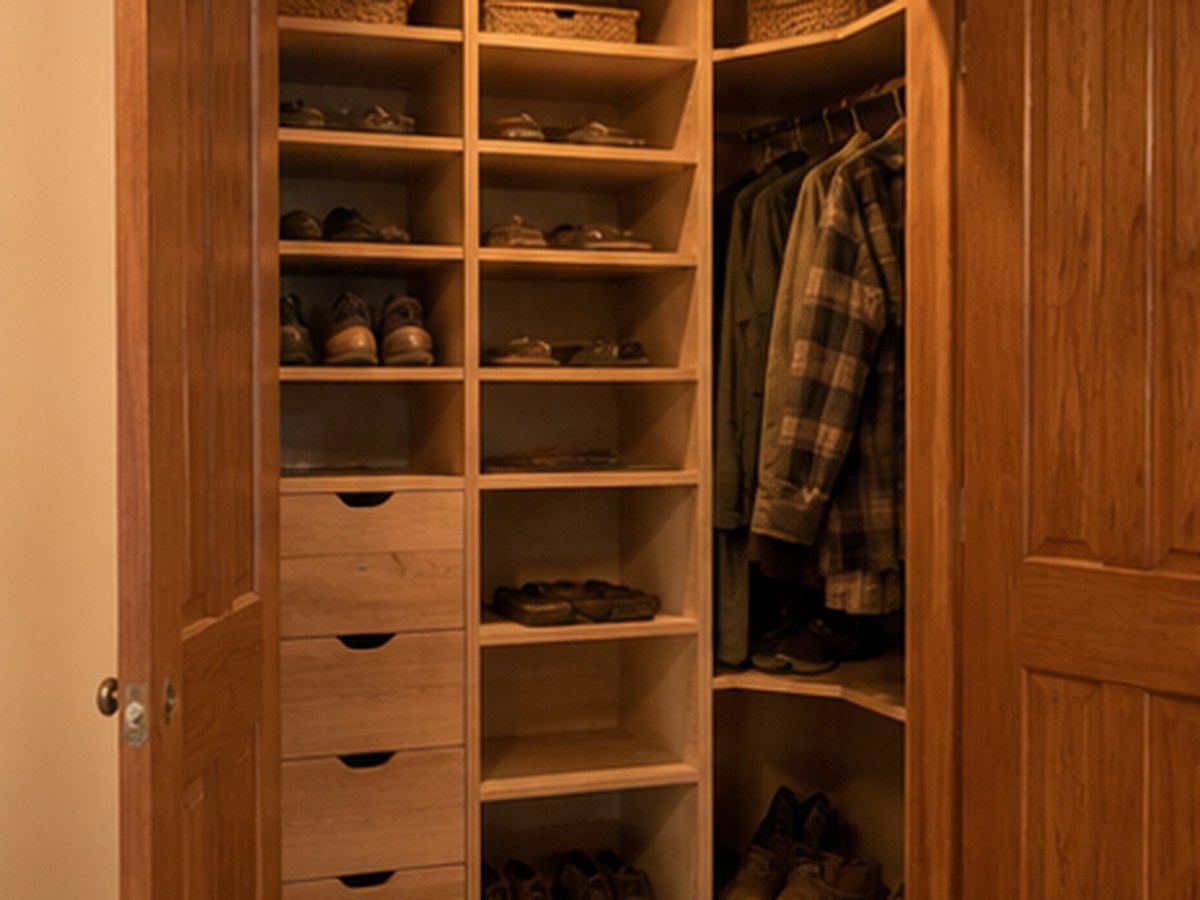
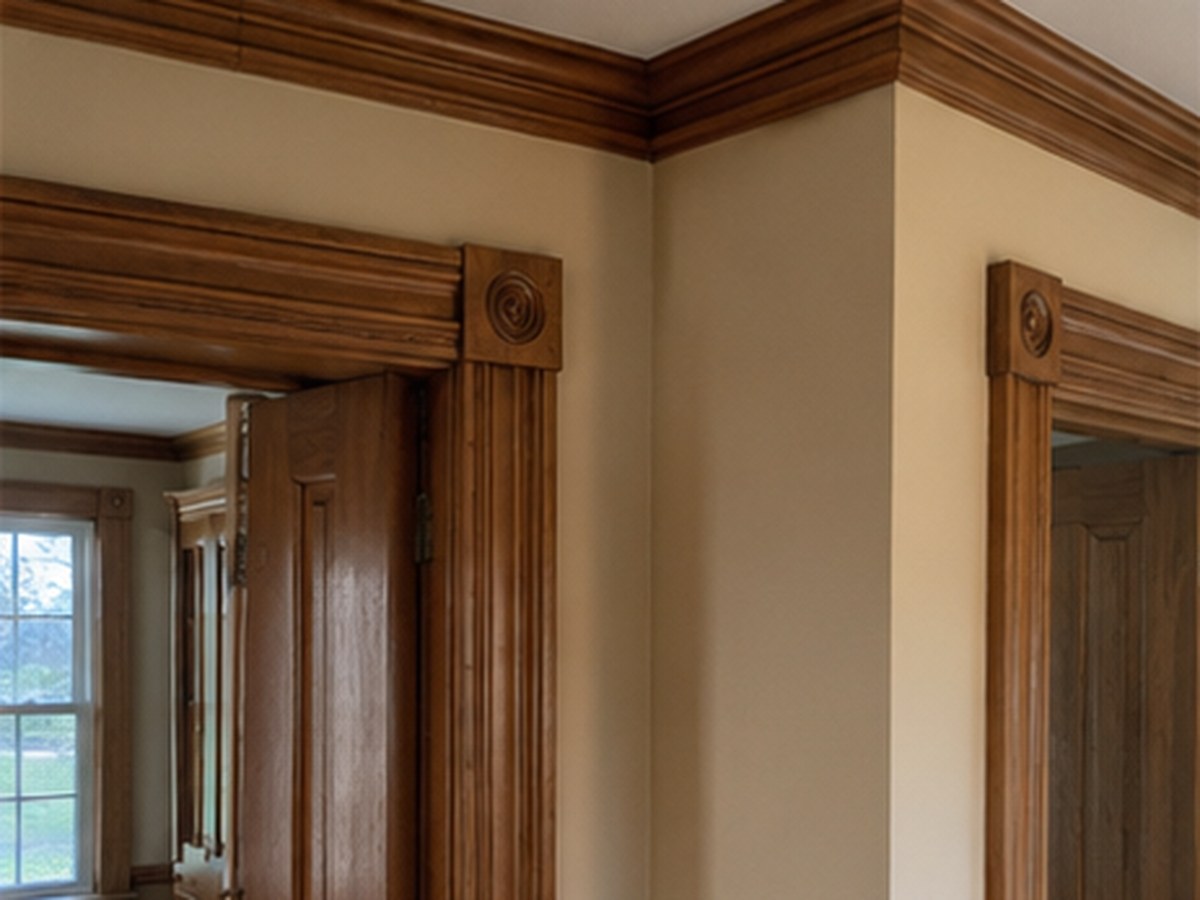
Holden's houses were built by Island Creek Coal to a small number of standard patterns, and the original interior woodwork was part of those patterns. That makes matching realistic here in a way it is not almost anywhere else we work.
Had them out after the back steps started going soft underfoot. He came and looked properly before quoting anything, and told me the structure underneath was still sound — so it ended up a smaller job than I had braced myself for. Turned up when he said he would, cleaned up after himself, and the price at the end was the price we agreed. Not much more you can ask for.
Owner replied
S
Skyler White
9 months ago
Called on a Tuesday and had someone out the same week. What I appreciated most was being told straight what needed doing now and what could safely wait until spring. No pressure and no trying to talk me into the bigger version of the job. It has held up fine through the winter since.
T
Trevor Alford
2 months ago
The quote came through itemised and the final bill matched it, which has honestly not been my experience with everyone around here. They worked around an awkward driveway without once making it my problem, and left the place tidier than they found it. Would have them back.
K
Kaleb Withrow
3 weeks ago
Fair price, showed up on time, tidy work. No complaints.
See something like yours?
Send a few photos and we'll tell you what it'll take — free written quote, no pressure.
Whole streets share a floor plan, a trim profile and a set of proportions. Where a house has lost its original woodwork — and many have, over a century of repairs and updates — the reference for putting it back is standing on the same street.
Profiles taken from intact examples on the same street
Built-in storage in the camps' standard room layouts
Original built-in features repaired or extended
Cabinetry proportioned to the house pattern
Pieces levelled independently of settled floors
Why Choose Mackwood Construction?
What you get when Mackwood does your custom carpentry — and what we won't do.
Free written quote, itemised before anything starts
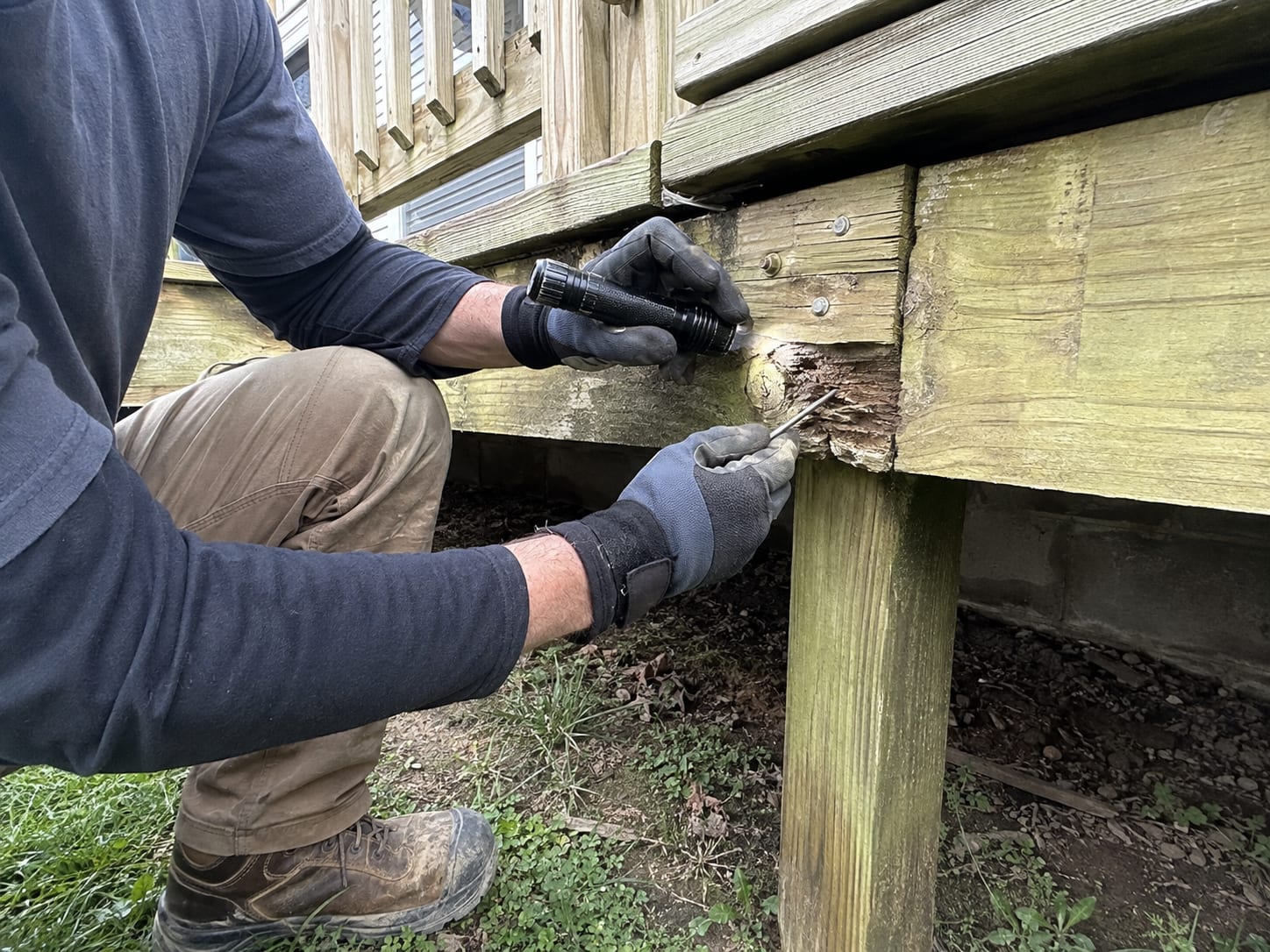
We get underneath and look properly before quoting — not from the kerb
We'll tell you straight if a repair isn't worth doing
Based in Williamson — Mingo and Logan counties, about an hour out
Straight answers on permits, which differ either side of the county line
Built for this climate: drainage, flashing and ground contact done right
From first call to finished work — no surprises in between.
Step 1
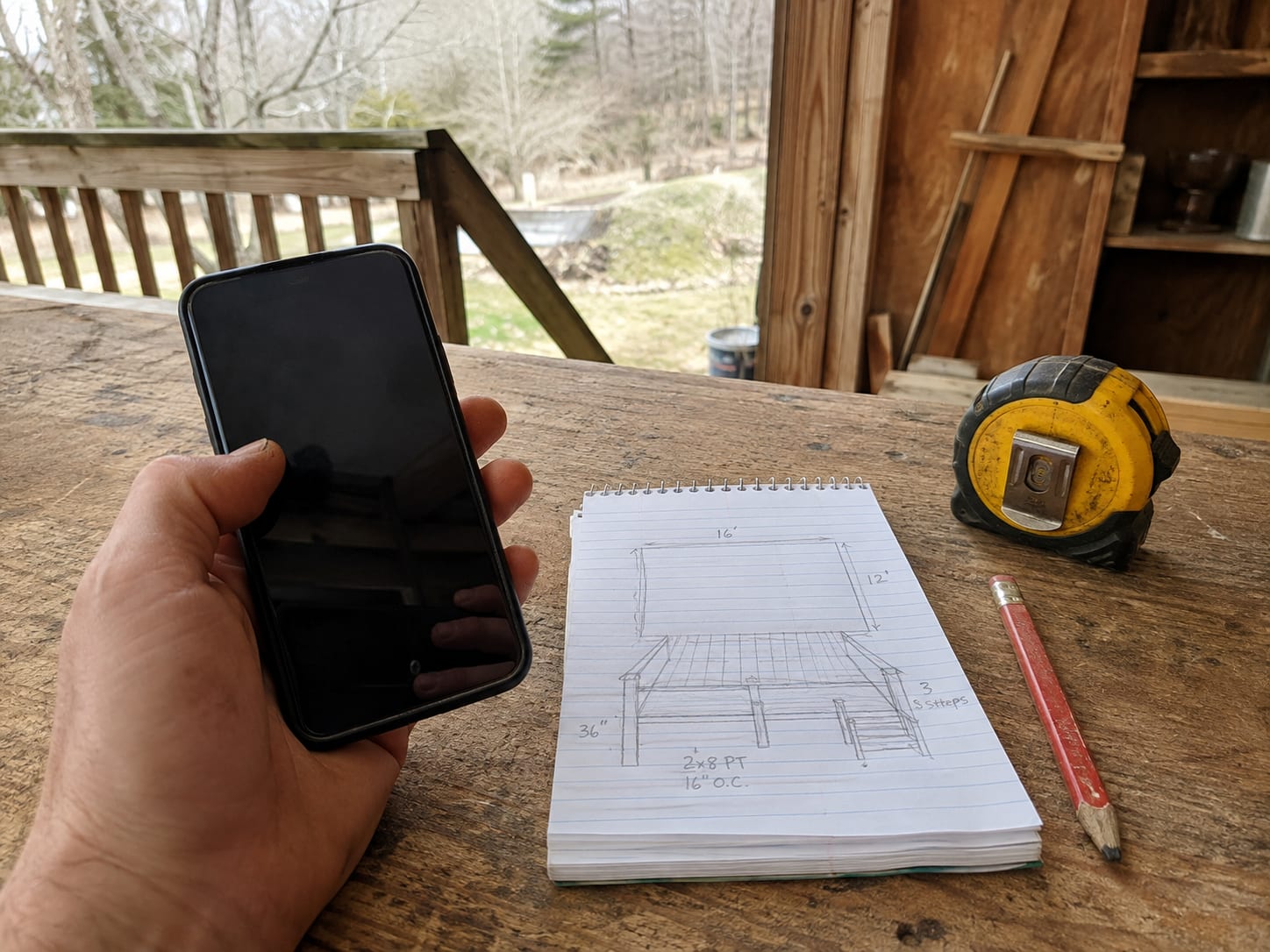
Tell us about the project
Call, text, or send a message with what you're looking to build or repair. No form to fill in and no call centre — it comes straight to us, and you'll get a real answer about whether it's something we do.
Step 2
Send photos or schedule a look
A few photos are often enough to tell us what we're dealing with. Where it isn't — anything structural, anything hidden underneath — we'll come out and look properly before quoting rather than guessing from the kerb.
Step 3
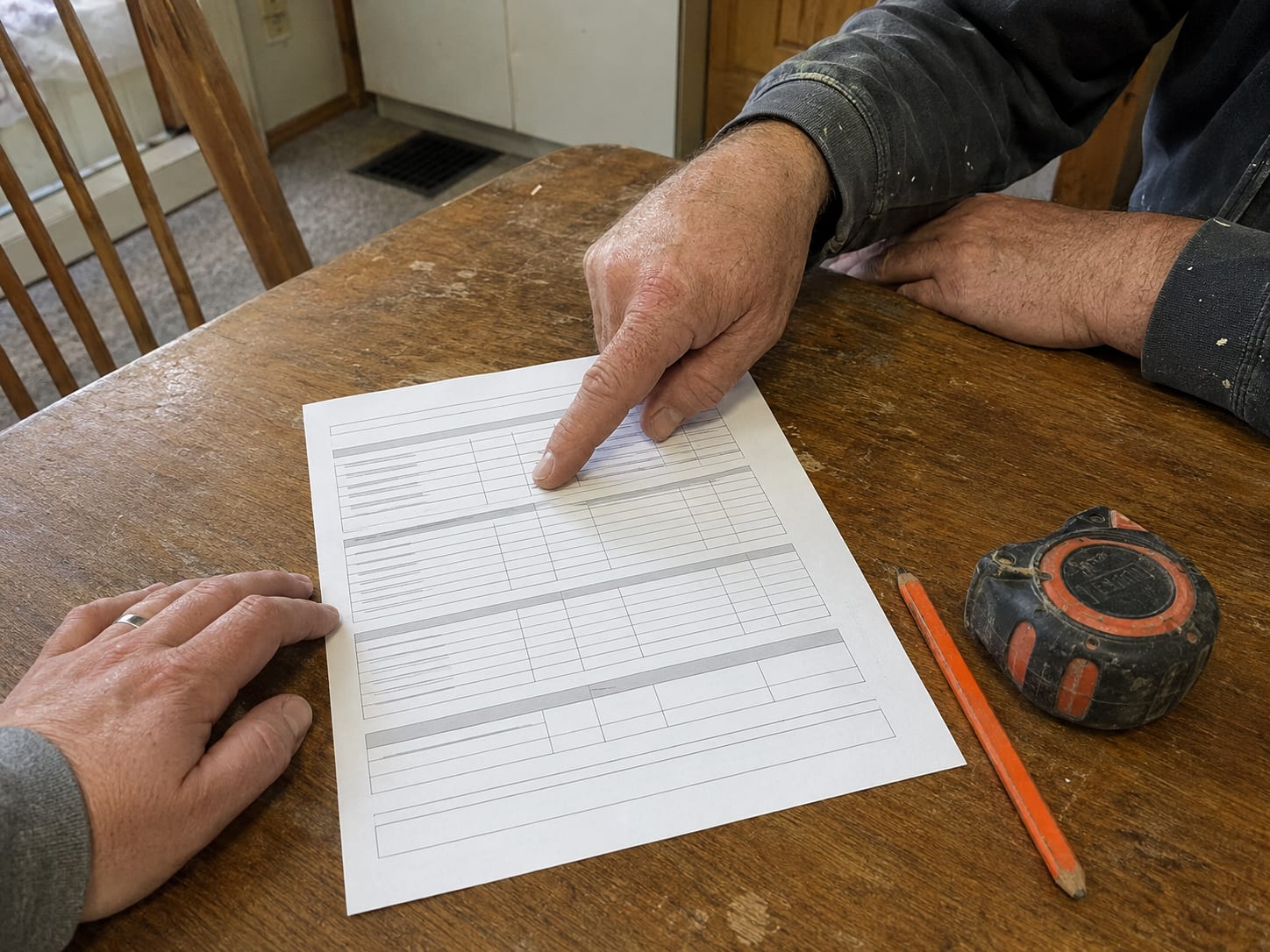
Get a clear quote
You get a written quote that itemises the work, so you can see what you're paying for and what you aren't. If we think part of it isn't worth doing, we'll say so. No pressure and no surprises at the end.
Step 4
We build it right
We turn up when we said we would, work clean, and haul the offcuts away with us. The job gets built to last in this climate — and we'll walk it with you before we call it finished.
Not sure what your custom carpentry needs?
We'll come and look, then tell you straight — including if it isn't worth doing.
Can you match the original woodwork in a company house?
This is the best place we work for it. Because the camps were built to standard patterns, an intact example of the profile you need is usually on the same street, so we can mill to the original rather than approximating a period style.
Does matching cost more?
Milling a profile costs more than buying stock, but it is a smaller difference than people assume and it is the thing that makes new work read as original. On a visible piece it is usually worth it; on something hidden we will tell you it is not.
My house has been altered a lot. Does the pattern still help?
It still tells us what was originally there, which is useful even where the room has changed. We establish what you actually have before designing rather than assuming the pattern holds throughout.
Can you get a finished piece into the house?
Where the camp streets and the hillside approach make that difficult, we build in sections and assemble in the room. It is normal practice for us on this housing.
Can you match the original detail on a company house?
Usually, and Holden is the best case for it. The houses were built to standard patterns, so the profile you need is generally still visible on the same street. Where something genuinely can't be sourced we'll show you the nearest option rather than substituting quietly.
My neighbour just had the same repair done. Does that mean mine is coming?
Quite possibly. These houses were built the same way at the same time on the same ground, so they tend to reach the same failures together. It's worth a look underneath before it becomes urgent.
The house is dug into the hill and the back is hard to get to. Is that an issue?
It's the normal situation in the camps and it's usually the side the work is on. It affects access and how long material handling takes, not whether the repair can be done properly.
Most people are buying a result, not a list of tasks. Pick a topic to see what we look at before quoting in Holden.
More on custom carpentry work in Holden
That matters for made-to-measure work because it changes what 'matching' means. Rather than approximating a period style, we can take a profile off an intact example and mill to it, so new work reads as original rather than as sympathetic.
It applies to proportions as much as profiles. Shelf depths, door sizes and the height of a run all followed the pattern, and getting those right is most of what makes a new piece look like it belongs.
Rooms laid out to a plan
Because these houses were designed rather than accumulated, the rooms are consistent and the wasted space is consistent too. The same alcoves, the same understairs void, and the same shallow depths turn up house after house.
That makes this work efficient here. We know where the opportunities are before we walk in, and the design conversation starts from what you want to store rather than from surveying the building.
The one variable is what previous owners have done. A century of alterations means the room you are standing in may not be the room the pattern specifies, and that gets established before anything is designed.
Working in the camps
About forty-five minutes from Williamson, US-119 to WV-44. The camps sit up off the main road on narrow streets, so the approach is tighter than the drive suggests and there is limited room to stage.
Houses set into the hillside also mean the way into the house is often awkward. Where a finished piece will not get in, we build in sections and assemble in the room, which is our normal practice on this kind of housing anyway.
Homes around Holden
Holden is a planned coal town rather than a town that grew, and it shows in the housing more clearly than anywhere else we work. Island Creek Coal built these houses to a small number of standard patterns across the numbered camps, which means whole streets share a floor plan, a porch detail, and a foundation type. For carpentry that is genuinely useful: once we have seen the failure on one of them we know where to look on the next, and matching original trim and porch detail is realistic because the pattern is documented by the houses around it.
What we see locally
These houses are approaching a century old and were built with untreated framing on block and stone piers, set into hillside sites where drainage was designed for the coal operation rather than for the houses. Water coming off the slope behind a house is the constant, and the damage concentrates at the back and the low side — sill plates, joist bearings, and the porch structure where it steps down the grade. The uniformity that helps us diagnose also means the whole street tends to arrive at the problem together.
Getting to the job
About forty-five minutes from Williamson, US-119 to WV-44. The camps sit up off the main road on narrow streets that were laid out for the era, so the approach is tighter than the drive suggests and there is limited room to stage material. Houses set into the hillside also mean the working side is often the awkward side, which affects the day rather than the price of the carpentry.
Get a free quote for custom carpentry in Holden
Tell us what you're building or repairing and get a clear, no-pressure quote. Free quotes, honest answers, and craftsmanship built to last.