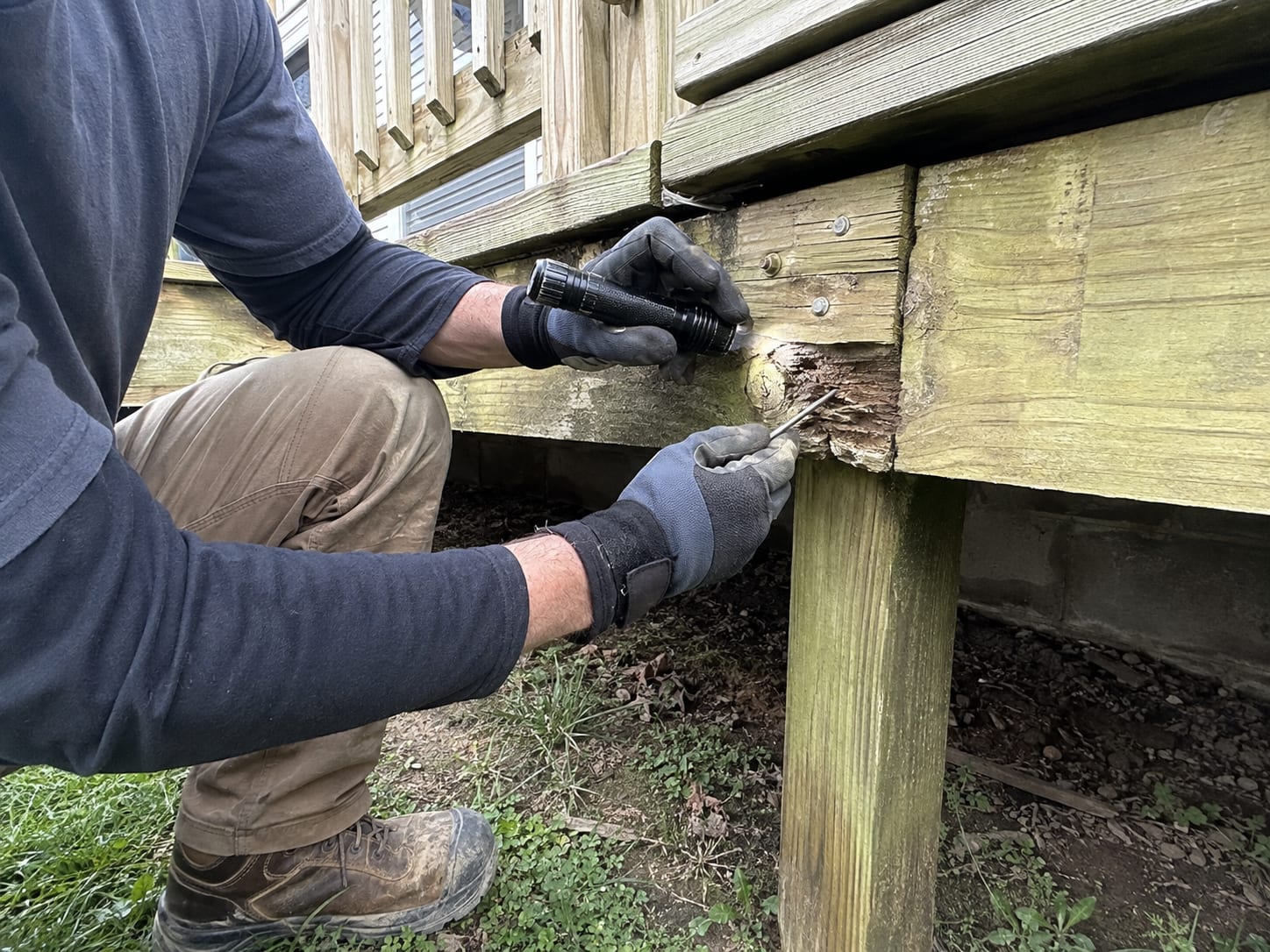
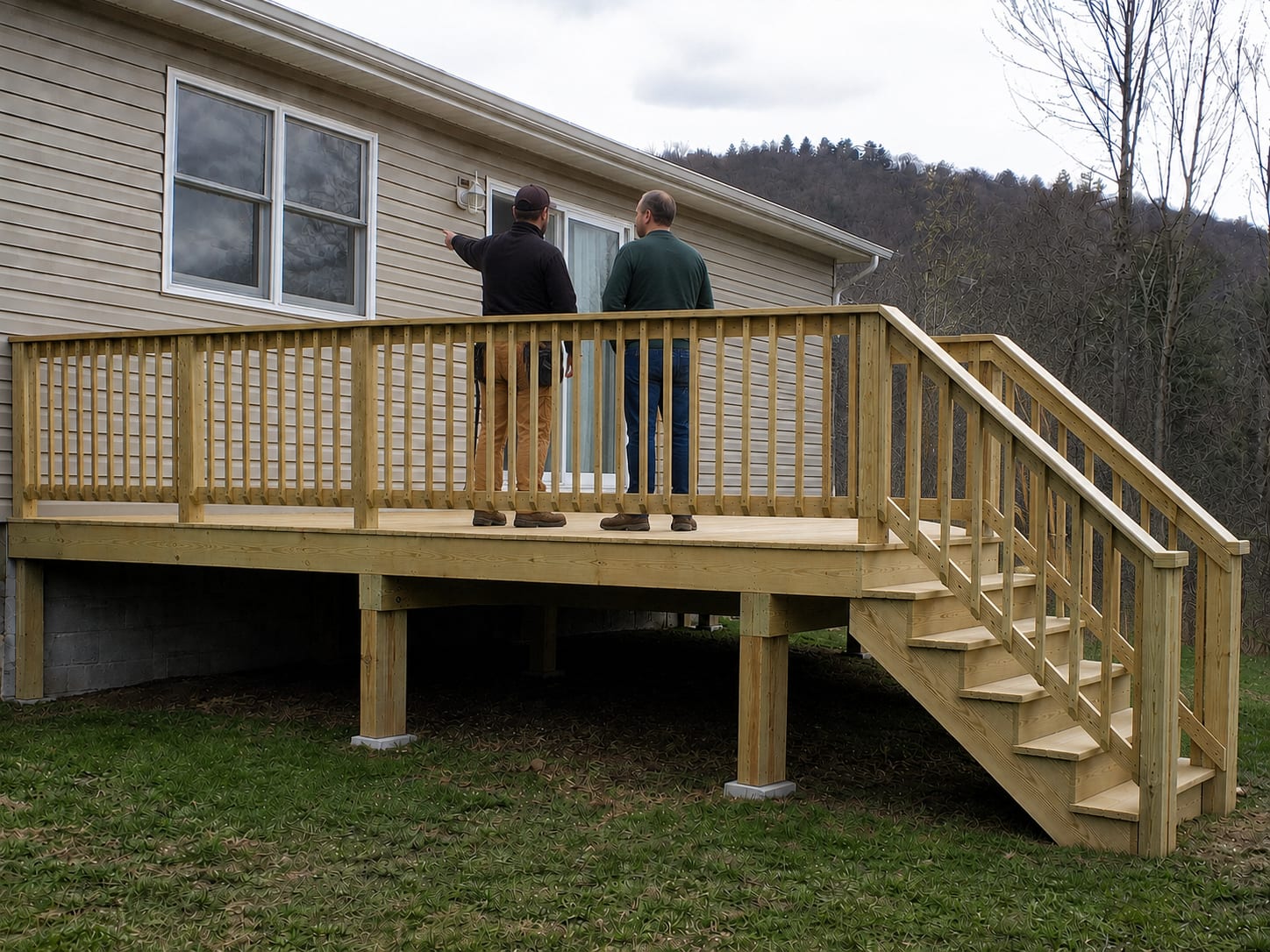
Had them out after the back steps started going soft underfoot. He came and looked properly before quoting anything, and told me the structure underneath was still sound — so it ended up a smaller job than I had braced myself for. Turned up when he said he would, cleaned up after himself, and the price at the end was the price we agreed. Not much more you can ask for.
Owner replied
S
Skyler White
9 months ago
Called on a Tuesday and had someone out the same week. What I appreciated most was being told straight what needed doing now and what could safely wait until spring. No pressure and no trying to talk me into the bigger version of the job. It has held up fine through the winter since.
T
Trevor Alford
2 months ago
The quote came through itemised and the final bill matched it, which has honestly not been my experience with everyone around here. They worked around an awkward driveway without once making it my problem, and left the place tidier than they found it. Would have them back.
K
Kaleb Withrow
3 weeks ago
Fair price, showed up on time, tidy work. No complaints.
See something like yours?
Send a few photos and we'll tell you what it'll take — free written quote, no pressure.
Most houses have more usable space than it looks like, and almost all of it is vertical. The gap above a closet rod, the run of wall above a washer and dryer, and the whole area under a staircase are the three most commonly wasted spaces in the houses around here.
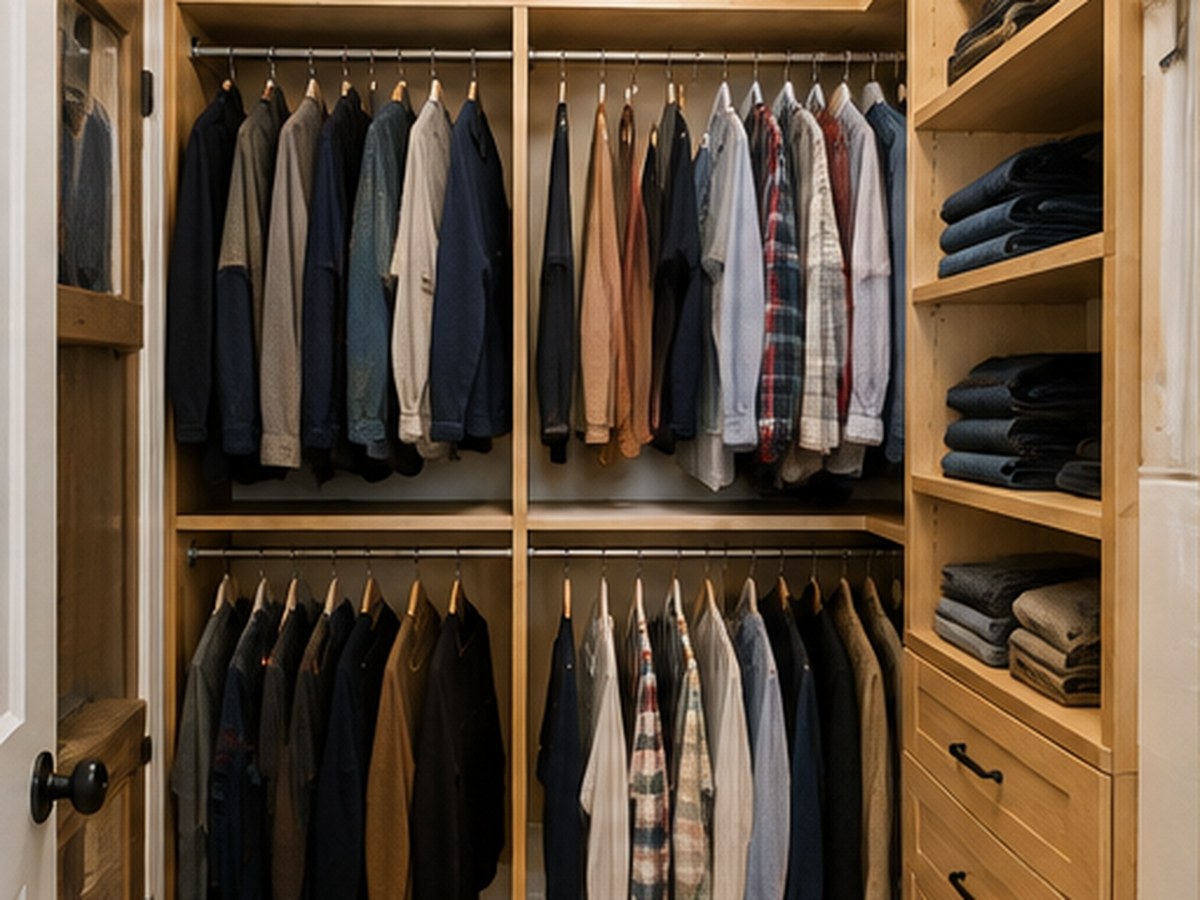
Closet shelving and hanging systems
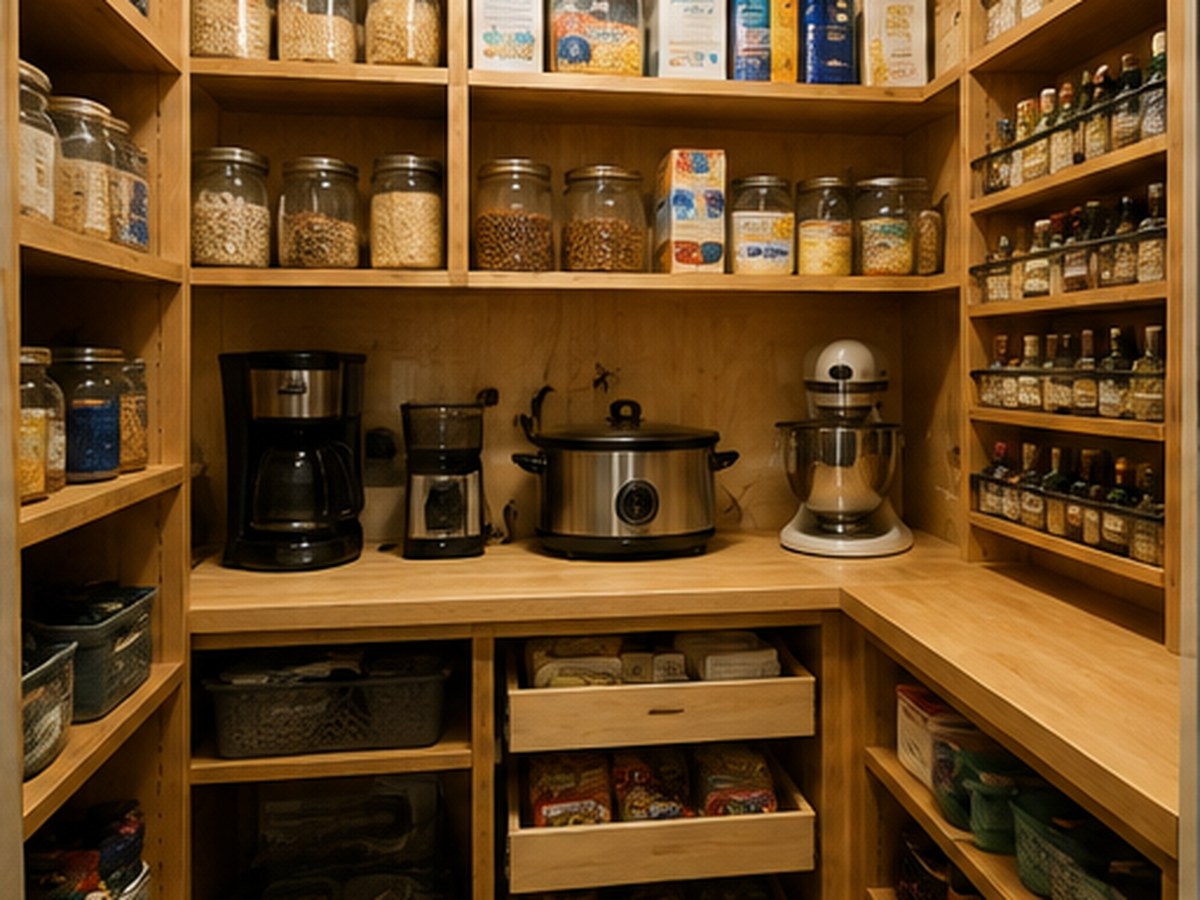
Pantry and kitchen storage
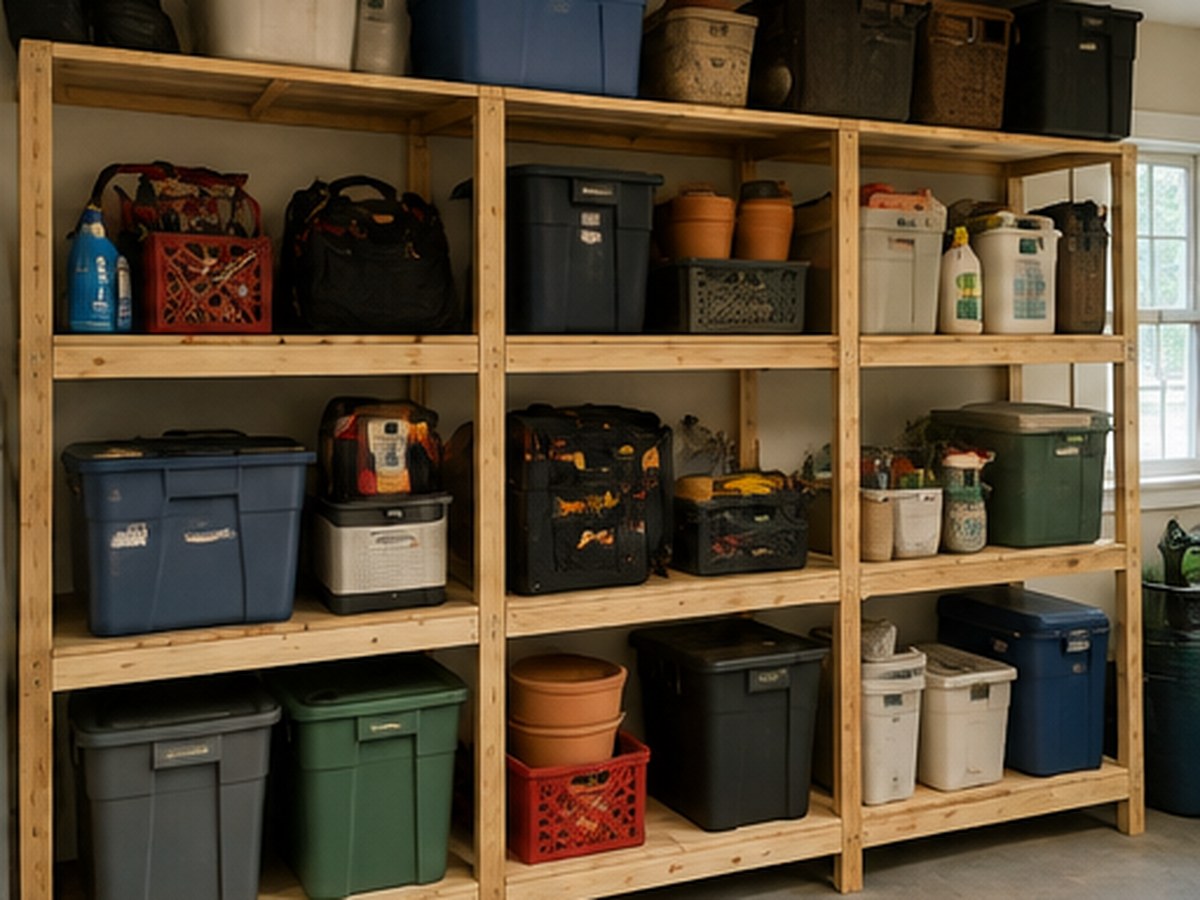
Garage and basement shelving
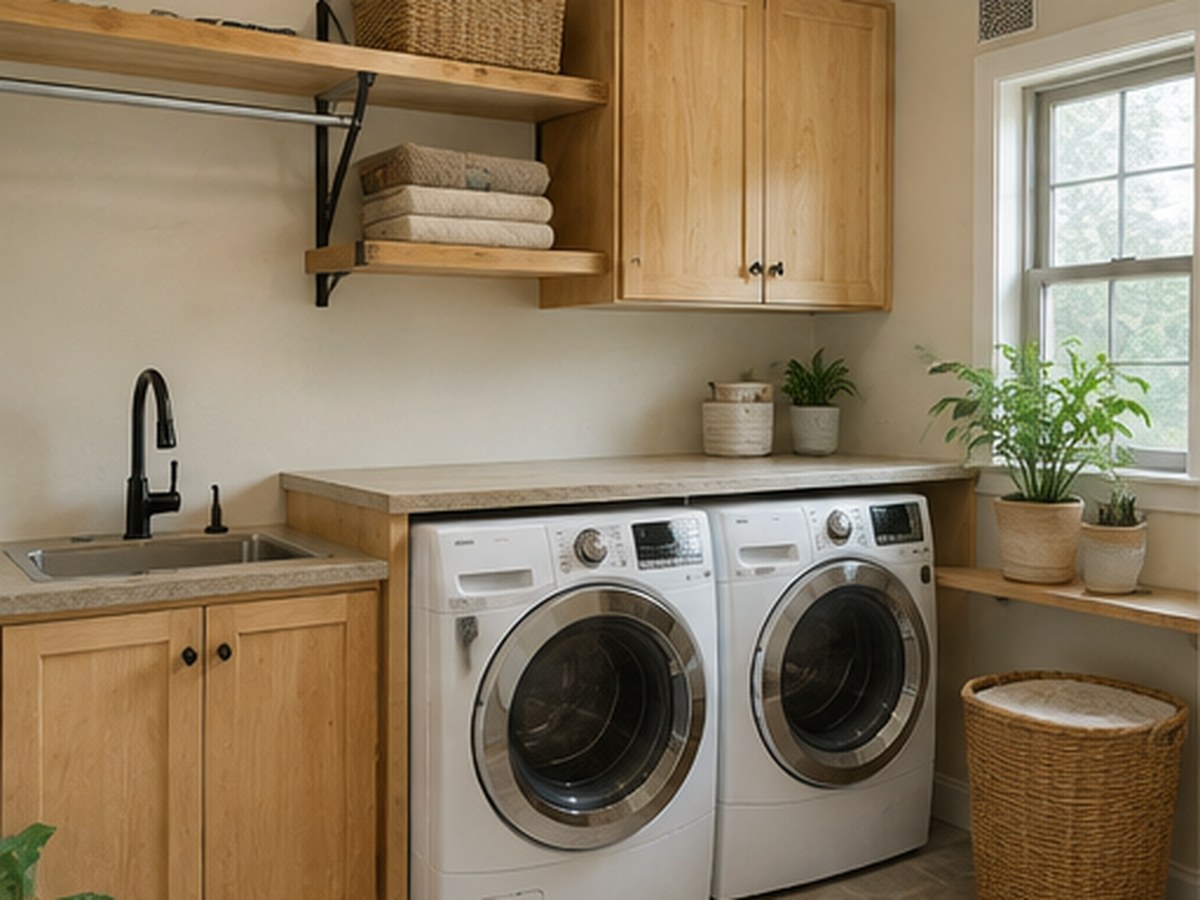
Laundry and utility room storage
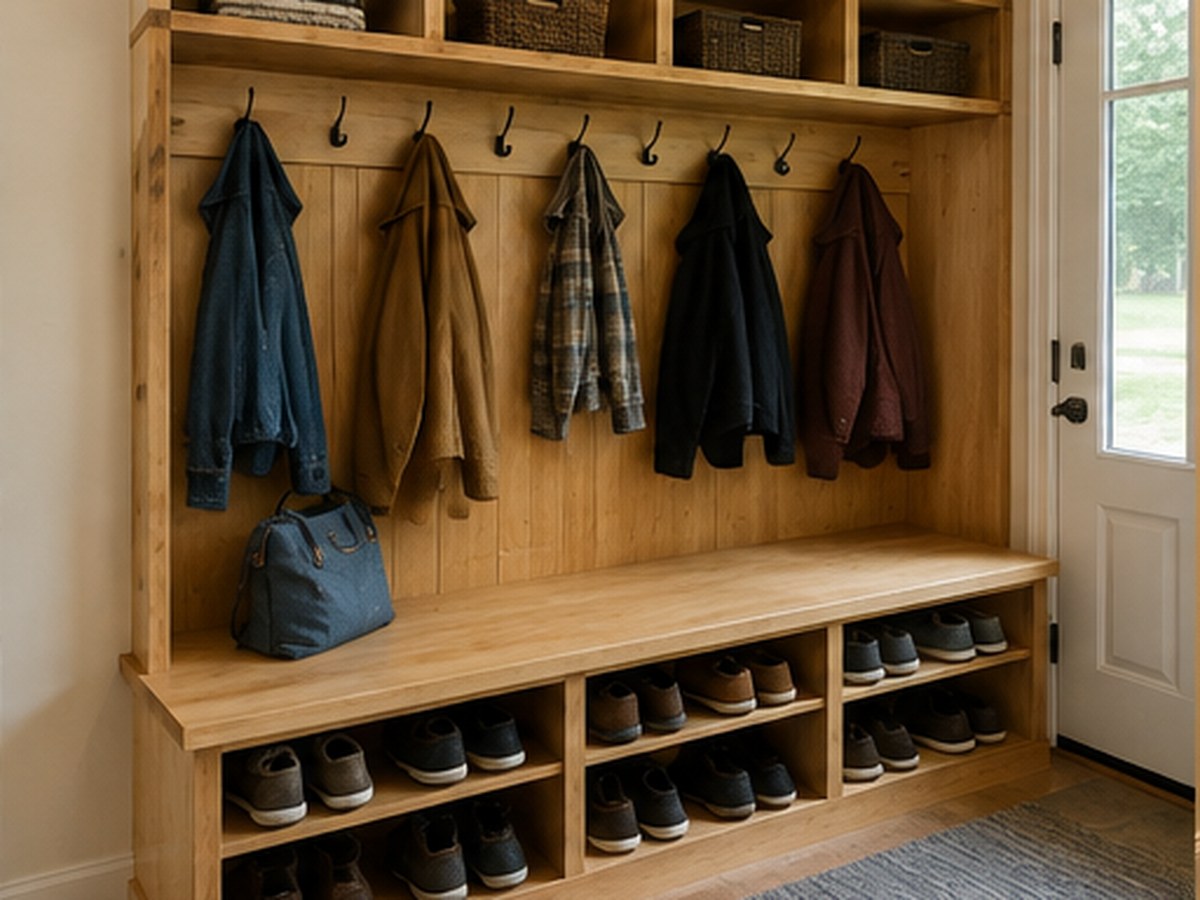
Mudroom benches, hooks, and cubbies
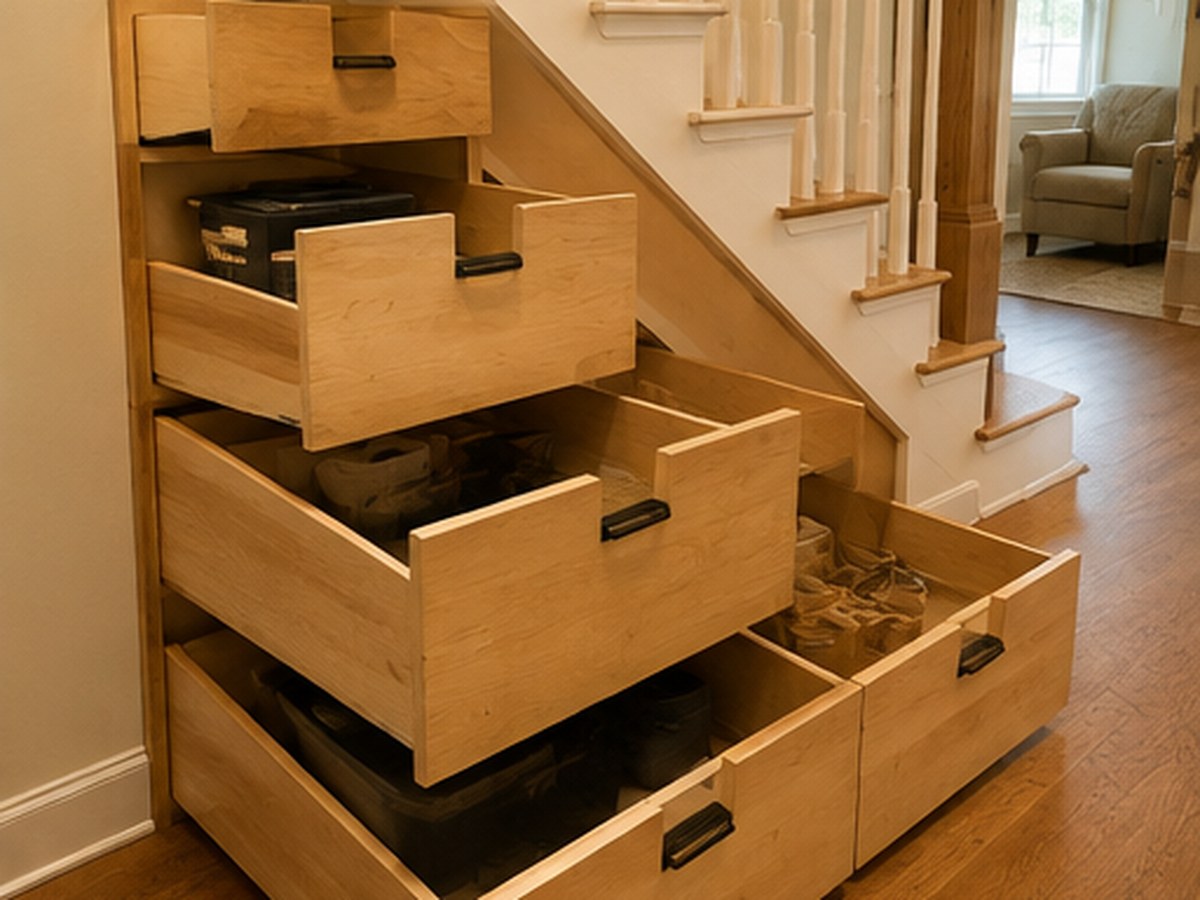
Under-stair storage and pull-outs
Why Choose Mackwood Construction?
What you get when Mackwood does your shelving & storage — and what we won't do.
Free written quote, itemised before anything starts
We get underneath and look properly before quoting — not from the kerb
We'll tell you straight if a repair isn't worth doing
Based in Williamson — Mingo and Logan counties, about an hour out
Straight answers on permits, which differ either side of the county line
Built for this climate: drainage, flashing and ground contact done right
From first call to finished work — no surprises in between.
Step 1
Tell us about the project
Call, text, or send a message with what you're looking to build or repair. No form to fill in and no call centre — it comes straight to us, and you'll get a real answer about whether it's something we do.
Step 2
Send photos or schedule a look
A few photos are often enough to tell us what we're dealing with. Where it isn't — anything structural, anything hidden underneath — we'll come out and look properly before quoting rather than guessing from the kerb.
Step 3
Get a clear quote
You get a written quote that itemises the work, so you can see what you're paying for and what you aren't. If we think part of it isn't worth doing, we'll say so. No pressure and no surprises at the end.
Step 4
We build it right
We turn up when we said we would, work clean, and haul the offcuts away with us. The job gets built to last in this climate — and we'll walk it with you before we call it finished.
Not sure what yours needs?
We'll come and look, then tell you straight — including if it isn't worth doing.
Shelving & Storage in Williamson, WV — common questions
Straight answers to what we get asked most.
How much does custom shelving cost in West Virginia?
Shelving is among the more affordable carpentry there is. A reach-in closet reworked with a double-hang and a shelf stack is a small job. A walk-in with drawers and doors is several times that. We quote in writing after measuring.
How long does a closet take?
A straightforward reach-in closet is often a half day to a day. Walk-ins and anything with drawers run longer. We'll give you a window with the quote.
How deep should pantry shelves be?
Shallower than most people expect — 8 to 12 inches. Deep shelves hide their back row permanently. In a narrow pantry, shelving down both sides beats one deep run on the back wall.
Will custom shelving hold more than a kit?
Structurally yes, because it's fastened into studs and sized for the load rather than anchored into drywall. Practically yes too, because it uses the full width and height instead of stopping where the kit ends.
Can you build shelving in a garage or basement?
Yes, and it's good value because it doesn't need a fine finish. Load capacity is the priority. In a basement we keep everything up off the slab, since anything sitting on concrete here will find moisture eventually.
What can be done with the space under my stairs?
Usually more than people think. Pull-out drawers from the side use it best, since they bring the contents to you. Doors into the deeper section work too. It's fiddly to build because every drawer follows the stair line, but it recovers real space.
Do you build adjustable shelves?
Yes, and in most rooms it's worth the small extra cost. What you store changes over the years, and fixed shelves lock you into today's decision.
Can you add shelving without damaging the walls?
There will be fixings into the studs, which means small holes if it ever comes out. That's the trade for shelving that holds weight. We patch cleanly if we're removing something existing.
Should I use wire shelving instead?
Wire is cheap, ventilates well, and is genuinely fine in a linen closet or a utility space where nothing heavy is going on it. It sags under books and tools, small items tip through the gaps, and it won't fit an out-of-square opening without leaving a gap at one end. For anything carrying real weight or on show in a living space, built is better.
Do you do the shelving and storage West Virginia rental properties need?
Yes. For rentals we build simple and durable — painted plywood, fixed shelves, no fragile hardware. It costs less than a finished built-in and stands up to turnover.
How far apart should shelf supports be?
Under 30 inches is comfortable for most household loads. Between 30 and 48 you want a solid front edge or thicker stock if it's holding books. Past 48 inches, add a centre support regardless of material — span matters far more than thickness for sag.
Can you convert a closet into something else?
Often, yes. A shallow closet can become a desk nook, a coffee bar, or open shelving, and an unused one under the stairs can become drawers. Whether the doorway can be widened depends on whether the wall is carrying load, which we check first.
What shelving & storage in Williamson actually involves
Most people are buying a result, not a list of tasks. Pick a topic to see how shelving & storage actually gets done and what moves the number.
More on shelving work
Mackwood Construction builds the shelving and storage WV homeowners can't buy in a kit, because the spaces aren't kit-sized. It is the shelving and storage West Virginia houses of this age need — measured to the wall that is there rather than the one a kit assumed.
Why kits don't fit
Wire and melamine kits are designed for a closet that's a standard width with square corners and a level floor. Almost no closet in a house built before 1950 meets that description.
What happens is the kit gets cut down, the end doesn't quite meet the wall, and there's a gap at one side that becomes the place where single shoes go to be lost. The shelf sits at whatever height the kit's holes allow rather than the height your things need. And the whole thing is anchored into drywall, so it sags under a season's worth of use.
Building to the space costs more and solves all three. Shelves land where they're useful, the ends meet the walls, and the whole thing is fastened into structure.
Closets
The single cheapest storage upgrade in most houses is a closet with two hanging rods instead of one. A standard closet has a rod at around 66 inches with a shelf above it and roughly three feet of dead air underneath every shirt.
Splitting that into a double-hang section — two rods, one above the other — roughly doubles the hanging capacity of that section, and it's a job measured in hours rather than days.
Pantry and kitchen storage
Pantries fail for the opposite reason to closets — the shelves are usually too deep. A 24-inch pantry shelf holds three rows of cans, and you will never see the back row again.
Shallow shelving, 8 to 12 inches, means everything is visible at once. In a narrow pantry that means running shelves down both sides rather than one deep run on the back wall. It sounds like less storage and works out to considerably more, because you actually use all of it.
In kitchens without a pantry, the usable space is normally a run of wall that's carrying nothing. Open shelving or a shallow cabinet there is cheap and it takes pressure off the cupboards.
Garages, basements, and workshops
Utility storage has a different brief: it needs to be strong, and it doesn't need to be pretty. That makes it some of the best value work we do.
The main thing is load. Garage shelving holds paint, tools, and boxes that are far heavier than household items, so span and thickness get sized for it, and everything gets fastened into studs. Freestanding steel racks are a fine alternative and we'll say so if that's the better buy — but they waste the corners and they don't go where the wall is irregular.
In a basement, keeping shelving up off the floor matters. Anything sitting directly on a concrete slab in this valley will find moisture eventually, so we stand utility shelving on feet or hang it off the wall rather than letting it sit on the slab.
Under the stairs
Under-stair space is the biggest single volume of wasted room in a typical house here, and it's almost always either a closed void or a closet with a door too small to use it properly.
The options are a run of drawers pulling out from the side, a series of doors into the deeper section, or a small room if the headroom allows. Drawers use the space best because they bring the contents out to you rather than making you crawl in.
It's fiddly work — every drawer is a different height following the stair line — which is why it's rarely done and why it's satisfying when it is.
Span, load, and why shelves sag
A sagging shelf is the most common storage complaint, and it's a maths problem rather than a materials one. What matters is span — the unsupported distance between supports — and it matters far more than thickness.
Books are the usual culprit because people underestimate the weight. A four-foot run of hardbacks is heavier than most people would guess, and three-quarter-inch material over that span will bow visibly within a year. The fixes are straightforward once you know: shorten the span with a centre divider, add a solid front edge on-edge to stiffen the board, or go to thicker stock.
We size for what's actually going on the shelf rather than a default. If you tell us it's holding paperbacks, we'll build lighter than if you tell us it's holding tools or canned goods, and you'll pay accordingly.
What's involved
Under 30 inches — most materials cope with normal household loads
30 to 48 inches — needs a front edge or thicker stock for books
Over 48 inches — wants a centre support regardless of material
Garage and workshop loads — assume heavier and build accordingly
Adjustable shelves span slightly less than fixed ones
Materials
Painted plywood with a solid front edge is the default for household shelving. The front edge is what stops a shelf looking thin and what stops it bowing over a long span.
For garages and basements we'll often use heavier stock and skip the finish beyond a coat of primer. For anything on show, poplar or a hardwood edge with a painted or stained finish.
What we avoid is melamine-faced particle board, which is what most kits are. It sags under load, and once the facing chips, the core takes on moisture and swells.
What drives the cost
Shelving is one of the more affordable things we do, and the variables are simple.
What's involved
Linear feet of shelving and number of levels
Fixed shelves against adjustable
Whether there are doors, drawers, or pull-outs
Painted, stained, or primed only
Utility grade against finish grade
How out of square the space is
Whether existing shelving has to be removed and the wall patched
Before you call
Worth having ready, though we'll measure at the visit.
What's involved
Rough dimensions of the space, including height
A photo with the door open, showing the whole opening
What's going in there and roughly how much of it
Whether you want doors or open shelving
Whether anything is currently in there that has to come out
Where we work
We're a shelving and storage contractor based in Williamson, working across Mingo and Logan counties within about an hour — Delbarton, Matewan, Logan, West Logan, Holden, Chapmanville, Man, and the smaller communities between them. West Virginia only.
If you searched shelving and storage near me and found closet franchises quoting whole-house systems, we're the other option. One closet is a normal job, and it's often a half-day.
Get a free quote for shelving & storage
Tell us what you're building or repairing and get a clear, no-pressure quote. Free quotes, honest answers, and craftsmanship built to last.