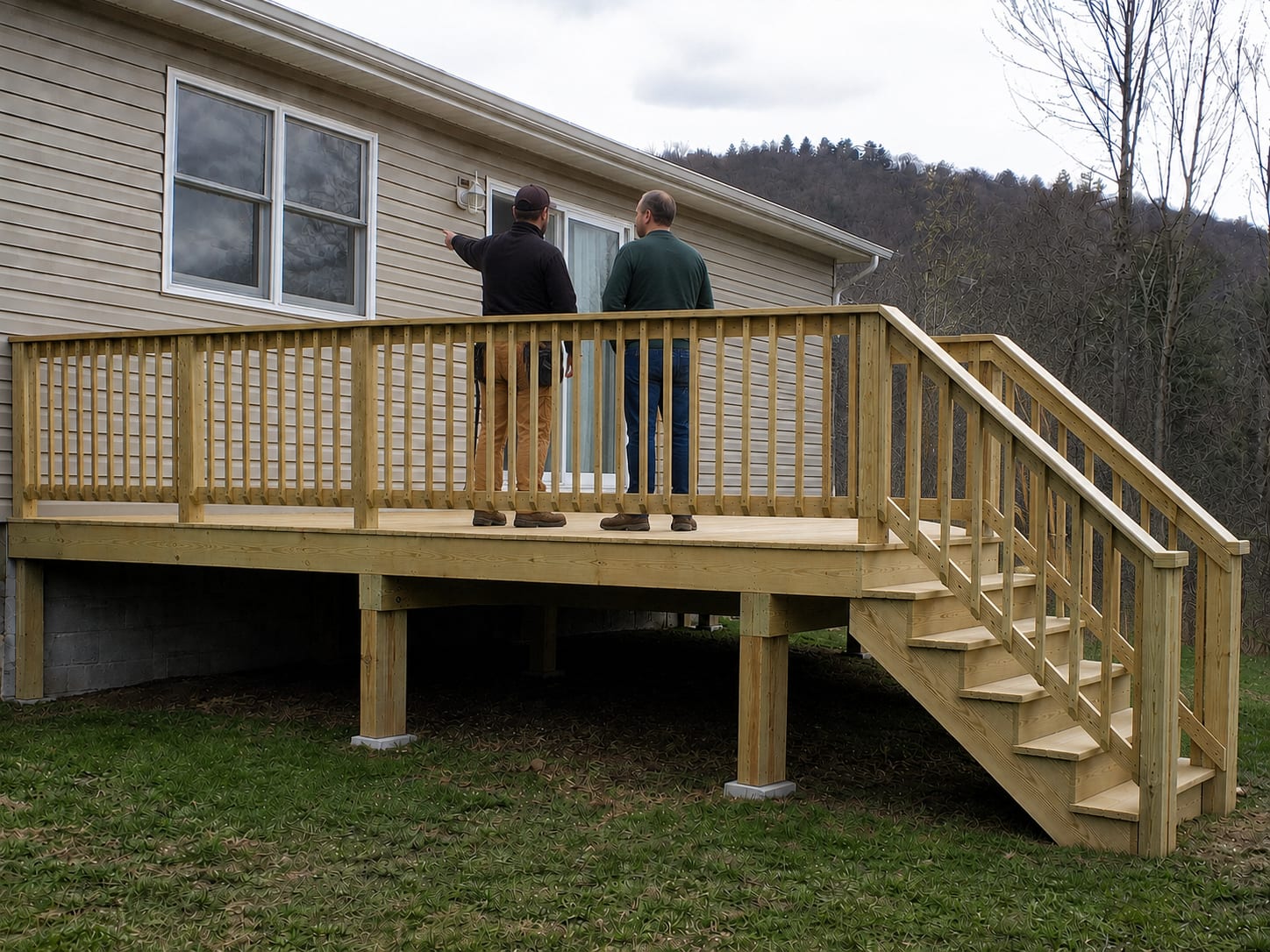
A large share of Man's housing dates from the rebuilding after 1972 rather than from the coal-camp era, so the trim in these houses is 1970s work now fifty years old. That is its own set of decisions, and they are not the ones the older towns face.
Had them out after the back steps started going soft underfoot. He came and looked properly before quoting anything, and told me the structure underneath was still sound — so it ended up a smaller job than I had braced myself for. Turned up when he said he would, cleaned up after himself, and the price at the end was the price we agreed. Not much more you can ask for.
Owner replied
S
Skyler White
9 months ago
Called on a Tuesday and had someone out the same week. What I appreciated most was being told straight what needed doing now and what could safely wait until spring. No pressure and no trying to talk me into the bigger version of the job. It has held up fine through the winter since.
T
Trevor Alford
2 months ago
The quote came through itemised and the final bill matched it, which has honestly not been my experience with everyone around here. They worked around an awkward driveway without once making it my problem, and left the place tidier than they found it. Would have them back.
K
Kaleb Withrow
3 weeks ago
Fair price, showed up on time, tidy work. No complaints.
See something like yours?
Send a few photos and we'll tell you what it'll take — free written quote, no pressure.
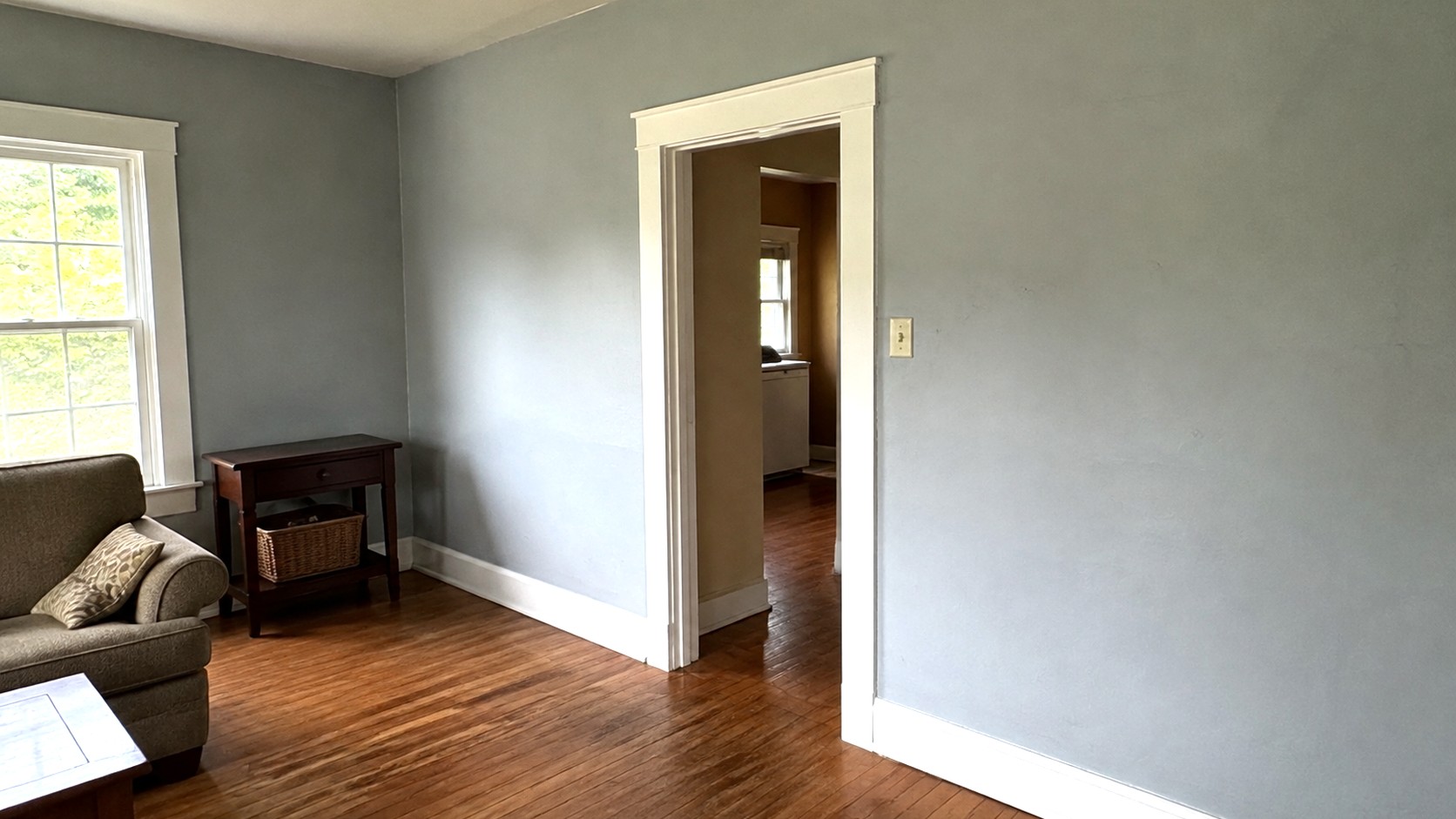
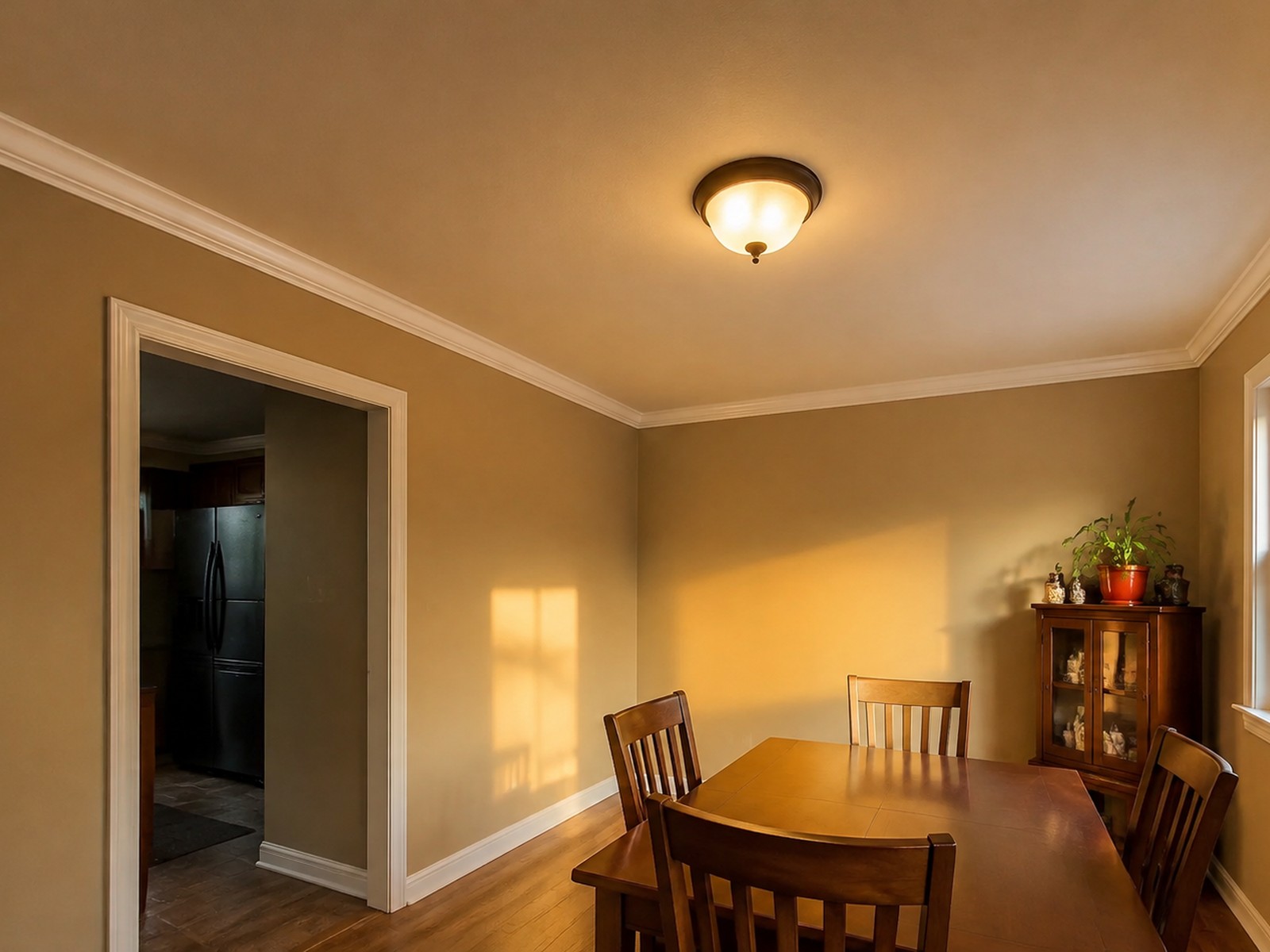
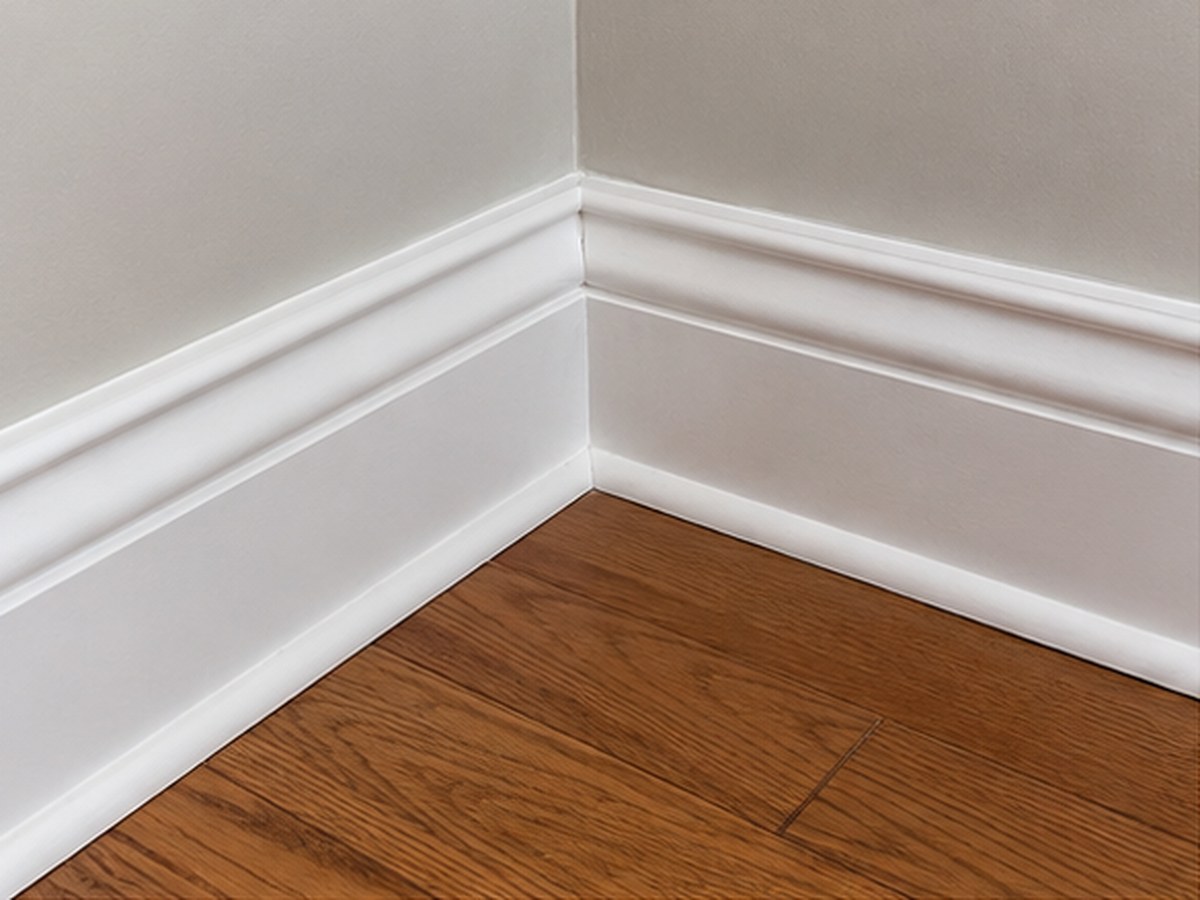
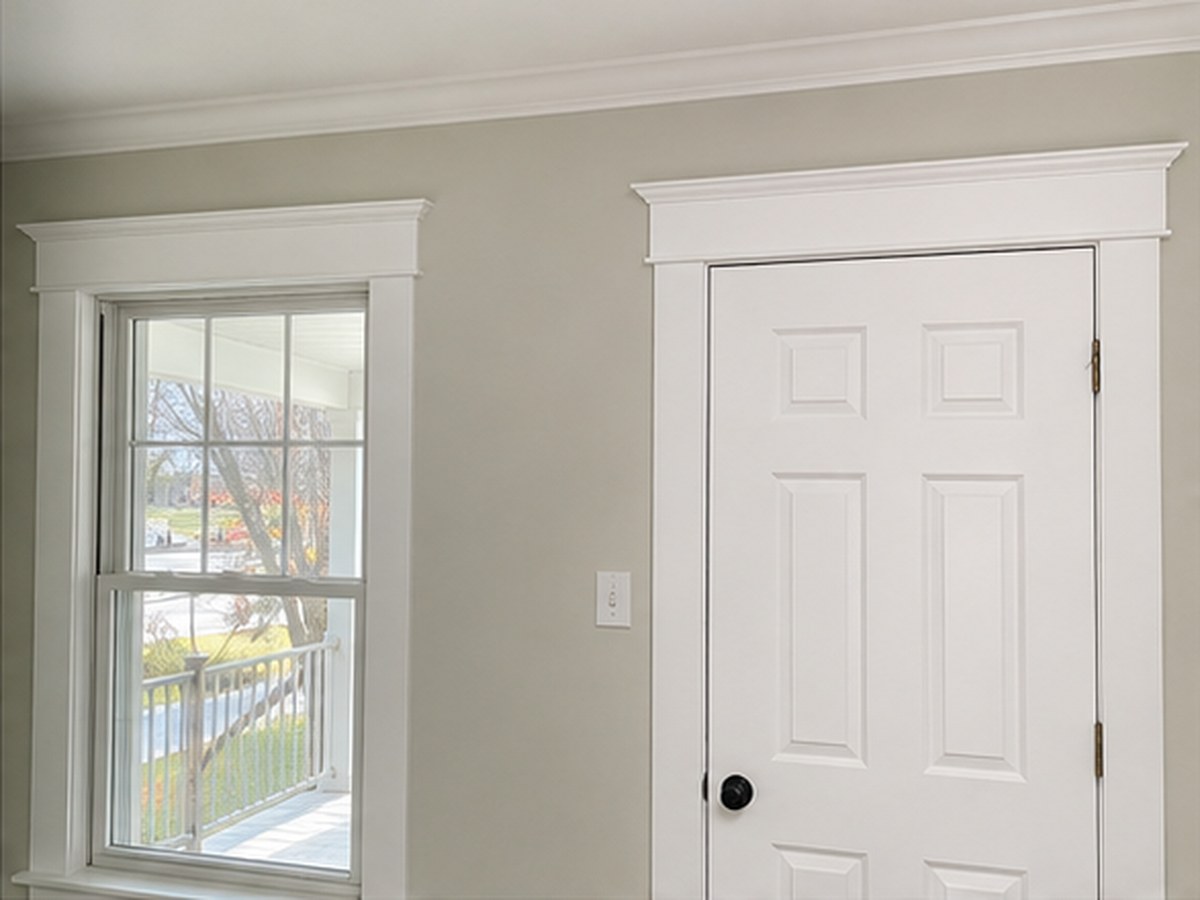
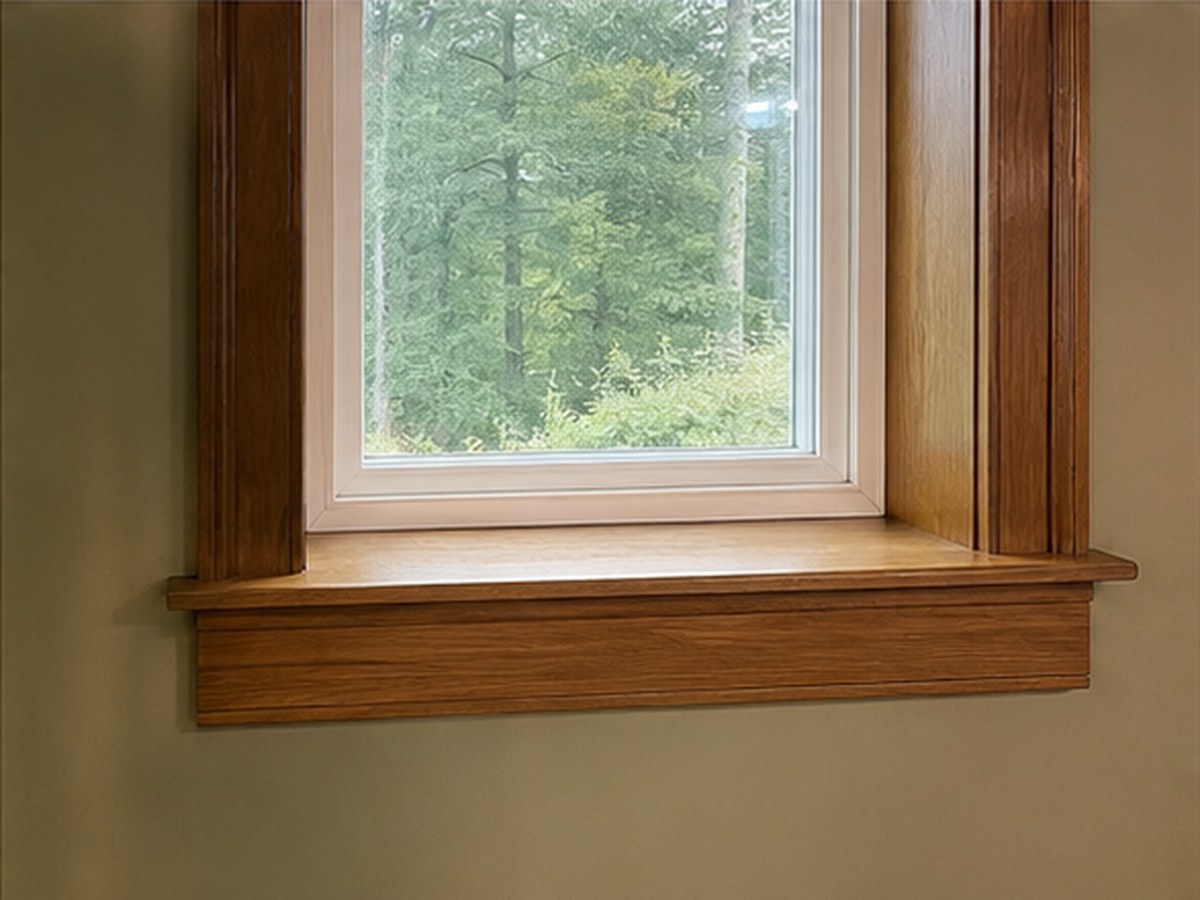
Trim from that period is usually dark-stained ranch casing, a short colonial base, and hollow-core doors with matching jambs. Structurally it is generally fine — it has not rotted, it has not moved, and there is nothing wrong with it except that it makes the rooms darker and smaller-feeling than most people now want.
Painting existing 1970s stained trim rather than replacing it
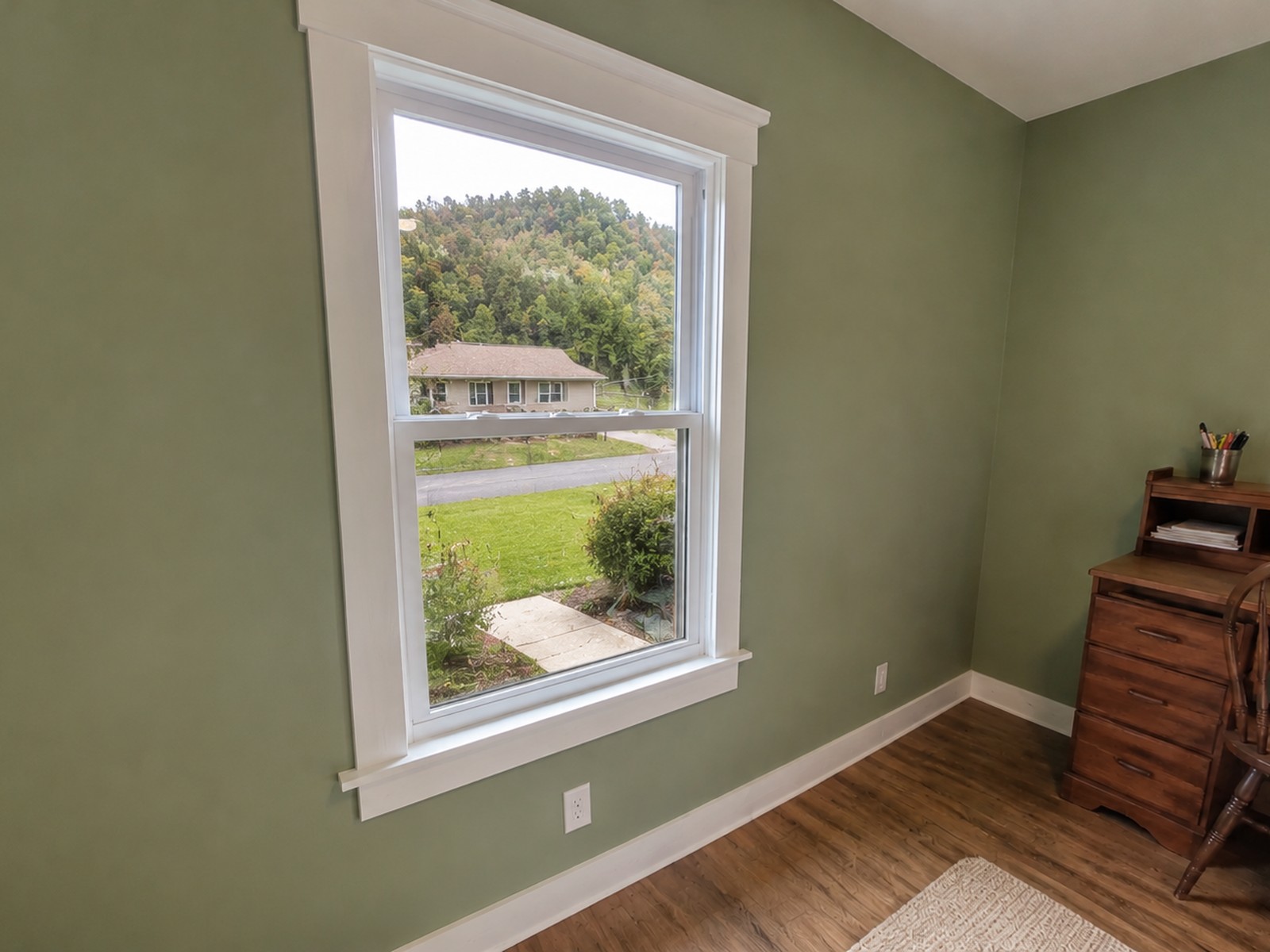
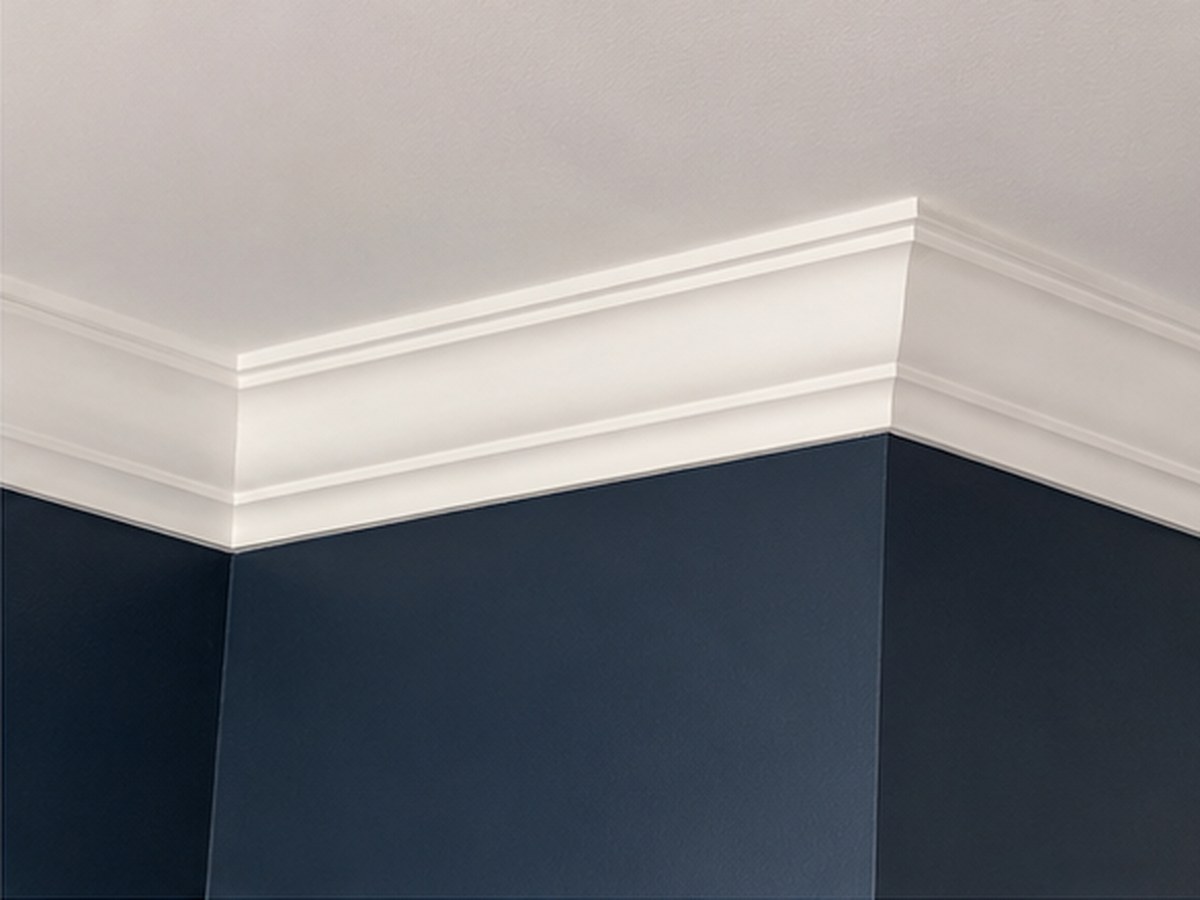
Replacing ranch casing and colonial base with current profiles
Re-casing when doors are being changed anyway
Matching 1970s profiles, which are largely still stocked
Trim in additions built since the original house
Why Choose Mackwood Construction?
What you get when Mackwood does your interior trim — and what we won't do.
Free written quote, itemised before anything starts
We get underneath and look properly before quoting — not from the kerb
We'll tell you straight if a repair isn't worth doing
Based in Williamson — Mingo and Logan counties, about an hour out
Straight answers on permits, which differ either side of the county line
Built for this climate: drainage, flashing and ground contact done right
From first call to finished work — no surprises in between.
Step 1
Tell us about the project
Call, text, or send a message with what you're looking to build or repair. No form to fill in and no call centre — it comes straight to us, and you'll get a real answer about whether it's something we do.
Step 2
Send photos or schedule a look
A few photos are often enough to tell us what we're dealing with. Where it isn't — anything structural, anything hidden underneath — we'll come out and look properly before quoting rather than guessing from the kerb.
Step 3
Get a clear quote
You get a written quote that itemises the work, so you can see what you're paying for and what you aren't. If we think part of it isn't worth doing, we'll say so. No pressure and no surprises at the end.
Step 4
We build it right
We turn up when we said we would, work clean, and haul the offcuts away with us. The job gets built to last in this climate — and we'll walk it with you before we call it finished.
Not sure what your interior trim needs?
We'll come and look, then tell you straight — including if it isn't worth doing.
Paint it if the profiles are sound — it is a fraction of the cost and it changes the room considerably. Replace it if you want a current profile, or if the doors are being changed anyway, because then half the labour is already in the job.
Can you match the trim in the rest of my house?
Usually straight off the shelf. Ranch casing and colonial base from that era are close to profiles still sold, so partial work is realistic here in a way it is not in the older towns.
Do you work on 1970s houses, or just the old ones?
Both, and a lot of Man's housing is exactly that. Fifty-year-old construction has its own list, and trim is one of the cheaper items on it.
How soon could you get out for a quote?
Man is the furthest point we cover, so we group quote visits rather than driving out for a single look. Usually a few days rather than same-week, and we will tell you the timing when you call.
Is Man inside your service area?
Yes, at the edge of it — about fifty-five minutes from Williamson. We cover it, but we schedule it as a full day rather than fitting it around other work.
My house is from the 1970s, not the coal-camp era. Do you work on those?
Yes, and a lot of Man's housing is exactly that. Fifty-year-old construction has its own list — original decks and porches at the end of their life, exterior trim due for replacement, and framing details of a period that were normal then and aren't now.
How long does it take you to get out for a quote?
We'll be straight about it — Man is the furthest point we cover, so we group visits here rather than driving out for a single look. That usually means a few days rather than same-week, and we'll tell you the timing when you call.
Most people are buying a result, not a list of tasks. Pick a topic to see what we look at before quoting in Man.
More on interior trim work in Man
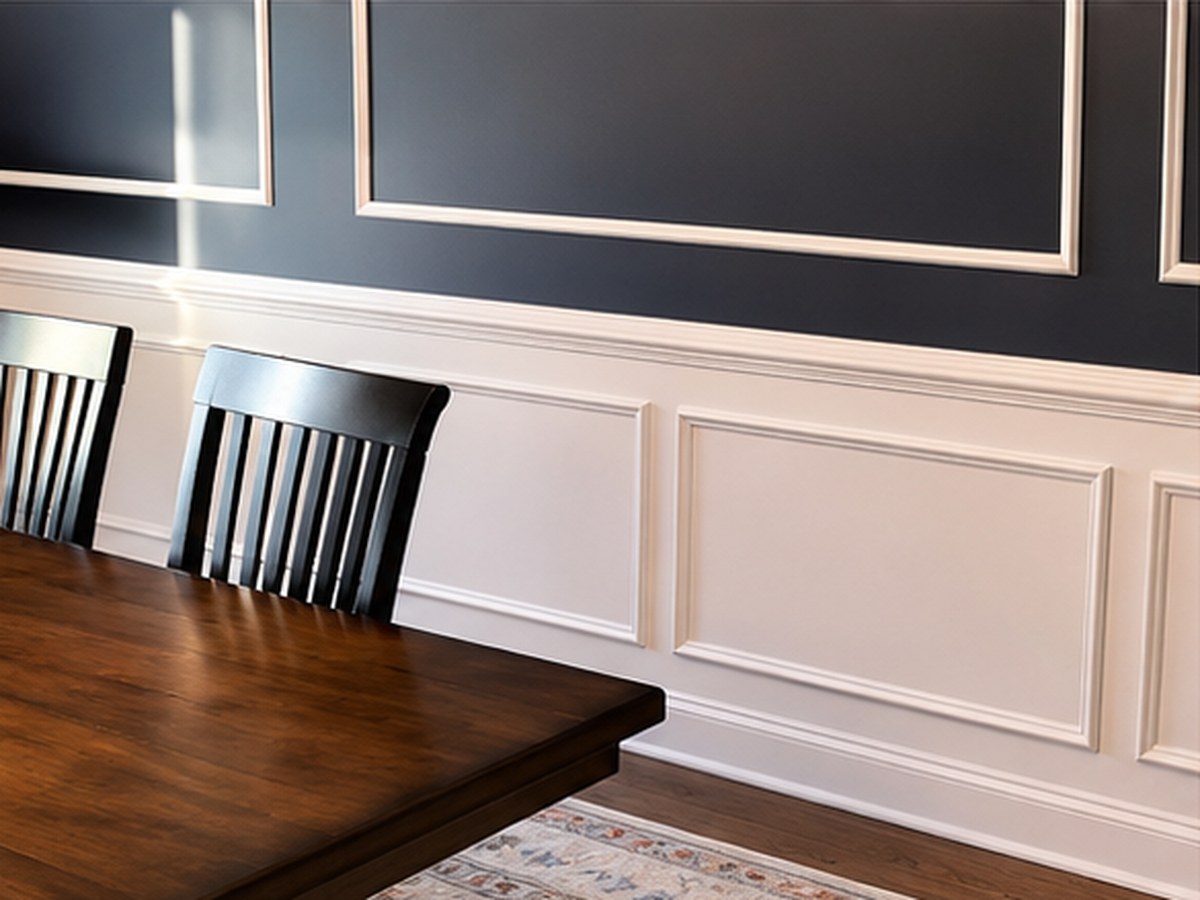
So the question is not repair, it is whether to paint it, replace it, or leave it. Painting is by far the cheapest and works well if the profiles are sound: clean, de-gloss, prime properly, and finish. Replacing gets you a current profile and a different room, and it costs several times as much.
Where we would push toward replacing is when the doors are being changed anyway, because the casing and jambs are coming off regardless and half the labour is already in the job.
Matching this era is the easy case
If you only need a few rooms done, matching is much simpler here than in the coal-camp towns. Ranch casing and colonial base from that period are close to profiles still sold today, so a match is usually a stock item rather than a milling job.
That changes the economics. Where a hundred-year-old profile makes partial work awkward and pushes people toward doing a whole floor, a 1970s profile lets you do one room at a time and have it still read as one house.
It is worth confirming the match before ordering rather than after, because the near-misses in that family of profiles are close enough to look wrong without being obviously different.
Planning the visit
Man is the far edge of what we cover — roughly fifty-five minutes from Williamson, US-119 to WV-10. It is inside the hour, but only just, so we plan a full day here rather than fitting it around other work, and we make sure the material is right before leaving.
For trim that means confirming the profile and the quantities carefully at the quote. A missing length is a longer problem here than anywhere else on our list.
Up the Buffalo Creek hollow the road narrows and properties sit close to it, which limits staging room. It affects how the day runs rather than what the work costs.
Homes around Man
Man sits where Buffalo Creek meets the Guyandotte, and its housing has an age profile that is genuinely different from the rest of the county. Along the Buffalo Creek hollow a large share of the homes date from the rebuilding after the 1972 flood rather than from the coal-camp era, so instead of hundred-year-old pier-built houses there is a lot of 1970s construction now reaching fifty years old. That is its own set of problems — original decks and porches at the end of their service life, and framing and trim of a period that used materials we no longer would.
What we see locally
Two creeks meeting in a narrow valley means water is the defining condition here, and the community's history with it needs no explanation from us. Practically, the work it produces is what long-term exposure does to structures on low ground: rot in the framing closest to the ground, porches and steps that have taken decades of wetting, and additions built at different times with different levels of protection underneath. The 1970s housing is also now at the age where its original exterior woodwork is due, whether or not it has ever been wet.
Getting to the job
Man is the far edge of what we cover — roughly fifty-five minutes from Williamson, US-119 to WV-10. It is inside the hour, but only just, so we plan a full day here rather than a half and we make sure the material is right before leaving. Up the Buffalo Creek hollow the road narrows and the properties sit close to it, which limits staging room.
Get a free quote for interior trim in Man
Tell us what you're building or repairing and get a clear, no-pressure quote. Free quotes, honest answers, and craftsmanship built to last.