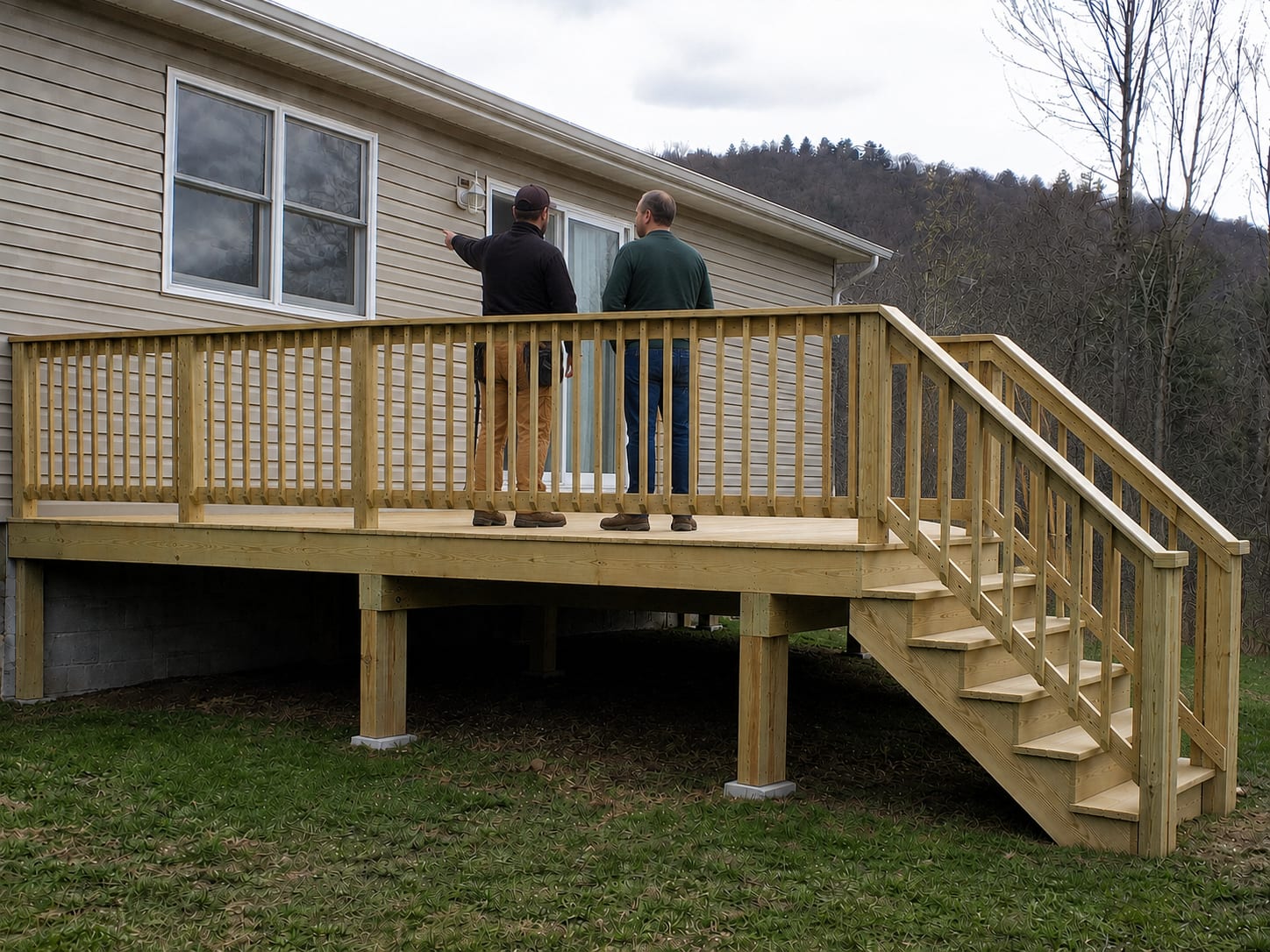
A new porch in Matewan is a small structure built under real constraints. Lots are narrow, houses sit tight to the street, and the historic core means what goes on the front of a building is worth getting right the first time.
Had them out after the back steps started going soft underfoot. He came and looked properly before quoting anything, and told me the structure underneath was still sound — so it ended up a smaller job than I had braced myself for. Turned up when he said he would, cleaned up after himself, and the price at the end was the price we agreed. Not much more you can ask for.
Owner replied
S
Skyler White
9 months ago
Called on a Tuesday and had someone out the same week. What I appreciated most was being told straight what needed doing now and what could safely wait until spring. No pressure and no trying to talk me into the bigger version of the job. It has held up fine through the winter since.
T
Trevor Alford
2 months ago
The quote came through itemised and the final bill matched it, which has honestly not been my experience with everyone around here. They worked around an awkward driveway without once making it my problem, and left the place tidier than they found it. Would have them back.
K
Kaleb Withrow
3 weeks ago
Fair price, showed up on time, tidy work. No complaints.
See something like yours?
Send a few photos and we'll tell you what it'll take — free written quote, no pressure.
There is very little buildable ground here between the Tug Fork and the hillside, and it shows in the lots. Most porch work is on the front of the house, on the street, with no room to either side and no driveway to stage from.
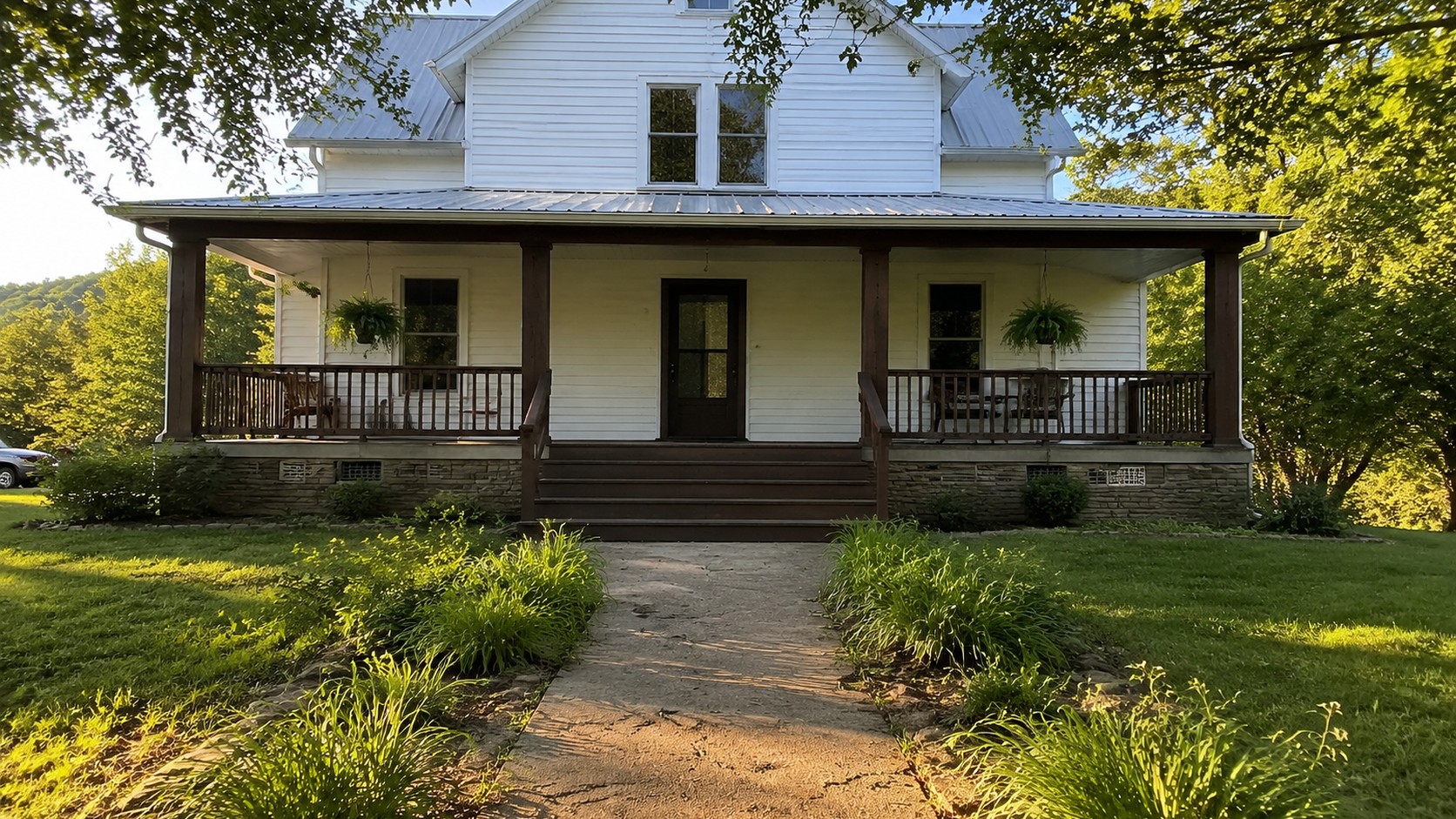
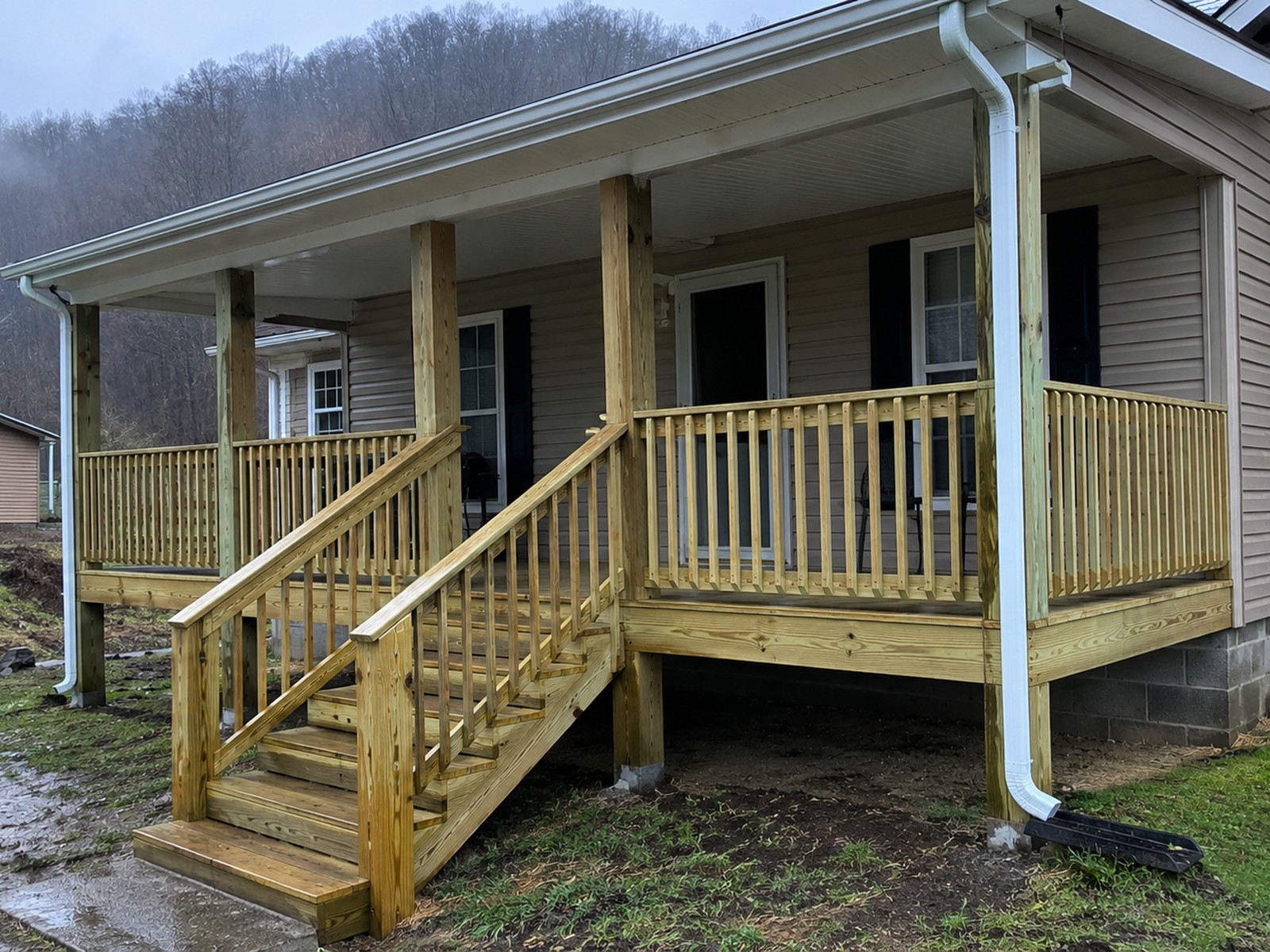
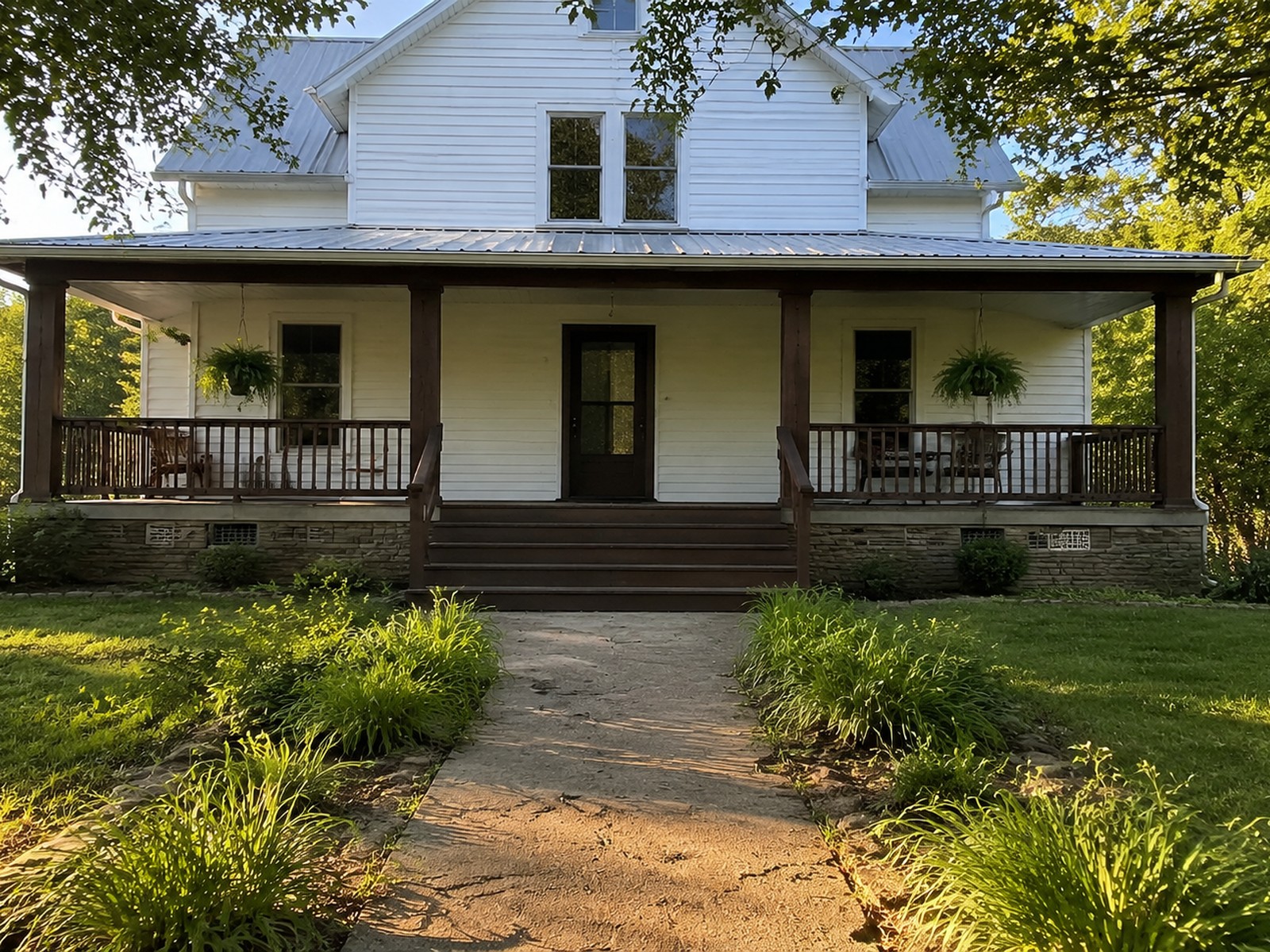
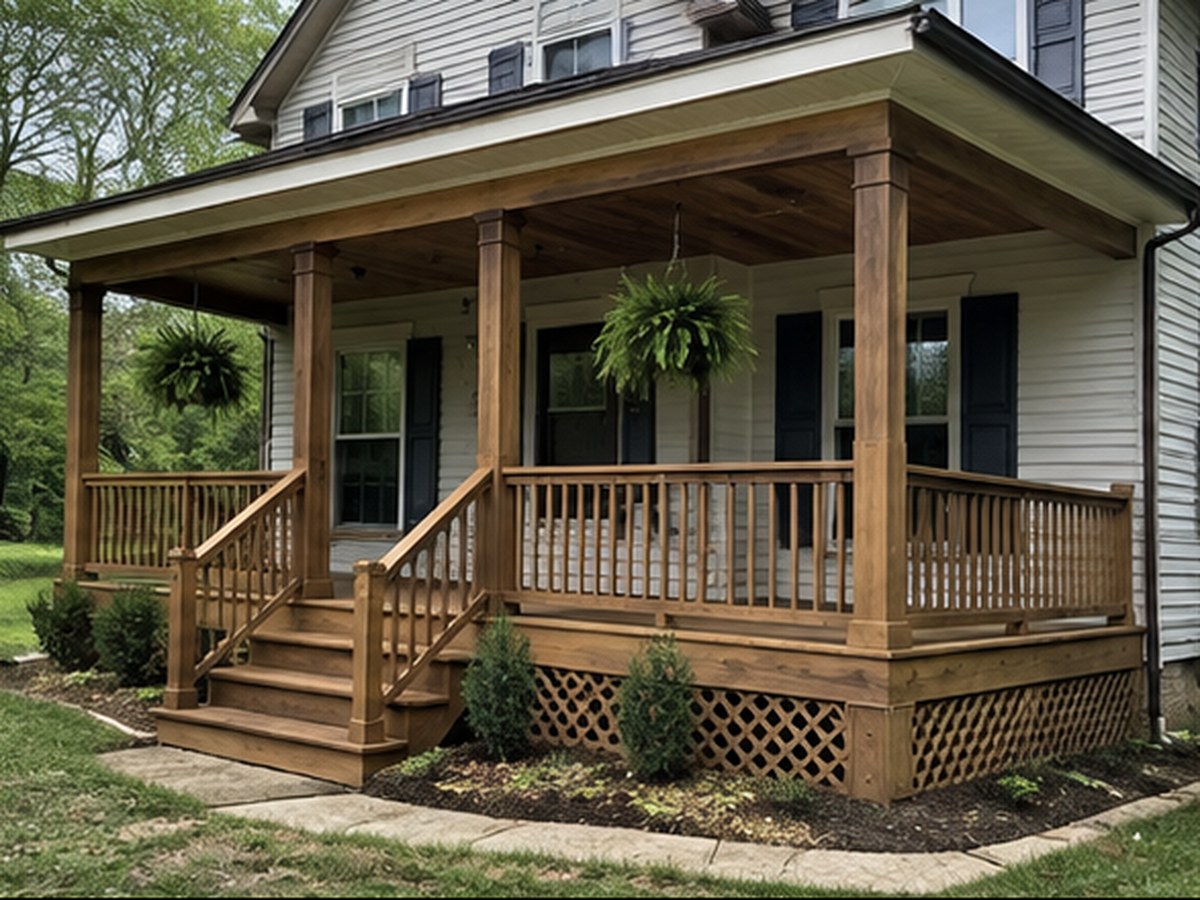
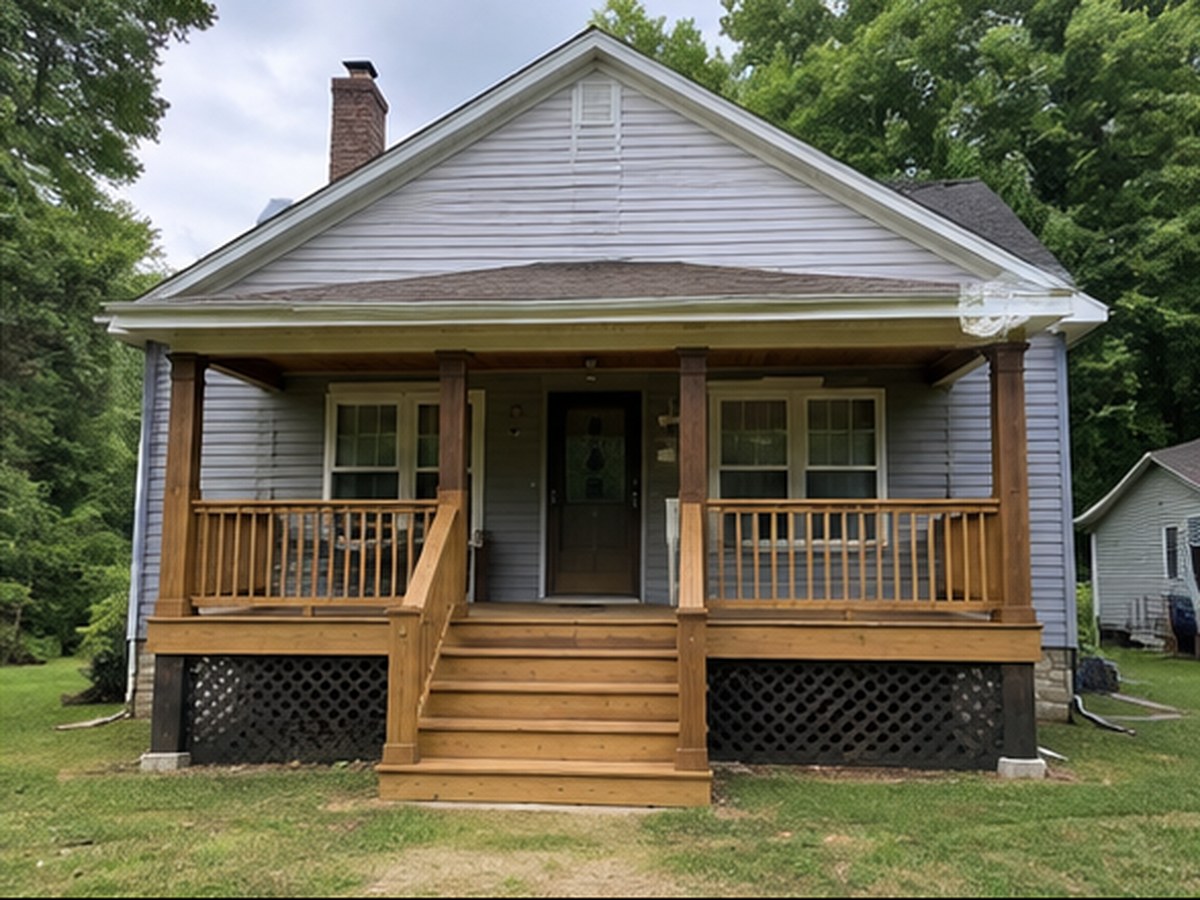
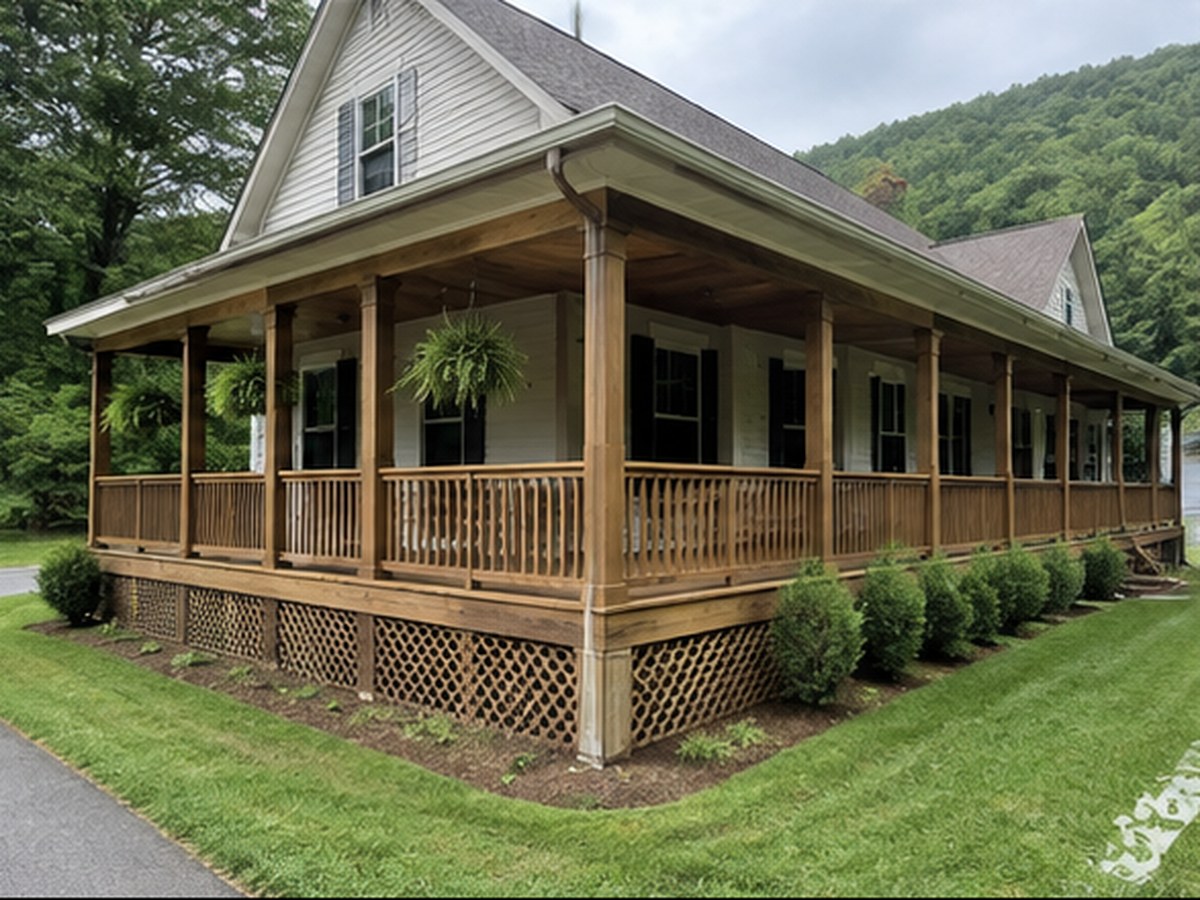
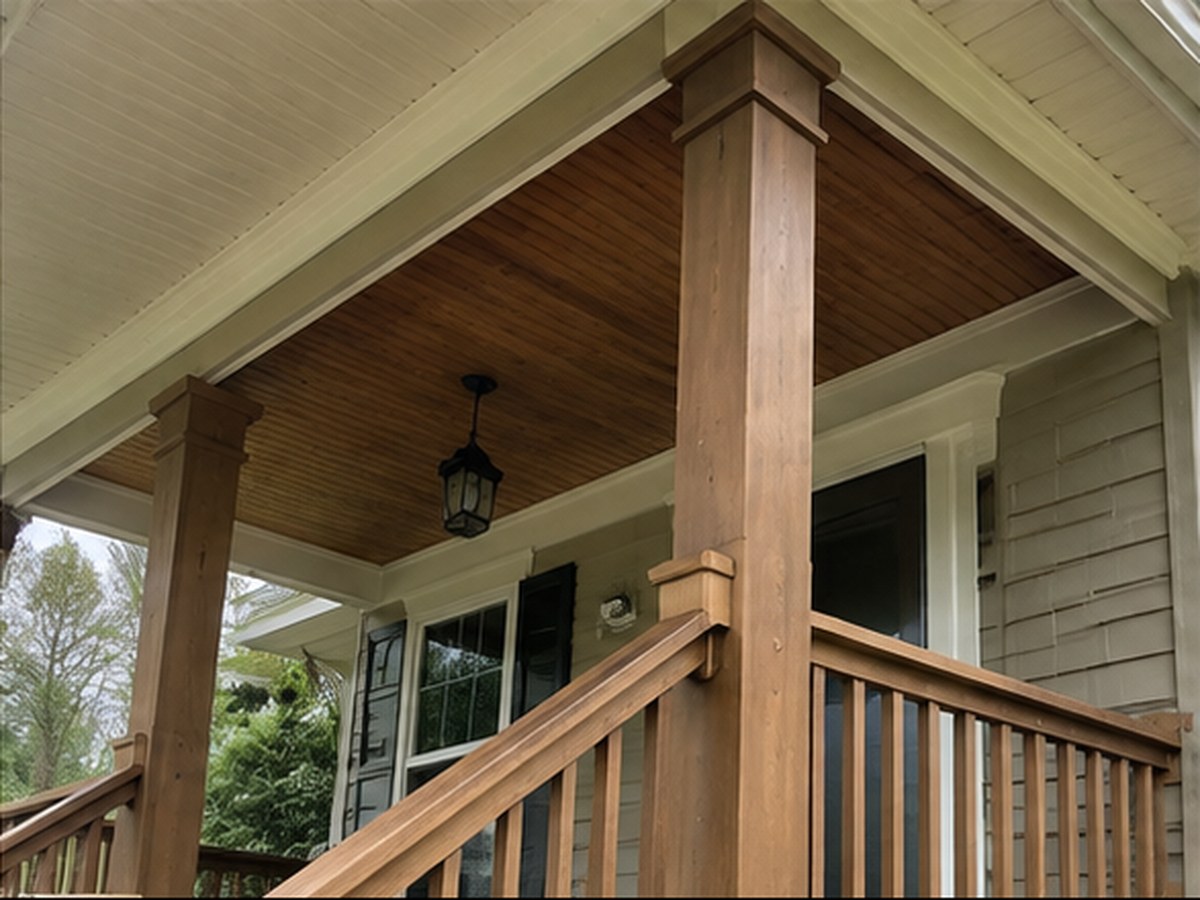
New front porches on the original pattern
Full rebuilds where the existing structure is past repair
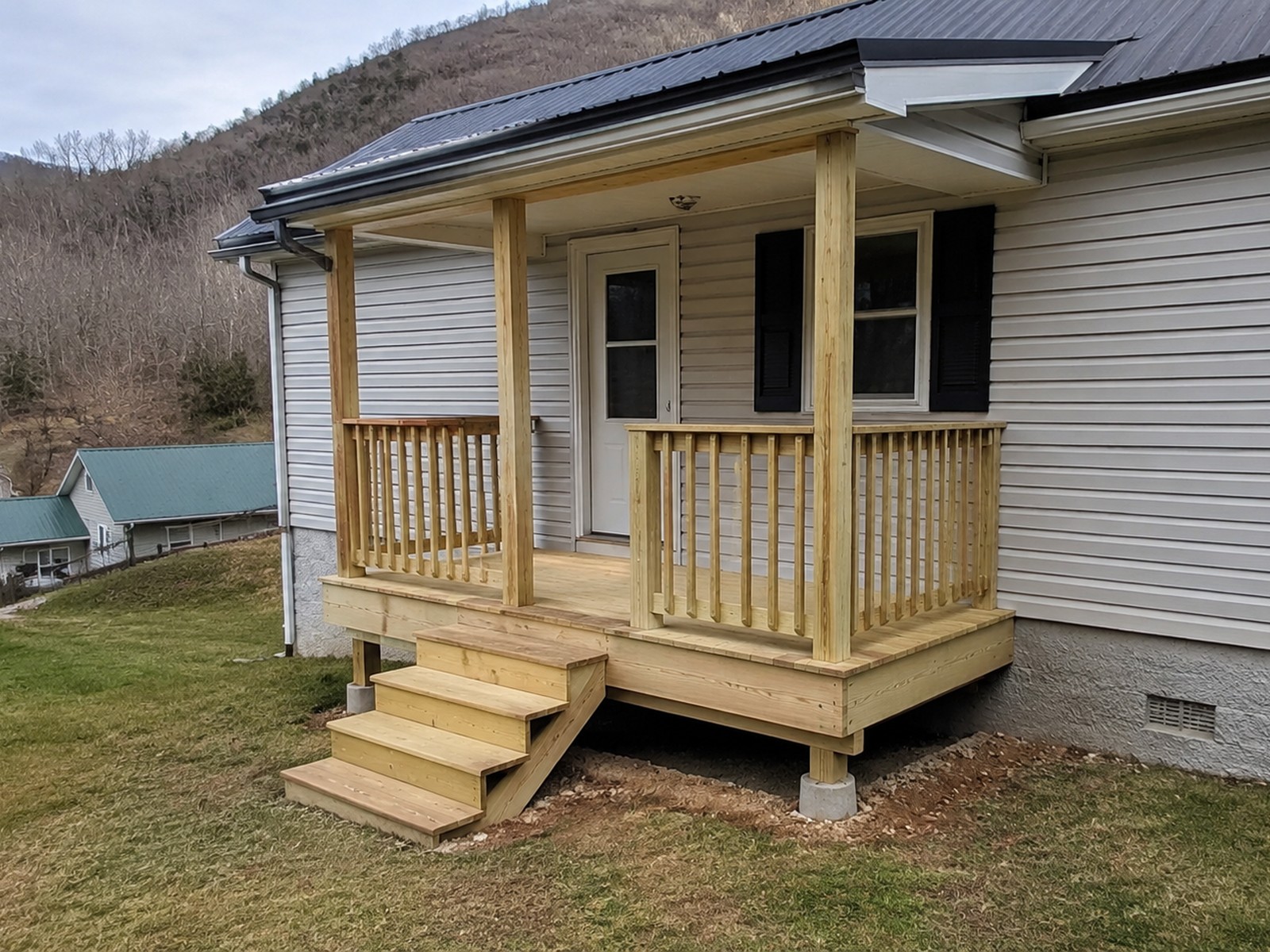
Compact rear porches and covered entries
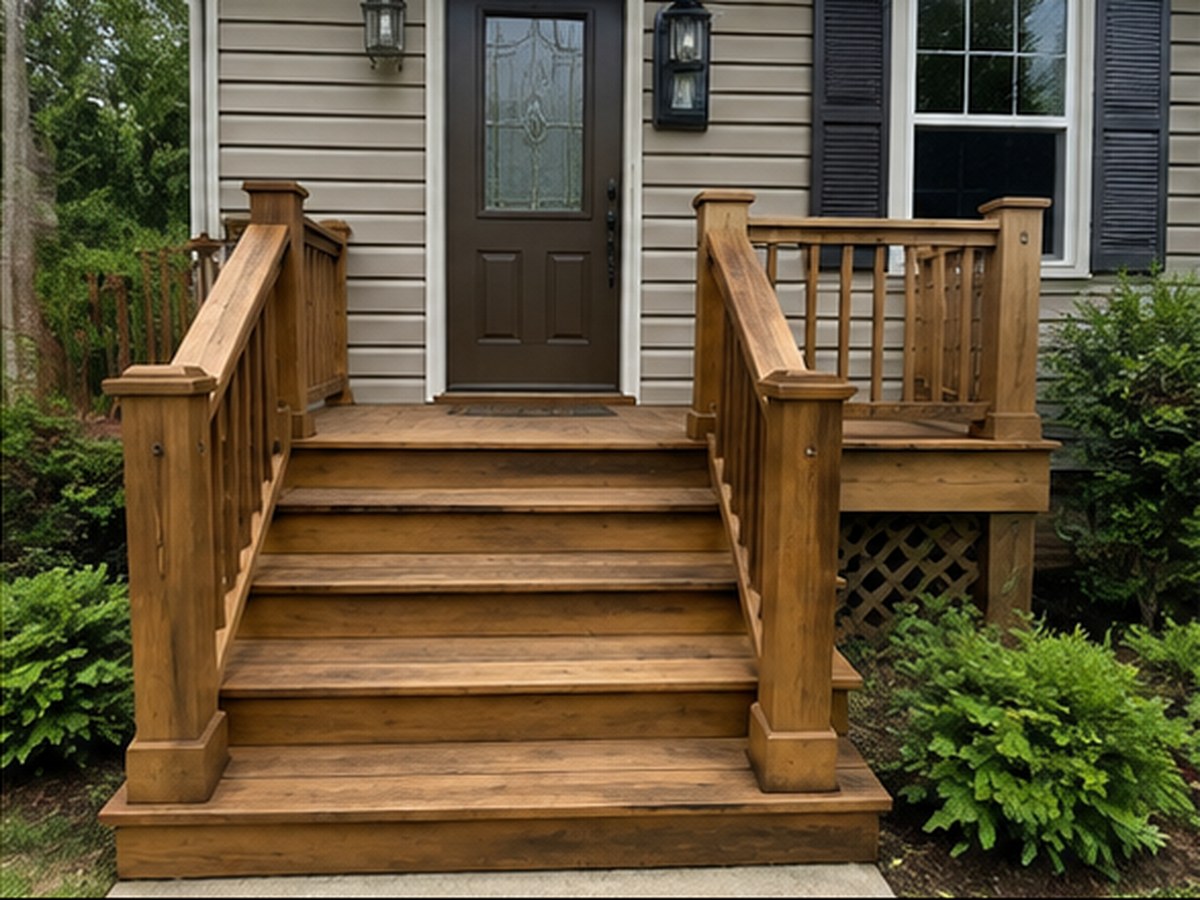
Columns, railings, and steps built to suit the building
Piers and footings set properly in ground that floods
Why Choose Mackwood Construction?
What you get when Mackwood does your porches — and what we won't do.
Free written quote, itemised before anything starts
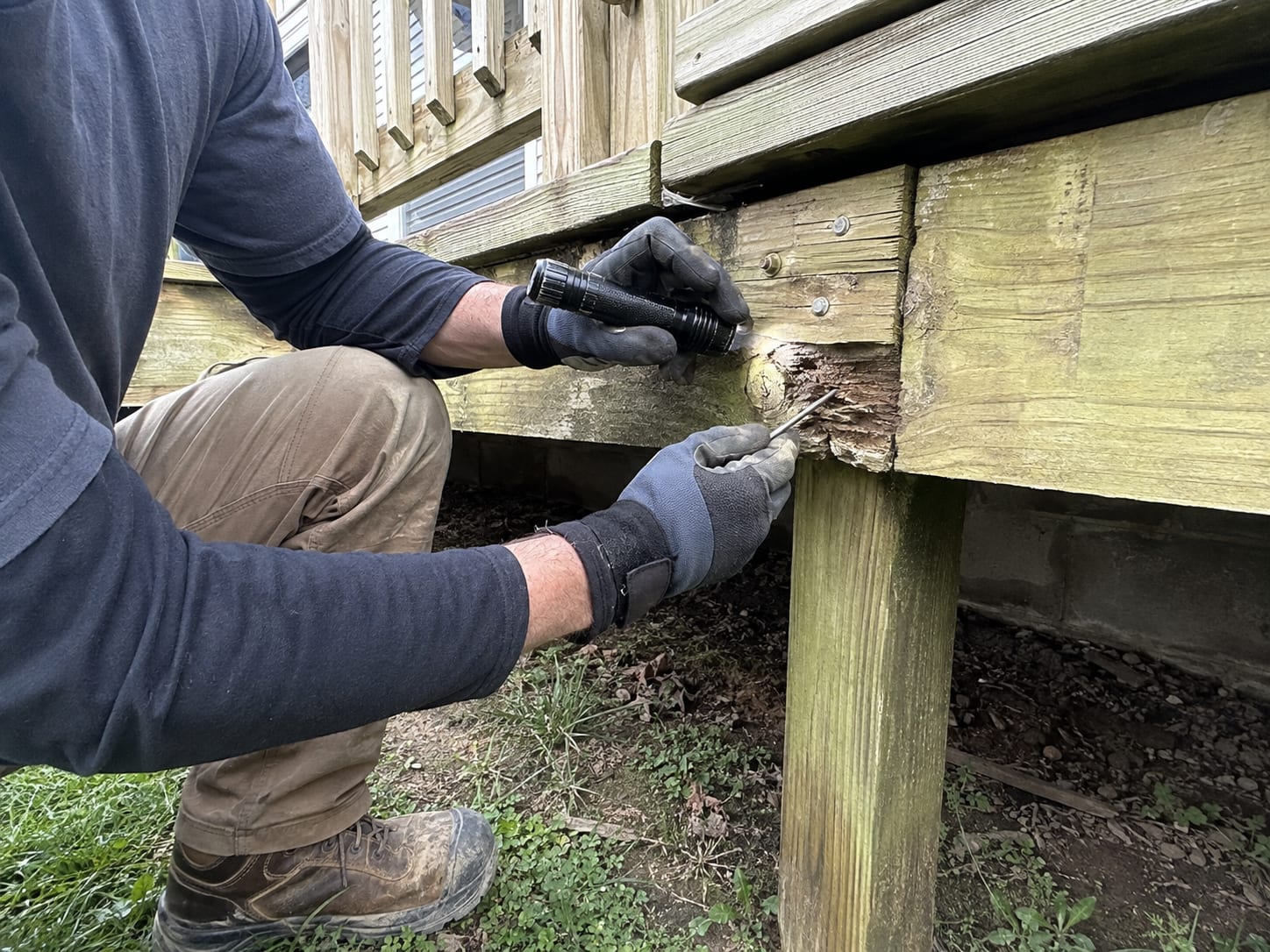
We get underneath and look properly before quoting — not from the kerb
We'll tell you straight if a repair isn't worth doing
Based in Williamson — Mingo and Logan counties, about an hour out
Straight answers on permits, which differ either side of the county line
Built for this climate: drainage, flashing and ground contact done right
From first call to finished work — no surprises in between.
Step 1
Tell us about the project
Call, text, or send a message with what you're looking to build or repair. No form to fill in and no call centre — it comes straight to us, and you'll get a real answer about whether it's something we do.
Step 2
Send photos or schedule a look
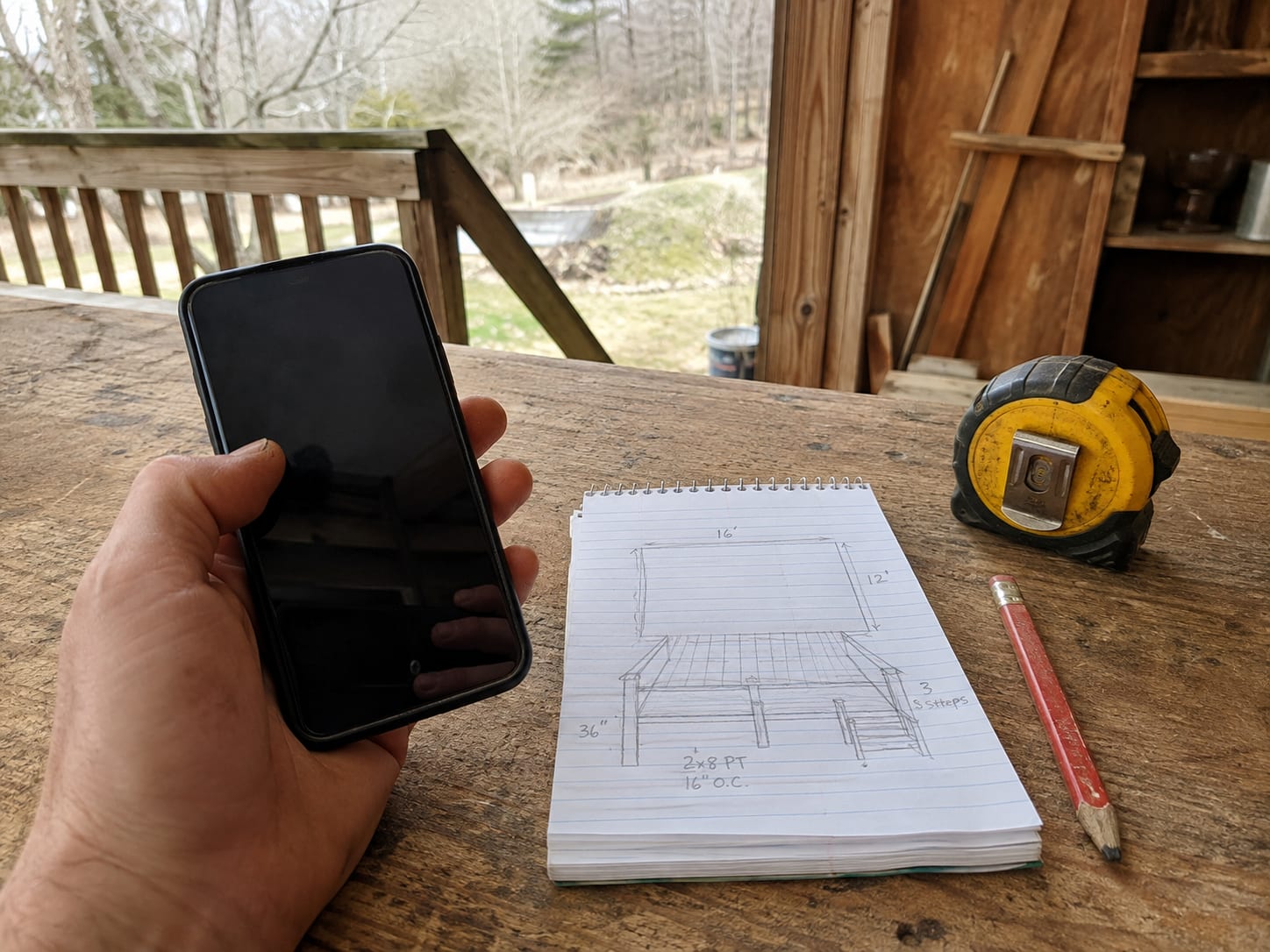
A few photos are often enough to tell us what we're dealing with. Where it isn't — anything structural, anything hidden underneath — we'll come out and look properly before quoting rather than guessing from the kerb.
Step 3
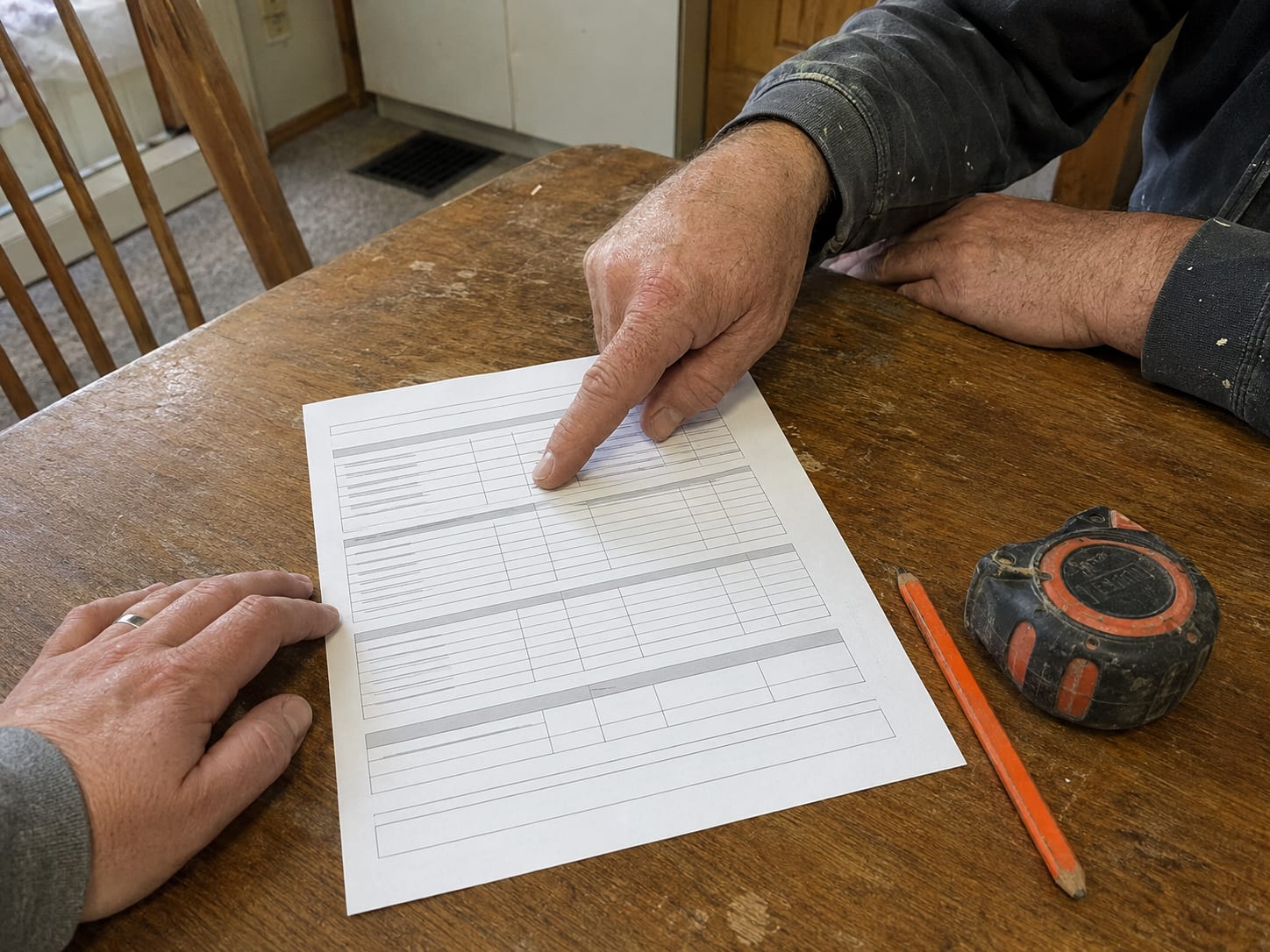
Get a clear quote
You get a written quote that itemises the work, so you can see what you're paying for and what you aren't. If we think part of it isn't worth doing, we'll say so. No pressure and no surprises at the end.
Step 4
We build it right
We turn up when we said we would, work clean, and haul the offcuts away with us. The job gets built to last in this climate — and we'll walk it with you before we call it finished.
Not sure what your porche needs?
We'll come and look, then tell you straight — including if it isn't worth doing.
Usually on the front, and sometimes at the rear depending on the grade. The constraint here is staging rather than the structure itself — where material lands and how far it's carried. We'd come and look at the space before designing anything.
Does the flood history affect a brand-new porch?
In two ways. The house wall the porch ties into may have taken water over the years, so we check that framing before building against it. And underneath, footings go below frost depth with ground-contact material and standoff bases, because this ground saturates and stays that way.
Will it match the other houses on the street?
That's how we'd build it. Depth, post spacing, railing height, and roof pitch follow a recognisable pattern on Matewan's stock, and matching it costs no more than not matching it. In the historic core it matters more than usual.
How long will you be on site?
Usually one to three weeks depending on size and whether it's covered, longer if footings need to cure. We're twenty minutes out, so a second trip for material doesn't cost a day.
How far is Matewan from your base?
About twenty minutes from Williamson down WV-49 along the Tug Fork. It's one of the closest towns we cover, so scheduling is easy and a second trip for material isn't a problem.
My house is in the older part of town with no driveway. Does that matter?
It affects staging more than anything — where material gets dropped and how far it's carried. It doesn't change the work itself. We'd rather see it before quoting so the time is in the number.
Does the flood history affect what you find in these houses?
Frequently, yes. On anything that took water, the damage tends to show up low and late — sill plates, joist ends, the bottoms of door frames and porch posts. It's worth checking those before assuming a problem is only cosmetic.
Most people are buying a result, not a list of tasks. Pick a topic to see what we look at before quoting in Matewan.
More on porch work in Matewan
That doesn't limit what the porch can be so much as how it gets built. Material is carried in, cuts happen somewhere tighter than we'd choose, and the site gets kept clean because there's nowhere for it to spread. It's normal work here and we plan the day around it.
Where a rear porch is possible, it's usually small and often has a grade change to deal with. Those are worth doing — a covered rear entry takes weather off a door that's been taking it for a century.
Building in a town that has been under water
The 1977 flood is the one everyone names, and the Corps floodwall exists because of it. For a new porch that history matters in two places: what the house wall can carry, and what the ground can hold.
On anything outside the wall or predating it, the low framing of the house has often taken water repeatedly over the decades. A porch that ties into that wall needs the wall checked first — we open it up rather than assuming, because building a new structure against rotten band board wastes the whole job.
Underneath, footings go below frost depth and posts get standoff bases so end grain isn't sitting in ground that saturates. Ordinary treated lumber where ground-contact rated was needed is the single most common reason a porch here fails early.
What it looks like from the street
In the historic core, the front of a building is public. A porch that's proportioned wrong reads immediately, and it reads on a street where a lot of people care what the buildings look like.
The safe route is the same one that works everywhere else on this stock: take the proportions from the surrounding houses. Depth, post spacing, railing height and roof pitch follow a pattern here, and building to it is not more expensive than building to something invented.
It's about twenty minutes from Williamson down WV-49, so coming back for a second look or a forgotten length of material isn't a lost day. That matters on a build where the site can only hold so much at once.
Homes around Matewan
Matewan is a small, dense town on the Tug Fork with a historic commercial core and housing that runs mostly to early 20th century wood-framed homes, many of them built during the coal boom on narrow lots close to the street. Front porches are near universal on this stock. Because the buildable ground is so limited between the river and the hillside, houses sit tight together and additions were built where there was room rather than where a plan would have put them.
What we see locally
Matewan's defining condition is water. The 1977 Tug Fork flood devastated the town, and the Corps of Engineers floodwall that now protects the downtown was built in response. Properties outside the wall, and anything that predates it, carry the history of repeated inundation in their framing — sill plates, joist ends, and the bottom courses of exterior walls are where that shows up as rot years later.
Getting to the job
The old town lots are narrow and many sit directly on the street with no driveway, so material gets carried and there is often nowhere to stage a trailer. Work near the floodwall and in the historic core needs more care about where things get parked and stacked. It is a twenty-minute run from Williamson, so returning for a second load is not the problem it would be further out.
Get a free quote for porches in Matewan
Tell us what you're building or repairing and get a clear, no-pressure quote. Free quotes, honest answers, and craftsmanship built to last.