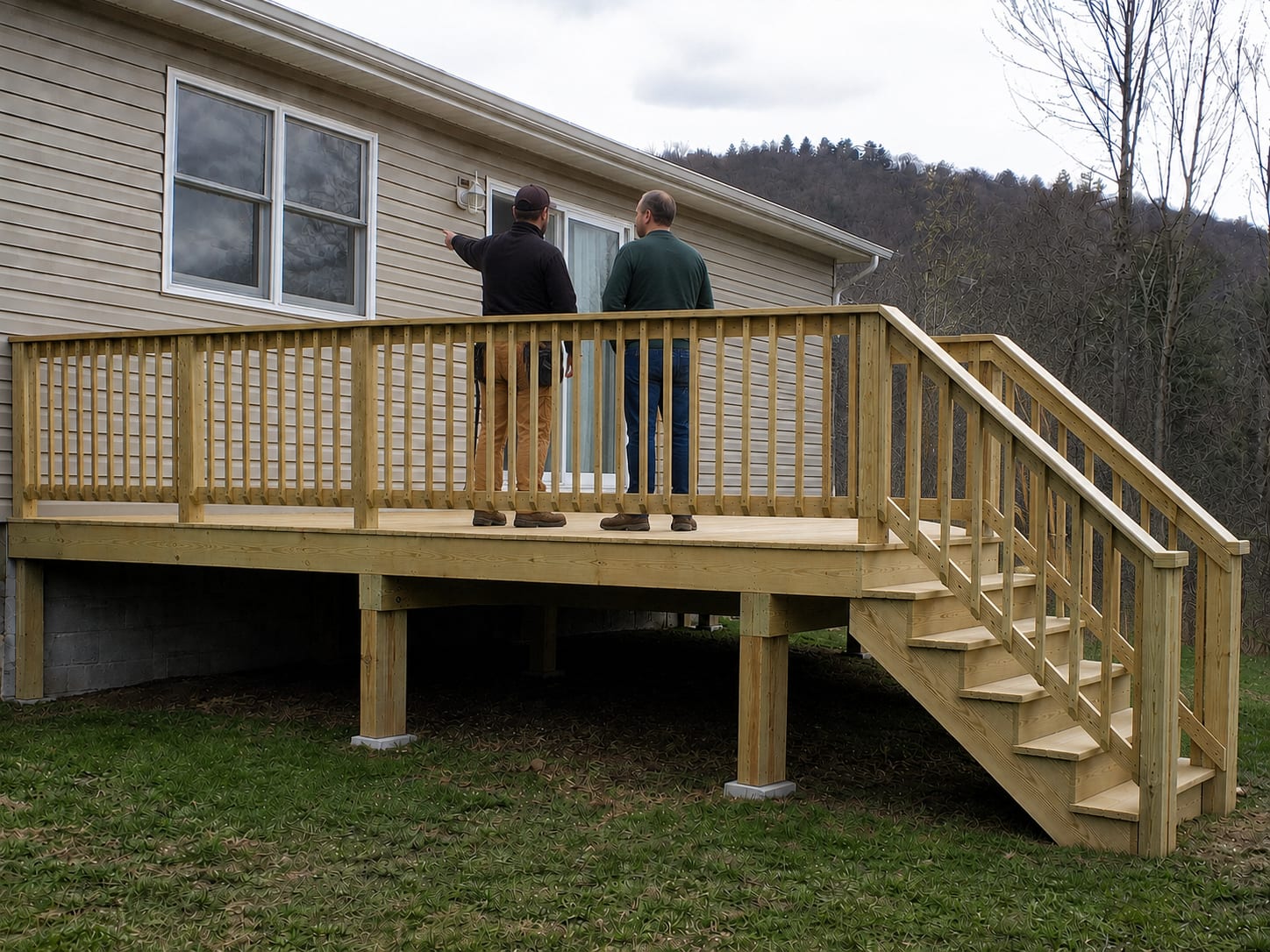
Matewan's structural work is flood work, whether or not anyone calls it that. The 1977 flood is the benchmark, and what it left in the framing of this town's houses is still being found in sill plates and joist ends nearly fifty years later.
Had them out after the back steps started going soft underfoot. He came and looked properly before quoting anything, and told me the structure underneath was still sound — so it ended up a smaller job than I had braced myself for. Turned up when he said he would, cleaned up after himself, and the price at the end was the price we agreed. Not much more you can ask for.
Owner replied
S
Skyler White
9 months ago
Called on a Tuesday and had someone out the same week. What I appreciated most was being told straight what needed doing now and what could safely wait until spring. No pressure and no trying to talk me into the bigger version of the job. It has held up fine through the winter since.
T
Trevor Alford
2 months ago
The quote came through itemised and the final bill matched it, which has honestly not been my experience with everyone around here. They worked around an awkward driveway without once making it my problem, and left the place tidier than they found it. Would have them back.
K
Kaleb Withrow
3 weeks ago
Fair price, showed up on time, tidy work. No complaints.
See something like yours?
Send a few photos and we'll tell you what it'll take — free written quote, no pressure.
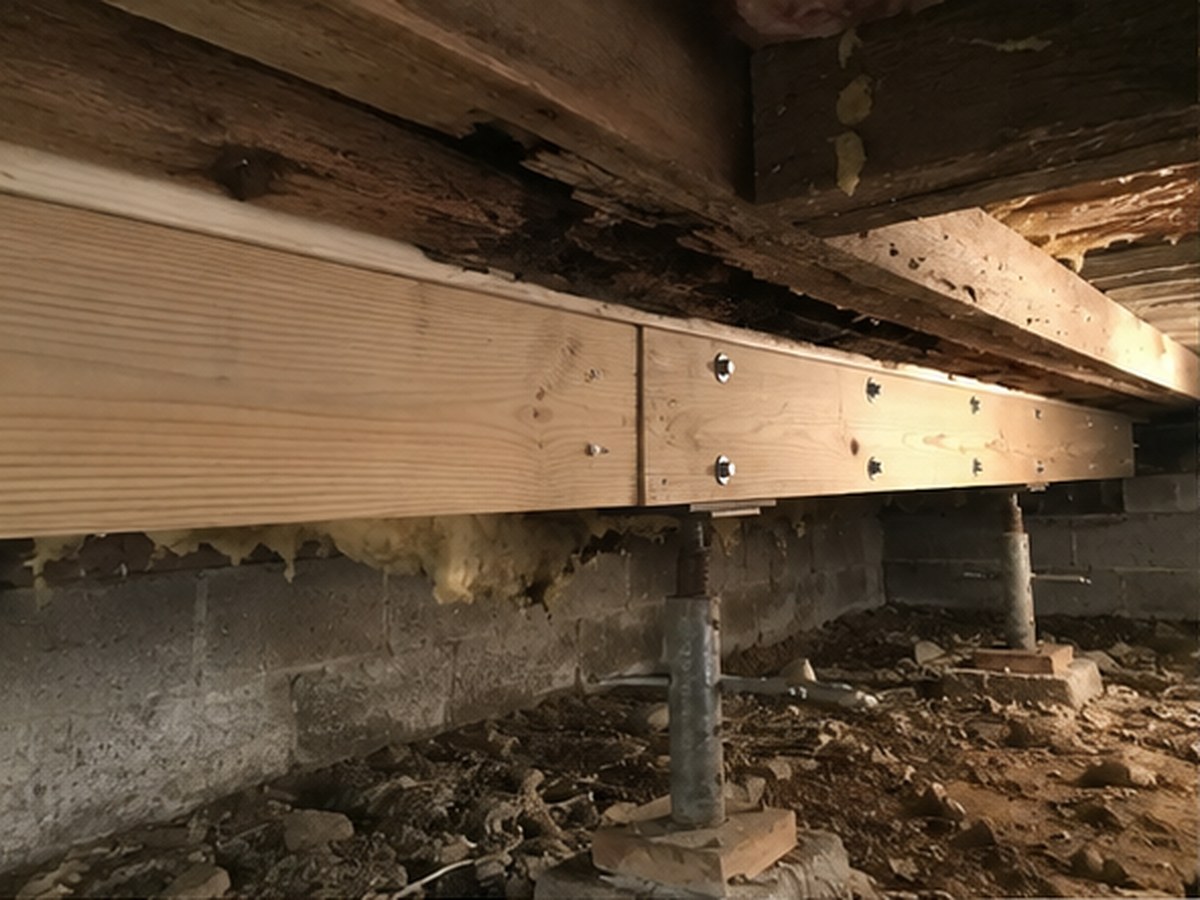
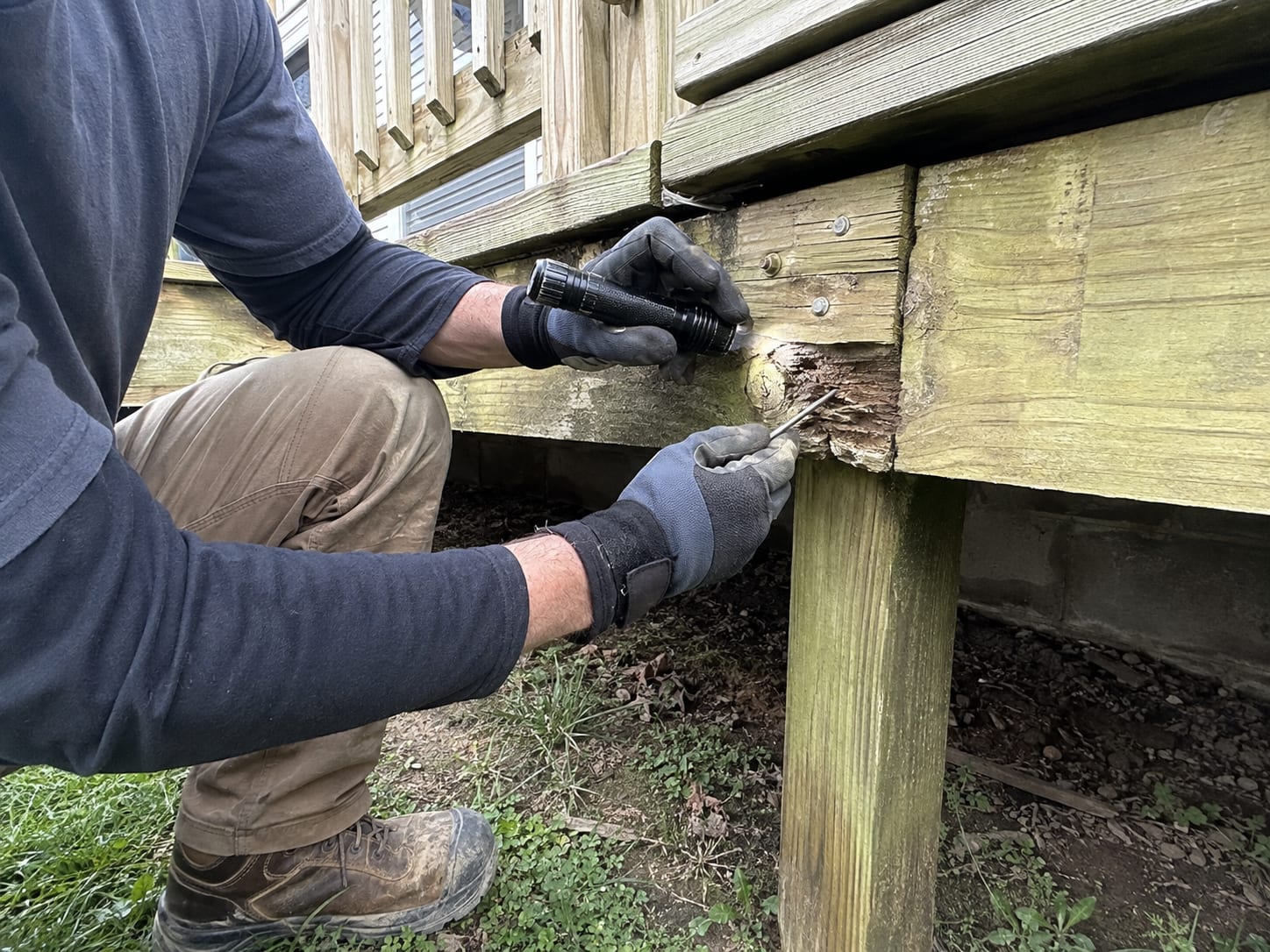
Flood damage in framing is not the crushing kind. It is biological — the wetting starts rot, the rot works slowly through the wood over years, and the member loses section without losing shape. A joist can look right and have very little left where it bears.
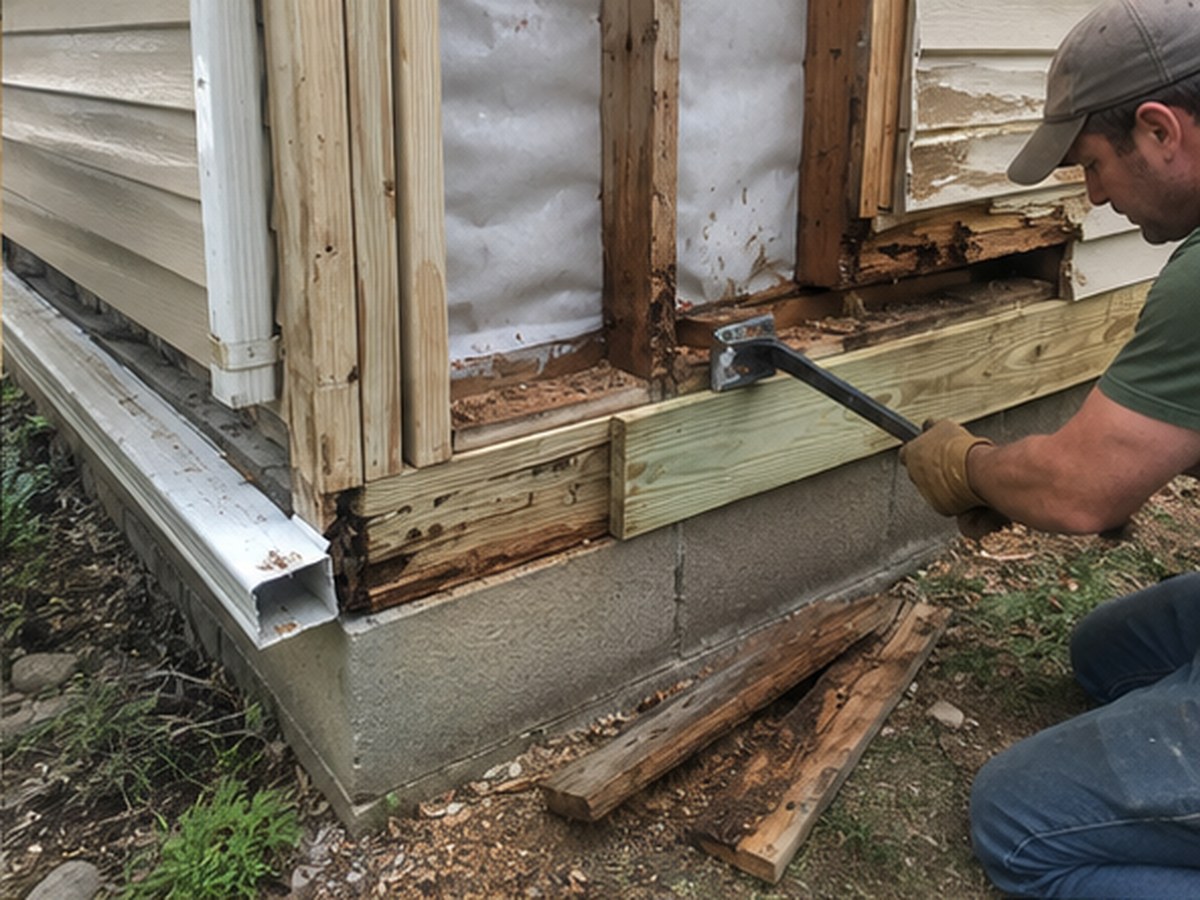
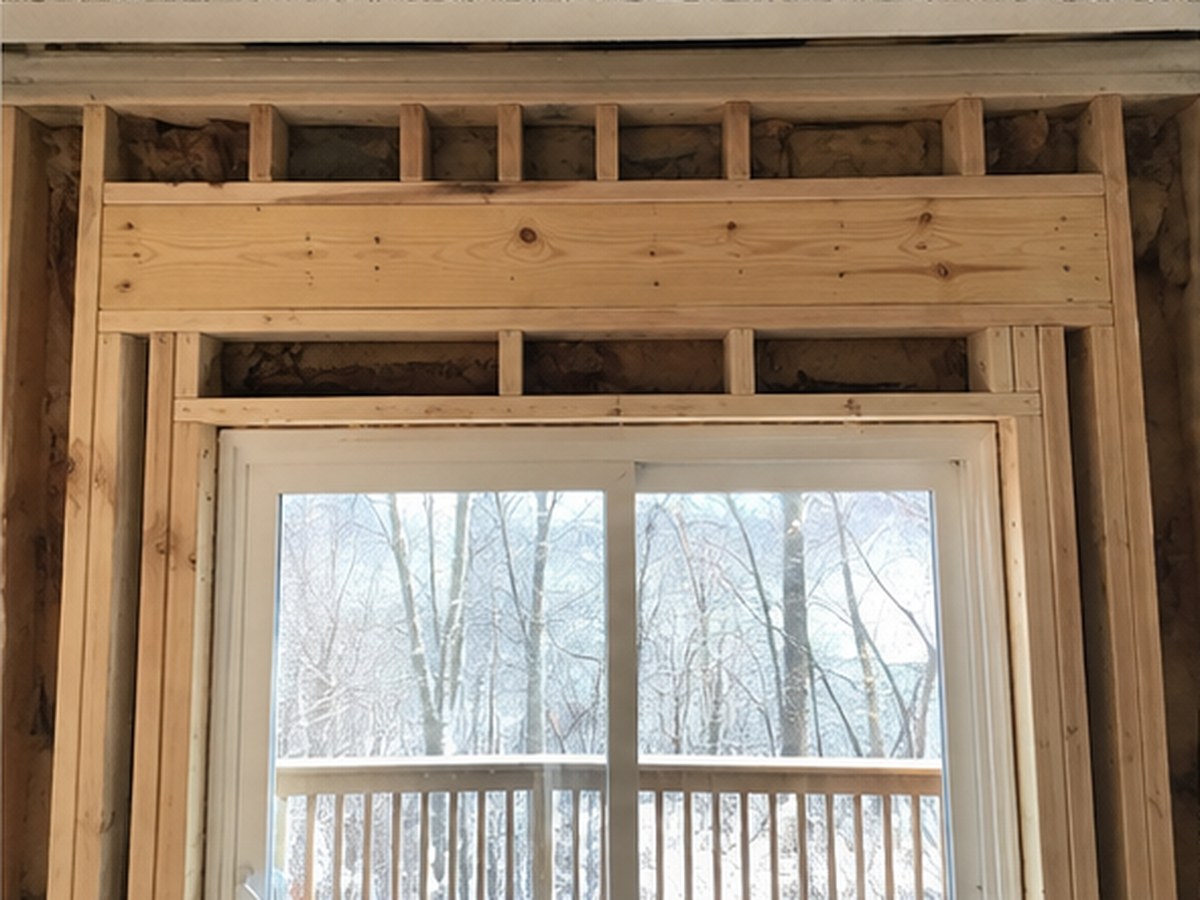
Sill plates renewed where flood rot has taken the section
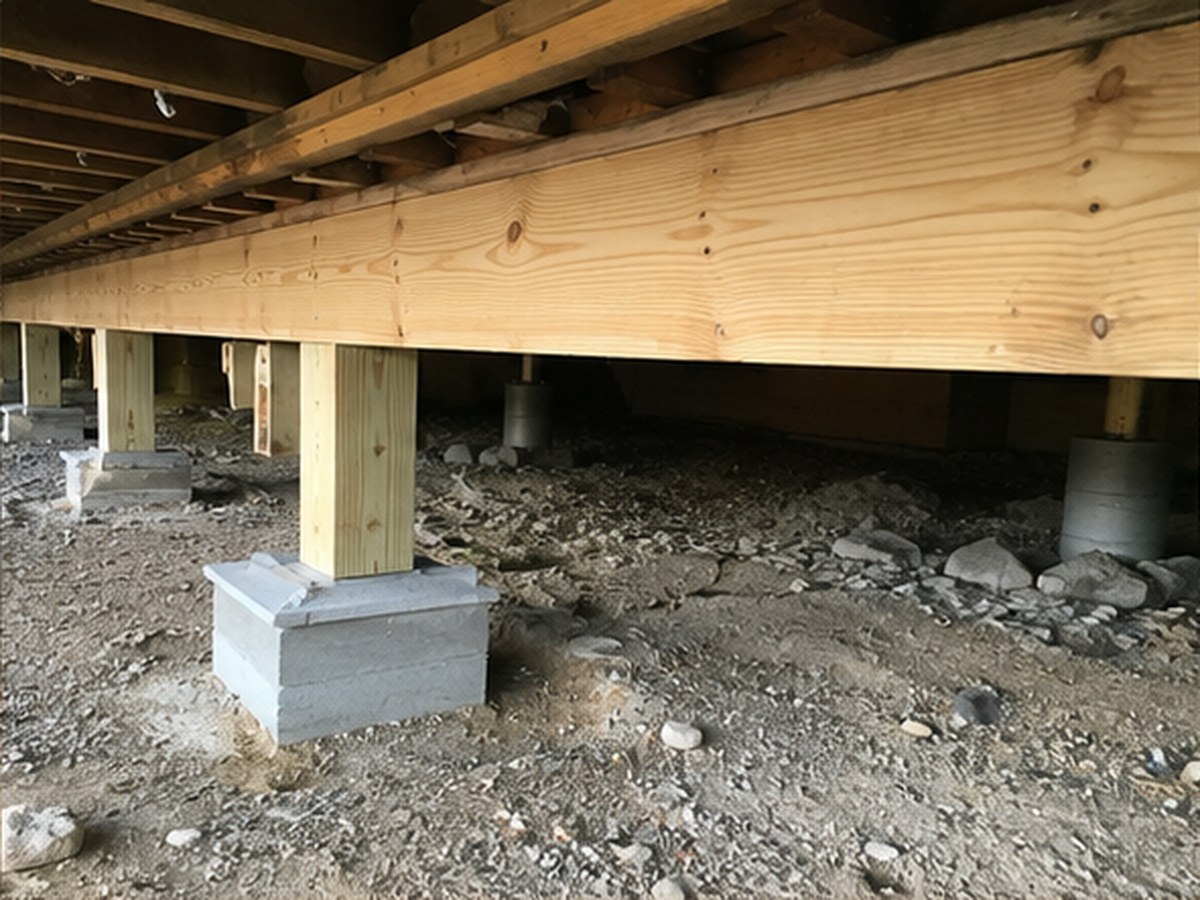
Joist ends sistered or replaced at the bearing
Posts and piers checked before anything is re-loaded
Shoring designed for a site with no room around it
Structural work on buildings inside and outside the wall
Why Choose Mackwood Construction?
What you get when Mackwood does your framing repairs — and what we won't do.
Free written quote, itemised before anything starts
We get underneath and look properly before quoting — not from the kerb
We'll tell you straight if a repair isn't worth doing
Based in Williamson — Mingo and Logan counties, about an hour out
Straight answers on permits, which differ either side of the county line
Built for this climate: drainage, flashing and ground contact done right
From first call to finished work — no surprises in between.
Step 1
Tell us about the project
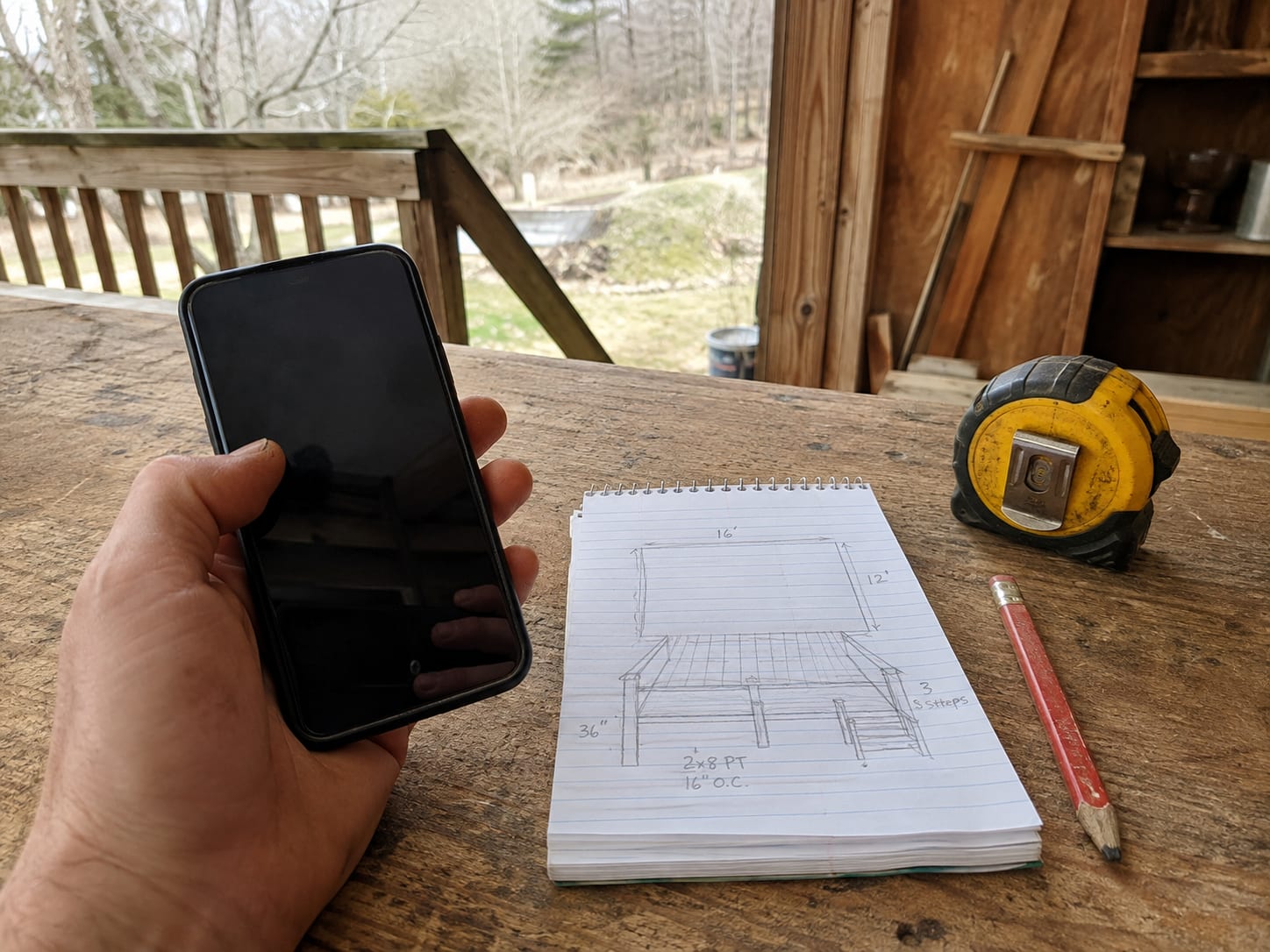
Call, text, or send a message with what you're looking to build or repair. No form to fill in and no call centre — it comes straight to us, and you'll get a real answer about whether it's something we do.
Step 2
Send photos or schedule a look
A few photos are often enough to tell us what we're dealing with. Where it isn't — anything structural, anything hidden underneath — we'll come out and look properly before quoting rather than guessing from the kerb.
Step 3
Get a clear quote
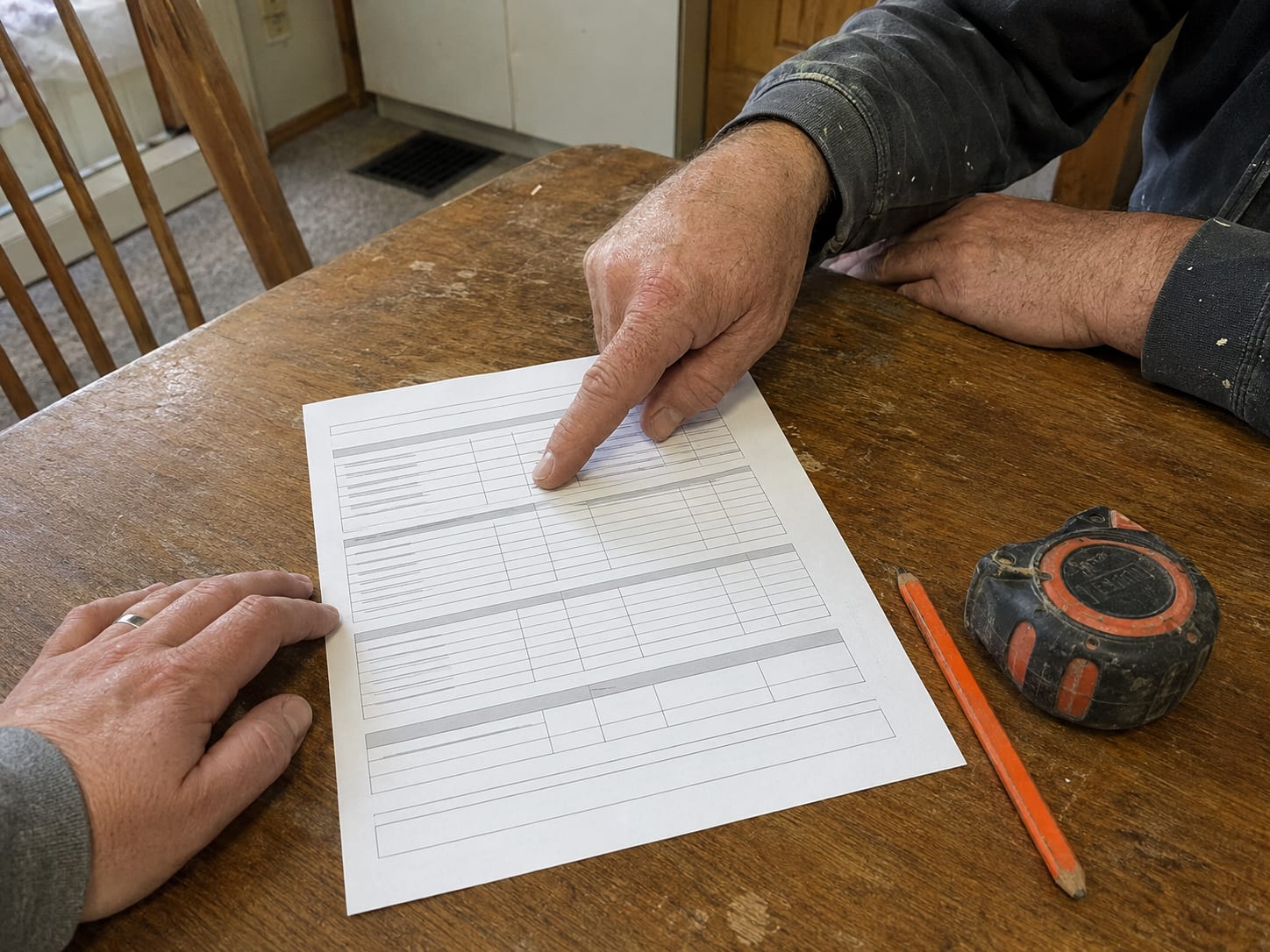
You get a written quote that itemises the work, so you can see what you're paying for and what you aren't. If we think part of it isn't worth doing, we'll say so. No pressure and no surprises at the end.
Step 4
We build it right
We turn up when we said we would, work clean, and haul the offcuts away with us. The job gets built to last in this climate — and we'll walk it with you before we call it finished.
Not sure what your framing repair needs?
We'll come and look, then tell you straight — including if it isn't worth doing.
The house flooded decades ago. Can that still be a structural problem now?
It usually is. Flood damage in framing is biological rather than immediate — the wetting starts rot that keeps working through joist ends and sill plates for years afterwards. Most of what we repair here was started by water people stopped thinking about long ago.
My floors feel solid. Doesn't that mean the framing is fine?
Not on this housing. Floorboards span between joists and joists span between bearings, so the failure happens at the ends where nobody stands. A floor can feel entirely sound and be carried by wood that has lost most of its section.
There's no room around my house to work. Is the job still possible?
Yes, it just gets staged differently — smaller sections at a time and shoring set where the site allows rather than where it would be easiest. We price that honestly up front rather than explaining it afterwards.
Will structural work damage the inside of the house?
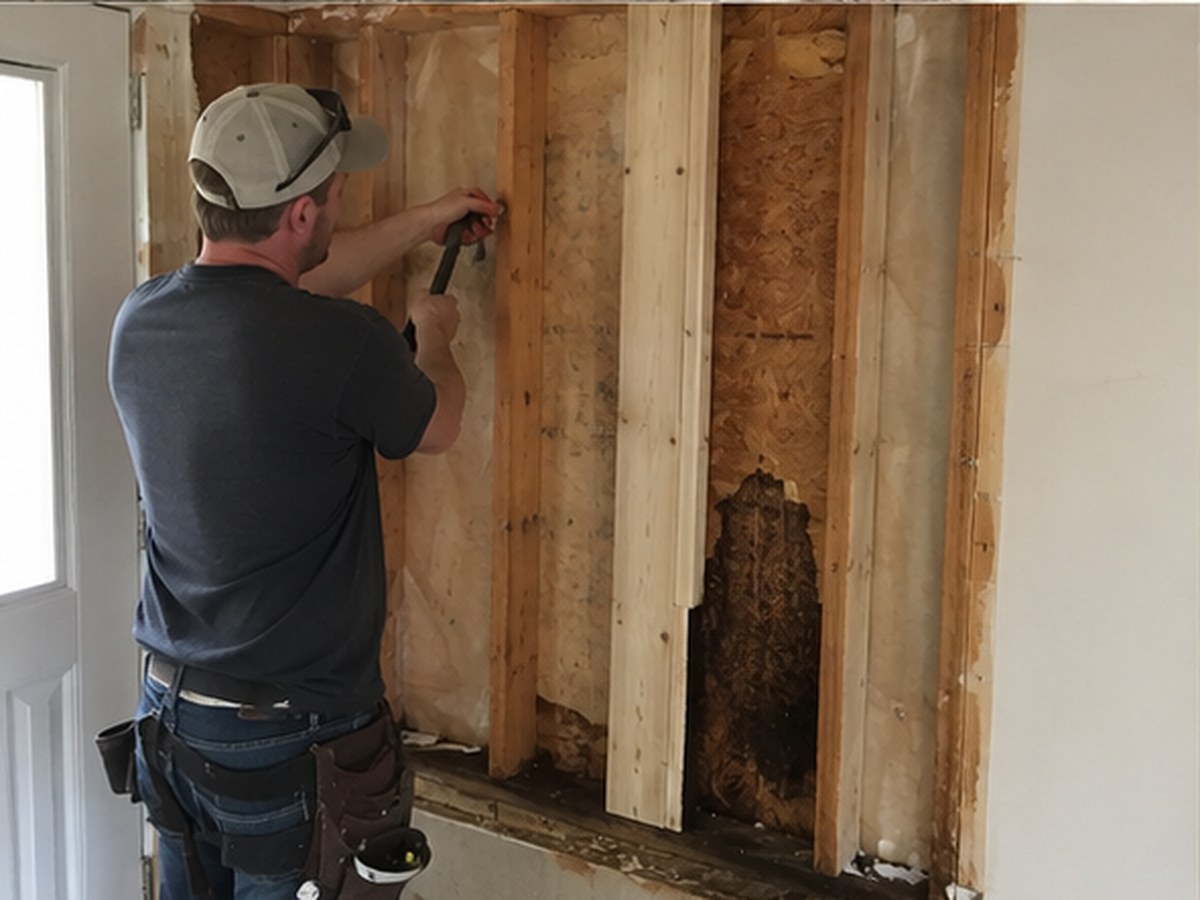
We work through the smallest openings the job allows, particularly on older buildings where the finishes are part of what is worth keeping. It takes longer than opening everything up and it is usually worth it.
How far is Matewan from your base?
About twenty minutes from Williamson down WV-49 along the Tug Fork. It's one of the closest towns we cover, so scheduling is easy and a second trip for material isn't a problem.
My house is in the older part of town with no driveway. Does that matter?
It affects staging more than anything — where material gets dropped and how far it's carried. It doesn't change the work itself. We'd rather see it before quoting so the time is in the number.
Does the flood history affect what you find in these houses?
Frequently, yes. On anything that took water, the damage tends to show up low and late — sill plates, joist ends, the bottoms of door frames and porch posts. It's worth checking those before assuming a problem is only cosmetic.
Most people are buying a result, not a list of tasks. Pick a topic to see what we look at before quoting in Matewan.
More on framing repair work in Matewan
That is why floors here can feel entirely solid on housing that has structurally been compromised for decades. The floorboards span between joists and the joists span between bearings, and the failure is at the ends where nobody stands.
So on any house in this town with water in its history, we probe the bearing points rather than assessing from above. It is the only honest way to price the work.
Shoring where there is no room
Structural repair needs somewhere to put temporary support and somewhere to work. In Matewan you frequently have neither — narrow lots, buildings tight to the street and to each other, and crawl spaces that are genuinely tight rather than merely awkward.
That does not change what the repair requires. It changes how it is staged: smaller sections at a time, shoring set inside rather than outside where the lot will not allow it, and more visits than the same job would take somewhere with a yard.
We would rather quote that honestly than price it as though the site were open and then explain the difference later.
Inside the wall, outside it, and what that changes
The floodwall protects the downtown, which means properties inside it, properties outside it, and anything built since have genuinely different exposure histories. It does not tell you what condition a specific house is in — but it tells us what to expect before we look.
On the historic buildings there is a further consideration, which is that structural repair should not destroy what makes the building worth repairing. Working through smaller openings and preserving finishes takes longer and is usually worth it on the visible elevations.
It is about twenty minutes down WV-49 from Williamson, close enough that returning for a staged repair is not a problem.
Homes around Matewan
Matewan is a small, dense town on the Tug Fork with a historic commercial core and housing that runs mostly to early 20th century wood-framed homes, many of them built during the coal boom on narrow lots close to the street. Front porches are near universal on this stock. Because the buildable ground is so limited between the river and the hillside, houses sit tight together and additions were built where there was room rather than where a plan would have put them.
What we see locally
Matewan's defining condition is water. The 1977 Tug Fork flood devastated the town, and the Corps of Engineers floodwall that now protects the downtown was built in response. Properties outside the wall, and anything that predates it, carry the history of repeated inundation in their framing — sill plates, joist ends, and the bottom courses of exterior walls are where that shows up as rot years later.
Getting to the job
The old town lots are narrow and many sit directly on the street with no driveway, so material gets carried and there is often nowhere to stage a trailer. Work near the floodwall and in the historic core needs more care about where things get parked and stacked. It is a twenty-minute run from Williamson, so returning for a second load is not the problem it would be further out.
Get a free quote for framing repairs in Matewan
Tell us what you're building or repairing and get a clear, no-pressure quote. Free quotes, honest answers, and craftsmanship built to last.