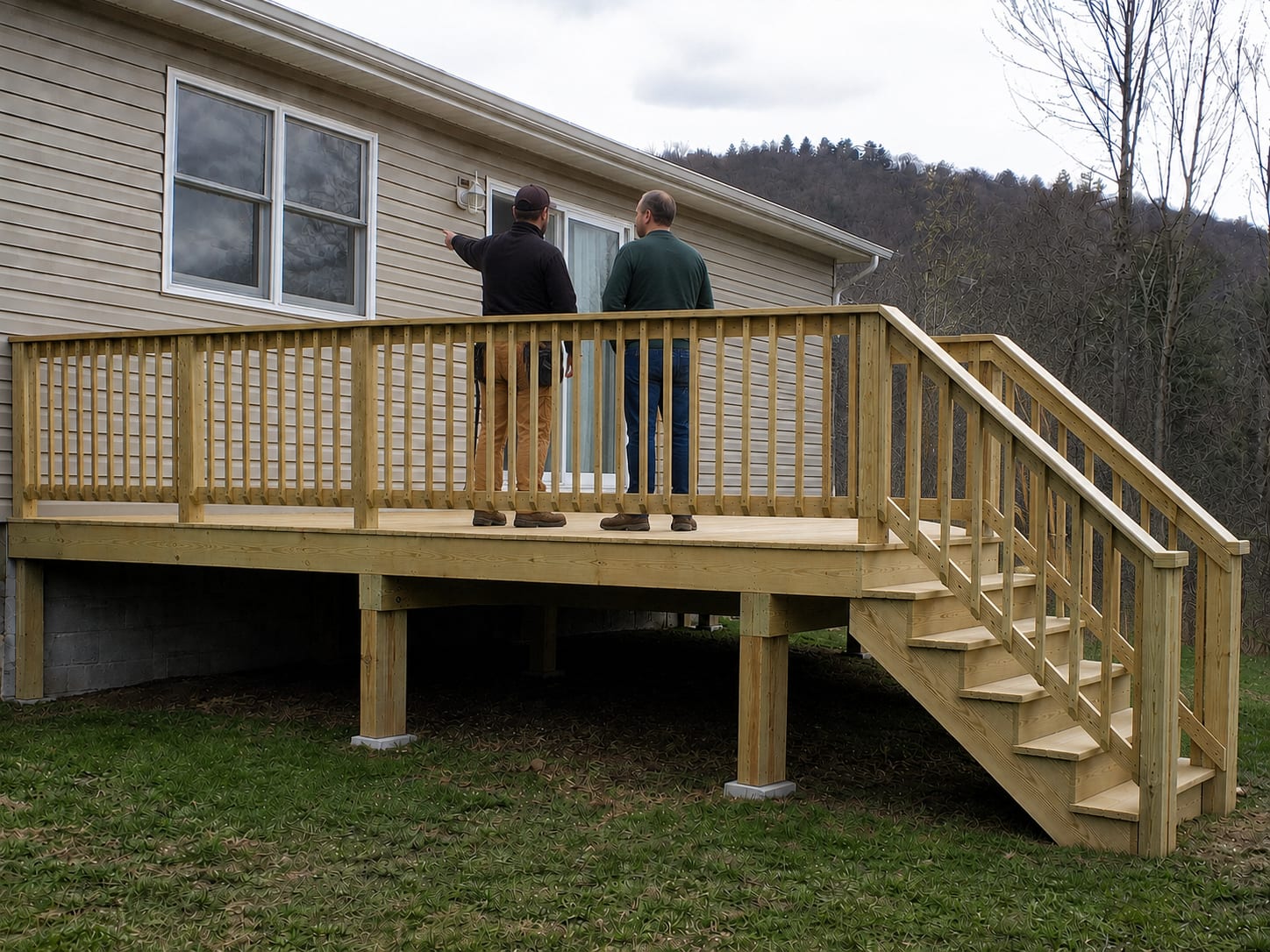
Man's housing is younger than the rest of the county, much of it from the rebuilding along Buffalo Creek rather than the coal-camp era. For floor joist repair that's a real advantage: conventional foundations, standard framing, and none of the pier-line failure that defines the older towns.
Had them out after the back steps started going soft underfoot. He came and looked properly before quoting anything, and told me the structure underneath was still sound — so it ended up a smaller job than I had braced myself for. Turned up when he said he would, cleaned up after himself, and the price at the end was the price we agreed. Not much more you can ask for.
Owner replied
S
Skyler White
9 months ago
Called on a Tuesday and had someone out the same week. What I appreciated most was being told straight what needed doing now and what could safely wait until spring. No pressure and no trying to talk me into the bigger version of the job. It has held up fine through the winter since.
T
Trevor Alford
2 months ago
The quote came through itemised and the final bill matched it, which has honestly not been my experience with everyone around here. They worked around an awkward driveway without once making it my problem, and left the place tidier than they found it. Would have them back.
K
Kaleb Withrow
3 weeks ago
Fair price, showed up on time, tidy work. No complaints.
Sample reviews shown for illustration.
See something like yours?
Send a few photos and we'll tell you what it'll take — free written quote, no pressure.
1970s floors were framed to standards that are broadly familiar now, so the floor work here is less about rotted bearings and more about specific joists and specific details.
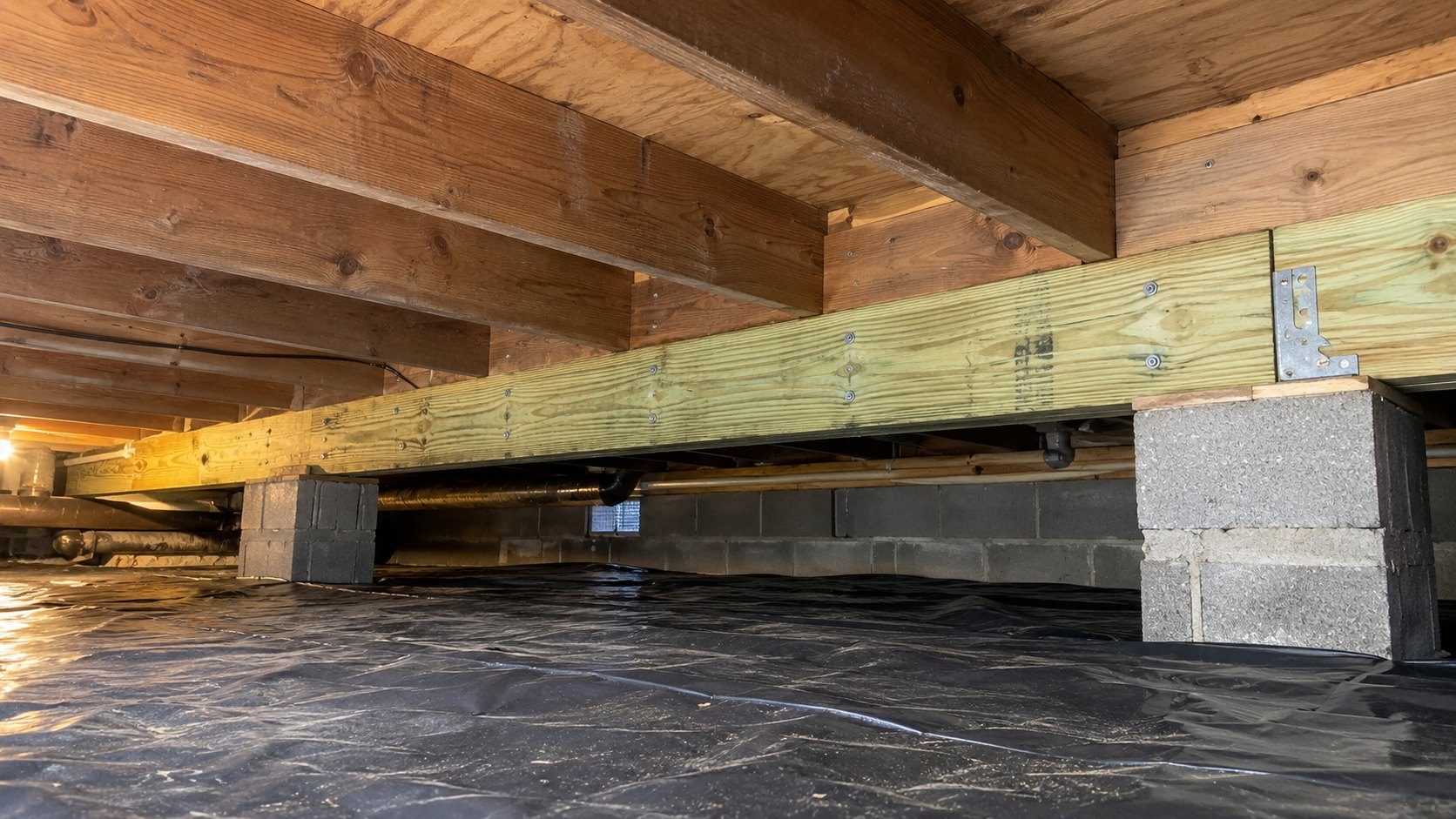
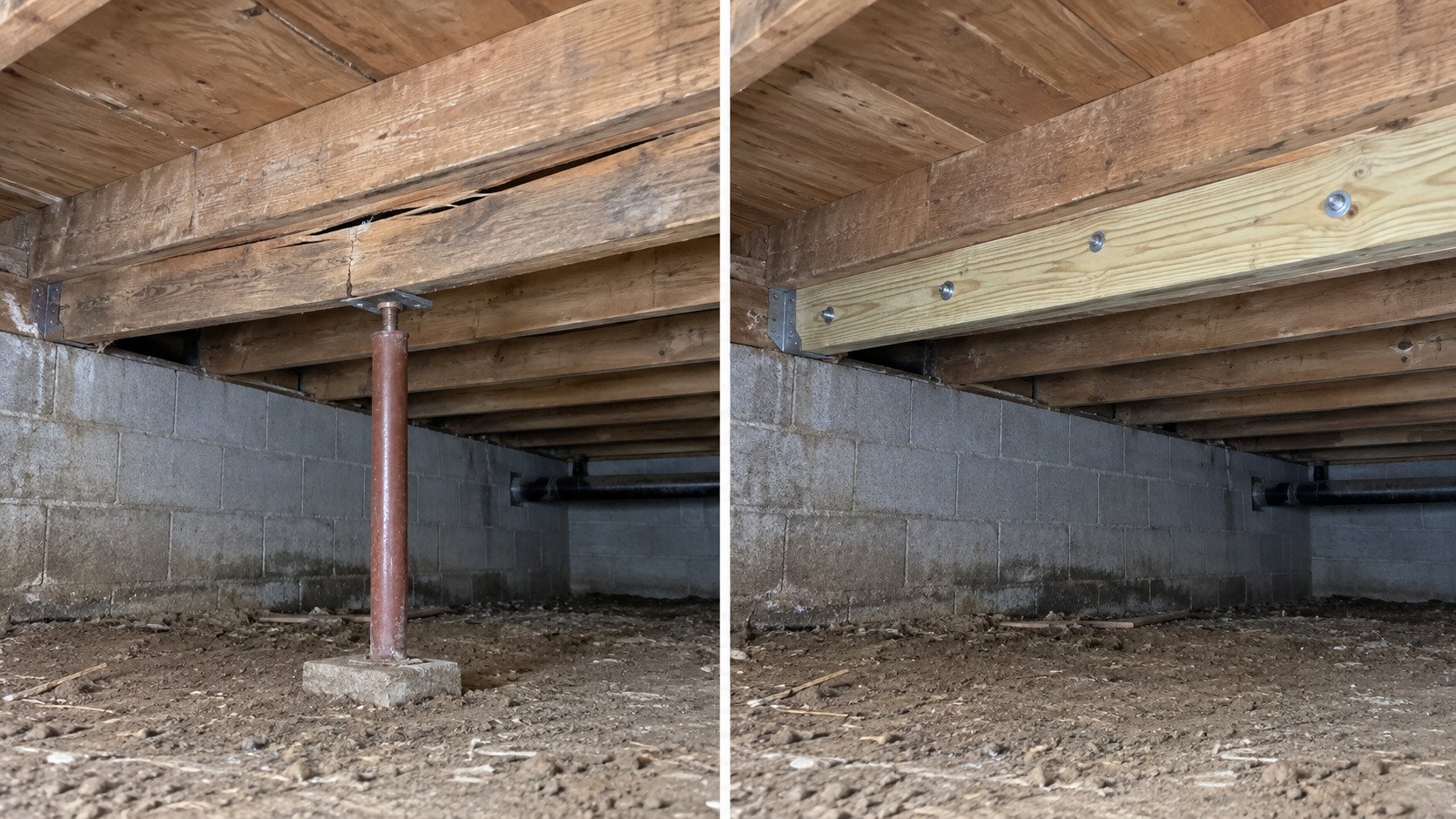
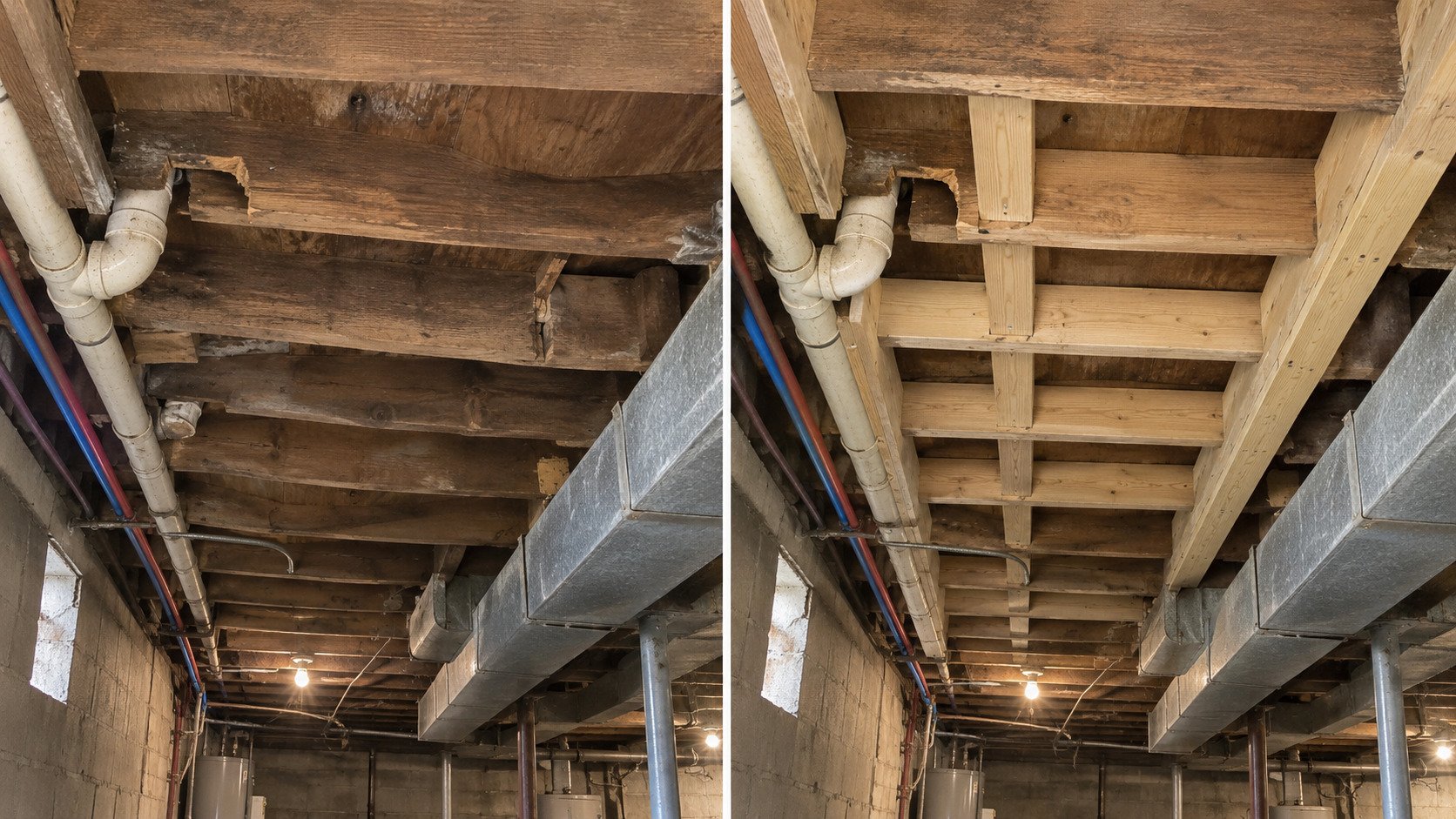
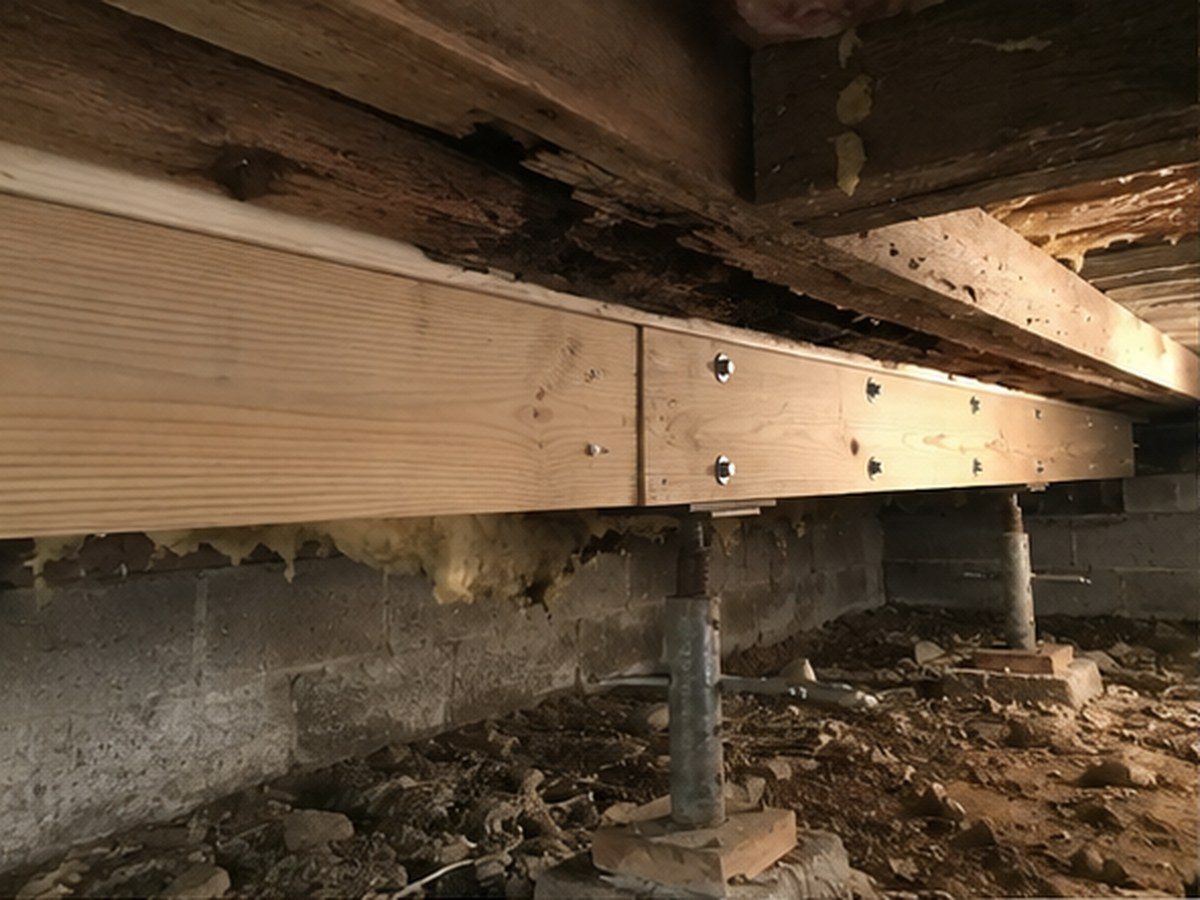
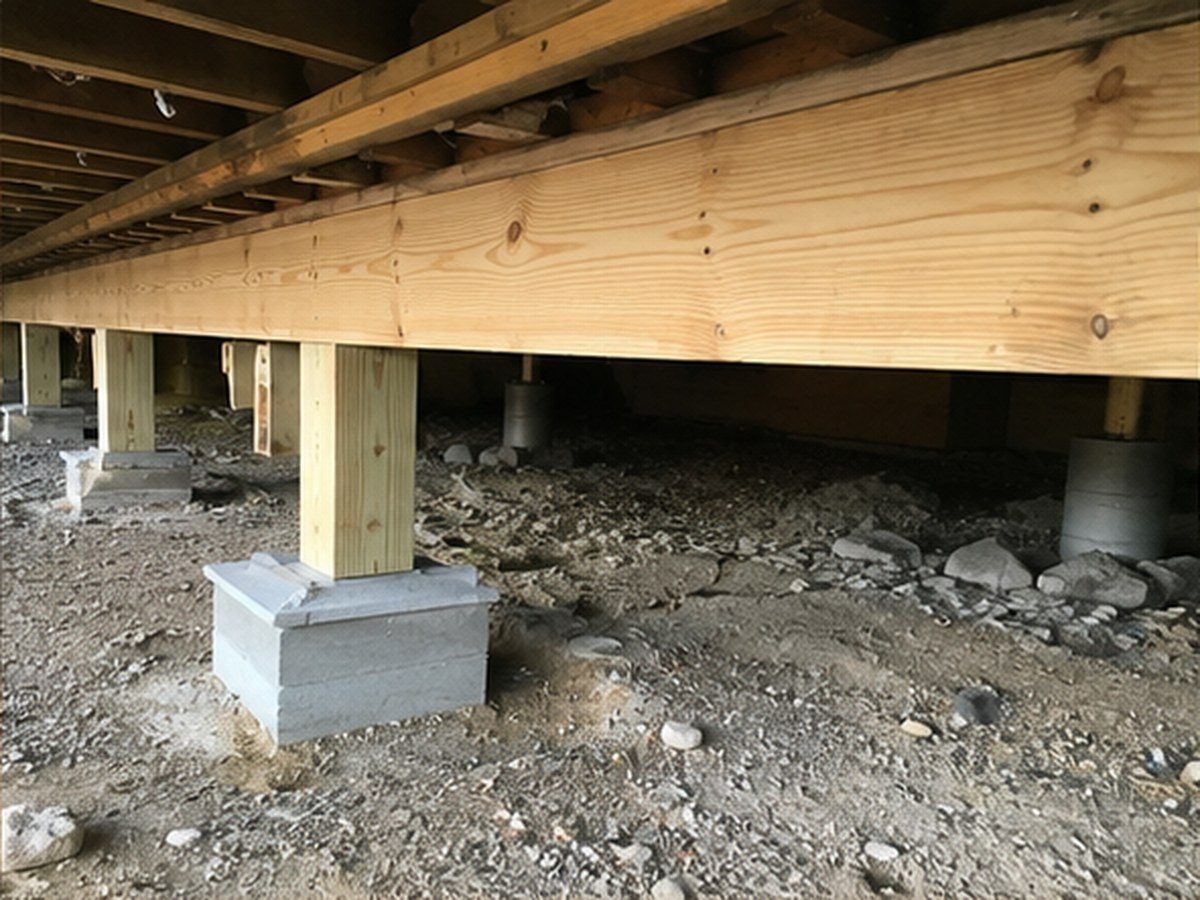
Joists that have deflected over fifty years, sistered or supported
Blocking added where a floor flexes between joists
Additions supported where they were built without it
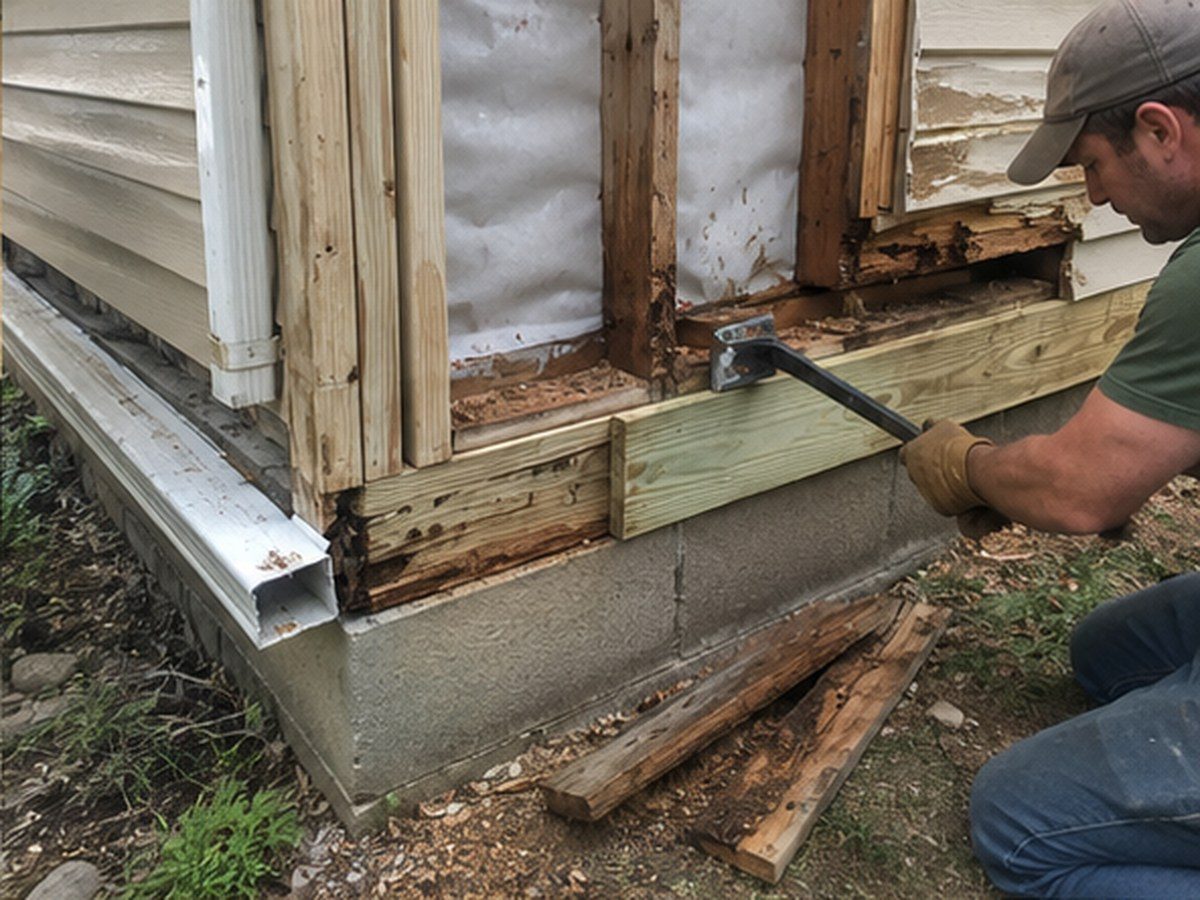
Low framing renewed where ground moisture reached it
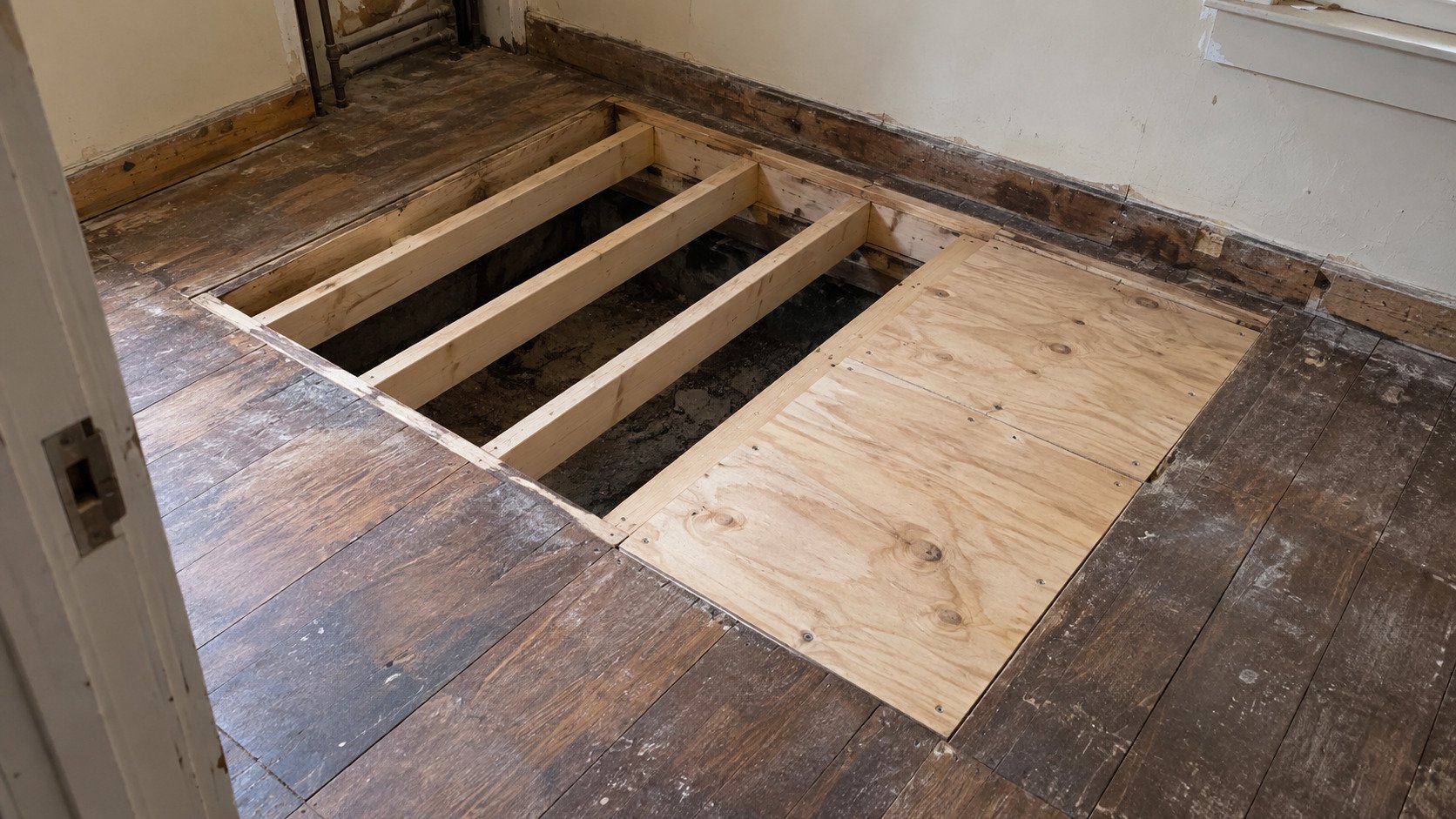
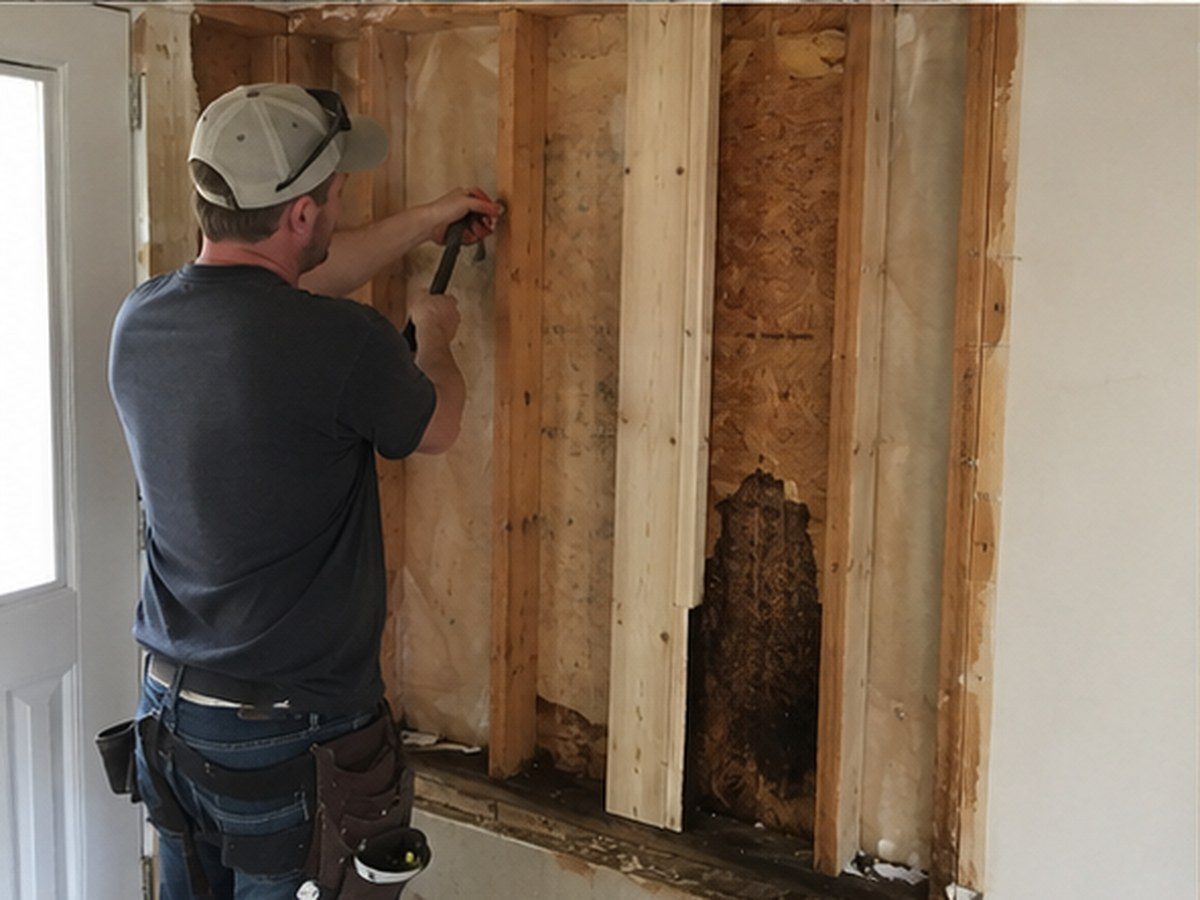
Subfloor repair where a leak or a soft spot has opened up
Why Choose Mackwood Construction?
What you get when Mackwood does your floor joist repair — and what we won't do.
Free written quote, itemised before anything starts
We get underneath and look properly before quoting — not from the kerb
We'll tell you straight if a repair isn't worth doing
Based in Williamson — Mingo and Logan counties, about an hour out
Straight answers on permits, which differ either side of the county line
Built for this climate: drainage, flashing and ground contact done right
From first call to finished work — no surprises in between.
Step 1
Tell us about the project
Call, text, or send a message with what you're looking to build or repair. No form to fill in and no call centre — it comes straight to us, and you'll get a real answer about whether it's something we do.
Step 2
Send photos or schedule a look
A few photos are often enough to tell us what we're dealing with. Where it isn't — anything structural, anything hidden underneath — we'll come out and look properly before quoting rather than guessing from the kerb.
Step 3
Get a clear quote
You get a written quote that itemises the work, so you can see what you're paying for and what you aren't. If we think part of it isn't worth doing, we'll say so. No pressure and no surprises at the end.
Step 4
We build it right
We turn up when we said we would, work clean, and haul the offcuts away with us. The job gets built to last in this climate — and we'll walk it with you before we call it finished.
Not sure what your floor joist repair needs?
We'll come and look, then tell you straight — including if it isn't worth doing.
Is 1970s housing better underneath than the older stock?
Generally yes, for this kind of work. Conventional foundations and standard framing mean no pier-line failure, so repairs tend to be specific and targeted rather than running the length of a wall.
My floor has a noticeable bounce. What causes that in a house this age?
Usually a span that was taken to the limit at the time and has deflected over fifty years. It's a different problem from rot, and it's usually solved with sistering, blocking or added support rather than floor joist replacement.
The problem seems to be where the addition meets the house. Typical?
Very. Different decades, different standards, and often an addition partly relying on the original structure instead of its own supports. It sags rather than fails, so the signs are binding doors and a floor that steps at the join.
Can I keep living in the house while the floor is repaired?
Usually. Most of this is done from below, and the rooms above stay usable. Where a floor has to be opened from above, that room is out of use until it's closed back up.
Is Man inside your service area?
Yes, at the edge of it — about fifty-five minutes from Williamson. We cover it, but we schedule it as a full day rather than fitting it around other work.
My house is from the 1970s, not the coal-camp era. Do you work on those?
Yes, and a lot of Man's housing is exactly that. Fifty-year-old construction has its own list — original decks and porches at the end of their life, exterior trim due for replacement, and framing details of a period that were normal then and aren't now.
How long does it take you to get out for a quote?
We'll be straight about it — Man is the furthest point we cover, so we group visits here rather than driving out for a single look. That usually means a few days rather than same-week, and we'll tell you the timing when you call.
Most people are buying a result, not a list of tasks. Pick a topic to see what we look at before quoting in Man.
More on floor joist repair work in Man
The most common one is bounce. Spans that were taken to the limit of what was acceptable have deflected over fifty years of furniture, appliances and people, and a floor that was firm when new now flexes in the middle of a room. That's a different problem from rot, and it usually has a straightforward answer: sistering, blocking between joists, or a new beam under mid-span.
Rot still plays a part, because the ground is low where two creeks meet, but it collects in what sits closest to grade rather than running along a pier line. That usually makes for a smaller, more targeted repair.
Additions and the junction between eras
Where a house has been added to, the junction deserves a check before assuming the problem is where it shows. Different decades, different framing standards, and often a different idea of what was carrying what.
The usual finding is an addition floor partly relying on the original structure rather than its own supports. That doesn't fail suddenly. It sags, and the signs are doors that bind and a floor that steps at the join.
Correcting it means giving that addition proper support rather than fastening it back to the house, which only moves the load into a wall that wasn't built for it.
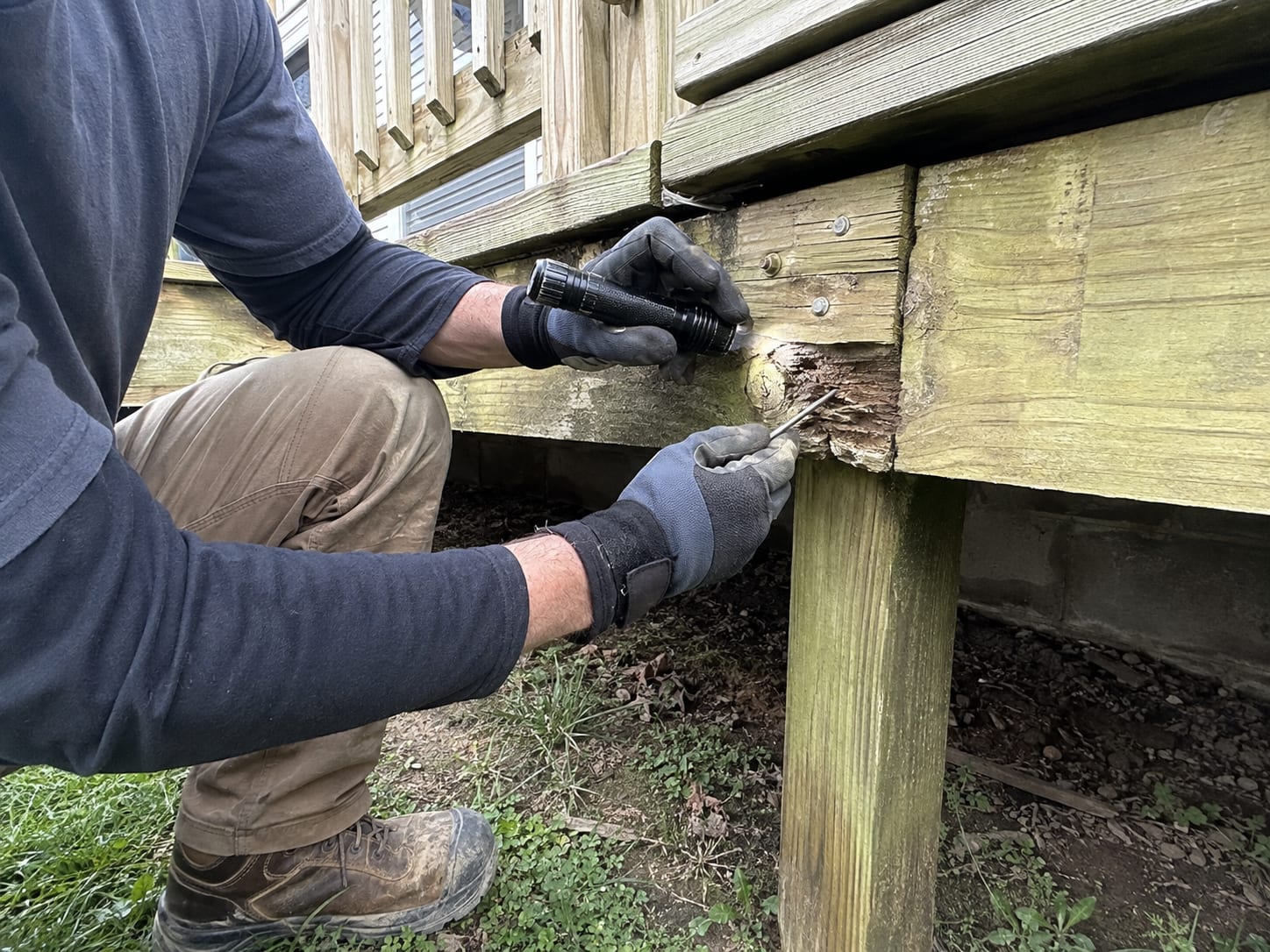
Additions on low ground here were also often built closer to grade than the original house, with less air under them. The joists nearest the soil on that side are the ones worth probing, because that's where rot shows up on a house otherwise too young for it.
One trip, the right timber
Man is roughly fifty-five minutes from Williamson, US-119 to WV-10, inside the hour we cover but only just. Floor work needs the right joists, shoring and hardware on the first trip, so we plan it as a full day and check the load before leaving.
Up the Buffalo Creek hollow the road narrows and properties sit close to it, which limits where a trailer goes and where timber gets stacked. Quote visits get grouped, so expect a few days rather than same-week, and if something needs shoring urgently, say so on the call.
Homes around Man
Man sits where Buffalo Creek meets the Guyandotte, and its housing has an age profile that is genuinely different from the rest of the county. Along the Buffalo Creek hollow a large share of the homes date from the rebuilding after the 1972 flood rather than from the coal-camp era, so instead of hundred-year-old pier-built houses there is a lot of 1970s construction now reaching fifty years old. That is its own set of problems — original decks and porches at the end of their service life, and framing and trim of a period that used materials we no longer would.
What we see locally
Two creeks meeting in a narrow valley means water is the defining condition here, and the community's history with it needs no explanation from us. Practically, the work it produces is what long-term exposure does to structures on low ground: rot in the framing closest to the ground, porches and steps that have taken decades of wetting, and additions built at different times with different levels of protection underneath. The 1970s housing is also now at the age where its original exterior woodwork is due, whether or not it has ever been wet.
Getting to the job
Man is the far edge of what we cover — roughly fifty-five minutes from Williamson, US-119 to WV-10. It is inside the hour, but only just, so we plan a full day here rather than a half and we make sure the material is right before leaving. Up the Buffalo Creek hollow the road narrows and the properties sit close to it, which limits staging room.
Get a free quote for floor joist repair in Man
Tell us what you're building or repairing and get a clear, no-pressure quote. Free quotes, honest answers, and craftsmanship built to last.